

Last week, a diverse coalition of mangrove conservationists, community leaders, youth advocates, technical experts, government representatives, and non-governmental organizations convened in Kenya for the inaugural workshop of the Kenya Mangrove Champions Initiative. Hosted collaboratively by Wetlands International and the Global Mangrove Alliance in Kenya, this pivotal gathering signifies the commencement of a concerted, collaborative endeavor aimed at bolstering mangrove restoration efforts through the empowerment of local leadership and the integration of scientifically informed, community-driven methodologies. As global aspirations and investments in mangrove restoration witness a significant surge, the imperative to cultivate interconnected communities capable of mutual learning and the accelerated adoption of effective, regionally tailored restoration strategies has become increasingly pronounced. The workshop, held in late April 2026, brought together stakeholders from across the nation, underscoring a shared commitment to safeguarding and revitalizing these vital coastal ecosystems.
Genesis of the Kenya Mangrove Champions Initiative
The genesis of the Kenya Mangrove Champions Initiative stems from a recognized need to bridge the gap between ambitious global conservation goals and the practical realities on the ground. While international bodies and governments are increasingly allocating resources towards mangrove restoration, the success of these initiatives hinges on the active participation and leadership of local communities who possess an intrinsic understanding of their environment. The workshop served as a crucial platform for forging these connections, bringing together individuals and organizations at various stages of mangrove conservation and restoration work. This included seasoned practitioners with decades of experience, emerging youth leaders eager to make a difference, and government officials responsible for policy and implementation.
The Global Mangrove Alliance, an international network dedicated to protecting and restoring mangrove ecosystems, has established national chapters in numerous countries, including Kenya. These chapters have historically played a vital role in advancing mangrove conservation and restoration at the national level. The Mangrove Champions Initiative represents a strategic evolution of this work, moving towards a more integrated, participatory approach by actively convening all relevant stakeholders. This cross-sectoral dialogue is designed to foster a shared understanding of challenges, a collective learning process, and a unified strategy for implementing best practices in mangrove restoration across Kenya.
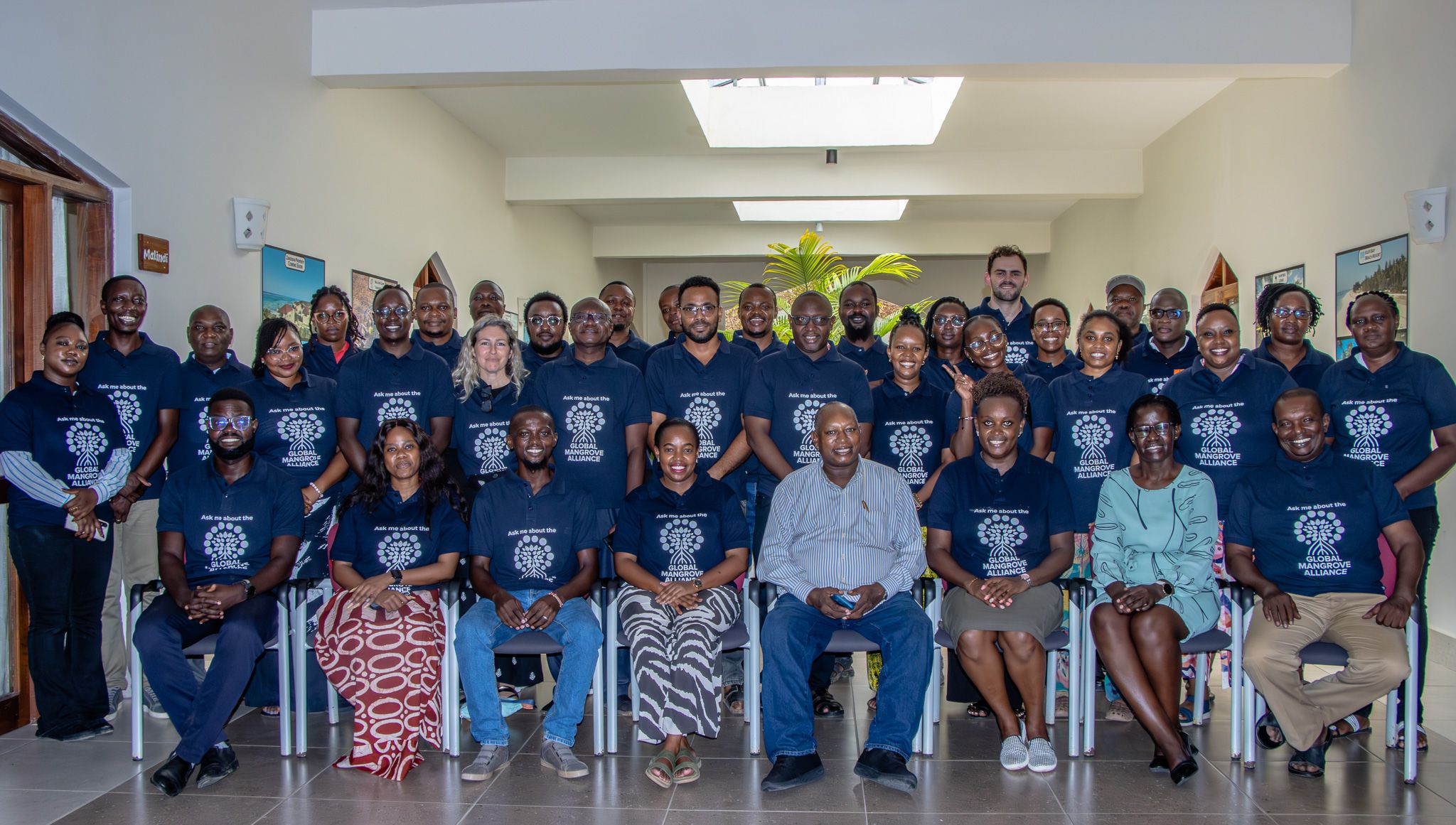
Building a Connected Community for Best-Practice Mangrove Restoration
A core objective of the Mangrove Champions Initiative is the cultivation of a robust, interconnected network of practitioners. This network is envisioned to transcend the limitations of short-term, fragmented, and conventional restoration projects, paving the way for more sustainable and community-centric initiatives. The workshop participants universally acknowledged that each mangrove landscape possesses unique ecological, social, economic, and cultural characteristics. Consequently, successful restoration demands approaches meticulously tailored to these local realities. The consensus was clear: restoration cannot be divorced from the livelihoods, cultural identities, and the governance structures and priorities of local communities.
Central to the initiative’s philosophy is the recognition and unwavering support for local leaders – the designated "Mangrove Champions." These individuals are already at the forefront of driving positive change within their respective landscapes. Their invaluable lived experiences, when synergized with scientific and technical expertise, are deemed essential for designing restoration approaches that are not only effective but also enduring. The challenge, and indeed the significant opportunity, lies in harmonizing these diverse dimensions to create a lasting and impactful legacy.
Elena Roddom from Wetlands International underscored the profound value of the workshop: "This experience was so valuable, all participants were so committed and keen to learn from each other, and people felt very comfortable to share their local experience and expertise. As a result, established mangrove restoration experts, researchers, and government actors learned from young mangrove champions and community leaders who are testing experimental approaches in the field, and vice versa." This reciprocal exchange of knowledge highlights the initiative’s commitment to democratizing expertise and fostering a truly collaborative learning environment.
The Power of Local Knowledge and Scientific Rigor
The initiative acknowledges that while global ambition for mangrove restoration is growing, the most effective solutions often lie within the communities that depend on these ecosystems. Mangrove forests, estimated to cover approximately 152,000 square kilometers globally, provide critical ecosystem services including coastal protection, carbon sequestration, and habitat for diverse marine life. However, these vital ecosystems are under severe threat from deforestation, pollution, and climate change. In Kenya, mangrove forests are vital to coastal communities, supporting fisheries, tourism, and providing natural defenses against erosion and storm surges. Recent assessments indicate a significant decline in mangrove cover in some parts of the Kenyan coastline due to unsustainable development and resource extraction.

The Mangrove Champions Initiative aims to address this by empowering local champions with the tools and knowledge to implement scientifically sound restoration techniques. This includes understanding best practices in nursery establishment, planting methods, site selection, and monitoring. Simultaneously, the initiative provides a platform for these champions to share their on-the-ground insights, which can inform scientific research and adapt global best practices to local contexts. For instance, understanding local tidal patterns, soil conditions, and community resource use is crucial for successful mangrove regeneration.
Mangrove Restoration Expeditions: Bringing Learning to the Field
A cornerstone of the Kenya Mangrove Champions Initiative is the organization of hands-on, locally grounded mangrove restoration expeditions. These immersive field-based learning experiences are designed to bring the classroom directly to active restoration sites. The first expedition is slated to take place imminently in Kwale County, a region known for its critical mangrove ecosystems situated near the bustling port city of Mombasa.
These expeditions will convene Mangrove Champions, technical experts, NGO representatives, and government implementing agencies, including the Kenya Forest Service. The focus will be on collaborative analysis of ecological conditions, evaluation of diverse restoration approaches, and the identification of practical implementation challenges directly within the landscapes where restoration is underway. Participants will engage in robust discussions, analyzing factors such as seedling survival rates, the impact of different planting densities, and the effectiveness of various erosion control measures.
Furthermore, the expeditions will delve into the crucial aspects of working respectfully and effectively with local communities. This includes a deep reflection on local realities, encompassing power dynamics, community priorities, traditional ecological knowledge, and the prevailing governance contexts. A key learning objective is to understand the importance of engaging a broad spectrum of stakeholders, extending beyond formal leadership structures to include women, youth, and marginalized groups who are often directly impacted by mangrove health and restoration efforts.
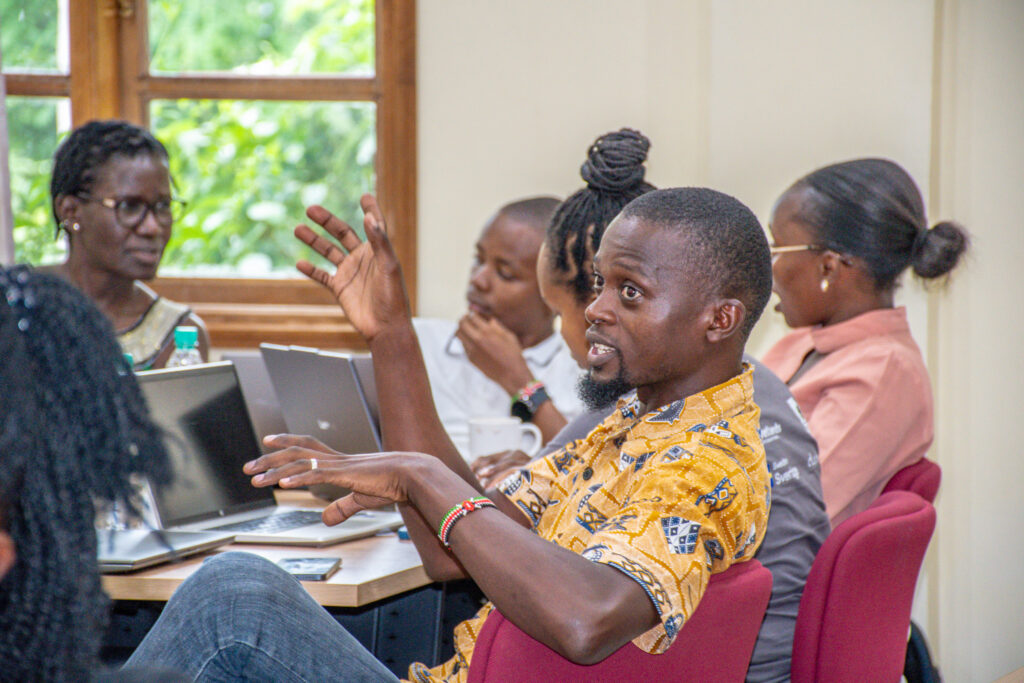
The expeditions are strategically designed to enhance both ongoing and future mangrove restoration projects in Kenya. Beyond knowledge exchange, they aim to foster behavioral change across the restoration sector by elevating the quality of restoration efforts, promoting continuous collaborative learning, and embedding field-informed decision-making into the restoration process. By providing a platform for practical problem-solving and shared learning, these expeditions are expected to significantly contribute to systems-level change, thereby improving the impact of mangrove restoration at scale. The data collected and lessons learned from these expeditions will be meticulously documented and shared across the network, creating a living repository of best practices.
The Start of a Wider, Global Effort
Throughout the workshop, participants consistently emphasized the critical importance of continuous reflection and cross-learning, not only within Kenya but also across projects and international borders. Key questions emerged regarding the methodologies for gathering meaningful data in contexts where baseline information may be scarce. Discussions also centered on how insights gleaned from one expedition could effectively inform another, and how compelling storytelling could contribute to a broader narrative of impact without sacrificing the nuanced realities of local contexts.
The Kenya workshop represents a significant milestone, serving as the foundational step in a broader strategy to scale the Mangrove Champions Initiative to other countries and priority landscapes. The Global Mangrove Alliance, with its extensive international network, is well-positioned to facilitate this expansion. The success of the Kenyan model will provide a blueprint for replicating and adapting the initiative in other regions facing similar challenges and opportunities in mangrove conservation.
Ultimately, the overarching ambition of the Mangrove Champions Initiative is to cultivate a globally connected, yet locally grounded, community of practice. This network will facilitate the seamless flow of restoration knowledge and experience across diverse landscapes. By championing local leadership and experience alongside scientific advancements and global ambition, the initiative aims to shape a more effective, equitable, and sustainable future for mangrove restoration worldwide. The collaborative spirit fostered at this initial workshop in Kenya promises to be a catalyst for significant, positive change in the critical fight to protect and restore these invaluable coastal ecosystems. The data emerging from these initial efforts, particularly concerning the efficacy of community-led interventions and the integration of traditional knowledge, will be crucial for informing future policy and investment in mangrove conservation globally.
