

In the highly competitive world of avian athletics, the margin between a podium finish and a lost bird often rests upon the intricate science of nutrition. For decades, the pigeon racing community has debated the ideal fuel for long-distance "marathon" flights, moving away from traditional grain-heavy diets toward a more sophisticated understanding of bioenergetics. At the center of this nutritional evolution is the peanut, a high-lipid legume that has transitioned from a simple treat to a cornerstone of modern racing strategy. By examining the metabolic requirements of high-performance pigeons and the specific caloric advantages of fats over carbohydrates, fanciers are increasingly adopting "fat-loading" techniques to ensure their birds return home in peak physical condition.
The Biochemistry of Avian Endurance: Glycogen vs. Lipids
To understand the necessity of specialized feeding, one must first analyze the pigeon’s digestive and metabolic pathways. Traditionally, the staple diet of a racing pigeon consists primarily of carbohydrates sourced from maize, wheat, and peas. The avian digestive system converts these complex carbohydrates into animal proteins and glycogen, which are subsequently stored in the liver and muscle tissues.
In the context of a race, glycogen serves as the primary "gasoline" for the bird’s internal engine. The combustion of one gram of glycogen yields approximately 4.1 calories of energy. While efficient for short bursts or middle-distance sprints, glycogen reserves are finite. When a pigeon is forced into a marathon flight—lasting eight, ten, or even fourteen hours—the "glycogen tank" inevitably runs dry.
At this critical juncture, if the bird has not reached its loft, its metabolism shifts into a catabolic state. To survive the flight, the pigeon begins burning its own body proteins, primarily the pectoral muscles used for flight. Because protein carries the same caloric value as glycogen (4.1 calories per gram), the bird effectively consumes itself to stay airborne. This biological desperation results in birds returning to the loft in a state of physical ruin, often described by fanciers as "nothing but feathers and bones."
The Caloric Advantage of Fat-Rich Diets
The shift toward high-fat feeding, particularly the use of peanuts, addresses this metabolic shortfall. Unlike carbohydrates and proteins, fats are highly concentrated energy sources. A single gram of fat provides a pigeon with 9.3 calories—nearly 2.33 times the energy density of carbohydrates.
This energy density is the avian equivalent of high-octane racing fuel. By providing a diet rich in lipids before a race, fanciers allow their birds to utilize fat as a primary energy source, sparing the glycogen for the final "kick" and preventing the catabolism of muscle tissue. Research conducted in the United Kingdom has substantiated this, demonstrating that performance significantly improves when feed is supplemented with high-fat oils, such as 5% corn oil, or oil-rich seeds.
The nutritional profile of common seeds highlights the disparity in fat content:

- Maize: 4% fat
- Rolled Oats: 7% fat
- Sunflower Seeds: 28% fat
- Hempseed: 32% fat
- Linseed: 34% fat
- Rapeseed: 42% fat
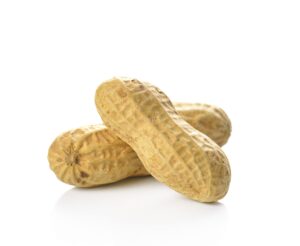
- Peanuts: Approximately 47-50% fat and 30% protein
Given these figures, the peanut emerges as a "superfuel." With a protein content second only to the soybean and a fat content that dwarfs traditional grains, the peanut provides the necessary components for both sustained energy and muscle repair.
Historical Context and the Hamburg Case Study
The use of peanuts in pigeon racing is not a new phenomenon, though its widespread adoption has been gradual. One of the most notable historical anecdotes regarding peanut-exclusive feeding comes from the post-WWII era in Germany. Dr. Meyer, a respected figure in the sport, documented the success of Eduard Pape, a port laborer in Hamburg.
During the post-war recovery, traditional pigeon feed was scarce and expensive. However, Pape had access to surplus peanuts being unloaded for oil mills. He transitioned his flock to a diet consisting almost entirely of peanuts. By carefully managing portions to avoid obesity, Pape achieved extraordinary racing results, particularly in difficult, long-distance events. His success provided early empirical evidence that pigeons could not only survive but thrive on a high-lipid diet, provided the caloric intake was balanced against the energy expenditure of the race.
Implementation: From Breeding to the Racing Loft
Integrating peanuts into a loft’s regime requires a strategic approach, as birds are often hesitant to accept unfamiliar feeds. Experts recommend introducing peanuts during the winter months when the birds are less stressed. Once a pigeon develops a taste for them, the legume often becomes their preferred food, which can be leveraged for behavioral conditioning.
Breeding and Development
The nutritional composition of a peanut remarkably mirrors "crop milk," the substance produced by parents to feed their young. Crop milk is essentially a mixture of fat and protein. Consequently, peanuts are an ideal supplement for nest-raised youngsters. Dr. Meyer’s methodology involves providing 5 to 10 grams of crushed peanut pieces to breeding pairs between the 6th and 12th day of the squabs’ lives. This period is a critical transition from crop milk to solid grain, and the high-energy density of the peanuts supports rapid growth and skeletal development.
Behavioral Training and "Trapping"
Beyond nutrition, peanuts serve as a psychological tool. The high palatability of peanuts makes them the ultimate reward. Smart fanciers utilize peanuts to "tame" their birds, encouraging them to eat directly from the hand. This builds a bond of trust that is invaluable during the racing season. Furthermore, the use of peanuts as a "calling" treat ensures that young birds enter the loft immediately upon returning from a flight—a process known as "trapping"—which can save precious seconds on the race clock.
Strategic Racing Applications: The Widowhood System
In the modern racing environment, the "widowhood" system is the dominant method of motivation. This involves separating cocks and hens to increase their desire to return home. Peanuts play a vital role in this system by increasing the "attraction of the box."
During the week, widowers are given occasional peanuts to maintain their bond with their nesting stall. As the day of basketing approaches, the portion is increased. This is particularly crucial for "poor eaters"—birds that lose their appetite due to the stress of separation. Because 5.7 grams of peanuts provide the energy equivalent of 10 grams of a standard grain mixture, the bird can meet its caloric needs even if it consumes less volume.
Weather-Based Feeding Strategies
Experienced fanciers adjust peanut rations based on meteorological forecasts:
- Headwinds: If the forecast predicts a difficult flight against the wind, birds are given an extra portion of peanuts for several days prior to the race to maximize fat stores.
- Tailwinds: In "fast" races where the wind assists the birds, peanuts are fed sparingly to prevent the birds from becoming too heavy or "over-fueled" for a shorter duration flight.
- Extended Basketing: For races where birds spend two nights in the transport basket, a specific protocol is used. Grains are fed in the morning to provide a base of carbohydrates, while peanuts are offered in the afternoon. This ensures the bird has "eaten for two days," providing a slow-release energy source that will sustain them through the confinement and the subsequent flight.
Management of Racing Hens
The application of high-fat diets is equally effective for racing hens. In many lofts, hens are more reliable and faster than cocks, especially in grueling conditions. However, managing hens requires precision to prevent "lesbian activity" (hens pairing with each other) or unwanted egg-laying.
By utilizing a peanut-heavy diet, fanciers can keep hens in a state of high energy even while maintaining a lower overall body weight. Dr. Meyer notes that increasing peanut rations on the day of basketing ensures that even slightly underweight hens have the stamina to compete in 14-week racing cycles without the hormonal triggers that lead to egg production.
Broader Implications for the Sport
The move toward peanut-based nutrition reflects a broader trend in animal husbandry and sports science: the shift from volume-based feeding to nutrient-density management. As pigeon racing continues to evolve with GPS tracking and advanced aerodynamics, the role of the "fancier-as-nutritionist" becomes paramount.
The implications are clear: birds fed with an understanding of lipid metabolism are more resilient, recover faster, and are less prone to the devastating muscle wasting that characterized the marathon races of the past. While peanuts remain a more expensive commodity than maize or wheat, the reduction in bird loss and the improvement in recovery times offer a significant return on investment.
In conclusion, the peanut is no longer just a treat; it is a sophisticated tool in the fancier’s arsenal. By bridging the gap between avian biology and competitive performance, it has redefined the limits of what a racing pigeon can achieve, ensuring that these "thoroughbreds of the sky" have the fuel necessary to conquer the most challenging winds and distances.
