

The age-old battle for backyard bounty is a familiar narrative for bird enthusiasts. As dedicated individuals invest in feeders and meticulously select nutritious seed mixes, the unintended consequence can be the establishment of an all-you-can-eat buffet for a variety of backyard visitors, ranging from agile squirrels to flocks of larger birds. This influx, while a testament to the appeal of a well-stocked feeder, often tests the patience of the host, leading to frustration and a desire to regain control of their avian dining establishments. Fortunately, a range of innovative and effective solutions exists to help bird lovers coexist with their wild neighbors and ensure that precious birdseed reaches its intended recipients.
The Ubiquitous Squirrel: A Master of Ingenuity
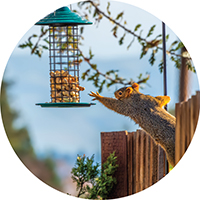
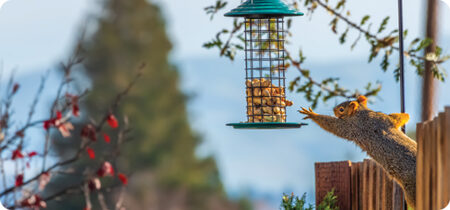
Squirrels, with their boundless energy and remarkable problem-solving skills, are perhaps the most common and persistent "critter" encountered at bird feeders. Their agility allows them to navigate seemingly impossible obstacles, and their insatiable appetite for birdseed can quickly deplete supplies, leading to significant financial expenditure for dedicated feeders. Beyond mere consumption, their determined efforts to access feeders can also result in damage to expensive equipment.
The primary strategy to deter squirrels involves understanding their physical capabilities and implementing barriers that exploit their limitations. For pole-mounted feeders, the installation of a "stovepipe baffle" is a highly effective deterrent. These smooth, wide metal cylinders are designed to be placed on the feeder pole at a height of at least five feet from the ground. Crucially, the entire pole system, including the feeder, should be situated at least ten feet away from any potential launch points such as trees, bushes, fences, or other structures. This separation prevents squirrels from executing leaps onto the feeder or pole. Without a stable surface to grip or push off from, their attempts to ascend are thwarted, effectively transforming any feeder hung on such a pole into a squirrel-proof sanctuary.
For feeders hung from trees or other overhead structures, a different approach is necessary. In these scenarios, a domed squirrel baffle, positioned directly above the feeder, serves as an effective barrier. These domes prevent squirrels from climbing down the hanging chain or wire, much like a predator would be deterred by an overhang. Combining these baffles with feeders that have shorter perches or no perches at all can further discourage larger, more persistent pests, favoring smaller, more agile birds.
Another innovative solution involves retrofitting feeders with exclusion cages. These wire mesh enclosures, available in various sizes and configurations, surround the feeder, allowing smaller birds to pass through while effectively blocking larger, more determined squirrels and larger nuisance birds. This "caged" approach offers a physical barrier that squirrels are unable to penetrate, ensuring that the seed remains accessible only to the intended avian visitors.
Addressing the "Nuisance Bird" Phenomenon
The term "nuisance bird" is subjective and typically refers to species that congregate at feeders in such large numbers that they overwhelm the feeding stations, consume excessive amounts of food, and prevent smaller, preferred species from accessing sustenance. Common culprits often include starlings, grackles, and house sparrows, which can quickly deplete a feeder’s contents.
The key to managing these flocks lies in strategic food selection and feeder design. Certain seeds, such as cracked corn and millet, are highly attractive to many of these larger, less desirable birds. By avoiding these ingredients and opting for alternatives like safflower seed, feeders can become less appealing to these species. Safflower seed, while often overlooked by starlings and grackles, is a favorite among many songbirds, including cardinals and chickadees.

Pure suet cakes, devoid of added fillers or blends, also present a selective feeding opportunity. While starlings may show little interest in plain suet, woodpeckers, nuthatches, and other cavity-nesting birds find it an irresistible and nutritious food source. This targeted offering helps redirect the feeding preferences of the avian population.
Feeder engineering plays a critical role in differentiating between bird sizes. Weight-activated feeders are designed with mechanisms that close off feeding ports when a heavier bird lands on them, allowing only lighter birds to feed. Similarly, feeders equipped with mesh cages or short, or even absent, perches can make it difficult for larger birds to perch and feed, while still accommodating smaller birds with their nimble feet.
A History of Backyard Bird Feeding Challenges
The challenge of sharing bird feeders with non-target species is not a recent phenomenon. As backyard bird feeding gained popularity throughout the 20th century, particularly following post-war suburban expansion and increased leisure time, the inherent conflict between human intentions and wildlife behavior became more apparent. Early approaches often involved simply accepting the losses or attempting less sophisticated deterrents. However, as the hobby matured, so did the understanding of bird behavior and the development of specialized products designed to address these specific issues.
The rise of specialty retailers, such as Wild Birds Unlimited, marked a significant shift in how these challenges were addressed. Moving beyond general pet supply stores, these dedicated establishments began offering expert advice and a curated selection of products specifically designed for bird feeding. This focus on education and specialized solutions empowered backyard bird feeders to move from a reactive approach to a proactive one, enabling them to create more enjoyable and successful feeding environments.
Expert Insights and Community Engagement
For those seeking to implement these critter solutions, consulting with Certified Bird Feeding Specialists® at local Wild Birds Unlimited stores offers invaluable guidance. These experts possess a deep understanding of local wildlife, common feeding challenges, and the most effective products and strategies for a particular region. They can assess individual backyard setups and recommend tailored solutions, ensuring that bird feeders are optimized for attracting desired species while deterring unwanted visitors.
Beyond in-store consultations, educational resources are readily available to further assist bird enthusiasts. Podcasts, such as the "Nature Centered Podcast," frequently feature episodes dedicated to addressing common backyard wildlife challenges, including critter management. Episode 76, titled "Critter Solutions," provides an in-depth exploration of these issues and offers practical advice for homeowners. This commitment to education underscores the broader mission of fostering a harmonious relationship between humans and nature, enabling people to enjoy the wonders of backyard bird feeding without undue frustration.
Broader Implications for Wildlife Management and Conservation
The effective management of backyard bird feeders extends beyond personal enjoyment; it has broader implications for local ecosystems and wildlife conservation efforts. By strategically providing food for desired bird species and deterring others, individuals can contribute to supporting local bird populations, especially during challenging seasons. This can include providing essential nutrition during winter months when natural food sources are scarce, or offering supplementary food for breeding pairs.
Furthermore, understanding and implementing humane deterrents for squirrels and other common mammals contributes to a more balanced urban and suburban ecosystem. Rather than resorting to harmful or ineffective methods, employing thoughtful solutions that respect wildlife while protecting feeders promotes coexistence. This approach aligns with broader conservation goals of maintaining biodiversity and fostering a greater appreciation for the natural world within human-dominated landscapes. The success in managing feeders also often sparks a deeper interest in bird identification, habitat preservation, and other aspects of wildlife stewardship, further contributing to conservation awareness and action.

The ongoing evolution of bird feeder technology, coupled with increasing public awareness and access to expert advice, continues to empower individuals to create thriving backyard sanctuaries. By embracing these innovative "critter solutions," bird lovers can ensure that their feeders become havens for their feathered friends, fostering a deeper connection with nature and contributing to the well-being of local wildlife. The ability to attract a diverse array of birds while effectively managing the presence of squirrels and larger flocks is a testament to the ingenuity and dedication of the backyard bird feeding community.
