

The holiday season frequently arrives with a familiar undercurrent of anxiety, as consumers rush to secure traditional gifts that too often lose their novelty soon after the wrapping is discarded. In response to the growing societal push toward mindful consumption, sustainable gifting, and stress-reduction, specialty retailers are increasingly spotlighting alternative presents that offer enduring value. Among these trends, the backyard bird-feeding hobby has experienced a notable surge, positioning itself as a unique intersection of environmental stewardship, mental wellness, and holiday tradition. Industry experts point to nature-based hobbies as a long-term antidote to commercial burnout, providing recipients with daily engagement with local wildlife that extends far beyond the festive season.
Background and Context of the Backyard Nature Industry
The commercial backyard bird-feeding sector has evolved significantly over the past several decades, transitioning from a niche pastime into a multi-million-dollar industry. Organizations such as Wild Birds Unlimited (WBU), which operates hundreds of franchise locations across the United States and Canada, have charted this growth by emphasizing the scientific and psychological benefits of connecting with local ecosystems.
Environmental psychologists have long studied the restorative effects of nature observation, commonly referred to as attention restoration theory. Engaging with backyard wildlife offers a reliable mechanism for lowering cortisol levels, reducing mental fatigue, and fostering a sense of community with the natural world. During the winter months—a period when natural food sources for resident and migratory birds become scarce—supplemental feeding plays a critical role in supporting local avian populations. Consequently, gifting bird-feeding equipment serves a dual purpose: it supports biodiversity conservation while providing the gift recipient with a continuous source of visual recreation and mindfulness.
Curated Holiday Recommendations for the Nature Enthusiast
To alleviate the pressures of last-minute holiday shopping, retail specialists and ornithological hobbyists have curated specific, high-utility gift packages tailored for both novice and experienced bird watchers. These recommendations focus on durability, aesthetic appeal, and functional versatility to maximize avian attraction during the peak winter feeding window.
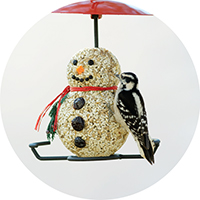
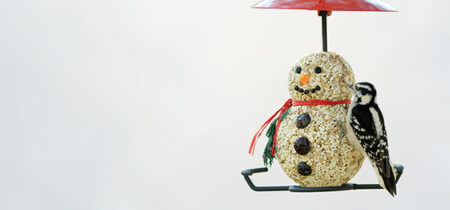
The first major recommendation centers on seasonal novelty paired with high-efficiency nutrition: the themed seed cylinder. Products such as snowman-shaped seed formulations are designed to integrate festive holiday decor directly into the landscape while providing a dense, long-lasting food source. Industry data indicates that compressed seed cylinders reduce waste compared to traditional loose seed mixes, as they discourage foraging by larger, aggressive pest species while accommodating clinging birds such as titmice, chickadees, and woodpeckers. When paired with a specialized, brightly colored cylinder feeder, these items serve as both functional feeding stations and prominent winter garden ornaments.

A second staple for winter gifting is the nutrient-dense proprietary seed cylinder, which typically incorporates high-calorie ingredients such as pecans, sunflower chips, peanuts, safflower, black oil sunflower, and dried cranberries. Nutritional density is particularly vital during the winter months, when birds require high-fat diets to maintain their metabolic rates through freezing temperatures. Providing a scientifically balanced blend ensures that backyards attract a diverse array of species, ranging from northern cardinals to various finch and sparrow varieties.
Finally, hardware versatility remains a primary consideration for gift-givers looking to maximize value. Multi-use cylinder feeders—capable of accommodating everything from suet plugs and fruit to mealworms and various seed blends—represent the cutting edge of modern feeder design. By offering multiple feeding modalities within a single unit, these advanced systems reduce the learning curve for beginner hobbyists and significantly broaden the spectrum of wildlife visiting a single residential property.
Industry Insights and Expert Commentary
Navigating the vast array of available bird-feeding equipment can occasionally overwhelm gift-givers, prompting industry leaders to utilize educational platforms to guide consumer choices. Podcasts and digital seminars produced by nature-education networks have become vital tools for demystifying avian hobbyism. Experts frequently emphasize that successful backyard feeding relies not merely on the equipment deployed, but on understanding local bird behavior, migration patterns, and nutritional requirements.
According to retail franchise representatives, consumer inquiries regarding sustainable and experiential gifts spike predictably between late November and mid-December. Observers note a measurable shift away from single-use plastics and generic manufactured goods toward products that encourage active outdoor participation.
"The modern consumer is increasingly intentional about how they allocate their holiday budget," notes a retail industry analyst specializing in leisure and hobby markets. "Gifts that foster a tangible connection to the environment offer an emotional return on investment that traditional retail goods simply cannot match. When you give someone the means to attract wildlife to their window, you are essentially gifting them hundreds of hours of quiet observation and mental respite."
Economic and Ecological Implications
The growing popularity of backyard bird feeding carries significant positive implications for both local economies and avian conservation efforts. Economically, the expansion of specialty franchise networks supports small-business owners, logistical supply chains, and specialized agricultural producers who harvest native seeds and grains. Furthermore, the commercial success of these operations directly fuels educational outreach programs that teach communities about habitat preservation, native plant gardening, and the hazards posed by window collisions and domestic predators.

Ecologically, widespread backyard feeding provides a vital ecological safety net, particularly in suburban and urban environments where natural foraging grounds have been fragmented by real estate development. Ornithologists point out that while supplemental feeding should not replace natural habitats, it provides critical nutritional support that helps local bird populations survive extreme weather events. Citizen science initiatives—such as Project FeederWatch, coordinated by the Cornell Lab of Ornithology and Birds Canada—rely heavily on data submitted by backyard hobbyists who monitor the species visiting their feeding stations. Consequently, holiday gifts that introduce individuals to bird feeding actively contribute to continental avian research and conservation monitoring.
Future Outlook for the Nature Hobby Sector
As society continues to grapple with high-stress environments and digital fatigue, hobbies rooted in the natural world are projected to maintain their upward trajectory. Retailers anticipate continued innovation in smart-feeding technology, including solar-powered camera feeders that stream real-time avian activity directly to mobile devices, bridging the gap between traditional wildlife observation and modern digital connectivity.
For the upcoming holiday season, the emphasis remains on simplifying the gift selection process while elevating the quality of the recipient’s experience. By choosing items that combine ecological utility with aesthetic charm, gift-givers can bypass the cycle of superficial consumerism. Whether through a festive winter-themed seed cylinder or a versatile multi-port feeding station, the act of giving the gift of backyard birds represents a deliberate investment in patience, education, and the preservation of local wildlife.
