
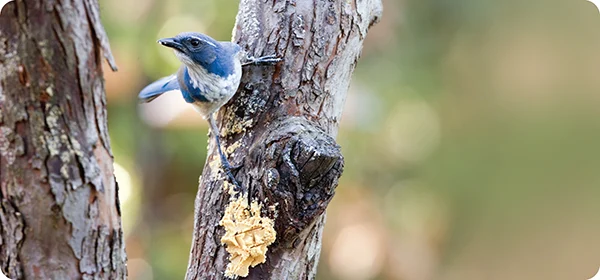
The holiday season traditionally centers on elaborate culinary gatherings, family reunions, and shared moments of relaxation and entertainment. While dining rooms across North America fill with traditional fare such as roasted turkey, stuffing, and seasonal pies, a parallel tradition is gaining significant traction among homeowners and wildlife enthusiasts: extending the holiday feast to backyard wildlife. Ornithologists, wildlife conservation groups, and specialty retailers report an increasing public interest in incorporating backyard bird feeding into holiday routines, transforming static lawns into dynamic ecological habitats. This trend not only provides a unique form of holiday entertainment for families gathered indoors, but it also delivers vital nutritional support to resident and migratory bird populations during the increasingly demanding winter months.
The Evolution of Backyard Bird Feeding as a Holiday Tradition
The practice of feeding backyard birds has evolved significantly over the past century, moving from a sporadic winter hobby to a sophisticated, science-backed component of residential wildlife management. Historically, households occasionally tossed kitchen scraps or breadcrumbs onto snow-covered lawns. Today, backyard bird feeding represents a multi-million-dollar industry focused on avian health, behavioral observation, and conservation biology.
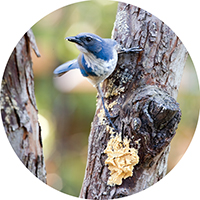
During major holidays like Thanksgiving, when millions of Americans and Canadians gather for multi-course meals, household attention naturally drifts toward the outdoors. Watching the chaotic social dynamics at a backyard feeder—featuring territorial blue jays, agile titmice, and bustling flocks of finches—has become a cherished holiday pastime comparable to watching football or playing board games. Recognizing this intersection of human celebration and wildlife observation, nature educators and retailers are encouraging households to curate special holiday menus for their avian visitors, ensuring that backyard ecosystems receive high-energy provisions just as temperatures begin to plummet.
Crafting the Optimal Avian Holiday Menu
Just as human hosts meticulously plan menus featuring premium ingredients and seasonal delicacies, wildlife experts advocate for a deliberate, highly nutritious approach to winter bird feeding. Standard table scraps, particularly processed foods high in sodium and refined sugars, can be detrimental to wildlife health. Instead, avian nutritionists recommend a foundational menu designed to meet the high caloric demands required by birds to maintain their core body temperatures during freezing weather.
A comprehensive backyard feast begins with high-quality seed blends tailored to regional bird species. Standard mixes typically include white proso millet, black oil sunflower seeds, and cracked corn, which appeal to a wide variety of ground-feeding and perching birds. For specialized visitors, adding high-fat, high-protein supplements is crucial. Suet cakes—rendered animal fat mixed with seeds, nuts, and insects—provide an immediate source of concentrated energy essential for winter survival. Furthermore, offering Nyjer seed (often referred to as thistle) attracts smaller, acrobatic finches, while shelled peanuts and specialized bark-butter products draw woodpeckers, nuthatches, and jays.

According to wildlife feeding specialists, incorporating premium offerings such as specialized winter super-blends ensures that birds receive the exact lipid and protein profiles necessary to endure long winter nights. Alongside these high-energy foods, maintaining a clean, unfrozen water source is considered vital. Access to fresh water for drinking and preening is often more difficult for birds to find in winter than food, making heated birdbaths an invaluable addition to any backyard setup.
Broader Environmental Impacts: Shade-Grown Coffee and Migratory Songbird Conservation
The philosophy of extending holiday hospitality to wildlife extends beyond backyard feeders and touches global agricultural practices. Environmental organizations emphasize that consumer choices made during holiday gatherings can have profound implications for migratory bird species wintering thousands of miles away.
A prominent example of this interconnected ecology is the consumption of coffee. As families indulge in traditional desserts like pumpkin and apple pie, wildlife advocates urge consumers to choose shade-grown, bird-friendly coffee. Traditional, sun-grown coffee farming requires the clearing of native tropical forest canopy, destroying critical habitats and accelerating the decline of North American migratory songbirds. Conversely, shade-grown coffee plantations maintain a diverse upper canopy of native trees that closely mimics natural forest ecosystems.
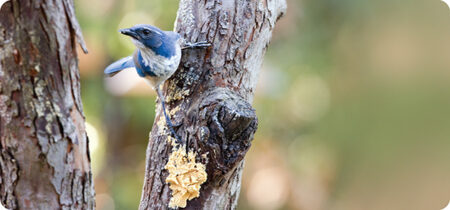
Research conducted by ornithological institutions indicates that these forested coffee farms provide essential wintering habitats for more than 42 species of North American migratory songbirds, including various warblers, thrushes, and tanagers. By opting for certified bird-friendly coffee, holiday hosts directly support sustainable agricultural models that prevent deforestation in Central and South America, thereby safeguarding vulnerable bird populations throughout their annual life cycle.
Integrating Conservation into Daily Life: Seven Simple Actions
To maximize the positive impact of human settlements on avian biodiversity, leading conservation organizations—including the Cornell Lab of Ornithology—advocate for holistic environmental stewardship that reaches far beyond seasonal feeding. Urbanization, habitat fragmentation, and climate change pose continuous threats to global bird populations, with scientific studies indicating a net loss of billions of breeding birds across North America over the past several decades.
To combat these trends, wildlife experts promote seven foundational, science-based actions that property owners can implement:

- Provide Safe Habitats: Installing bird feeders, nest boxes, and native vegetation creates micro-habitats that supply food, shelter, and breeding grounds in heavily developed areas.
- Prevent Window Collisions: Millions of birds die annually from striking clear or reflective glass. Applying decals, exterior screens, or specialized films to windows significantly reduces mortality rates.
- Keep Cats Indoors: Domestic and feral cats are responsible for the predation of billions of birds each year. Keeping cats safely indoors protects local wildlife populations.
- Eliminate Pesticide Use: Reducing or entirely eliminating chemical insecticides and herbicides preserves natural food webs, ensuring birds have access to uncontaminated insects and seeds.
- Plant Native Vegetation: Native plants support specialized local insect populations, which serve as the primary protein source for nesting songbirds and their hatchlings.
- Drink Bird-Friendly Coffee: Supporting shade-grown coffee initiatives preserves vital tropical wintering grounds for long-distance migratory species.
- Contribute to Citizen Science: Participating in community-based monitoring programs, such as the Great Backyard Bird Count or Project FeederWatch, provides researchers with essential data required to track population trends and deploy targeted conservation strategies.
Expert Perspectives and Industry Insights
Industry leaders and naturalists maintain that the growing intersection between holiday traditions and backyard conservation reflects a broader cultural shift toward environmental mindfulness. Podcast hosts and nature educators note an unprecedented surge in public curiosity regarding local wildlife behavior, species identification, and habitat enhancement.
According to observations shared by wildlife naturalists, engaging children and family members in the daily maintenance of backyard feeders fosters a lifelong appreciation for ecology and animal behavior. By turning routine outdoor observations into interactive family events during holiday gatherings, households cultivate a deeper sense of responsibility toward local ecosystems. Experts emphasize that observing the intricate social hierarchies, plumage variations, and resilience of backyard birds offers a grounding, educational counterbalance to the commercialism often associated with modern holidays.
Ultimately, combining personal holiday celebrations with active wildlife conservation demonstrates a harmonious approach to modern living. Whether by meticulously cleaning backyard feeding stations, investing in nutrient-rich seed blends, or making conscious grocery purchases that protect tropical canopies, individuals possess the capacity to positively influence avian survival on both local and international scales. As communities continue to embrace these practices, the backyard transforms from a passive patch of grass into a vital sanctuary, proving that human celebration and environmental stewardship can successfully coexist.
