

The Energetic Demands of Avian Performance
At the physiological core of the racing pigeon lies a biological engine fueled primarily by carbohydrates. Under standard training conditions, the pigeon’s digestive system processes maize, wheat, and peas, converting these complex carbohydrates into animal proteins and glycogen. This glycogen is subsequently stored within the liver and muscles, serving as the immediate fuel source for the bird during flight.
The metabolic process is analogous to internal combustion: one gram of glycogen provides approximately 4.1 calories of energy. When the pigeon exhausts its glycogen reserves—a common occurrence during long-distance or marathon races—the body initiates a catabolic process, breaking down muscle tissue to extract energy. This secondary fuel source also yields 4.1 calories per gram. However, relying on muscle mass for energy is inherently detrimental; it leads to significant weight loss, lethargy, and, in severe cases, the physiological collapse of the bird. The objective for the elite fancier is to prevent this muscle degradation by providing an alternative, more efficient energy substrate: dietary fat.
The Role of High-Energy Lipids
Unlike carbohydrates and proteins, dietary fats serve as a high-density energy source. A single gram of fat provides 9.3 calories, representing a 2.33-fold increase in energy density compared to carbohydrates. By supplementing a pigeon’s diet with high-fat content feeds, the bird can sustain flight over greater distances without relying on its own muscle tissue.
The strategic implementation of high-fat seeds—such as sunflower seeds (28% fat), linseed (34%), hempseed (32%), and rapeseed (42%)—has become a standard practice among top-tier competitors. Research conducted in the United Kingdom has underscored the efficacy of this approach, specifically demonstrating that diets enriched with a 5% corn oil inclusion can markedly improve endurance and recovery times.
The Strategic Value of the Peanut
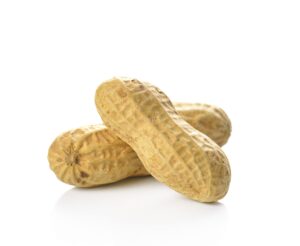
Among the various high-fat supplements, the peanut stands as the gold standard in the racing pigeon industry. With an energy value where 5.7 grams of peanuts equate to 10 grams of standard feed mixture, the caloric density is unmatched. Beyond its energy profile, the peanut is rich in protein—approximately 30%—surpassed only by the soybean in plant-based protein content. This composition makes it uniquely suited for the developmental needs of nest-raised young, as its nutritional profile closely mirrors that of crop milk.

The adoption of peanuts requires careful management. Fanciers often introduce them during the winter months to allow the birds to acclimate to the texture and taste. Because peanuts are highly palatable, they also serve as an effective tool for loft management. By conditioning pigeons to associate the presence of a handler with the distribution of peanuts, fanciers can significantly improve the birds’ responsiveness and "trap" time—the speed at which a bird enters the loft upon returning from a race.
Best Practices in Nutritional Distribution
The application of high-energy feeds requires a nuanced, individual approach. Dr. Meyer, a noted practitioner in the field, emphasizes the importance of breaking peanuts into smaller fragments to ensure equitable distribution among the flock. Whole peanuts often lead to a hierarchy where the most aggressive birds consume the majority of the supply, leaving the more reserved, yet potentially faster, racers at a disadvantage.
For breeding pairs, the transition from mush to solid feed—typically between the 6th and 12th day of life—is a critical window. Providing 5 to 10 grams of peanut fragments during this phase has been shown to assist parents in maintaining their body condition while facilitating the weaning process for the young.
Seasonal and Tactical Considerations
The strategic use of high-energy feeds shifts according to the racing calendar and environmental variables. During the height of the racing season, the peanut serves as a psychological and physical anchor for the widower pigeon. By offering these treats within the nest box, the fancier strengthens the bird’s territorial attachment, ensuring a rapid return to the box upon landing.
Tactical adjustments are also necessary based on meteorological forecasts. In anticipation of head-wind conditions—which significantly increase the energy expenditure of the flight—fanciers often increase the portion of peanuts provided. Conversely, when tail-wind conditions are expected, the supplemental intake is adjusted downward to prevent unnecessary weight gain. For long-distance races requiring multiple nights in the basket, the standard protocol involves providing a carbohydrate-heavy diet in the morning, followed by a high-fat peanut ration in the afternoon. This ensures that the birds are well-hydrated and have a sustained energy supply for the duration of the journey.
Comparative Analysis: The Evolution of Racing Nutrition
The shift toward fat-based supplementation represents a broader trend in avian sports medicine. Historically, pigeon racing nutrition was limited to basic grain mixtures. Today, the focus has shifted toward "fuel efficiency." When comparing the metabolic requirements of a marathon-racing pigeon to a Formula-1 vehicle, the logic remains consistent: the quality of the fuel determines the performance ceiling.
A retrospective analysis of historical practices, such as those of Eduard Pape, reveals that even in the post-war era, the understanding of peanut-based nutrition yielded superior results in difficult conditions. While the cost of high-quality peanuts is higher than traditional grains, the cost-benefit analysis suggests that the investment is offset by reduced recovery times and a lower incidence of physical exhaustion in the birds.
Implications for Future Competitive Standards
The integration of high-fat feeding strategies is not merely a preference but a requirement for those competing at the highest levels of the sport. The implications for the industry are twofold:
- Enhanced Animal Welfare: By preventing the catabolism of muscle tissue during long flights, fanciers are directly improving the welfare and longevity of their birds.
- Standardization of Performance: As the science of avian nutrition becomes more accessible, the gap between the average enthusiast and the professional fancier is likely to narrow, leading to more competitive, high-stakes events.
However, the risk of over-supplementation remains. Fanciers are cautioned to monitor the weight and body condition of their birds continuously. The goal is to provide enough fat to sustain peak performance without inducing obesity, which would inherently compromise the bird’s aerodynamics and overall racing speed.
Conclusion
The effective management of a racing pigeon’s diet is a sophisticated balance of timing, energy density, and individual bird psychology. By transitioning from a carbohydrate-reliant diet to one that leverages the superior energy density of fats—specifically through the use of peanuts and oil-rich seeds—fanciers can ensure their birds possess the physiological tools required for success. As competitive pressures in marathon racing continue to mount, the ability to fine-tune these nutritional strategies will remain the defining factor for those seeking to reach the winner’s circle. Through rigorous observation, careful rationing, and a deep understanding of the bird’s metabolic needs, the modern fancier can ensure their team is prepared for the most challenging aerial conditions.
