
The Red River Gorge, a sprawling canyon system carved by the Red River through the sandstone of the Cumberland Plateau in Kentucky, has long served as a focal point for national debates regarding land use, ecological preservation, and the definition of public interest. In the late 1960s and early 1970s, the region became the epicenter of a landmark environmental struggle when the U.S. Army Corps of Engineers proposed the construction of a high-dam project. This initiative, intended to provide flood control and economic development, ignited a fierce conflict that pitted local landowners and federal agencies against a growing coalition of conservationists, poets, and scientists. The ensuing debate effectively transformed the American conservation movement, shifting the focus from merely preserving “scenic” landmarks to understanding the complex, interconnected health of entire watersheds.
Chronology of the Conflict
The history of the Red River Gorge conflict is deeply rooted in the broader American desire to tame untamed landscapes. The U.S. Army Corps of Engineers first gained authorization for the Red River dam project under the Flood Control Act of 1962. The plan called for a 115-foot-high dam that would have flooded approximately 1,600 acres of the gorge, including irreplaceable archaeological sites and unique geological formations.
- 1962: Congress authorizes the Red River Reservoir project as part of a national flood control initiative.
- 1967: Growing local opposition, supported by the Sierra Club and local activists, begins to gain national attention.
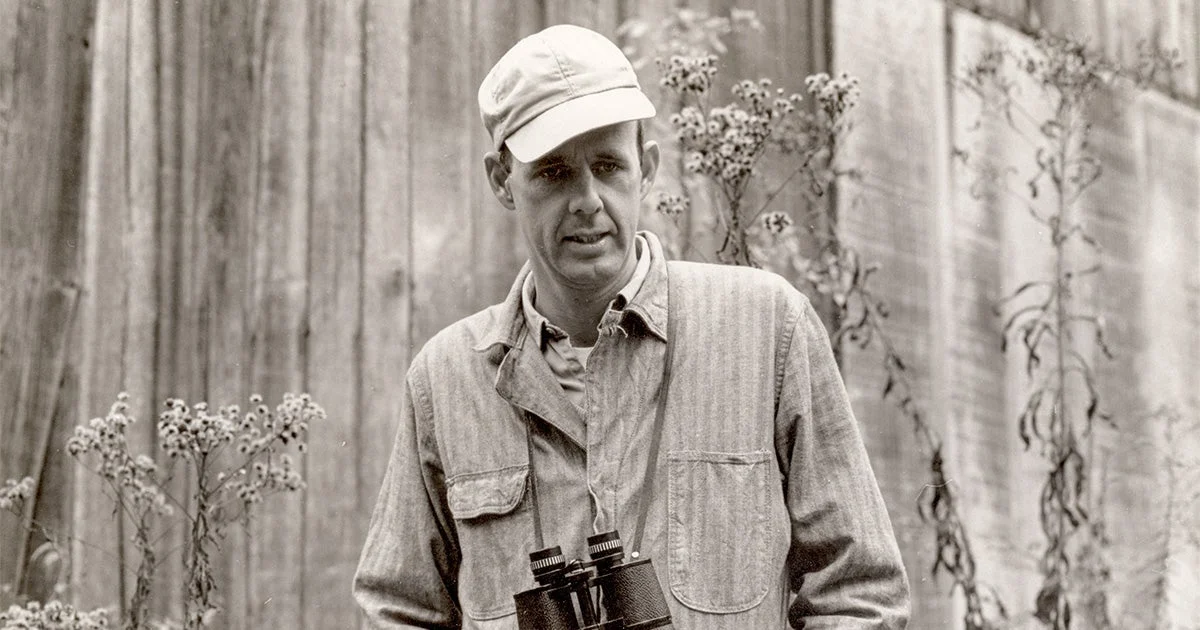
- 1971: Wendell Berry publishes his seminal essay, “The Unforeseen Wilderness,” in Audubon magazine, articulating a philosophical argument against the utilitarian view of the environment.
- 1975: After years of litigation and public outcry, the project is officially deauthorized by the U.S. Army Corps of Engineers, citing environmental concerns and a lack of economic viability.
- 1976: The Red River Gorge is designated a National Natural Landmark, solidifying its status as a protected ecological treasure.
Data and Environmental Implications
The primary justification provided by the Corps of Engineers for the dam was the mitigation of downstream flooding. However, subsequent ecological analyses revealed that the proposed dam would have failed to address the systemic causes of flooding. Data from the era indicated that upstream deforestation, overgrazing, and poor agricultural practices on the narrow ridges draining into the Red River were the true drivers of increased runoff.
By removing the protective vegetative canopy on the steep slopes surrounding the river, agricultural activities had significantly increased the siltation rate of the stream. Scientific surveys conducted during the peak of the debate noted that in many stretches, the riverbed was composed of deep, suffocating mud rather than the rocky, gravelly substrate required for healthy aquatic life. The proposed dam, therefore, was viewed by critics as a “band-aid” solution that would have likely accelerated the creation of an stagnant, sediment-filled reservoir rather than providing functional flood control.
Furthermore, economic studies commissioned by opponents challenged the “cost-benefit” analysis used by the government. The proponents of the dam argued that the reservoir would provide a “recreational bonanza.” Critics countered that the short-term profits of temporary construction jobs and tourism infrastructure would be dwarfed by the permanent loss of agricultural productivity, timber resources, and the unique biological diversity of the gorge.
Perspectives from Stakeholders
The conflict was characterized by a fundamental disconnect between different groups’ visions of the land. The Army Corps of Engineers and local developers operated under the administrative assumption that the landscape was a series of variables to be optimized for human utility. Their approach relied on standardized engineering models that often ignored the specific topography and ecological requirements of the Appalachian environment.
Conversely, the conservationist movement, represented by figures like Wendell Berry and regional advocacy groups, argued that the “public interest” was not being served by the destruction of the land. They asserted that the true value of the gorge was not found in its potential for “recreation” or “flood control,” but in its long-term ecological health and its capacity to sustain life for future generations. This perspective emphasized the necessity of a “land ethic,” a concept later popularized by Aldo Leopold, which suggests that human action should be judged by its ability to preserve the integrity, stability, and beauty of the biotic community.
The Broader Impact on Conservation
The successful campaign to protect the Red River Gorge serves as a blueprint for modern environmental advocacy. It demonstrated that technical, government-led infrastructure projects could be defeated when confronted with a combination of rigorous scientific data and a powerful, localized cultural argument. The victory also signaled a pivot in the conservation movement, which began to move away from the exclusive protection of “monumental” scenery and toward a more comprehensive view of landscape health.
Following the victory, the discourse around “scenery” shifted. Critics within the movement began to argue that treating nature as a commodity to be consumed by tourists—who often sought only “neatly packaged” views from the comfort of their vehicles—was nearly as damaging as industrial exploitation. The focus turned toward the importance of “place-based” knowledge, where citizens were encouraged to learn the specific history, biology, and agricultural needs of the land they inhabited.
Modern Lessons and Legacy
Today, the Red River Gorge remains a vital, heavily visited wilderness area, yet it continues to face challenges related to high traffic and the pressures of modern tourism. The lessons learned in the 1970s remain relevant: the tension between economic growth and environmental stewardship persists, particularly as climate change alters regional flood patterns.
The argument that a landscape is “borrowed from our children” has become a cornerstone of contemporary sustainable development policy. The case of the Red River Gorge serves as a reminder that the health of a watershed is directly tied to the ethical, moral, and economic choices made by those who live upon the land. As the United States continues to grapple with infrastructure development and the protection of natural resources, the historical record of the Gorge underscores that effective conservation requires more than just political lobbying; it requires a fundamental shift in how society assigns value to the natural world.
The legacy of the battle for the Red River Gorge is not merely the absence of a dam, but the enduring presence of a landscape that was saved by a public that learned to see beyond the surface. By rejecting the “easy answers” of the mid-20th century, the advocates of that era helped establish a precedent that the preservation of natural systems is an essential component of the common good. As climate, economic, and social pressures mount in the 21st century, the ability of citizens to recognize the long-term, non-monetary value of their environment remains the most significant safeguard against the repetition of past mistakes.
