

Jakarta, Indonesia – A profound and escalating environmental threat looms over Southeast Asia as a convergence of severe meteorological indicators, prolonged climate anomalies, and historical ecological degradation threatens to ignite a catastrophic series of peatland fires. Released on July 28, 2026, a comprehensive new white paper by Wetlands International issues a rigorous, urgent appeal for immediate, large-scale preventative measures to avert a repeat of the devastating blazes and toxic transboundary haze crises that have historically plagued Indonesia and its neighbors.
The publication of this policy document arrives at a critical juncture. As global temperatures continue to shatter historical records and climate patterns intensify, Indonesia stands at the frontline of a compounding environmental vulnerability. The nation safeguards approximately 13.4 million hectares of tropical peatlands—representing one of the most substantial carbon repositories and wetland ecosystems on the planet. However, decades of intensive anthropogenic alteration, including extensive drainage initiatives for agricultural conversion, logging, and commercial plantation expansion, have left between four and six million hectares of these critical ecosystems severely degraded, dry, and hyper-flammable.
The intersection of a strengthening El Niño climate phenomenon, elevated surface temperatures, and parched peat beds creates a volatile meteorological recipe. Without immediate, coordinated intervention by governmental bodies, commercial landholders, local communities, and international stakeholders, the upcoming dry season could trigger uncontrolled, deep-seated peat fires capable of releasing gigatons of trapped greenhouse gases, devastating regional public health, and destabilizing local economies.
The Science of Peat: Why Subsurface Fires Defy Standard Containment
To comprehend the magnitude of the looming crisis, policymakers and environmental scientists emphasize the fundamental divergence between conventional forest fires and peatland blazes. Unlike surface-level timber fires that consume canopy foliage and underbrush, peat fires burn beneath the surface in layers of accumulated, partially decayed organic matter.
These underground fires can smolder undetected for weeks, months, or even through changing seasonal cycles. Fueled by dry organic matter and oxygen filtering through porous, drained soils, peat fires are notoriously difficult to extinguish. Standard firefighting techniques, such as aerial water drops or surface dousing, often prove ineffective because water fails to penetrate the dense, hydrophobic layers of dry peat where the fire burns underground. Only complete hydrological restoration—raising the water table to saturate the peat profile—can definitively halt the subterranean combustion.
In their pristine, waterlogged state, tropical peatlands are naturally fire-resistant. The high moisture content prevents ignition even during prolonged dry spells. However, when canals are dug to drain these wetlands for palm oil, pulpwood, or agricultural cultivation, the water table drops, exposing the carbon-rich soil to air. As the peat dries, it oxidizes, shrinks, and transforms into a combustible fuel source that resembles coal more than ordinary soil.
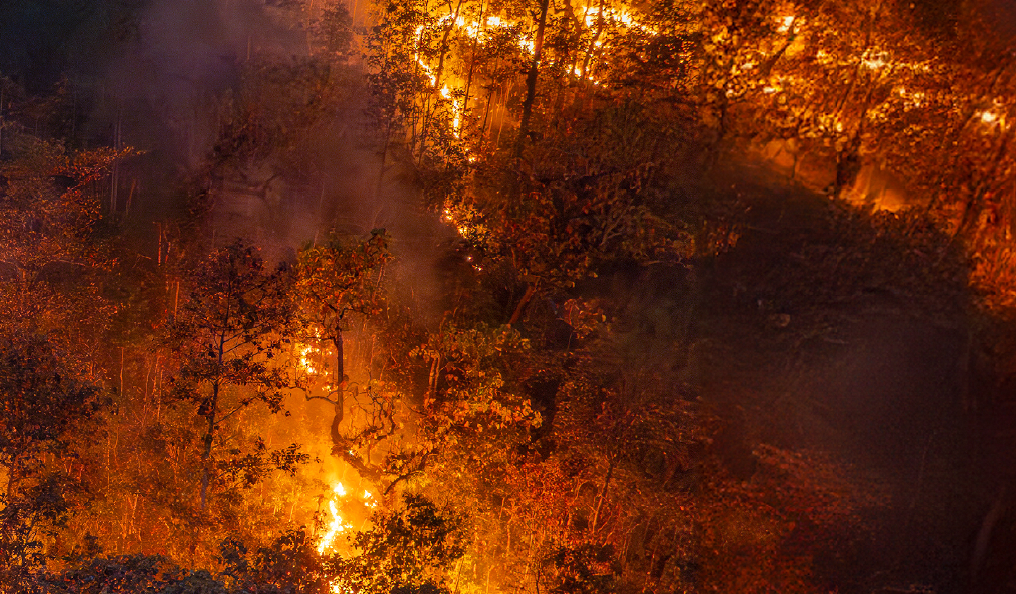
Historical Precedent: Learning the Hard Lessons of 1997–1998 and 2015
The warnings issued by Wetlands International are deeply rooted in historical catastrophe. The white paper explicitly recalls the harrowing ecological and humanitarian disaster of the 1997–1998 El Niño event. During that period, an estimated 9 to 10 million hectares of land burned across Indonesia. The resulting dense, acrid smoke haze blanketed large swaths of Southeast Asia, severely impacting Singapore, Malaysia, Brunei, Thailand, and the Philippines.
The socio-economic and public health tolls of the 1997–98 crisis were staggering. More than 200 million people were exposed to hazardous levels of air pollution, resulting in a dramatic spike in acute respiratory infections, cardiovascular emergencies, and premature mortality. Schools and businesses were forced to close, international aviation was severely disrupted due to zero-visibility conditions, and regional tourism plummeted. Furthermore, the fires released an estimated 0.8 to 2.5 gigatons of carbon into the atmosphere—equivalent to a significant fraction of global annual fossil fuel emissions at the time—shattering Indonesia’s carbon budget and accelerating global warming.
A subsequent major crisis occurred in 2015, when prolonged drought driven by a strong El Niño sparked widespread peat fires that burned 2.6 million hectares of land in Indonesia. The World Bank estimated the economic cost of the 2015 disaster at $16.1 billion, equivalent to 1.9 percent of Indonesia’s Gross Domestic Product (GDP). That crisis prompted a sweeping national policy shift, leading to the establishment of the Peatland and Mangrove Restoration Agency (BRGM) and stricter regulatory frameworks prohibiting the drainage of untouched peat domes.
Despite these progressive governance measures, the white paper cautions that recent budgetary constraints, enforcement gaps, and the intensifying baseline of global climate change have left structural vulnerabilities exposed.
Key Risk Factors Highlighted in the White Paper
The Wetlands International assessment details several compounding risk factors that elevate the probability of an acute fire season in the months ahead:
- Meteorological Intensification: The recurrence and strengthening of El Niño weather patterns historically correlate with delayed monsoonal rains, prolonged dry seasons, and significantly reduced precipitation across maritime Southeast Asia.
- Persistent Drainage Legacies: Millions of hectares of peatlands remain interlaced with abandoned or poorly managed drainage canals constructed decades ago. These artificial waterways continue to bleed moisture out of the peat domes, leaving vast tracts desiccated.
- Elongated Fire Windows: Rising baseline temperatures combined with erratic rainfall distributions have shortened the safe window for controlled agricultural burning and lengthened the seasonal window during which accidental sparks can escalate into runaway conflagrations.
- Socio-Economic Pressures: Smallholder farmers and rural communities, often facing economic hardships, frequently rely on traditional slash-and-burn clearing techniques. Without adequate technical support, extension services, and fire-free land-clearing incentives, accidental agricultural fires frequently breach containment boundaries.
A Call to Action: Prevention Over Suppression
Despite the gravity of the diagnostic findings, Wetlands International emphasizes that a catastrophic fire season is not a foregone conclusion. The white paper insists that a narrow, highly actionable window remains open for governments, corporations, civil society organizations, and international donors to execute preemptive mitigation strategies.
The organization outlines an immediate-action agenda focusing on pre-dry-season preparedness:

- Hydrological Restoration: Mobilizing labor and financial resources to repair, block, and manage canal dams and rewetting infrastructure designed to raise water tables in vulnerable peat concessions.
- Early Warning and Rapid Response: Strengthening community-based fire brigades, enhancing satellite-based hotspot monitoring systems, and prepositioning firefighting equipment in high-risk districts.
- Multi-Stakeholder Accountability: Enforcing compliance among commercial concession holders—particularly palm oil and pulpwood enterprises—mandating strict fire-prevention protocols, and holding corporations liable for fires originating on their leaseholds.
- Community Empowerment: Expanding financial and technical support for rural communities to adopt alternative, fire-free land preparation methods, thereby addressing the socio-economic root causes of agricultural burning.
Investing in Long-Term Resilience and Paludiculture
Beyond immediate emergency preparedness, the white paper argues for a paradigm shift in how Indonesia and the international community value and manage peatland ecosystems. Rather than viewing wetlands as unproductive swampland awaiting conversion, the report calls for integrated policies that recognize healthy peatlands as indispensable infrastructure for climate adaptation, water security, and biodiversity conservation.
A cornerstone of this long-term vision is the promotion of "paludiculture"—the sustainable cultivation of wet peatlands without draining the soil. By introducing native wetland-adapted crops such as sago, jelutong, swamp-tolerant fruit trees, and medicinal plants, local communities can generate sustainable, climate-resilient livelihoods while maintaining the high water tables essential for ecosystem integrity.
Furthermore, the document urges international climate finance mechanisms and carbon market actors to direct substantial investments toward tropical peatland restoration. Preventing carbon emissions through peat conservation is universally recognized by climate scientists as one of the most cost-effective nature-based solutions available for mitigating global temperature rise.
Broader Implications and Global Significance
The implications of Indonesia’s peatland management extend far beyond national borders. As a globally significant carbon sink, the stability of Indonesia’s tropical peatlands directly influences global climate trajectories. Unchecked peat fires release legacy carbon accumulated over millennia, turning a critical carbon sink into a massive carbon source in a matter of weeks.
Economically and diplomatically, effective peatland fire prevention safeguards regional stability. Transboundary haze crises have historically strained diplomatic relations within the Association of Southeast Asian Nations (ASEAN). Proactive cooperation on haze mitigation, technical knowledge sharing, and regional monitoring under the ASEAN Agreement on Transboundary Haze Pollution remain essential diplomatic frameworks that require renewed political will and financial backing.
As global climate change continues to drive meteorological extremes, the lessons emanating from Indonesia’s peatlands offer a universal blueprint. Investing in the ecological health of landscapes is fundamentally more cost-effective, humane, and sustainable than managing the catastrophic fallout of environmental disasters after they occur.
Wetlands International concludes its white paper with a sobering reminder: the time for deliberation has expired. Protecting and restoring Indonesia’s peatlands today is an imperative investment in human health, economic stability, biodiversity preservation, and planetary survival.
