
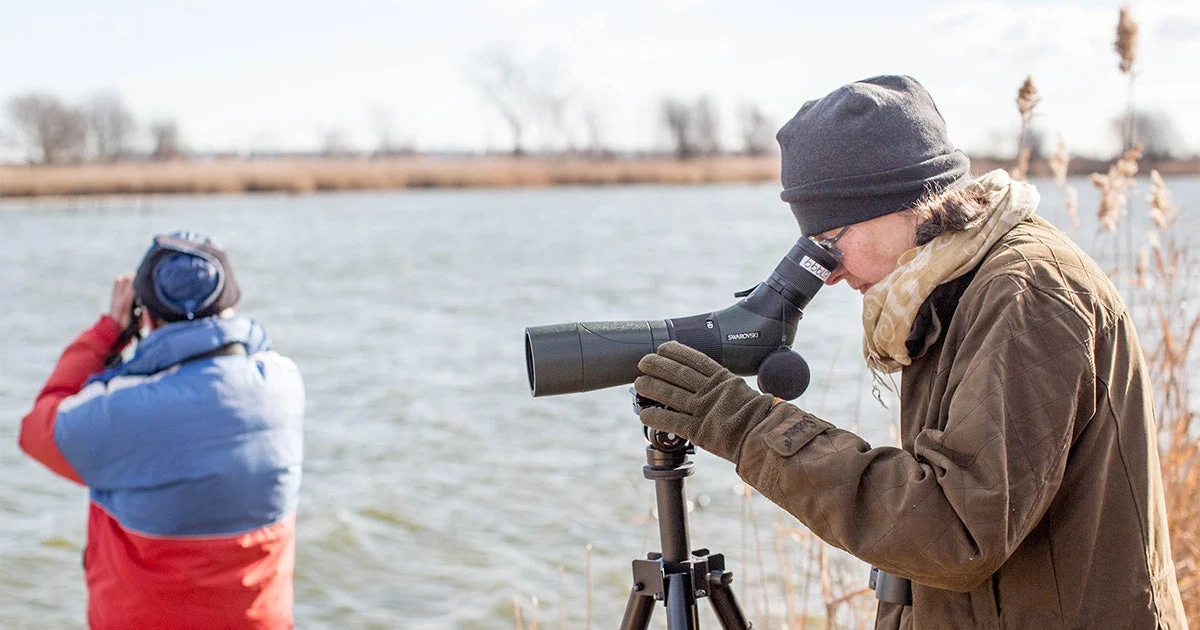
The question of whether human attire influences avian behavior is a subject of ongoing debate among ornithologists, wildlife photographers, and dedicated birders. For decades, the conventional wisdom within the birding community has suggested that dressing in muted, earth-toned clothing is a prerequisite for successful wildlife observation. However, as scientific inquiry into avian vision and flight initiation distance (FID) matures, the nuance behind this practice has become increasingly complex. Kenn Kaufman, a preeminent authority on North American birds and field editor for Audubon, suggests that while the evidence is not absolute, there is a measurable correlation between human appearance and avian reaction in undisturbed wilderness environments.
The Science of Avian Perception and Color Sensitivity
To understand why a bird might react differently to an observer in a neon orange jacket compared to one in olive drab, one must first consider the physiological differences between human and avian vision. Humans are trichromatic, possessing three types of color-receptive cones in the retina, typically sensitive to red, green, and blue. Birds, conversely, are tetrachromatic. They possess a fourth cone type that allows them to perceive ultraviolet (UV) light, a spectrum entirely invisible to the human eye.
This biological reality introduces a significant variable into the "camouflage" debate. Clothing that appears dull or neutral to a human observer may, under the scrutiny of an avian eye, possess high reflectivity in the ultraviolet range. Modern laundry detergents, which frequently utilize optical brighteners to make fabrics appear "whiter" or "brighter" to human consumers, often exacerbate this issue. These chemical additives reflect UV light, effectively causing the fabric to glow like a beacon to birds. Consequently, a birder wearing a clean, white, or light-colored shirt may be far more conspicuous to a bird than they are to their human companions.
Chronology of Research and Field Observations
The academic interest in how human presence—and specifically human visual signals—impacts wildlife has evolved significantly over the last two decades. Early observations were largely anecdotal, documented primarily by researchers in the field.
In the early 2000s, hummingbird researcher Sheri Williamson observed a distinct behavioral shift in a nesting pair of Eared Quetzals in an Arizona canyon. The birds exhibited signs of agitation and distress whenever observers wearing bright white clothing approached the nesting site. This observation served as a catalyst for further questioning regarding whether color-specific stressors could impact reproductive success or foraging behavior.
By the 2010s, formal studies began to quantify these anecdotal accounts. A notable study conducted in a rural area of China, published in later scientific literature, utilized controlled tests to measure the flight initiation distance (FID) of birds. The results indicated that birds flushed significantly earlier when approached by individuals wearing red compared to those wearing black, white, or green.
Further evidence emerged in 2024, when research conducted on forest songbirds in Thailand demonstrated a clear preference for proximity to observers dressed in camouflage-patterned clothing. The birds in this study were significantly more tolerant of individuals in camouflage than those wearing high-contrast black or orange attire, suggesting that pattern disruption plays a role in reducing the perceived threat level to the animal.
The Paradox of Habituation
While the evidence suggests that clothing color matters in remote, pristine habitats, researchers also acknowledge a "habituation paradox." In environments where human presence is constant and predictable—such as municipal parks, coastal fishing piers, and the boardwalks of popular national wildlife refuges—the impact of clothing color appears to be negligible.
In these high-traffic areas, birds undergo a process of habituation, learning that human presence does not necessarily equate to a predatory threat. In such settings, birds often demonstrate an indifference to the color or pattern of a visitor’s clothing. This observation has led experts like Kaufman to suggest that the "dress code" for birding is situational. For beginners or those conducting field trips in urban environments, the focus should remain on identification and enjoyment rather than the technicalities of concealment. However, for the serious researcher or the dedicated enthusiast pursuing elusive species in the backcountry, the strategy of blending into the environment remains a recommended practice.
Global Implications and Legal Constraints
The recommendation to utilize camouflage gear is not universally applicable and, in some instances, may present legal complications. For birders who travel internationally, it is essential to be aware of local statutes. In several nations, the civilian use of camouflage clothing is strictly prohibited or regulated to prevent confusion with military personnel or law enforcement. Travelers who ignore these local laws risk detention or confiscation of equipment.
Furthermore, there is the vital issue of safety. In North America, the autumn months coincide with various hunting seasons. In these contexts, the safety benefits of high-visibility, "blaze orange" clothing far outweigh the marginal advantage of camouflage. When traversing woods or public lands where hunting is permitted, the priority must shift from wildlife concealment to personal visibility to prevent accidental injury.
Practical Recommendations for the Field
Based on the synthesis of field data and expert opinion, the following guidelines are proposed for those looking to optimize their birding experience:
- Prioritize Muted Colors: In wild, remote habitats, opt for colors that minimize contrast with the natural background, such as dark greens, browns, and grays.
- Mitigate UV Reflectivity: When purchasing field gear, consider items that are specifically treated to be UV-neutral or that avoid heavy use of optical brighteners in the manufacturing process.
- Assess the Environment: Distinguish between "wild" birding and "habituated" birding. If you are in a crowded park, focus on movement and noise reduction rather than color.
- Prioritize Safety: Always research local hunting seasons and regional laws regarding military-style clothing before heading into the field.
- Minimize Movement: Regardless of color, the most common trigger for a bird’s flight response is abrupt or rhythmic movement. Combining muted colors with slow, deliberate motion is the most effective strategy for close-range observation.
Conclusion: The Balance of Observation
The evidence gathered by researchers like Kaufman and his contemporaries suggests that while we cannot become truly invisible to birds, we can significantly alter our "threat profile." By understanding the spectrum of avian vision and the behavioral triggers that cause birds to flush, observers can improve their chances of witnessing natural behaviors.
Ultimately, birding remains a practice of patience. While the gear we wear—from the color of our vests to the silence of our movements—plays a contributing role, the most successful birding outcomes continue to be the result of deep observation and a profound respect for the habitats in which these creatures live. As the scientific community continues to explore the intersections of human-wildlife interaction, the nuanced advice remains clear: be mindful of your impact, respect the environment, and always prioritize the safety of both the observer and the observed.
