
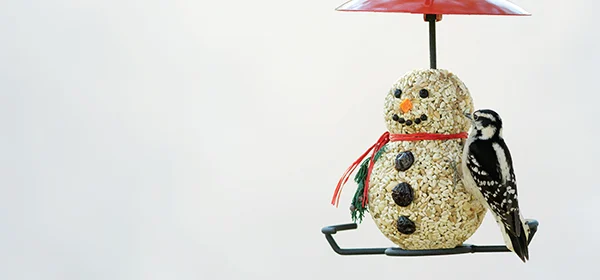
The holiday season often brings a familiar wave of seasonal stress, as consumers navigate crowded retail stores and the frantic search for meaningful presents that will not simply be discarded or forgotten after the festivities conclude. Amidst the commercial rush, a growing segment of shoppers is turning toward nature-based hobbies to foster genuine connections with family, friends, and the local environment. According to seasonal retail trends compiled by specialty hobby organizations, consumer interest in backyard wildlife feeding spikes during the fourth quarter of the calendar year, driven by a desire to bring visible life and motion to winter landscapes. Wild Birds Unlimited (WBU) Inc., the largest franchise system of backyard bird feeding and nature specialty stores in North America, has highlighted this shift by encouraging shoppers to bypass traditional retail fatigue in favor of long-lasting gifts that support local avian populations throughout the colder months.
The phenomenon of holiday bird feeding is deeply rooted in both cultural traditions and practical wildlife management. Historically, winter bird feeding gained widespread popularity in North America during the mid-20th century as commercial seed production became standardized and suburban sprawl created interspersed patches of natural habitat and residential gardens. Wildlife biologists note that supplemental feeding during the winter months can provide critical caloric support for resident bird species when natural food sources—such as dormant insects, wild berries, and fallen seeds—become scarce or locked beneath snow and ice. By introducing specialized feeders and high-energy foods into residential yards, citizens actively participate in local conservation efforts while simultaneously enjoying the mental health benefits associated with observing wildlife.
As the peak holiday shopping window narrows, retailers and consumer advocates emphasize the importance of strategic planning to avoid last-minute purchasing panic. Industry analysts point out that supply chain resilience for specialty outdoor goods remains robust, yet popular seasonal items frequently experience localized stock shortages as December 25 approaches. To address these demands proactively, wild bird experts have outlined a curated selection of specialized feeding equipment and nutrient-dense foods designed to maximize backyard activity while offering aesthetic appeal suited for winter gift-giving.

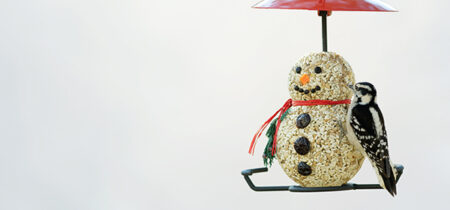
Among the primary recommendations for the current holiday season is the integration of decorative yet functional seed cylinders. Products such as the themed snowman-shaped seed cylinder combine festive visual appeal with high-capacity feeding mechanics, allowing gift-givers to present an item that doubles as seasonal lawn decor. When paired with specialty red cylinder feeders, these compacted seed arrangements offer an efficient alternative to loose seed blends, minimizing waste and discouraging unwanted ground-feeding mammals. Furthermore, nutritional formulations heavily weighted with premium ingredients—including pecans, sunflower chips, peanuts, safflower, black oil sunflower, and dried cranberries—provide the high lipid content required by avian species to maintain core body temperatures during freezing nocturnal temperatures.
In addition to novelty items, versatility remains a key purchasing driver for consumers investing in durable wildlife equipment. Multi-functional hardware, such as bistro-style cylinder feeders designed to accommodate a diverse array of provisions ranging from suet and mealworms to fresh fruit and seed blends, represents a significant portion of fourth-quarter specialty sales. Environmental psychologists and ornithologists suggest that widening the variety of available food sources directly correlates with an increased diversity of visiting bird species, transforming an ordinary backyard into a dynamic ecosystem. This sustained engagement extends the utility of the gift well past the immediate winter season, maintaining ecological interest through the spring migration and summer nesting periods.
The broader cultural impact of backyard bird feeding extends far beyond individual consumer satisfaction. Public interest in ornithology and citizen science has expanded dramatically over the past two decades, supported in large part by residential feeding infrastructure. Programs such as the Cornell Lab of Ornithology’s Backyard Bird Count rely heavily on the observational data gathered by amateur naturalists who maintain active feeding stations. By outfitting residential properties with specialized feeders and nutrient-rich cylinders, holiday gift-givers inadvertently contribute to a vast, decentralized network of wildlife observation posts. Environmental educators note that introducing younger generations to backyard ecology during the holiday season helps cultivate long-term conservation ethics and a deeper appreciation for native biodiversity.
Industry experts also emphasize the educational components accompanying the hobby, noting a significant rise in multimedia engagement as consumers seek guidance on how to optimize their feeding stations. Specialty organizations have increasingly utilized digital platforms, including dedicated podcasts and online webinars, to disseminate best practices regarding avian health, seasonal migration patterns, and predator deterrence. These informational resources help mitigate common challenges faced by novice bird enthusiasts, such as managing squirrel interference or preventing window strikes, thereby ensuring a positive and sustainable introduction to the hobby.

As the retail sector prepares for the final push of the holiday shopping cycle, the emphasis on experiential and nature-focused gifts reflects a broader cultural reevaluation of gift-giving priorities. By aligning seasonal generosity with environmental stewardship, consumers are increasingly opting for presents that offer enduring value to both the recipient and the local ecosystem. Through careful selection of durable hardware, specialized nutrition, and educational engagement, the tradition of backyard bird feeding continues to provide a meaningful bridge between human communities and the natural world throughout the winter months and beyond.
