
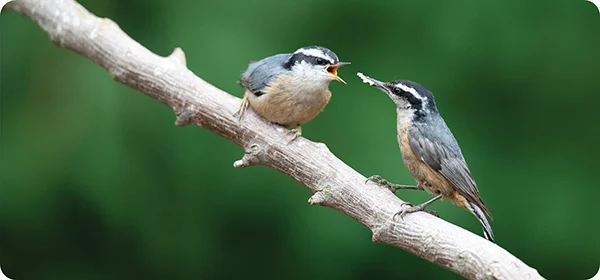
The arrival of the spring and summer breeding seasons brings a vibrant transformation to backyards across North America, marked by the bustling activity of nesting birds and the eager chirps of newly hatched fledglings. While the seasonal spectacle of young bluebirds, chickadees, goldfinches, and woodpeckers learning to navigate backyard feeders offers immense recreational value to nature enthusiasts, ornithological and wildlife management studies increasingly highlight a deeper ecological significance. Providing reliable supplemental nutrition, proper nesting infrastructure, and supportive natural habitats plays a measurable, vital role in enhancing avian reproductive success, juvenile survival rates, and overall biodiversity within suburban and rural ecosystems.
Main Facts and Ecological Observations
The transition from incubation to fledging represents a critical period in the avian lifecycle. During this window, parent birds experience unprecedented metabolic demands as they forage continuously to sustain themselves and their rapidly growing broods. Observers frequently witness the intricate dynamics of this phase, such as freshly fledged bluebirds being escorted to feeding stations by parent birds, or juvenile goldfinches and chickadees persistently begging for provisions. Similarly, young woodpeckers display a distinct learning curve as they clumsily adapt to vertical feeding surfaces or wait patiently in nearby foliage for adults to deliver high-energy morsels like suet and specialized nutrient blends.
According to observational data compiled by wildlife behaviorists and backyard conservation organizations, these interactions are not merely entertaining; they reflect the intensive resource allocation required for species preservation. The presence of accessible, high-calorie food sources in a managed environment directly alters the foraging efficiency of breeding pairs. When energetic constraints are reduced through supplemental feeding, adult birds can allocate more time and vigilance toward safeguarding their nests against predators, optimizing territorial boundaries, and selecting superior microhabitats for brood-rearing.
Chronology and the Avian Breeding Timeline
Understanding the impact of backyard conservation requires examining the seasonal chronology of avian reproduction. The breeding cycle typically begins in early spring, a period dictated by photoperiod (day length), ambient temperatures, and the availability of metabolic resources.
- Pre-Breeding and Territory Establishment (Late Winter to Early Spring): As daylight increases, territorial singing and pairing commence. During this foundational stage, adult birds require high-protein and high-calcium diets to prepare for egg production. Access to reliable backyard feeders during this window helps condition females, enabling them to build robust physical reserves before laying.
- Nesting and Egg-Laying (Early to Mid-Spring): Once territories are secured, nest construction begins. Research indicates that well-nourished females initiate egg-laying significantly earlier in the season than their counterparts in resource-scarce environments. This temporal advantage is critical; early broods generally encounter lower competition for insect prey and experience reduced predation pressure compared to late-season nesting attempts.
- Incubation and Nestling Phase (Mid-Spring to Early Summer): As eggs hatch, the demand for nutrient-dense provisioning peaks. Parent birds must source calcium, lipids, and proteins to support skeletal and muscular development in nestlings. Supplemental foods, including specialized seed blends, mealworms, and suet alternatives, supplement natural foraging, ensuring that nestlings receive balanced nutrition even during adverse weather conditions.
- Fledging and Independence (Late Spring through Summer): Juveniles leave the nest but remain dependent on adults for weeks. Feeders serve as crucial educational hubs where fledglings learn foraging techniques and safe perching behavior under parental supervision, bridging the gap toward complete independence.
Supporting Data and Ornithological Insights
Empirical studies in avian ecology validate the tangible benefits of supplemental feeding and habitat enhancement. Research focusing on passerine reproductive success highlights several key findings:

- Earlier Clutch Initiation: Supplementary feeding trials consistently demonstrate that breeding females provided with consistent, high-energy food sources lay clutches an average of several days to a week earlier than control populations. Earlier laying dates strongly correlate with higher annual reproductive output.
- Enhanced Fledging Survival Rates: Broods receiving supplemental nutrition during the nestling phase exhibit accelerated growth trajectories and reduced inter-sibling aggression. Adequate protein and micronutrient availability minimize competition for food within the nest, lowering mortality rates caused by starvation or developmental stasis.
- Parental Energy Conservation: Telemetry and observational studies reveal that birds utilizing backyard feeding stations spend considerably less time in active flight searching for dispersed food items. This energy conservation translates directly into improved immune function in adults and heightened nest defense capabilities.
Beyond food availability, structural enhancements play an equally quantifiable role. Ornithological guidelines emphasize that properly designed nesting boxes, positioned at correct heights and orientations, dramatically improve nesting success rates by shielding eggs and nestlings from extreme ambient temperatures, heavy precipitation, and mammalian or avian predators. Furthermore, the ecological value of a yard is heavily influenced by vegetation management. Lawns maintained with minimal chemical intervention, featuring structural layers of native trees, shrubs, and perennial wildflowers, supply essential structural support for nests while hosting the native insect populations required by insectivorous nestlings.
Expert Perspectives and Conservation Implications
Wildlife biologists and conservation organizations increasingly view suburban and rural backyards as critical ecological corridors. As natural habitats undergo fragmentation due to agricultural expansion and urban development, private residential properties collectively represent millions of acres of potential wildlife habitat.
Industry leaders in backyard conservation, including franchise systems such as Wild Birds Unlimited, emphasize that individual property owners hold substantial influence over local avian demographics. Representatives note that conservation efforts need not be restricted to large-scale public reserves; localized actions—such as offering specialized nutritional products like calcium-rich nesting blends, installing predator-resistant nest boxes, and maintaining brush piles or native plantings—yield measurable, positive outcomes for regional bird populations.
"The collective impact of backyard conservation is profound," notes field biology literature regarding suburban wildlife management. "When citizens take intentional steps to provide safe nesting infrastructure and high-quality nutritional resources, they effectively buffer local bird populations against the pressures of habitat loss and climate variability."
From an analytical standpoint, supporting breeding birds carries broad ecological implications. Healthy avian populations act as key biological indicators of environmental health. Birds contribute significantly to ecosystem services, including natural pest control through the consumption of millions of insects, as well as plant propagation via seed dispersal and pollination. Consequently, investing time and resources into backyard bird welfare supports broader ecological stability, preserving biodiversity at the grassroots level.
Broader Impact and Future Outlook
As urban sprawl continues to encroach upon native ecosystems, the role of human-managed landscapes in wildlife conservation is poised to expand. The growing popularity of backyard bird feeding, citizen science monitoring programs (such as Project FeederWatch and the Great Backyard Bird Count), and sustainable landscaping practices demonstrates an increasing public commitment to ecological stewardship.

The convergence of rigorous scientific research and public participation highlights a shifting paradigm: residential yards are no longer viewed merely as aesthetic extensions of the home, but as active micro-ecosystems capable of sustaining migratory and resident wildlife. By integrating science-based feeding strategies, habitat diversification, and protective nesting infrastructure, property owners can directly enhance the resilience of local bird species facing seasonal and environmental stressors.
Ultimately, the seasonal cycle of nesting birds offers both emotional enrichment for observers and tangible ecological benefits for the species involved. Through informed habitat management and targeted nutritional support, individuals can actively contribute to the preservation of avian biodiversity, ensuring that future generations continue to experience the vitality and song of thriving backyard bird populations.
