
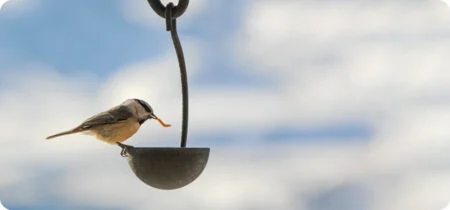
The intersection of Mother’s Day traditions and backyard ornithology has prompted an unconventional horticultural and retail recommendation: gifting insects and native flora to mothers who enjoy backyard bird watching. Published by Wild Birds Unlimited (WBU) Inc., the seasonal guidance suggests that enhancing a residential landscape with bugs and specialized bird foods can significantly increase local songbird populations during peak nesting and migration periods. While the concept of gifting insects may initially appear counterintuitive, wildlife experts and retail specialists maintain that it aligns directly with the ecological needs of backyard birds during the spring season.
Seasonal Context and Ecological Timing
May marks a critical biological window across North America, serving as both the prime nesting season for resident bird species and the peak of the spring migration period. Ornithological studies consistently demonstrate that virtually all passerine (perching) birds feed their nestlings a diet heavily reliant on insects for several weeks post-hatch. The high protein and lipid content found in insects are essential for the rapid growth and development of fledgling birds.
Simultaneously, millions of migratory songbirds—including warblers, vireos, thrushes, and tanagers—traverse residential neighborhoods during this month. These long-distance flyers require immense amounts of metabolic energy and fat reserves to complete their journeys northward. Consequently, yards that provide a reliable, abundant supply of insects and high-energy food sources naturally attract a higher volume and greater diversity of avian visitors. For bird-enthusiast mothers, this biological activity translates into enhanced backyard viewing opportunities precisely during the spring holiday.
The Two-Pronged Strategy: Native Flora and Supplemental Feeders
Wildlife management experts recommend a comprehensive, two-tiered approach to establishing a thriving ecosystem for backyard birds: supporting native insect populations and providing direct dietary supplementation.
Cultivating Native Plants for Sustainable Insect Populations
The foundational step in supporting a robust insect population involves moving away from traditional, short-lived floral bouquets in favor of perennial native plants. Horticultural authorities note that native plants have co-evolved with local insect species over millennia, establishing symbiotic relationships that non-native ornamental plants cannot replicate.

By planting native perennials, shrubs, or container gardens suited to a mother’s specific geographic region and property layout, homeowners create a sustainable habitat. These plants serve as host sites and food sources for native insects, which in turn attract insectivorous birds. Unlike cut flowers that typically wilt within days, native plantings offer enduring aesthetic value throughout the spring, summer, and fall, while continuously supporting the local food web.
Supplemental Feeding via Mealworms and Specialized Blends
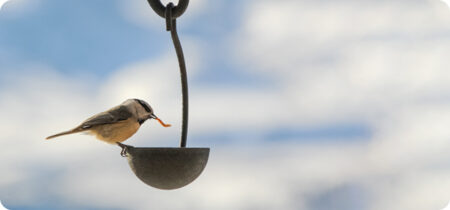
To complement natural foraging, retail specialists suggest integrating targeted supplemental foods into existing backyard feeding stations. Mealworms—both live and dried—serve as an effective substitute for natural insects, offering a familiar and highly palatable source of nutrition for insect-eating species.
Industry offerings have evolved to meet this seasonal demand. Proprietary formulations, such as specialized nesting seed blends, incorporate dried mealworms into loose seed mixes and compressed seed cylinders. Additionally, multi-ingredient cylinders combining insects, nuts, and berries are designed specifically to target insect-eating birds that might otherwise bypass standard seed feeders. According to wildlife feeding specialists, live mealworms remain particularly potent in drawing diverse songbird species directly to residential feeding stations.
Industry Background and Retail Implications
Wild Birds Unlimited, the organization behind the seasonal recommendation, operates as the largest franchise system of backyard bird feeding and nature specialty stores in North America, maintaining over 350 locations across the United States and Canada. Founded on the principles of connecting people with nature through specialized retail products, educational resources, and expert consultation, the company frequently releases seasonal guidance aimed at aligning consumer purchasing habits with local wildlife behaviors.
The retail strategy of promoting nature-based gifts for holidays like Mother’s Day reflects a broader economic trend toward experiential and conservation-oriented gifting. Rather than traditional consumer goods, retailers in the lawn, garden, and wildlife sectors increasingly market products that enhance environmental stewardship at the residential level. By framing ecological support—such as native plants and specialized bird feed—as a meaningful gift, companies tap into the growing consumer interest in sustainability, gardening, and backyard conservation.
Broader Environmental Impact and Implications
The practice of enhancing residential yards for wildlife yields broader ecological implications beyond individual consumer satisfaction. As urban and suburban developments continue to expand, fragmented natural habitats place increasing pressure on migratory and resident bird populations. Residential yards, when managed with biodiversity in mind, can function as critical "stepping stones" or micro-habitats that mitigate habitat loss.

Urban ecology research indicates that even modest suburban yards, when outfitted with native vegetation and supplemental feeding stations, can support significant populations of native birds and beneficial insects. Providing high-protein resources during the strenuous migration and breeding periods directly contributes to higher fledgling survival rates and supports healthier migratory cohorts. Furthermore, engaging the public in these conservation efforts through consumer-focused initiatives fosters a deeper public appreciation for local ecosystems, encouraging long-term community support for environmental preservation initiatives.
Ultimately, while the marketing premise of "giving bugs to mom" challenges conventional gift-giving norms, it underscores a growing alignment between consumer celebrations and ecological awareness. By investing in the natural health of backyard habitats, consumers can support avian wildlife while providing an enduring, activity-rich experience for bird enthusiasts.
