
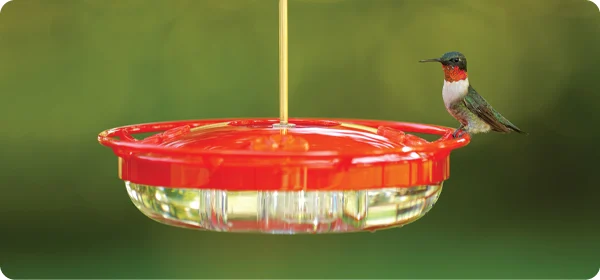
The arrival of spring across North America marks the beginning of one of the natural world’s most remarkable migratory spectacles: the return of hummingbirds. For backyard bird enthusiasts, anticipation builds during the final weeks of winter as millions of these tiny, high-metabolism avian travelers prepare to complete arduous journeys spanning thousands of miles. According to wildlife experts and ornithological observers, the return of these vibrant visitors not only signals the true onset of warmer weather but also highlights the complex ecological dynamics of seasonal migration, habitat preservation, and backyard wildlife management.
The Phenomenon of Spring Hummingbird Migration
The migration patterns of North American hummingbirds represent an extraordinary feat of endurance. Many species that winter in the tropical forests of Central America, Mexico, and the Caribbean must undertake perilous journeys northward to reach their traditional breeding grounds. For the Ruby-throated Hummingbird—the most common species found east of the Mississippi River—this journey involves crossing the Gulf of Mexico in a nonstop flight that can last up to 24 hours, a remarkable achievement for a creature weighing no more than a standard penny.
Western regions experience an equally diverse influx of migratory species, including the Black-chinned, Rufous, and Broad-tailed hummingbirds. As these birds push northward, their arrival times are intricately timed with the blooming of native wildflowers and the emergence of insects, which provide the critical protein and nectar required to replenish their depleted energy reserves after weeks of travel.
While migratory species command much of the attention in the eastern and central United States, certain western regions play host to resident populations that do not undertake long-distance migrations. In parts of the Pacific Coast and the Desert Southwest, species such as the Anna’s, Costa’s, and Allen’s hummingbirds begin their breeding cycles much earlier in the year. Residents in these areas are often treated to the sight of newly fledged juveniles making their inaugural visits to backyard feeders by mid-spring.
Anatomy, Diet, and Feeding Mechanics
Observing hummingbirds at close range offers a fascinating look into specialized avian biology. Contrary to popular belief, hummingbirds do not feed by using their bills like straws to suck up nectar. Instead, scientific studies of hummingbird feeding mechanics reveal a highly specialized anatomical process.

A hummingbird relies on a forked, open-grooved tongue that rapidly extends and retracts from its bill—reaching speeds of up to 12 times per second. During each lapping motion, the grooves on the tongue expand to trap liquid nectar, which is then drawn into the bill through capillary action. This rapid-fire feeding mechanism is necessary to sustain their exceptionally high metabolic rates. A hummingbird’s heart can beat up to 1,200 times per minute during flight, and the birds must consume roughly half their total body weight in sugar daily just to maintain basic energy levels.
Backyard conservationists and ornithologists note that modern specialized equipment has allowed enthusiasts to witness these intricate behaviors up close. Clear-bottomed nectar feeders, for instance, offer observers a direct line of sight to the rapid movement of the hummingbird’s tongue, turning casual backyard observation into an engaging educational experience.
Conservation, Habitat, and Backyard Strategies
As urban development and agricultural expansion continue to fragment natural habitats across North America, backyard conservation initiatives play an increasingly vital role in supporting migratory bird populations. Environmental organizations, including avian research groups and specialized retailers like Wild Birds Unlimited, emphasize that supporting hummingbirds requires more than simply hanging a sugar-water feeder.
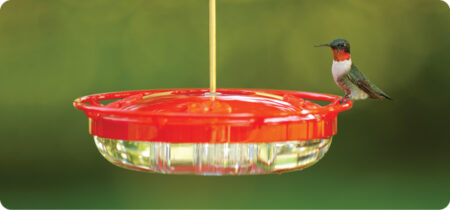
Experts recommend a comprehensive approach to backyard habitat management that combines supplemental feeding with the cultivation of native plants. While commercial nectar solutions (typically a four-to-one ratio of water to refined white sugar) provide a reliable source of quick energy, native flowering plants supply essential micronutrients and attract the small insects that hummingbirds require for dietary protein, particularly during the breeding and nesting seasons.
Recommended strategies for attracting and sustaining local hummingbird populations include:
- Installing multiple, widely spaced nectar feeders to reduce territorial aggression among dominant birds.
- Maintaining clean feeding stations regularly to prevent the growth of harmful molds and fermented sugars.
- Planting diverse, nectar-rich native flora that bloom successively from spring through autumn, ensuring a continuous natural food source.
- Avoiding the use of broad-spectrum chemical pesticides in garden spaces to protect the insect populations upon which nesting hummingbirds depend.
Broader Ecological Implications and Expert Analysis
The annual migration and seasonal presence of hummingbirds serve as crucial bio-indicators for environmental health and climate stability. Ornithologists monitor arrival dates and population distributions closely to track potential disruptions caused by changing weather patterns, shifting bloom times, and habitat loss. When spring weather anomalies cause plants to bloom prematurely or delay insect emergence, migratory hummingbirds can face severe nutritional stress upon reaching their northern destinations.

Furthermore, hummingbirds play an indispensable ecological role as pollinators. As they travel from flower to flower in search of nectar, pollen adheres to their foreheads and feathers, facilitating cross-pollination for a wide variety of native wildflowers and shrubs. The health of local plant communities is thus directly tied to the successful migration and survival of these diminutive pollinators.
Public engagement initiatives, such as community science monitoring programs and educational podcasts hosted by nature conservation groups, continue to highlight the shared responsibility of protecting migratory species. By transforming ordinary backyards into safe, resource-rich waystations, homeowners contribute to a broader network of conservation corridors that span thousands of miles.
As the spring migration season peaks and populations settle into their summer ranges, the presence of hummingbirds remains a powerful reminder of the resilience of nature and the tangible impact of localized conservation efforts. Whether catching a fleeting glimpse of a Ruby-throated hummingbird darting across an eastern garden or watching a fledgling take its first flight in the west, enthusiasts across the continent share a common connection to one of the natural world’s most inspiring seasonal events.
