
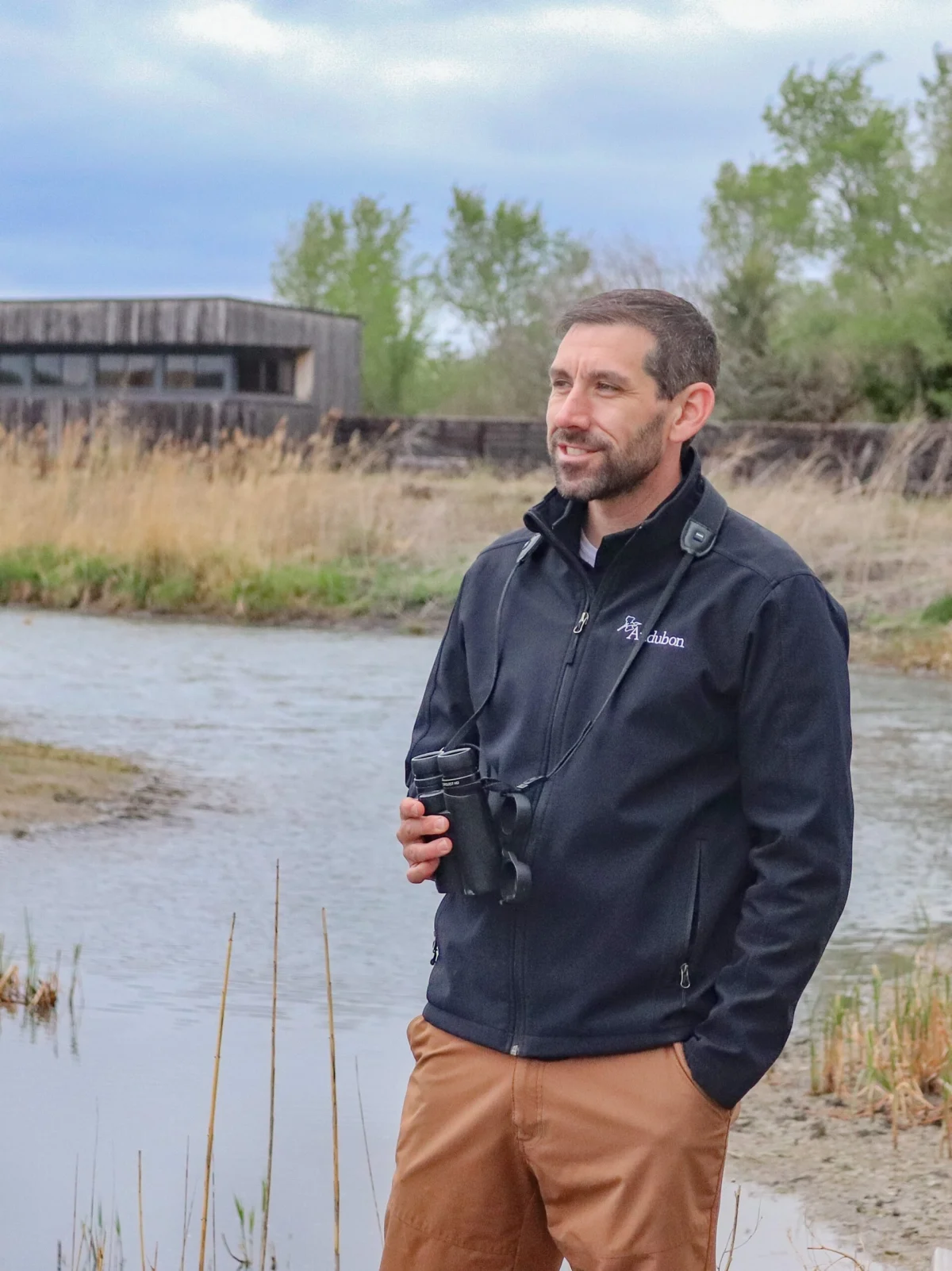
The landscape of Kearney, Nebraska, is preparing for a significant aesthetic transformation as the community readies itself for the arrival of "Cranes on Parade 4." This public art initiative, a continuation of a long-standing tradition organized by the Kearney Dawn Rotary, serves as a bridge between the region’s natural heritage and its vibrant local arts scene. By late October, the unveiling of 100 aluminum crane sculptures will signal a new chapter in a project that has historically defined the city’s identity as the gateway to the world-renowned Sandhill Crane migration.
A Tradition Rooted in Natural Wonder
Every spring, the Platte River Valley in Central Nebraska becomes the stage for one of the most spectacular wildlife migrations on the planet. Nearly 800,000 Sandhill Cranes—roughly 80 percent of the world’s population of these birds—descend upon the riverbanks to rest and refuel before continuing their journey north. This ecological phenomenon brings thousands of tourists, researchers, and bird enthusiasts to Kearney, creating a significant economic and cultural ripple effect.
Recognizing the deep connection between the community and these avian visitors, the Kearney Dawn Rotary launched the initial "Cranes on Parade" project years ago. The initiative sought to utilize public art not only as a decorative element but as a means of fostering civic pride and supporting charitable endeavors. The sculptures, which stand six feet tall, have become iconic symbols of the region, serving as constant reminders of the delicate balance between the urban environment and the natural world.
The Evolution of Cranes on Parade 4
The fourth iteration of this project marks a departure from previous designs. While earlier versions often featured standalone sculptures, the latest collection introduces a sophisticated twist: back-to-back, artist-designed aluminum crane pairs mounted on light poles throughout Kearney’s commercial districts. This design choice was deliberate, aiming to create a cohesive, city-wide gallery that is accessible to residents and visitors alike.
The production process for these 100 sculptures has been a multi-month undertaking involving dozens of Nebraska-based artists. By commissioning local talent, the Kearney Dawn Rotary has ensured that each crane reflects the unique creative spirit of the state. The choice of aluminum as a medium ensures durability, allowing these pieces to serve as year-round fixtures that withstand Nebraska’s fluctuating climate, from scorching summers to bitter winters.
Chronology of the Installation and Exhibition
The rollout of this project is scheduled across several phases to maximize public engagement and community awareness.
- October 23 – November 7: The public will have an exclusive opportunity to view the entire collection of 100 cranes at the Iain Nicolson Audubon Center at Rowe Sanctuary. This exhibition serves as a preview, allowing the community to appreciate the collective work of the artists in one centralized location before the pieces are dispersed. The center will be open for viewing during its standard operating hours, Tuesday through Saturday, from 10:00 a.m. to 5:00 p.m.
- January: Following the preview exhibition, the logistical phase of the project begins. The sculptures will be systematically moved from the sanctuary to their permanent locations throughout Kearney.
- March: All installations are slated to be completed by March. This timing is strategic, as it coincides with the beginning of the annual Sandhill Crane migration. By having the art in place before the influx of seasonal tourists, the city ensures that the sculptures serve as a welcoming, thematic backdrop for visitors coming to observe the live birds.
Supporting Data and Economic Implications
The importance of the Sandhill Crane migration to the local economy cannot be overstated. According to studies conducted by organizations like the Platte River Recovery Implementation Program and various tourism boards, crane-related tourism contributes millions of dollars annually to the regional economy. Lodging, dining, and retail sectors in Kearney see a marked increase in activity during the weeks surrounding the migration.
By integrating public art into the urban infrastructure, the Kearney Dawn Rotary is effectively extending the "crane experience" beyond the riverbanks. Analysts suggest that such public art projects provide a tangible return on investment by increasing pedestrian traffic in commercial districts, encouraging longer stays for tourists, and enhancing the overall quality of life for residents. The 100-sculpture installation functions as an open-air museum, creating an "art trail" that encourages visitors to traverse different parts of the city they might otherwise overlook.
Insights from Community Organizers
While the project is a collaborative effort, the guiding force remains the commitment of the Kearney Dawn Rotary to community enrichment. Though individual artist statements are often personal, the consensus among the organizers is that this project represents a synthesis of three core pillars: community pride, local artistry, and ecological education.
"The goal has always been to make art accessible," noted a representative involved in the planning stages. "By moving these sculptures from the sanctuary to the light poles of our business districts, we are bringing the essence of the migration into the daily lives of our citizens. It is a constant celebration of what makes this part of Nebraska unique."
Local business owners have also expressed support, recognizing that the presence of unique, high-quality art near their storefronts acts as a draw for customers. The aesthetic value of the cranes is expected to foster a stronger sense of place, distinguishing Kearney from other municipalities in the region.
Broader Impact: Art as Civic Infrastructure
The "Cranes on Parade" initiative highlights a growing trend in urban planning: the use of public art as a strategic tool for economic and social development. By commissioning local artists, the project keeps creative capital within the state and provides a platform for both established and emerging talent to gain visibility.
Furthermore, the project serves an educational purpose. As climate change and habitat loss continue to threaten various migratory species, having a permanent, visual reminder of the Sandhill Cranes in the city center helps keep the conversation about conservation alive throughout the year. It encourages a deeper dialogue between the public and the natural environment, moving the perception of the cranes from mere "tourist attractions" to integral components of the Nebraska identity.
As the late October debut approaches, anticipation within the Kearney community is palpable. The Iain Nicolson Audubon Center at Rowe Sanctuary, situated in a location that itself is deeply tied to the preservation of the Platte River habitats, is an ideal venue for the initial unveiling. It provides a quiet, contemplative space for the public to reflect on the craftsmanship of the sculptures before they take their place as permanent, public icons.
Conclusion
The "Cranes on Parade 4" project is more than a simple art exhibition; it is a manifestation of Kearney’s cultural and environmental priorities. By the time the real cranes arrive in the spring of next year, the city will be dressed in a tribute that honors the migration’s scale and splendor. Through careful planning, collaboration with local artists, and a focus on long-term installation, the Kearney Dawn Rotary has created a legacy project that will serve the community for years to come. Whether viewed as an economic driver, a tourist attraction, or a simple aesthetic pleasure, the 100 aluminum cranes will undoubtedly stand as a testament to the enduring relationship between the people of Nebraska and the natural world that sustains them.
