
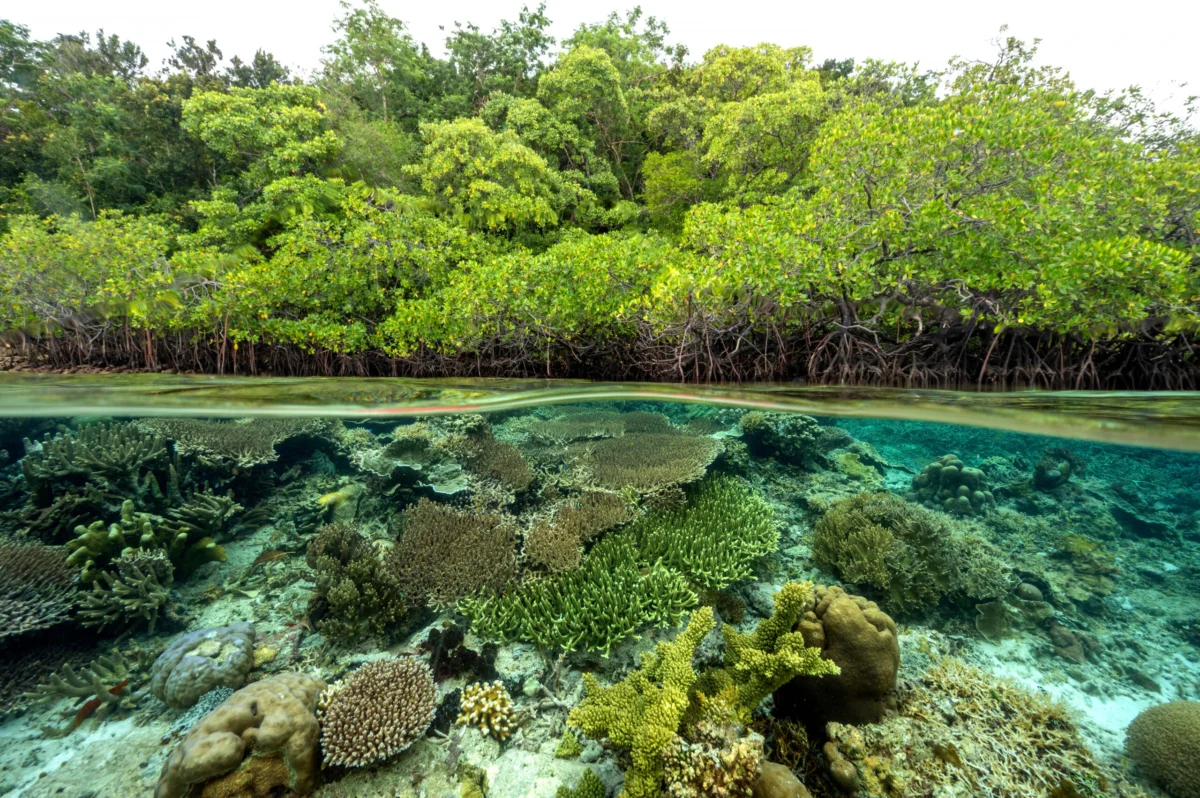
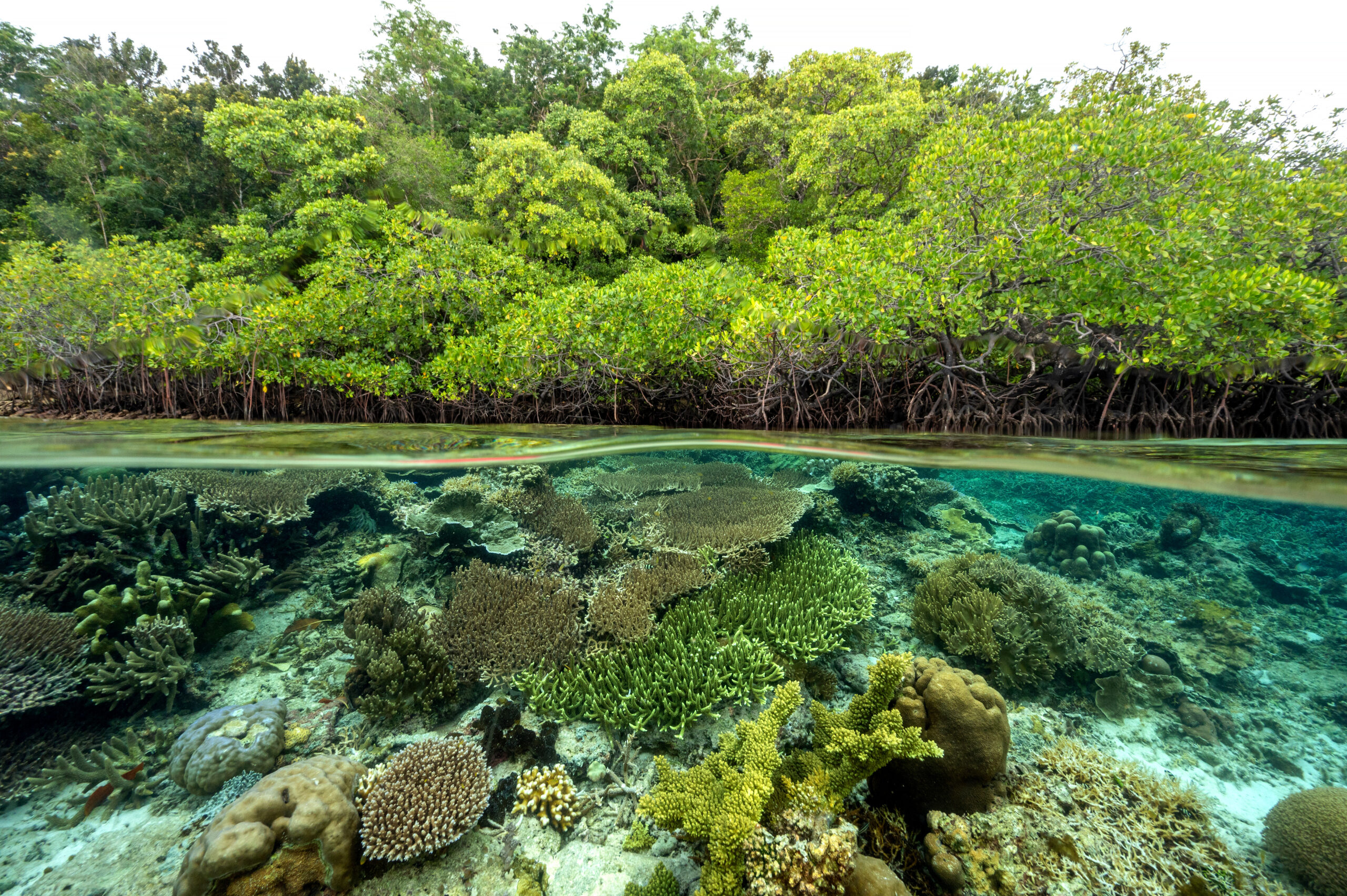
Ecuador is globally celebrated for its breathtaking ecological diversity, spanning from the dense canopies of the Amazon jungle and the towering peaks of the Andean highlands to the evolutionary wonder of the wildlife-rich Galápagos Islands. Yet, tucked along the nation’s sprawling Pacific coastline lies a less-heralded ecological treasure: vibrant, sprawling mangrove forests covering approximately 1,550 square kilometers—an area roughly equivalent to the size of Rome. These tidal forests are far more than scenic coastal borders; they serve as critical bulwarks against climate change, sanctuaries for marine biodiversity, and the economic lifeblood of traditional coastal communities.
However, this vital natural infrastructure has faced severe threats for decades. Since 1970, Ecuador has watched nearly 30 percent of its mangrove coverage vanish. Historically driven by the aggressive expansion of shrimp farming, uncoordinated industrial conversion, pollution, and the accelerating impacts of climate change, this degradation stripped away natural defenses and threatened local livelihoods. Today, as technological innovations and stricter environmental regulations begin to balance sustainable aquaculture productivity with ecological preservation, Ecuador stands at a critical juncture. To safeguard these ecosystems, local and international conservation networks are deploying an innovative weapon: a community-driven early warning system designed to bridge the gap between high-tech satellite monitoring and boots-on-the-ground stewardship.
The Historical Context and Rising Pressures
The historical trajectory of Ecuador’s mangroves is a complex narrative of exploitation, shifting governance, and eventual recognition. During the latter half of the 20th century, the global appetite for shrimp exploded, transforming coastal economies. Unfortunately, this boom frequently came at the direct expense of pristine mangrove ecosystems. Forests were cleared, dykes were built, and tidal flows were interrupted to construct commercial shrimp ponds. During periods when environmental planning frameworks were less developed and regulatory enforcement was lax, the ecological toll accumulated rapidly.
Beyond aquaculture expansion, urban development, agricultural runoff, and the broader manifestations of climate change—such as rising sea levels and intensified storm surges—placed unprecedented stress on the remaining forests. Yet, out of this historical degradation emerged a profound realization among conservationists, government bodies, and local populations: the destruction of mangroves was actively undermining the very coastal stability required for sustainable long-term economic development.
The traditional relationship between Ecuadorians and their mangroves runs deep. For generations, coastal inhabitants have relied on these tidal forests for subsistence and commerce, harvesting crabs and black-shelled cockles (conchas negras) while utilizing fallen timber for construction and fuelwood. Recognizing this intrinsic socio-ecological bond, Ecuador gradually developed one of the most robust legal and institutional frameworks for mangrove protection in the Americas.
A Robust Legal Foundation for Conservation
Unlike many regions where conservation efforts operate in a regulatory vacuum, Ecuador benefits from a comprehensive suite of legal instruments designed to protect and restore its coastal ecosystems. Mangroves are strictly safeguarded under the national Constitution, the Organic Environmental Code, and a series of targeted ministerial decrees that restrict clearing, mandate ecological restoration, and empower grassroots management.
These national protections seamlessly align with international commitments, including Ecuador’s Nationally Determined Contributions (NDCs) under the Paris Agreement and its pledge to support the global 30×30 initiative—a worldwide commitment to protect 30 percent of the planet’s land and oceans by 2030.
A cornerstone of this framework is the establishment of Custody and Sustainable Use of Mangrove Agreements (known by their Spanish acronym, AUSCEMs) and the mature, nationally embedded incentive program known as Socio Manglar. These programs effectively channel public funds and international donor financing directly into community-based mangrove conservation, sustainable restoration, and economic development for ancestral and traditional users. Rather than viewing conservation as a barrier to human activity, Ecuador’s governance model increasingly treats local communities as the most effective guardians of their natural heritage.
The Genesis of the Early Warning Initiative
Building upon this legal framework, the Ecuador chapter of the Global Mangrove Alliance (GMA) secured a significant USD 1.5 million grant to bolster community-based mangrove stewardship. A primary deliverable tied to this funding is the development and implementation of a cutting-edge community early warning system.
To bring this vision to life, The Nature Conservancy (TNC) in Ecuador—a key member of GMA Ecuador—partnered with the International Center for Research on the El Niño Phenomenon (CIIFEN), an institution renowned for its deep expertise in climate services and early warning infrastructure.
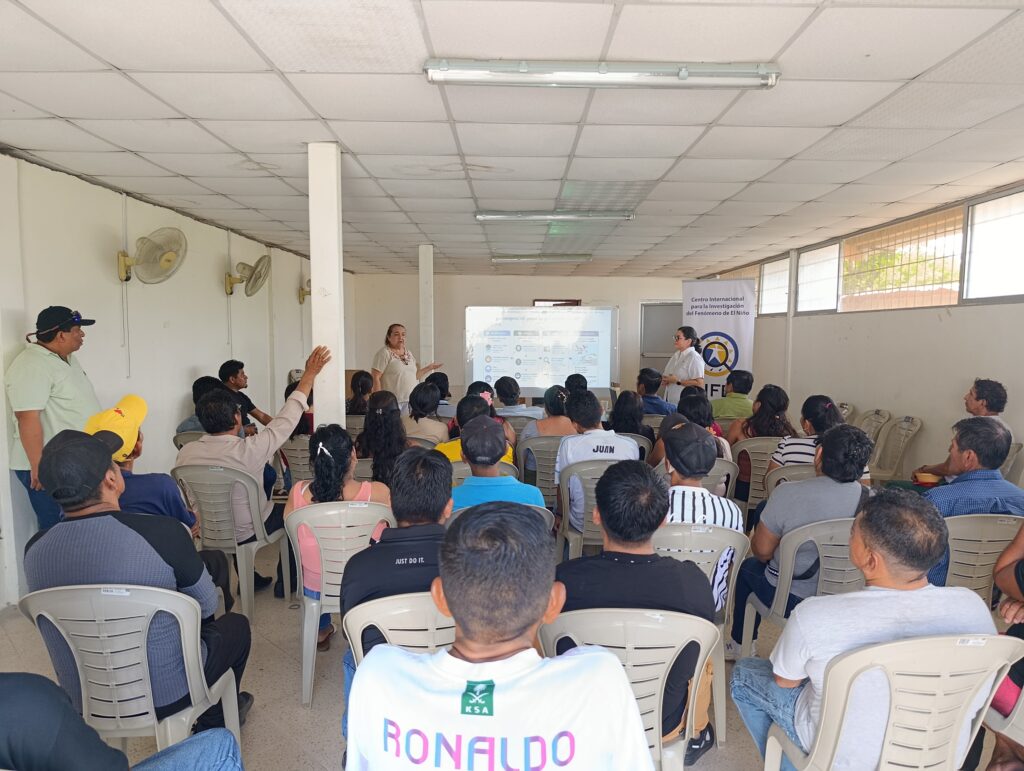
CIIFEN initiated the design of the early warning system in close collaboration with four pilot AUSCEMs located in the strategically vital Gulf of Guayaquil. The system is fundamentally anchored in field-based monitoring conducted by local mangrove custodians, who are equipped with modern digital tools designed to streamline reporting, facilitate information exchange, and accelerate institutional coordination with environmental authorities.
Crucially, the architecture of this initiative integrates Global Mangrove Watch (GMW) as a primary source of satellite-based earth observation data. This integration establishes a powerful feedback loop: satellite monitoring detects anomalies and potential disturbances from above, while local custodians ground-truth and validate these Mangrove Disturbance Alerts (MDAs) from below. Mobile and web applications developed for the project serve as functional conduits within a comprehensive process linking continuous monitoring, rapid reporting, cross-validation, inter-agency coordination, and immediate response.
Technological Innovation Meets Traditional Knowledge
The technical framework of the early warning system is designed to maximize accessibility and utility for individuals working directly in the field. Sebastián Rivera Ruano, a Fullstack developer contributing to the project, emphasized the collaborative philosophy driving the software design.

"Our goal is to create a two-way street," Rivera Ruano explained. "Not only opening doors for more people to access Global Mangrove Watch, but also allowing GMW to benefit from communities’ insights."
By channeling crowdsourced field observations back into satellite algorithms, the platform enhances the accuracy of global monitoring while empowering local users with actionable intelligence. Pier Luiggi Maquilón Lipari, a Climate Services Developer in CIIFEN’s computer science division, stressed that technology alone is insufficient to address complex environmental degradation.
"One of the most important things about early warning systems is that we need them to be more than just technological platforms," Maquilón Lipari noted. "Protocols and coordination between stakeholders are of critical importance such that timely and coordinated action can be taken."
Government stakeholders have taken keen notice of the initiative. The Undersecretariat for Marine, Coastal and Oceanic Affairs (Subsecretaría Marino Costera y Oceánica) has expressed strong interest in integrating the platform’s outputs into national monitoring frameworks. Historically, Global Mangrove Watch data has been utilized to help validate official data compiled by Ecuador’s Ministry of Environment and Energy regarding national mangrove extents and carbon stock assessments.
Elba Alissie Fiallo Cobos, Coordinator of the Coastal Marine Strategy at TNC Ecuador, highlighted the multi-faceted utility of the data streams incorporated into the project. "Some of the most useful information available on Global Mangrove Watch for me is data on mangrove blue carbon as well as national and regional climate policies," she stated.
Echoing this sentiment, Diana Carolina Espinoza Ramirez, a GIS specialist at CIIFEN, pointed out the direct conservation implications of the tool. "Using Global Mangrove Watch we’ve identified areas requiring monitoring attention. Our hope is that this information can be used by the government to prioritise its mangrove protection and restoration policies."
Broader Implications and Future Outlook
The launch of the community-based early warning system arrives at a critical juncture for global climate resilience. Mangroves are uniquely powerful carbon sinks, sequestering atmospheric carbon at rates up to four times higher than terrestrial forests. This "blue carbon" capacity makes the preservation and restoration of Ecuador’s 1,550 square kilometers of mangroves an international asset in the fight against global temperature rise. Furthermore, by acting as natural buffers against coastal erosion and extreme weather events, healthy mangrove forests directly protect vulnerable coastal infrastructure and human settlements.
TNC Ecuador’s strategic approach emphasizes collaboration across sectors rather than adversarial confrontation. "At TNC Ecuador, we promote collaborative work among local communities, government authorities, academia, and the private sector to advance more sustainable development models that contribute to both mangrove conservation and human well-being, recognising that confrontation between conservation and production is not useful," Elba Fiallo Cobos emphasized.
This collaborative ethos is mirrored in a robust national portfolio of ongoing partnerships involving international NGOs, local universities, grassroots associations, and forward-thinking private-sector actors. Together, these entities are systematically strengthening governance, scaling up monitoring capabilities, and expanding restoration footprints across Ecuador’s coastline.
The community-based early warning system developed by CIIFEN for the GMA Ecuador chapter is scheduled for an official rollout by the end of the year. To ensure the long-term sustainability and effectiveness of the platform, the deployment will be accompanied by comprehensive in-person training sessions and a series of detailed instructional video tutorials. These capacity-building measures are designed to ensure that local custodians possess the technical skills and institutional empowerment required to independently sustain the monitoring process for generations to come.
Global Mangrove Watch—the technological backbone supporting these local efforts—is managed globally by Wetlands International in close cooperation with The Nature Conservancy, SoloEO, and Aberystwyth University. The ongoing expansion of these monitoring initiatives is made possible through the generous financial and strategic support of the Postcode Loterij, the Oak Foundation, the COmON Foundation, Greenchoice, and Dob Ecology. As Ecuador’s pioneering early warning system goes live, it offers a replicable, high-impact blueprint for coastal nations worldwide seeking to unite cutting-edge geospatial technology with community-led environmental stewardship.
