
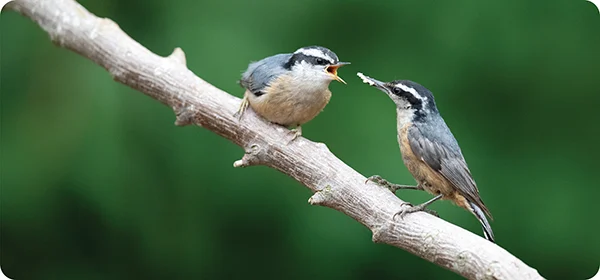
The arrival of the spring and summer breeding seasons transforms backyards across North America into bustling ecosystems, marked by the distinctive sights and sounds of newly hatched avian species making their debut. For millions of homeowners and amateur ornithologists, this period represents one of the most engaging phases of the annual wildlife calendar. The observation of freshly fledged bluebirds escorted to feeding stations by their parents, the persistent begging calls of juvenile chickadees and goldfinches, and the clumsy yet determined efforts of young woodpeckers learning to navigate backyard feeders offer a compelling window into avian development. Beyond mere aesthetic pleasure, contemporary wildlife research increasingly demonstrates that the relationship between human-provided resources and backyard bird populations is profound, directly influencing the survival rates, reproductive success, and overall health of numerous songbird and woodpecker species.
The intersection of urban and suburban environments with wildlife conservation has elevated the role of backyard bird feeding from a simple hobby to a meaningful ecological support system. According to field studies conducted by avian biologists, the availability of reliable, high-calorie food sources in residential areas alters the traditional timeline of the avian breeding season. Female birds with consistent access to supplementary nutrition through well-maintained feeding stations frequently initiate egg-laying significantly earlier in the season than their counterparts in wilder, unsupplemented habitats. This chronological shift carries distinct evolutionary advantages. Early broods encounter reduced competition for natural resources and territory, while also benefiting from a broader window of favorable weather conditions before the onset of seasonal extremes. Consequently, early-season fledglings consistently exhibit higher rates of survival and fledging success compared to those hatched later in the summer.
The physiological demands placed on breeding females are exceptionally high, requiring vast amounts of energy for egg production, incubation, and post-hatching care. Supplemental feeding mitigates these pressures by drastically reducing the time and energy a female must expend searching for scarce natural provisions. With a dependable caloric baseline secured close to nesting sites, breeding females can allocate more time toward selecting optimal nesting locations and constructing structurally sound, well-insulated nests. Furthermore, this efficiency affords parent birds increased vigilance, allowing them to spend more time actively protecting their nests, eggs, and vulnerable young from avian and mammalian predators.
Nutritional abundance also plays a critical role inside the nest following hatching. Field research indicates that when parent birds have unhindered access to abundant feeder resources, they are better positioned to forage widely for specialized natural food items, such as protein-rich caterpillars and insects, which are essential for growing nestlings. The combination of supplemental high-energy foods—such as specialized seed blends, suet, and mealworms—and natural foraging yields a balanced diet that accelerates skeletal and muscular growth. Biologists have noted that optimal nutrition directly correlates with a reduction in aggressive behavior among nest siblings competing for limited resources, thereby increasing the overall survival rate of the brood.
While supplemental nutrition serves as a cornerstone of backyard avian support, ornithological experts emphasize that food alone is insufficient to guarantee successful nesting outcomes. The physical infrastructure of the yard plays an equally vital role, particularly during periods of environmental stress. The installation of properly designed, species-specific nesting boxes can dramatically improve nesting success rates. These artificial cavities offer critical protection against inclement weather, shielding brooding parents and nestlings from extreme cold, heavy rainfall, and high winds that frequently compromise natural tree-cavity nests. Specifications regarding box dimensions, entrance hole diameters, and placement heights are crucial factors that determine whether target species will successfully colonize and utilize these structures.

Habitat management within the residential landscape requires a deliberate shift away from traditional, highly manicured horticultural practices toward more ecologically supportive environments. Avian conservationists frequently advocate for a "messy yard" approach, wherein landowners permit natural leaf litter, brush piles, and native plant growth to remain undisturbed. Immaculately groomed lawns often fail to provide the structural diversity and biological raw materials—such as twigs, moss, spider webs, and insect populations—required for sophisticated nest construction. The integration of native trees, shrubs, and perennial wildflowers establishes a resilient micro-ecosystem that attracts the specific insect vectors upon which many breeding birds rely for rearing their young, while also offering secure shelter from predators.
Commercial and civic initiatives have increasingly adapted to reflect these conservation realities. Organizations such as Wild Birds Unlimited (WBU Inc.), the largest franchise system of backyard bird feeding and nature specialty stores in North America, have focused considerable product development efforts on nutritional formulations tailored specifically to the biological demands of the breeding season. Specialized offerings—including high-calcium seed blends, freeze-dried mealworms, and insect-infused suet products like Bark Butter—are engineered to deliver the elevated protein and calcium levels required during eggshell formation and nestling development. According to retail and wildlife specialists, these targeted formulations bridge the nutritional gap during critical developmental windows when natural food sources may be scarce or inaccessible due to localized weather patterns.
The broader implications of backyard bird management extend far beyond the immediate boundaries of private residential properties. Urban sprawl and the fragmentation of natural habitats have placed mounting pressure on migratory and resident bird populations across North America. As natural forests and grasslands are systematically converted into agricultural and residential developments, backyards have effectively transformed into vital ecological stepping stones and refuges. While residential areas can occasionally function as ecological traps due to domestic cat predation, window collisions, and pesticide use, the intentional transformation of yards into wildlife-friendly habitats helps counteract these localized hazards.
The psychological and emotional benefits experienced by humans engaging in backyard bird observation should not be overlooked in broader conservation discussions. Environmental psychologists have documented numerous positive correlations between regular observation of urban wildlife and human mental well-being, including reduced stress levels and an enhanced sense of connection to the natural world. This emotional engagement frequently translates into broader civic participation in citizen science initiatives, such as the Great Backyard Bird Count and Project FeederWatch, which supply professional researchers with invaluable longitudinal data on avian population trends, migration shifts, and disease outbreaks.
As summer progresses and the current generation of fledglings disperses into the wider landscape, the cycle of avian life enters a new phase of post-breeding molt and preparation for autumn migration. Ornithologists and wildlife advocates continue to analyze the shifting dynamics between human-managed landscapes and wild bird populations, utilizing insights gained from both academic research and field observations. Through a combination of intentional habitat preservation, the strategic deployment of nesting infrastructure, and the provision of specialized nutritional support, residential landowners play an active, quantifiable role in sustaining avian biodiversity for future generations.
