
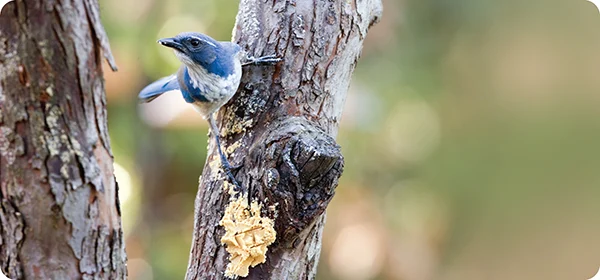
The Thanksgiving holiday, traditionally centered around family gatherings, elaborate meals, and seasonal entertainment, has increasingly embraced a unique ecological tradition: extending the holiday feast to local wildlife. Across North America, millions of households that participate in backyard bird feeding are transforming the holiday season into an opportunity to support native avian populations. As human families gather around tables set with fine china and seasonal harvests, ornithologists and wildlife specialists note a parallel trend in the backyard, where homeowners are upgrading their feeding stations to provide high-energy nutrition for migratory and resident birds facing the onset of colder weather.
This practice bridges holiday hospitality with wildlife conservation. Experts emphasize that late autumn represents a critical physiological transition period for birds. With natural sources of insects and native seeds dwindling as temperatures drop, supplemental feeding can play a vital role in helping local species maintain the metabolic energy required to regulate their body temperatures through freezing nights. Consequently, wildlife organizations and specialty retailers are encouraging the public to view backyard feeding stations not merely as ornamental hobbies, but as active components of seasonal wildlife management.
The Evolution of Backyard Bird Feeding During the Holidays
The integration of wildlife into human holiday celebrations is rooted in the broader growth of backyard ornithology over the past several decades. Historically, winter bird feeding was a sporadic activity, often limited to tossing kitchen scraps onto snow-covered ground. However, modern avian science has transformed this practice into a precise nutritional science.
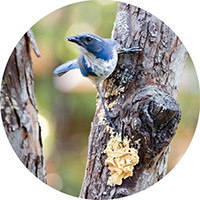
According to agricultural and wildlife extension services, the hobby has expanded significantly since the mid-20th century, driven by a better understanding of avian dietary requirements. Today, the North American backyard bird-feeding community comprises millions of participants who invest in specialized equipment, multi-layered feeding stations, and scientifically formulated seed blends.
During major holiday milestones—most notably Thanksgiving—this domestic activity experiences a marked surge. As families spend extended periods at home, window-watching and backyard observation become primary forms of entertainment. Recognizing this behavioral pattern, wildlife advocates have launched targeted educational initiatives urging citizens to curate specialized holiday menus for local fauna, mirroring the care and abundance found on human dining tables.
Nutritional Science: Designing an Avian Holiday Menu
Just as human holiday feasts are planned to provide comfort and sustenance, avian nutritionists stress that backyard offerings during late autumn must be high in fats, proteins, and carbohydrates. Standard winter feeding protocols go beyond basic mixed seeds to incorporate high-density energy sources capable of sustaining small birds through harsh weather conditions.
Ornithological guidelines recommend a foundational menu featuring high-quality seed blends, particularly those containing millet, sunflower seeds, and cracked corn, which appeal to a broad spectrum of ground-feeding and perching birds. To supplement these staples, specialists advise incorporating specialized high-fat products:

- Suet Cakes and Mealworms: Essential for insectivorous and omnivorous species such as woodpeckers, nuthatches, and wrens, providing rapid fat reserves necessary for thermoregulation.
- Nyjer® Seed: A specialized, oil-rich seed favored by smaller finches, including American goldfinches and pine siskins.
- Shelled Peanuts and Bark Butter® Products: High-protein offerings that attract jays, titmice, and various resident birds requiring substantial caloric intake.
- Winter SuperBlends®: Formulated specifically for cold-weather climates, these custom seed mixtures combine high-lipid nuts and seeds to maximize energy retention during freezing temperatures.
Beyond solid nutrition, wildlife experts emphasize the critical importance of fresh, unfrozen water sources. Heated birdbaths or regularly replenished water dishes are essential during late autumn and winter, as birds require clean water not only for hydration but also to maintain the insulating properties of their plumage through routine preening.
Broader Ecological Implications: Shade-Grown Coffee and Winter Habitats
The ethos of holiday feasting and gratitude has also prompted closer examination of global agricultural practices that impact migratory bird populations. Environmental organizations frequently highlight the connection between consumer choices in the human kitchen and the survival of Neotropical migratory songbirds during their wintering grounds in Central and South America.
A prime example is the consumption of shade-grown, bird-friendly coffee. Traditional coffee farming often involves clear-cutting native forest canopies to plant coffee bushes in full sun, a practice that severely degrades local ecosystems and destroys the natural habitats of more than 40 species of North American migratory songbirds, including warblers, thrushes, and tanagers. In contrast, shade-grown coffee farms cultivate coffee under a diverse canopy of native trees that mimic the structural complexity of a natural forest.
By choosing certified bird-friendly coffee during holiday gatherings, consumers directly support agricultural models that preserve vital winter habitats for migratory species. Environmental analysts note that this consumer-driven conservation creates a sustainable economic incentive for tropical farmers to protect forest canopies, thereby linking a morning holiday beverage directly to the preservation of biodiversity across two continents.
Expert Perspectives and Community Engagement
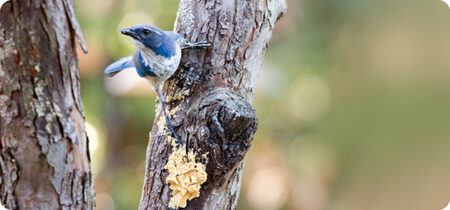
As the practice of seasonal wildlife feeding continues to grow, professional organizations and industry leaders are expanding educational outreach to help the public maximize both their own enjoyment and the ecological benefits of the hobby. Podcasts, digital workshops, and extension literature regularly feature insights from naturalists and ornithology educators.
Experts stress that successful backyard feeding requires adherence to best practices regarding hygiene and safety. Impeccable maintenance of feeding stations—including regular cleaning and disinfection to prevent the spread of avian diseases—is paramount. Furthermore, integrating broader conservation measures, such as planting native vegetation, minimizing window collisions, and reducing pesticide use, complements the immediate benefits of supplemental feeding.
Organizations such as Wild Birds Unlimited, alongside academic institutions like the Cornell Lab of Ornithology, advocate for structured action plans. Programs detailing simple, actionable steps for homeowners—ranging from cat containment to native plant landscaping—provide a framework for year-round environmental stewardship.
Outlook and Future Trends

The convergence of holiday traditions and backyard bird feeding reflects a broader cultural shift toward nature-connected living. As urban and suburban expansion continues to fragment natural habitats, residential yards are increasingly recognized by ecologists as vital ecological stepping stones for urban wildlife.
By treating backyard birds as honored guests during the holiday season, participants not only enhance their own domestic celebrations but also contribute to the collection of citizen-science data and the localized support of wildlife populations. Industry observers anticipate that the intersection of holiday consumer habits, sustainable agriculture, and avian conservation will remain a prominent focus for environmental educators in the years ahead, ensuring that the spirit of gratitude extends far beyond the human dining table.
