
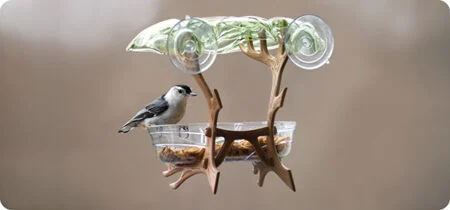
As the autumn foliage peaks and communities across North America prepare for the annual festivities of Halloween, backyard wildlife enthusiasts are discovering innovative ways to incorporate local fauna into the seasonal spirit. While October is traditionally associated with human costumes, carved pumpkins, and confectionery distribution, ornithologists and backyard bird-feeding experts are reframing the holiday through the lens of avian care. Wild Birds Unlimited (WBU) Inc., North America’s largest franchise system of backyard bird feeding and nature specialty stores, has launched a seasonal campaign highlighting specialized feeding "tricks" and nutritional "treats" designed to optimize avian health, attract diverse species, and enhance backyard biodiversity as temperatures drop.
The intersection of seasonal festivities and wildlife management underscores a growing trend among homeowners: utilizing the autumn months to establish reliable, high-energy feeding stations ahead of the rigorous winter season. Experts note that October marks a critical transitional period for migratory and resident birds alike, making it an opportune time to implement specialized feeding strategies.
Main Facts and Seasonal Strategies
The recent initiative by avian care specialists focuses on actionable methodologies to draw a wider variety of birds to residential properties. Moving beyond standard seed and suet offerings, the campaign categorizes its recommendations into operational "tricks"—techniques designed to capture avian attention—and nutritional "treats" that provide vital caloric support.
According to behavioral observations compiled by nature specialists, birds rely heavily on visual and auditory cues to locate sustenance and safe havens. Consequently, introducing specific environmental stimuli can dramatically alter backyard traffic patterns:
- Auditory Attractants: The sound of circulating or dripping water acts as an immediate beacon for local birds. Integrating a dynamic water feature or dripper into a backyard landscape signals a safe, reliable water source, frequently drawing species that might otherwise bypass a traditional seed feeder.
- Visual Cueing: When introducing a new feeder design or an unfamiliar type of bird food, avian hesitation can persist for weeks. Bird behaviorists recommend a simple logistical "trick": scattering a minimal quantity of seed directly on top of or immediately beneath the new apparatus. Because birds primarily forage by sight, this visual confirmation accelerates discovery and utilization rates.
Beyond these tactical adjustments, the campaign emphasizes the importance of dietary diversification as natural food sources begin to dwindle with the onset of colder weather.
Chronology of Avian Preparation and Fall Foraging
Understanding the timing of autumn bird behavior provides essential context for why October interventions are uniquely effective. As daylight hours wane and the first frost approaches, the biological imperative for birds shifts toward intense foraging and fat accumulation.
During late summer and early autumn, many insect populations decline, forcing insectivorous and omnivorous species to alter their diets. Simultaneously, resident birds—such as chickadees, titmice, nuthatches, and woodpeckers—begin caching food to survive sub-zero temperatures.
Jays, in particular, exhibit remarkable chronological patterns during the October harvest. Highly efficient cachers, bluebirds and related corvids frequently target high-energy offerings like unshelled peanuts. Observational data indicates that a single jay can cache up to 100 peanuts in a single day, emptying standard tray feeders rapidly. These birds transport the nutritious provisions up to six miles away from the feeding site, burying them in subterranean caches to retrieve during times of scarcity.
Simultaneously, specialized migratory species require specific macronutrients before completing their seasonal journeys. Orioles seek out high-sugar fruit and jelly supplements, while hummingbirds require high-octane nectar reserves to fuel extended flights. Recognizing this natural calendar allows backyard naturalists to synchronize their feeding protocols with the physiological demands of local wildlife.

Supporting Data and Specialized Nutrition
The shift toward premium, targeted bird foods is supported by decades of observational data from ornithological groups and specialized retailers. Standard mixed seeds often attract a narrow band of dominant species, whereas specialized formulations have been empirically proven to expand local avian biodiversity.
A prominent example highlighted in the recent seasonal campaign is Jim’s Birdacious® Bark Butter®, a proprietary spreadable suet developed to target species that do not typically visit elevated platform or tube feeders. Field documentation from across North America indicates that Bark Butter has successfully attracted 155 distinct bird species. By smearing the high-fat substance directly onto the bark of mature trees or onto the surfaces of active feeders, homeowners replicate natural foraging substrates, enticing bark-drilling and insect-gleaning birds into plain view.
Furthermore, high-energy lipids and proteins—such as whole peanuts, live or dried mealworms, seasonal nectar, and specialty suet cakes—provide the dense caloric intake necessary for avian thermoregulation. Scientific studies on backyard ecology consistently show that supplemental feeding during autumn and winter significantly increases the overwinter survival rates of resident passerines, mitigating the physiological stress induced by sudden temperature drops and habitat fragmentation.
Official Responses and Expert Commentary
Industry leaders and wildlife educators emphasize that seasonal programming serves a dual purpose: entertaining the human observer while directly contributing to wildlife conservation at the micro-habitat level.
John and Brian, co-hosts of the widely syndicated Nature Centered podcast produced by Wild Birds Unlimited, addressed the seasonal transition in a dedicated episode titled Treats for Birds. No Tricks. According to the hosts, framing backyard wildlife care through familiar cultural touchstones like Halloween bridges the gap between casual hobbyists and dedicated naturalists.
"October offers a natural bridge between human celebration and wildlife stewardship," noted representatives from WBU Inc. "By encouraging people to look at their yards through the eyes of local birds, we foster a deeper appreciation for nature’s seasonal rhythms. Whether it is deploying high-energy treats like Bark Butter and peanuts or utilizing sound and sight to guide birds to fresh water, these efforts empower individuals to make a tangible, positive impact on local biodiversity right outside their windows."
The broader network of Wild Birds Unlimited, comprising over 350 franchise locations across the United States and Canada, frequently reports heightened customer engagement during the autumn months. Store operators note an increased consumer demand for specialized feeders, heated bird baths, and high-fat nutritional supplements as communities prepare their properties for the winter season.
Broader Impact and Environmental Implications
The growing popularity of backyard bird feeding carries significant implications for modern conservation and urban ecology. As suburban sprawl continues to encroach upon natural habitats, residential yards increasingly function as vital wildlife corridors.
Urban and suburban green spaces, when properly managed with native plantings, water sources, and reliable supplemental feeding stations, can help offset the loss of natural foraging grounds. Ornithologists point out that citizen science initiatives—such as backyard bird counts and feeder monitoring programs—rely heavily on the data generated by enthusiastic hobbyists. These observations provide researchers with critical metrics regarding population health, migratory shifts, and the prevalence of avian diseases.
Moreover, engaging communities in active wildlife management fosters a broader conservation ethic. When homeowners invest time and resources into understanding the nutritional requirements of local birds during challenging transitional periods, they cultivate a heightened awareness of broader environmental issues, including pesticide reduction, native plant preservation, and climate change impacts on migratory patterns.

As October festivities draw widespread public attention, the integration of wildlife-friendly practices ensures that the seasonal spirit extends far beyond human entertainment. By providing targeted nutrition and safe micro-habitats, backyard naturalists across North America play an active, informed role in supporting avian populations through the pivotal challenges of the autumn season.
