
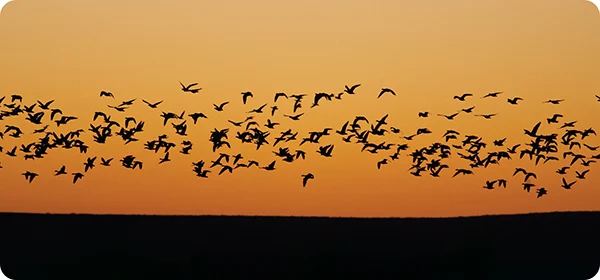
As the northern hemisphere turns the calendar page to September, a profound ecological shift takes place across North America. The transition from summer to autumn is not merely a human cultural milestone marked by the return to school schedules, the conclusion of family vacations, and the shifting focus of major professional sports leagues. Rather, it represents one of the most critical biological turning points of the annual calendar for local flora and fauna. In the natural world, the dwindling daylight hours and dropping temperatures act as an environmental trigger, initiating a complex cascade of physiological changes designed to prepare ecosystems for the coming winter.
For avian species, this seasonal pivot is particularly intense. The arrival of September concludes the arduous reproductive cycle for the vast majority of songbirds and backyard visitors, transitioning adult birds from the exhausting demands of nesting and chick-rearing to an equally rigorous period of self-preservation. Ornithologists and wildlife behaviorists point to this transitional window as a time of immense physiological stress, driven by two monumental biological imperatives: annual molt and long-distance migration. Understanding the physiological hurdles birds face during this period provides backyard naturalists with a unique opportunity to support local wildlife through targeted supplemental feeding and habitat management.
The Physiological Pressures of Autumn: Molt and Migration
To fully comprehend the challenges confronting backyard birds in autumn, one must examine the dual metabolic burdens of feather replacement and fat accumulation. As summer draws to a close, birds undergo an extensive physical transformation known as a molt. Over a typical four- to eight-week period, individuals shed their old, weathered, and UV-damaged plumage and grow an entirely new set of feathers.
This process is far more complex than a simple cosmetic update. Feathers are composed almost entirely of keratin, a specialized structural protein. Consequently, the nutritional demand for dietary protein skyrockets during the molting season. Furthermore, the metabolic energy required to synthesize thousands of individual feathers is immense. Because worn plumage compromises flight efficiency and diminishes thermal insulation—both of which are lethal vulnerabilities as temperatures drop—failure to complete a successful molt is not an option for survival.
Simultaneously, a vast number of avian species are gearing up for migration. The physiological preparation for an international or transcontinental journey defies ordinary biological limits. Many migratory species must double their body weight in a matter of weeks, packing on dense layers of subcutaneous fat to serve as internal fuel reserves. This state of hyperphagia—compulsive, excessive eating—drives birds to forage incessantly during daylight hours, consuming high-calorie items at an unprecedented rate.
The Convergence of Shifting Habitats and Natural Forage

While birds are undergoing these internal transformations, their external environment is undergoing an equally dramatic metamorphosis. Botanically, deciduous trees shift from nutrient production to nutrient storage, transforming lush green canopies into brilliant displays of autumn color before dropping their leaves entirely. Wild food sources also transition rapidly; delicate summer wildflowers and green shoots give way to hard-shelled seeds, lipid-rich nuts, and persistent berries.
However, the natural abundance of high-energy food sources can be erratic, and competition among wildlife peaks as mammals and resident birds alike rush to cache food or build their own winter fat reserves. Urbanization and habitat fragmentation have further compressed the natural foraging grounds available to migratory and resident species alike, placing an even heavier reliance on well-managed suburban and rural green spaces.
The Role of the Backyard Naturalist: Meeting High-Calorie Demands
Given the narrow margin for error during the autumn transition, wildlife experts emphasize that this is the prime window for human intervention through backyard bird feeding stations. Providing the correct balance of macronutrients can mean the difference between life and death for vulnerable migrants and stressed resident birds.
Avian nutritionists and wildlife organizations, including Wild Birds Unlimited (WBU), stress that autumn menus must prioritize lipids and proteins. Standard low-cost seed mixes filled with lightweight fillers offer little value to birds facing the energy-intensive demands of molt and fat deposition. Instead, specialized high-energy offerings become essential components of a successful feeding station.
Industry recommendations highlight several key food types that deliver the necessary nutritional density:
- Plus Blends and High-Fat Seed Blends: Specially formulated seed mixes designed to provide concentrated calories.
- Peanuts: Rich in both high-quality plant proteins and healthy fats, highly favored by jays, titmice, and woodpeckers.
- Nyjer® (Safflower/Thistle): Offers high oil content favored by smaller finches preparing for localized movements or migration.
- Sunflower Chips: Stripped of their hulls, these provide immediate, easy-to-digest fat and protein without the energetic waste of cracking shells.
- Suet and Bark Butter® Products: Rendered animal fats mixed with proteins, insects, or seeds, serving as supreme thermal fuel sources as nighttime temperatures plunge.
By deploying these nutrient-dense foods, backyard observers not only assist wildlife in navigating their most challenging seasonal bottleneck but also secure a front-row seat to some of the most dynamic bird-watching of the entire year.
Expert Insights and Broader Ecological Implications

To unpack the intricacies of this seasonal shift, natural history programming has increasingly focused on the mechanics of wildlife transitions. Industry leaders and educators regularly dissect the science of autumn behavior through specialized platforms, such as the Nature Centered podcast, hosted by avian authorities John and Brian. Their analyses underscore that backyard bird feeding is far more than a passive hobby; it functions as a critical supplemental lifeline within modern fragmented ecosystems.
From a broader ecological perspective, the health of backyard bird populations during the autumn transition ripples outward through the entire local food web. Birds that successfully complete their molt and build adequate fat reserves exhibit higher over-winter survival rates, returning in the spring to bolster breeding populations. Conversely, nutritional deficits during September can lead to failed migrations, increased predation due to poor flight mechanics, or fatal hypothermia during early autumn cold snaps.
As human communities settle into their own autumn routines, recognizing the parallel struggles and triumphs of the natural world fosters a deeper connection to local ecosystems. By aligning backyard conservation efforts with the biological realities of molt and migration, individuals transform their yards into vital sanctuaries, ensuring that local bird populations weather the seasonal transition successfully and return to fill the spring landscape with life.
