
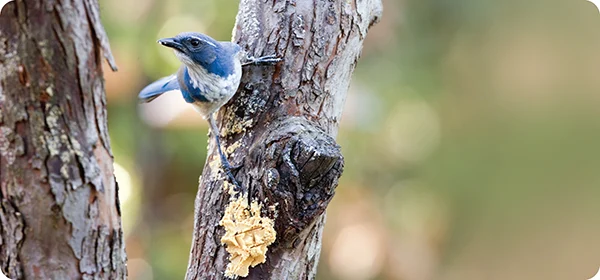
The Thanksgiving holiday traditionally centers around elaborate culinary spreads, family gatherings, and shared entertainment ranging from football games to outdoor hikes. For millions of households across North America, however, the holiday entertainment extends directly into the backyard, where observers watch and support local wildlife. As families prepare their own holiday tables, wildlife experts and environmental organizations are encouraging citizens to extend that spirit of hospitality to backyard birds by upgrading feeding stations and incorporating bird-conscious consumer habits into their holiday routines.
This intersection of human holiday celebration and wildlife conservation highlights a growing trend in backyard ornithology and hobbyist bird feeding. According to data from the U.S. Fish and Wildlife Service, tens of millions of Americans participate in backyard bird feeding, contributing billions of dollars annually to the economy through seed, feeder, and equipment purchases. During late autumn, as natural food sources begin to dwindle due to seasonal changes, supplementing local ecosystems with high-energy foods becomes increasingly critical for the survival of resident and migratory bird populations.
Main Facts and Seasonal Context
The operational dynamics of backyard bird feeding change significantly as temperatures drop. Late November marks a critical transition period for North American birds. Insects have largely disappeared, annual seed production has peaked and begun to rot or deplete, and cold weather increases the metabolic demands of small birds striving to maintain their core body temperature through frigid nights.
Wild Birds Unlimited (WBU) Inc., a prominent franchise network specializing in backyard nature and bird feeding, emphasizes that an ideal backyard "feast" for birds requires careful preparation mirroring human hospitality. Just as a host ensures a clean dining room and fresh provisions for human guests, ornithological hobbyists are advised to thoroughly sanitize backyard feeders and provide fresh, unfrozen water alongside specialized nutritional offerings.
The recommended menu for a winter bird feast goes beyond basic mixed seeds. Experts suggest establishing a foundational offering of high-quality seed blends, high-fat suet, and Nyjer seed to attract finches, juncos, and sparrows. To elevate the feeding station into a true holiday feast, natural supplements such as shelled peanuts, specialized bark butter products, and nutrient-dense winter superblends can be introduced. These high-calorie items supply the necessary lipids and proteins that birds require to endure severe winter weather conditions.
Chronology of the Backyard Bird Feeding Movement
The practice of intentional winter bird feeding has evolved from a casual, sporadic hobby into a sophisticated, science-backed practice supported by conservation organizations.
In the early and mid-20th century, backyard bird feeding was largely limited to tossing kitchen scraps or simple black-oil sunflower seeds onto the ground or onto crude wooden platforms.

By the late 1970s and 1980s, the establishment of specialized retail stores dedicated entirely to backyard birds professionalized the hobby. Retailers introduced predator-resistant feeder designs, nutritionally tailored seed formulations, and educational resources aimed at maximizing avian health while minimizing risks such as disease transmission and window collisions.
In the 21st century, the movement has integrated heavily with digital technology and citizen science initiatives. Programs managed by institutions such as the Cornell Lab of Ornithology utilize observations from backyard feeders—such as the annual Great Backyard Bird Count—to track population distributions, disease outbreaks, and migration shifts across the continent. What began as a localized winter pastime has transformed into a vital component of grassroots wildlife conservation and ecological data collection.
Supporting Data and Nutritional Science
Avian physiology during the autumn and winter months requires specialized nutritional planning. Small passerines, such as chickadees, titmice, and nuthatches, must consume a significant portion of their body weight daily in high-energy foods simply to survive a single cold night.
Research conducted by wildlife nutritionists indicates that high-fat foods, particularly rendered suet and raw peanuts, are vital during cold snaps. Fat stores provide more than twice the metabolic energy per gram compared to carbohydrates or proteins, serving as an essential thermal reserve. Furthermore, access to reliable open water sources is frequently cited by ornithologists as the single most effective way to attract a diverse array of species to a yard, as natural water sources often freeze over or become inaccessible.
Beyond direct feeding, broader consumer choices heavily impact migratory bird populations. According to environmental data compiled by conservation groups, shade-grown coffee farming plays a pivotal role in preserving the winter habitats of more than 42 species of North American migratory songbirds. Traditional sun-grown coffee plantations require the complete clearing of forest canopies, destroying vital tropical ecosystems. In contrast, shade-grown agricultural models maintain a multi-layered forest canopy that mimics natural jungle habitats, offering shelter, foraging grounds, and protection from predators for warblers, tanagers, thrushes, and orioles during their winter migration. By choosing bird-friendly, shade-grown coffee during holiday gatherings, consumers directly subsidize the preservation of critical tropical habitats.
Official Responses and Expert Perspectives
Wildlife biologists and avian conservationists continually stress that backyard feeding, while beneficial, must be paired with broader environmental stewardship. Organizations like the Cornell Lab of Ornithology advocate for comprehensive habitat management through initiatives such as their "Seven Simple Actions to Help Birds." These recommendations include keeping cats indoors, preventing window collisions through specialized decals or treatments, reducing pesticide use, planting native vegetation, and participating in citizen science monitoring programs.
Representatives from educational and hobbyist platforms note that engaging with backyard wildlife offers documented mental health benefits for humans while fostering a deeper appreciation for local ecosystems. Podcasts and educational media outlets frequently highlight that observing backyard birds encourages a mindful connection to the changing seasons, transforming passive outdoor spaces into dynamic, living habitats. Industry experts point out that when humans invest time and resources into maintaining clean, well-stocked feeding stations, the reciprocal benefit is an enriched daily experience characterized by vibrant biodiversity right outside the window.
Broader Impact and Environmental Implications

The integration of wildlife welfare into holiday traditions reflects a broader cultural shift toward holistic environmental awareness. As suburban sprawl and agricultural expansion continue to fragment natural habitats, residential yards increasingly serve as crucial ecological stepping stones or micro-reserves for local wildlife.
Urban and suburban green spaces, when properly managed with native plants, clean water sources, and nutritious supplemental feeding stations, can sustain remarkably diverse avian populations. However, experts caution that poorly maintained feeders can inadvertently cause harm by spreading diseases such as salmonellosis or trichomoniasis among flocking birds. Consequently, the emphasis on rigorous feeder hygiene—regularly scrubbing ports, disinfecting surfaces with safe cleaning solutions, and discarding spoiled seed—has become a cornerstone of responsible hobbyist participation.
Ultimately, combining personal holiday feasting with active backyard conservation creates a symbiotic relationship between human celebration and ecological responsibility. By viewing backyard birds as extended members of the holiday community, participants not only enhance their seasonal festivities but also contribute meaningfully to the preservation of local and migratory bird populations facing mounting environmental pressures.
