
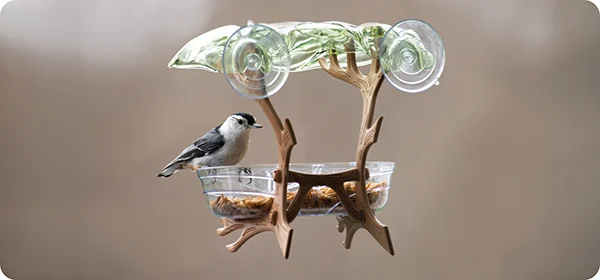
As the autumn foliage peaks and communities across North America prepare for the annual festivities of October, backyard ornithologists and wildlife enthusiasts are finding innovative ways to incorporate local fauna into the seasonal celebrations. Wild Birds Unlimited (WBU) Inc., North America’s largest franchise system specializing in backyard bird feeding and nature products, has released a comprehensive guide detailing how homeowners can apply playful seasonal concepts—specifically "tricks" and "treats"—to enhance avian activity in their yards during the colder transition months.
While Halloween is traditionally associated with human costumed revelry and confections, wildlife experts emphasize that autumn represents a critical physiological period for backyard birds. As natural resources shift with the changing climate, implementing strategic feeding practices and environmental modifications can significantly benefit local avian populations preparing for winter.
Main Facts and Seasonal Context
The transition from late summer to mid-autumn requires birds to adapt rapidly to changing food availability and dropping temperatures. According to wildlife authorities, backyard feeding stations become increasingly vital during this period as migratory species move south and resident species build up fat reserves for the winter months.
To bridge the gap between seasonal folklore and practical ornithology, Wild Birds Unlimited has outlined a series of expert-backed methodologies designed to optimize backyard habitats. These recommendations are divided into two distinct categories: environmental "tricks" aimed at increasing visibility and attraction, and nutritional "treats" that provide high-energy sustenance beyond standard seed blends.
Proven Backyard "Tricks" to Attract Avian Wildlife
Attracting a diverse array of birds to a residential property involves more than simply filling a standard hanging feeder. Wildlife specialists note that birds rely heavily on sensory cues, primarily sight and sound, to locate viable feeding and watering grounds.
The Power of Moving Water
One of the most effective catalysts for attracting birds to a backyard is the introduction of moving water. Avian species possess exceptional auditory senses and are naturally drawn to the sound of bubbling, dripping, or flowing water. Installing a dedicated water feature equipped with a circulating pump or a specialized dripper serves as a powerful wildlife magnet. Once avian visitors arrive to bathe or drink, they frequently discover nearby supplementary feeding stations.
Accelerating Feeder Discovery
Introducing a novel bird feeder or an unfamiliar food source to an established yard can sometimes present a challenge. Birds are creatures of habit, and it can occasionally take weeks for local flocks to discover and utilize newly installed equipment. To expedite this process, wildlife experts recommend a simple visual "trick": scattering a minimal, strategic amount of seed directly on top of or immediately beneath the new feeder. Because many birds primarily locate food sources through visual scanning, this ground-level cue draws immediate attention to the new installation.
High-Energy Nutritional "Treats" for Autumn
As the metabolic demands of resident and migrating birds increase during October, standard everyday seeds and suet blocks can be supplemented with specialized, high-energy offerings. Industry experts stress that these seasonal treats provide crucial caloric density as ambient temperatures drop.
Bark Butter and Specialized Suet Products
Among the most notable specialty foods developed for backyard feeding is Jim’s Birdacious® Bark Butter®, a proprietary spreadable suet product. According to historical tracking data provided by wildlife supply networks, Bark Butter has been documented attracting an impressive 155 distinct bird species across North America. Many of these visiting species do not typically frequent standard tray or tube feeders.

The operational "trick" for utilizing spreadable suet effectively involves applying a thin layer directly onto the bark of a mature tree within sight of existing feeders, or smearing it across active platform surfaces. This mimics natural foraging behaviors for trunk-climbing species such as nuthatches, creepers, and various woodpeckers.
The Dynamics of Peanut Caching
Peanuts represent another exceptional high-energy food source favored by a wide variety of North American wildlife, including titmice, chickadees, bushtits, and woodpeckers. Members of the Corvidae family—specifically jays—exhibit a particular affinity for whole peanuts in the shell.
Observational data highlights the fascinating hoarding behaviors of jays during the autumn harvest season. When provided with in-shell peanuts, jays will frequently empty a standard tray feeder in rapid succession. Rather than consuming the high-protein nuts immediately, they engage in scatter-hoarding, burying individual peanuts in the ground up to six miles away from the original feeding site. Research indicates that a single jay can cache up to 100 peanuts in a single day, an ecological process that incidentally aids in reforestation and seed dispersal across local ecosystems.
Expanding the Menu: Mealworms, Fruit, and Nectar
To accommodate the specific dietary preferences of a broader range of autumn wildlife, conservationists recommend diversifying offerings based on species-specific needs:
- Mealworms: Highly effective for attracting insectivorous species such as bluebirds, which appreciate the high protein content as natural insect populations decline with the frost.
- Fruit and Jelly: Providing fresh fruit slices or specialized bird-safe jelly can attract late-season migratory species, including orioles and catbirds.
- Nectar: Maintaining clean nectar feeders well into the autumn months ensures that resident or lingering migratory hummingbirds retain access to quick carbohydrate sources essential for their demanding metabolisms.
Industry Guidance and Expert Commentary
As backyard bird feeding continues to rank among the most popular outdoor hobbies across the United States and Canada, organizations like Wild Birds Unlimited emphasize the importance of education and responsible wildlife management.
In conjunction with their seasonal outreach, WBU representatives host educational media, including specialized podcast episodes such as the Nature Centered podcast series, hosted by industry authorities John and Brian. These recurring broadcasts analyze avian behavior, seasonal nutritional requirements, and optimal backyard habitat design, offering actionable advice for both novice and experienced hobbyists.
Industry analysts note that consumer interest in backyard nature products experiences a measurable surge during the autumn and winter months. As homeowners spend more time indoors looking out toward their yards, engagement with localized wildlife serves as a vital bridge between urban environments and natural conservation efforts.
Broader Environmental Implications
While feeding backyard birds is often viewed primarily as a recreational pastime, wildlife biologists and conservation organizations point out that supplemental feeding plays a supportive role in local ecosystem health, particularly in heavily fragmented suburban landscapes.
Urbanization and habitat loss have reduced the availability of native seed-bearing plants and natural foraging grounds. By establishing well-maintained feeding stations and incorporating water features, homeowners provide critical ecological support during periods of high environmental stress, such as seasonal transitions and severe weather events.
However, experts also underscore the responsibility that accompanies backyard feeding. Proper sanitation of feeders, the prevention of avian disease transmission through regular cleaning, and the use of high-quality, filler-free seed mixtures are critical components of ethical wildlife stewardship.

As communities embrace the autumn season, integrating creative feeding strategies not only enriches the human experience of backyard wildlife observation but also contributes to the resilience of local bird populations as they navigate the challenges of the changing year.
