
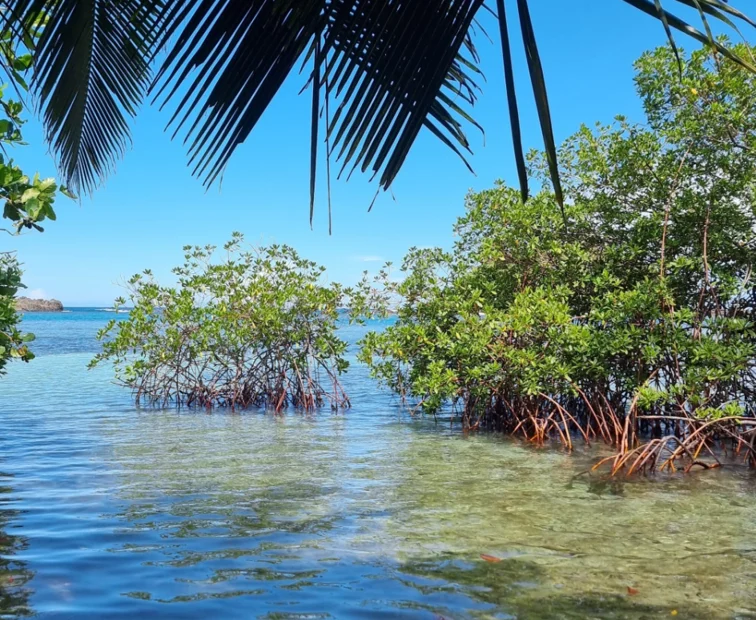
Panama stands at a critical juncture in its environmental stewardship, according to a landmark report released on October 26, 2026. Titled Mobilizing the Mangrove Breakthrough in Panama and developed jointly by the Global Mangrove Alliance and the Mangrove Breakthrough, the study underscores that while the Central American nation has made notable strides in environmental policy, its vital coastal ecosystems remain acutely vulnerable. Published to coincide with the Convention on Biological Diversity (CBD) COP17 meetings in Armenia, the report outlines a comprehensive roadmap for reversing decades of ecological decline, halting ongoing habitat loss along the Pacific coastline, and tapping into emerging climate and blue carbon financial mechanisms.
The findings emphasize that Panama has a unique opportunity to scale up its conservation and restoration initiatives. However, this potential is tempered by stark historical losses. Despite signs of modest ecological recovery since 2007, the country has witnessed the destruction of approximately 50 percent of its total mangrove area since 1969. Environmental experts argue that without immediate, coordinated intervention, the ecological and economic security of Panama’s coastal populations could be severely compromised.
Historical Context and Geographic Significance
Panama’s mangroves are an irreplaceable national and regional asset. Encompassing more than 1,700 square kilometers, the nation’s mangrove forests account for roughly 30 percent of Central America’s total mangrove cover and represent about 2.4 percent of the global total. Furthermore, Panama boasts the highest mangrove species richness in the region, harboring approximately 18 percent of all mangrove species worldwide. Among these, four species are currently listed as threatened on the International Union for Conservation of Nature (IUCN) Red List, highlighting the fragility of these rich ecological zones.
Ecologically and socioeconomically, these forests are the lifeblood of Panama’s coastal communities. They underpin regional food security and local livelihoods through artisanal fisheries, shellfish collection, and ecotourism. Economically, the ecosystem services provided by mangroves at several key sites across the country are valued conservatively between $27 million and $57 million annually. Beyond economic valuation, these coastal forests serve as natural protective barriers, shielding thousands of residents and millions of dollars in coastal infrastructure from severe storms, tropical weather events, and sea-level rise. Additionally, they function as powerful carbon sinks, storing massive amounts of blue carbon that contribute directly to global climate change mitigation efforts.
Pressures Along the Pacific Coast
Despite their immense value, Panama’s mangroves face severe, continuous threats. The new report identifies the Pacific coast—specifically the provinces of Chiriquí, Darién, Panama, and Veraguas—as the primary zone of concern. These regions are experiencing the most intense pressures from anthropogenic activities, primarily driven by the expansion of coastal tourism infrastructure, intensive agriculture, and commercial shrimp aquaculture.
While legal frameworks exist to protect these ecosystems, enforcement limitations and gaps in land-use regulation continue to undermine conservation efforts. The report highlights that while approximately 37 percent of Panama’s mangrove cover benefits from formal protection within designated protected areas, and 26 percent is recognized under the Ramsar Convention on Wetlands, many high-pressure areas remain dangerously unprotected. Addressing these vulnerabilities will require rigorous monitoring, improved governance, and strict enforcement of existing environmental laws.
A Strong Policy Foundation and Future Targets
Panama is not starting from scratch in its conservation journey. The country possesses a robust policy framework designed to safeguard its natural heritage. This foundation includes the national Nature Pledge, which unifies Panama’s commitments under the three Rio Conventions, the National Wetlands Policy, the National Environmental Strategy (2021–2031), and ongoing obligations under the Ramsar Convention. Furthermore, Panama has formally achieved the ambitious "30×30 Initiative" targets under the Post-2020 Global Biodiversity Framework, proving its alignment with overarching international conservation objectives.
Looking forward, Panama’s Nature Pledge establishes aggressive future milestones. By 2035, the country aims to restore 2,500 hectares of degraded mangroves, expand protected areas to cover 40 percent of its land territory, and safeguard 60 percent of its marine and inland waters—including mangrove ecosystems. Crucially, the strategy includes a zero-tolerance stance on illegal deforestation.
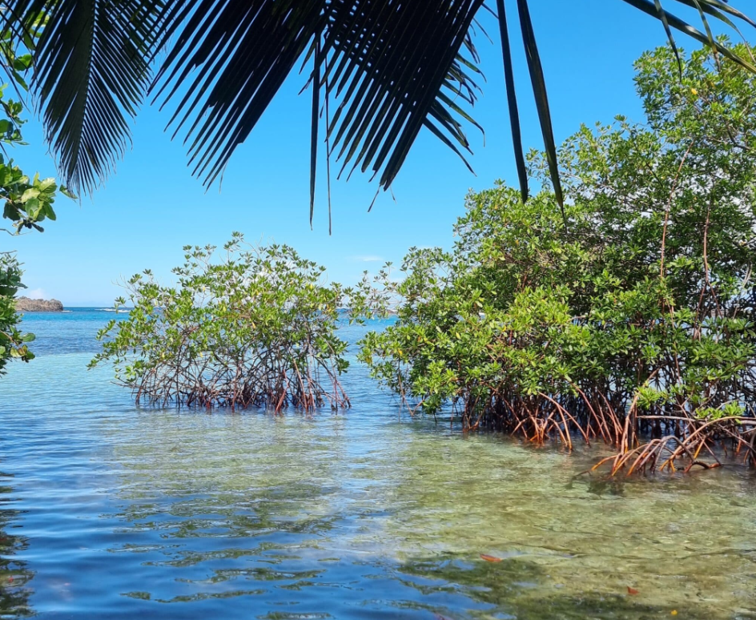
To support these goals, the nation has already established a national database of degraded mangrove areas, published a comprehensive restoration manual, and identified high-priority sites for intervention. Community engagement is exceptionally high; data indicates that roughly 60 percent of surveyed coastal residents already participate in local restoration efforts and express a strong desire to continue doing so.
Voices from the Ground: Stakeholder Perspectives
Local environmental leaders and international conservation partners emphasize that bridging the gap between high-level policy and on-the-ground impact will require multi-sector collaboration.
Mayllely Cabrera of Wetlands International Panama noted that the newly released report mirrors the realities observed daily in the field. "Panama’s mangroves can recover when we restore the conditions they need to thrive," Cabrera stated. "Our approach starts with the ecosystem itself: reopening tidal channels and restoring natural water flows, and planting mangroves only where needed, working with the private sector, civil society, authorities, and side by side with local communities."
Cabrera further stressed that the primary hurdle is implementation at scale. "Panama already has policies, local knowledge, and committed communities. The challenge now is to turn that into action at scale: protect the areas under the greatest pressure, restore degraded mangroves with solutions tailored to each place, and unlock sustainable finance that truly reaches the communities who depend on and care for these ecosystems. We remain committed to working alongside the Ministry of Environment, local communities, and our partners to make the Mangrove Breakthrough a reality in Panama."
The sense of anticipation is further heightened by Panama’s upcoming role as a major international host. Yenifer Lisbet Diaz Wong of Audubon Panamá pointed out that the country is preparing to welcome the global conservation community for two monumental events: the IUCN World Protected and Conserved Areas Congress in September 2027, and the 16th Conference of the Parties to the Convention on Wetlands (COP16) in June 2028.
"We invite governments, communities, partners, and funders to join us on this journey and make these moments a turning point for mangroves and other wetlands," Diaz Wong said. "Together, we can show the world how protecting the mangroves under greatest pressure and restoring degraded areas with science and communities delivers lasting results, and make Panama a reference for Central America and beyond."
Pathways to Scale: Restoration, Finance, and Global Implications
To successfully capitalize on these opportunities, the report outlines clear strategic priorities for the government and its partners. For restoration initiatives to succeed, stakeholders must address complex issues surrounding land tenure, socio-economic inclusion, and operational capacity. Restoration methodologies must be tailored to specific local conditions, particularly in areas where historical alterations—such as drainage, channelization, sedimentation, and modified hydrology—have disrupted natural regeneration processes. Integrating mangrove restoration into broader watershed and coastal zone management frameworks will also be vital to mitigating upstream development pressures.
Concurrently, unlocking sustainable finance remains a cornerstone of the strategy. The integration of emerging blue carbon markets and climate finance mechanisms, including national funding instruments like Fondo Panamá Natural, provides a viable economic pathway to accelerate protection and restoration efforts. By pairing these financial innovations with continued partnerships between national and international non-governmental organizations, Panama can enhance its institutional readiness.
The broader implications of Panama’s mangrove strategy extend well beyond its borders. As a key participant in the global Mangrove Breakthrough—a worldwide movement seeking to mobilize $4 billion to protect and restore 15 million hectares of mangroves globally by 2030—Panama’s success could serve as a blueprint for tropical developing nations worldwide. By demonstrating that rigorous science, community empowerment, and targeted financial investment can halt degradation and foster recovery, Panama is positioning itself not only as a regional leader in Central America, but as a crucial player in the global fight against climate change and biodiversity loss.
