
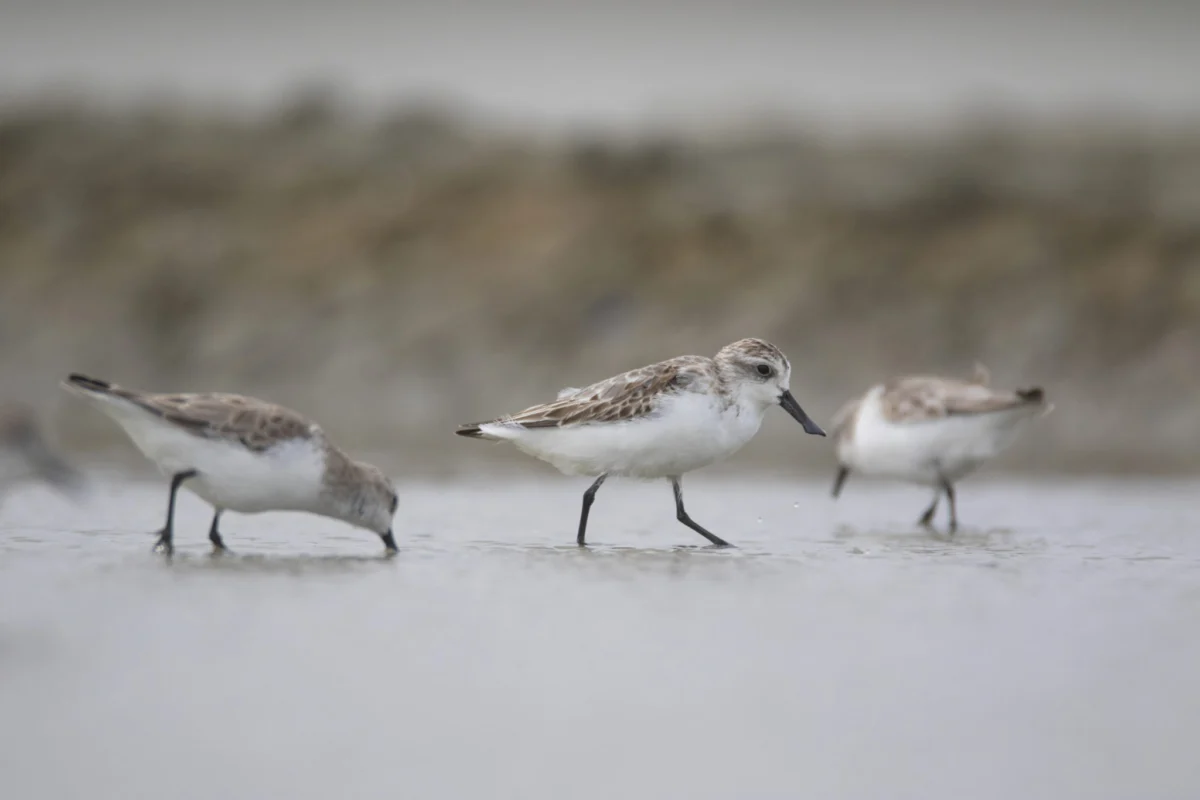
Every spring and autumn, the skies above our continents become corridors for one of nature’s most awe-inspiring spectacles. Millions of migratory birds undertake epic journeys spanning thousands of kilometers, navigating vast oceans, soaring mountain ranges, and crossing continental borders to move between their breeding and wintering grounds. Yet, this ancient rhythm of life is encountering an unprecedented anthropogenic bottleneck. According to a landmark global assessment released by BirdLife International—the State of the World’s Birds report—a staggering 45 percent of the world’s over 2,000 migratory bird species are currently in population decline.
The crisis is most acute among coastal and inland waterbirds. Migratory shorebirds are experiencing the steepest downward trajectories of any avian group, with 54 percent of species dwindling in numbers. This steady attrition has already crossed tragic thresholds. The formal extinction declaration of the slender-billed curlew last year stands as a sobering testament to the velocity of biodiversity loss. Far from an isolated tragedy, the disappearance of the slender-billed curlew reflects a broader systemic collapse. Globally, 11 percent of all migratory bird species now face the immediate threat of extinction, while historical records confirm or strongly suspect that at least seven species have vanished entirely over the past century and a half.
Understanding the Drivers of Avian Decline
The catalysts behind this ecological unraveling are neither mysterious nor natural; they are entirely man-made. Environmental scientists and conservation biologists point to a converging triad of pressures: accelerating climate change, pervasive pollution, and unsustainable infrastructure development.
As global temperatures rise and weather patterns shift, the delicate timing—or phenology—of migration is falling out of sync with resource availability. Birds arriving at traditional stopover sites may find that the insects, seeds, or aquatic invertebrates they rely on have already peaked or failed due to unseasonal warmth or drought. Concurrently, chemical pollution from agricultural runoff and industrial waste poisons freshwater systems and coastal estuaries, while poorly planned coastal reclamation, urban sprawl, and industrial aquaculture destroy the vital habitats these animals need to refuel.
Beyond their intrinsic value, migratory birds play irreplaceable functional roles as ecosystem regulators. They act as mobile agents of seed dispersal across vast landscapes, exert natural top-down control on insect populations, and maintain the complex health of aquatic and terrestrial biomes. The widespread reduction in bird populations triggers a ripple effect through global food webs, directly impairing vital ecosystem services such as natural pest control and pollination. Because birds are extraordinarily sensitive to environmental stressors and boast a long history of comprehensive scientific monitoring compared to other taxonomic groups, their declining populations serve as an undeniable canary in the coal mine for the health of the planet as a whole.
The Lifeline of Global Flyways and Wetland Ecosystems
The survival of migratory birds is inextricably linked to the health of the world’s wetlands. For the vast majority of migratory species, coastal mudflats, river deltas, peatlands, and inland lakes are not merely pleasant stopovers; they are mandatory refuel stations essential for completing arduous intercontinental journeys.
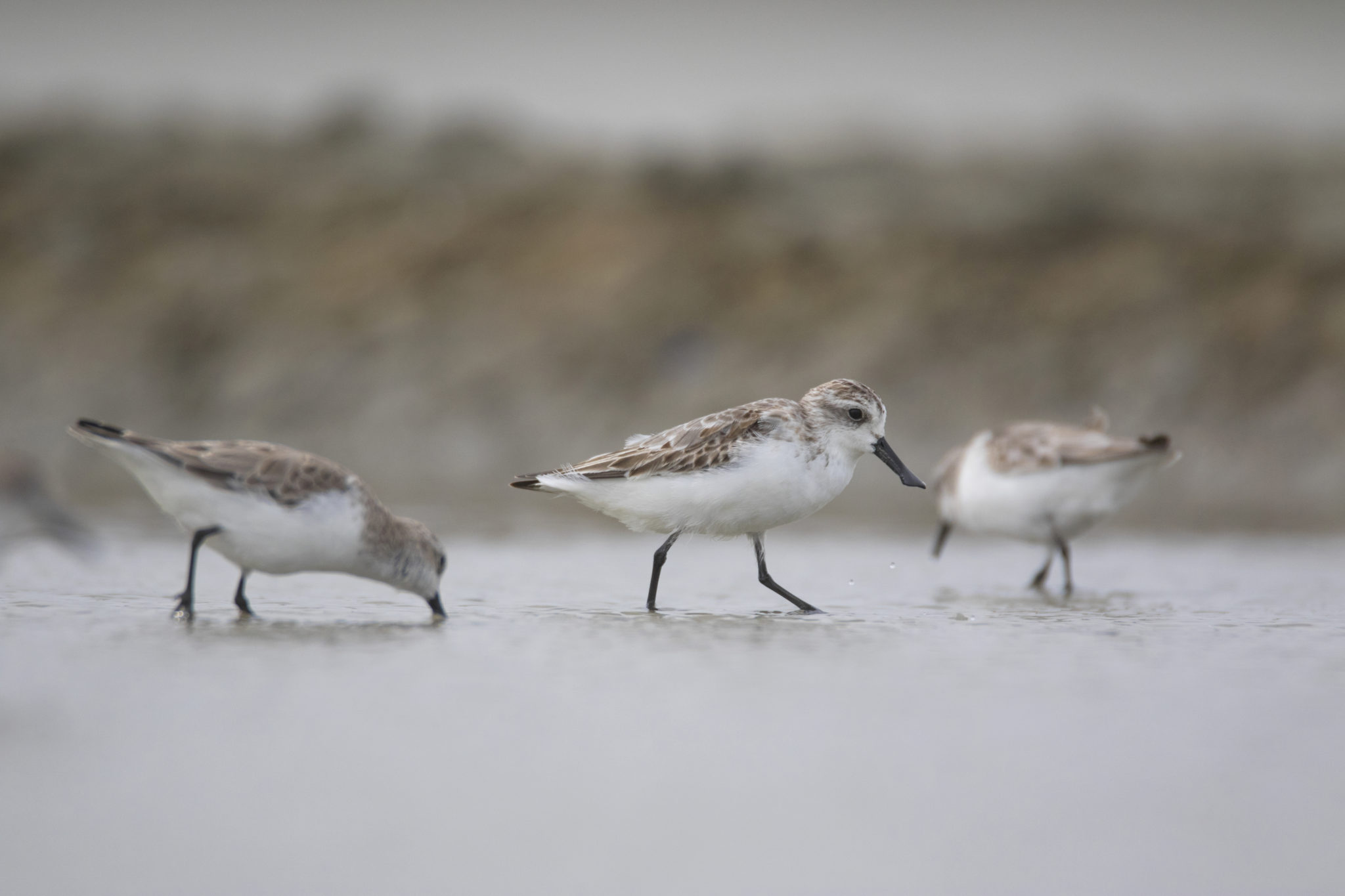
Consider the East Atlantic Flyway, an oceanic and coastal highway stretching from the breeding grounds of the high Arctic all the way down to the southern tip of Africa. This expansive route sustains millions of birds, including highly vulnerable and critically endangered populations such as the spoon-billed sandpiper. Similarly, the East Asian-Australasian Flyway spans 22 nations, supporting an estimated 50 million migratory waterbirds encompassing more than 210 distinct species.
Along these flyways, ecological interdependency is absolute. The degradation or loss of a single intertidal mudflat in the Yellow Sea of China, for example, can cascade across thousands of miles, leaving migrating red knots without a place to rest, forage, and build the physical reserves necessary to complete their northern migration and successfully raise fledglings. Likewise, the peatlands and high-altitude wetlands of Central Asia and Mongolia are non-negotiable stepping stones for the threatened Siberian crane as it navigates between Siberian breeding grounds and wintering habitats in China.
Despite their monumental ecological and economic importance, wetlands remain among the most undervalued and heavily degraded ecosystems on Earth. Rivers are frequently engineered into concrete drainage channels, lakes are pumped dry or treated as industrial sinks, and vast tracts of natural wetlands are historically stigmatized as wastelands ripe for conversion. This systemic undervaluation has driven the loss of approximately 22 percent of the world’s remaining wetlands since 1970. Today, these critical environments continue to be systematically drained, dammed, dredged, and degraded at an alarming velocity.
A Chronology of Mounting Pressures and Conservation Milestones
To grasp the trajectory of the current conservation crisis, experts look back at decades of accumulating environmental stress matched against international policy frameworks.
During the latter half of the 20th century, rapid industrialization and post-war economic development accelerated the reclamation of major river deltas and coastal wetlands across North America, Europe, and parts of Asia. By the 1970s, the international community recognized the emergency, leading to the adoption of the Ramsar Convention on Wetlands in 1971—an intergovernmental treaty dedicated to the conservation and wise use of wetland resources.
Despite such policy instruments, the pace of wetland conversion outstripped conservation gains. Throughout the 1990s and 2000s, intensive coastal development in East Asia severely fragmented the East Asian-Australasian Flyway. By the 2010s, scientific monitoring began registering precipitous drops in shorebird populations, signaling that localized habitat loss was translating into macro-level population crashes. The official extinction of the slender-billed curlew, confirmed in recent assessments following decades of absence in its traditional European and Middle Eastern wintering grounds, marked a tragic milestone: the first documented global extinction of a migratory bird species in modern times. This sobering event catalyzed renewed urgency within the global conservation community, shifting the focus from passive monitoring to aggressive, science-driven habitat restoration.
Official Responses and Strategic Intervention
Conservation organizations, intergovernmental bodies, and ecological networks are actively responding to the crisis through targeted, multi-flyway interventions. Organizations like Wetlands International are spearheading large-scale initiatives that combine active physical restoration of degraded wetlands with the permanent legal protection of intact, high-value ecosystems.
Central to these modern conservation strategies is the continuous collection and synthesis of rigorous scientific data. By leveraging satellite telemetry, citizen science initiatives, and standardized shorebird counts, researchers can map shifting flyway usage patterns in real-time, allowing conservationists to direct resources toward the most critical bottleneck habitats before further species reach the point of no return.
The loss of the slender-billed curlew serves as a stark warning to governments and environmental stewards worldwide. Addressing international leaders and conservation partners, Coenraad Krijger, CEO of Wetlands International, emphasized the gravity of the situation: "This loss of the Slender-billed Curlew is another deafening wake up call. We must urgently accelerate efforts to save the world’s migratory waterbirds and the wetlands they depend on before more species join the lengthening list of those that are gone for good."
Broader Implications and the Path Forward
The escalating crisis facing migratory birds and wetlands extends far beyond the realm of wildlife conservation; it strikes at the heart of human security and global sustainability. Wetlands are formidable natural buffers against climate change. Acting as massive carbon sinks, healthy peatlands, mangroves, and marshes store gigatons of carbon dioxide that would otherwise accelerate global warming. Furthermore, intact wetlands provide essential natural infrastructure—mitigating the impacts of extreme weather events, buffering coastal communities from storm surges, filtering pollutants from freshwater supplies, and regulating regional hydrological cycles.
When migratory bird populations plummet, it signals a systemic failure in the management of these shared global resources. Because migratory species routinely cross national jurisdictions, protecting them requires unprecedented levels of international cooperation, harmonized environmental policies, and cross-border financial commitments.
The path forward demands a fundamental paradigm shift in how human societies value wetlands and natural landscapes. Moving away from viewing these environments as expendable real estate and toward recognizing them as essential life-support systems is no longer optional. Stabilizing and eventually reversing the decline of the world’s migratory birds will require a unified global commitment: stopping the degradation of remaining wetlands, scaling up ecological restoration projects on an unprecedented scale, and integrating rigorous flyway science into economic and infrastructure planning. Only through such coordinated, cross-sectoral action can humanity ensure that the skies continue to fill with the magnificent migrations that have enriched our planet for millennia.
