
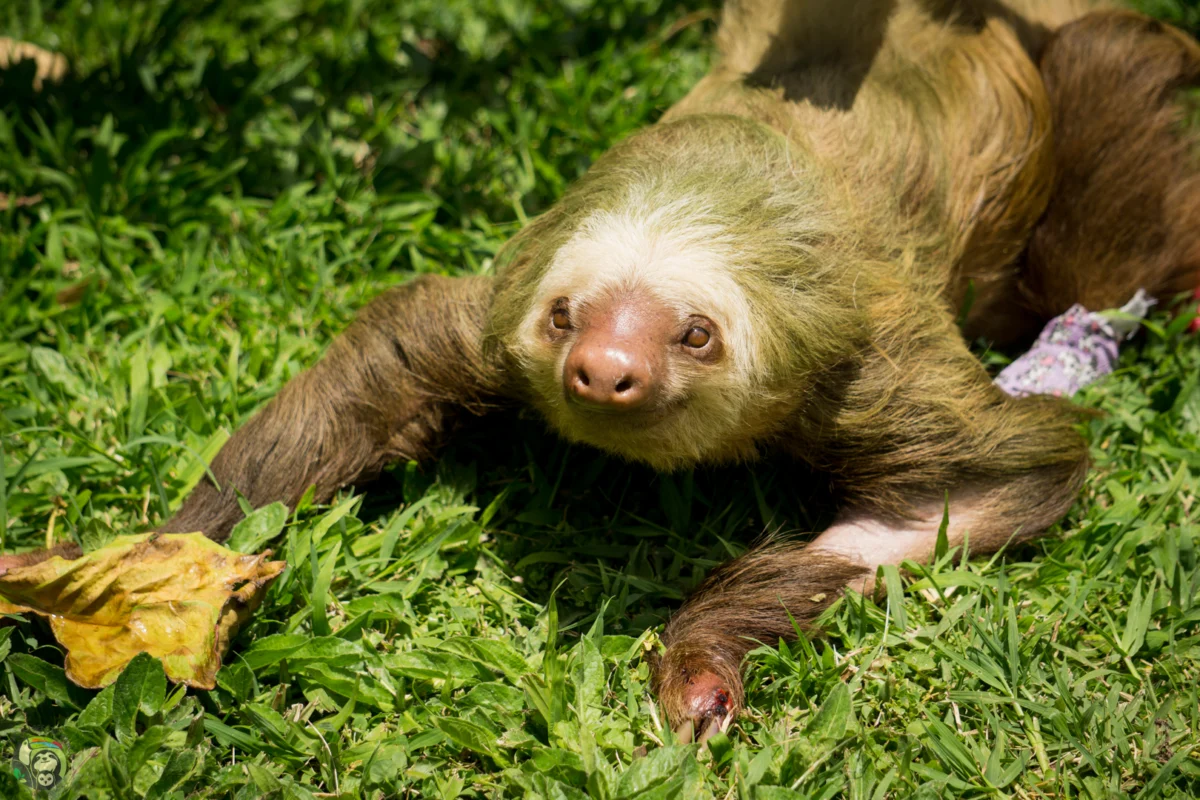
The Toucan Rescue Ranch (TRR), a premier wildlife rescue and rehabilitation facility located in the highlands of Heredia, Costa Rica, has established itself as a global leader in the application of advanced veterinary medicine to the conservation of neotropical fauna. Operating at the intersection of emergency clinical care and long-term ecological restoration, the sanctuary provides a sophisticated medical lifeline for animals that have fallen victim to habitat loss, the illegal pet trade, and anthropogenic accidents. As Costa Rica continues to navigate the complexities of maintaining its status as a global biodiversity hotspot—holding nearly 5% of the world’s known species—the role of specialized medical facilities like TRR has moved from a peripheral support system to a central pillar of the nation’s environmental preservation strategy.
The Evolution of Wildlife Medicine in the Neotropics
The history of wildlife rescue in Costa Rica has transitioned significantly over the last two decades. Originally founded in 2004 by Leslie Howle as a specialized facility for toucans, the Toucan Rescue Ranch has expanded its scope to accommodate a vast array of species, including sloths, owls, monkeys, and wild cats. This expansion necessitated a move away from basic husbandry toward a rigorous, data-driven medical model. Today, the facility operates a state-of-the-art veterinary clinic equipped with diagnostic tools that were once only available in traditional domestic pet hospitals.
The medical philosophy at TRR is rooted in the "One Health" approach, which recognizes that the health of wildlife, humans, and the environment are inextricably linked. By providing high-level care to individual animals, the ranch not only saves lives but also monitors for zoonotic diseases and environmental toxins that could impact broader ecosystems. The facility’s commitment to cutting-edge treatment is evidenced by its use of specialized anesthesia for exotic species, digital radiography for assessing bone fractures in arboreal mammals, and sophisticated surgical techniques for repairing injuries that would otherwise be fatal in the wild.
The Clinical Journey: From Rescue to Release
The medical process at Toucan Rescue Ranch is a highly structured chronology designed to maximize the chances of an animal’s eventual return to its natural habitat. This journey begins with the "Intake and Stabilization" phase. When a patient arrives—often transported by the Ministry of Environment and Energy (MINAE) or concerned citizens—it undergoes an immediate triage. This initial assessment is critical; for many species, such as the delicate three-toed sloth or the high-metabolism hummingbird, the first hour of care determines the prognosis.
Following stabilization, the veterinary team conducts comprehensive health assessments. These evaluations include full-body physical examinations, blood chemistry profiles, and diagnostic imaging. For avian patients, specific attention is paid to feather integrity and respiratory health, while for mammals like the oncilla or the spider monkey, neurological function and parasite loads are prioritized. This diagnostic data is used to create a bespoke treatment plan, which may involve complex orthopedic surgeries to repair wings or limbs broken during falls or vehicle collisions.
The transition from the clinic to the "Rehabilitation and Recovery" phase is where TRR’s expertise in animal behavior becomes paramount. Recovery enclosures are meticulously designed to simulate the animal’s natural environment. For example, arboreal species are provided with complex climbing structures that encourage the rebuilding of muscle mass and coordination. During this period, human contact is strictly minimized to prevent habituation, a crucial step for any animal destined for release. The final stage of the chronology is the "Pre-Release Conditioning," where animals are moved to larger flight cages or soft-release sites in the Sarapiquí region, ensuring they can hunt, forage, and navigate the canopy before they are fully reintroduced to the wild.
Specialized Treatments and Technological Integration
One of the defining features of the Toucan Rescue Ranch is its willingness to adopt innovative medical technologies. The clinic utilizes advanced wound management techniques, such as laser therapy, which accelerates tissue healing and reduces inflammation in patients with severe skin lesions or electrical burns—a common injury for sloths that come into contact with uninsulated power lines.
Furthermore, the ranch has pioneered specific protocols for shell repair in turtles and beak reconstruction in tropical birds. Using biocompatible resins and orthopedic wires, the veterinary team can restore the structural integrity of a turtle’s carapace, allowing the animal to survive and grow. In cases of beak trauma, 3D printing technology and prosthetic applications have been explored to ensure that birds can once again feed themselves effectively. These specialized treatments represent a significant investment in the individual worth of each animal, contributing to the genetic diversity of the wild populations they will eventually rejoin.
The Science of Nutrition and Preventative Care
Beyond emergency surgery, the foundation of wildlife health at TRR lies in preventative medicine and nutritional science. Exotic animals have highly specific dietary requirements that are often difficult to replicate in a captive setting. The ranch employs specialized nutritionists who work alongside the veterinary staff to formulate species-specific diets. These diets are not merely about caloric intake but involve a precise balance of vitamins, minerals, and enzymes necessary for long-term health. For instance, growing orphaned sloths require a diet that mimics the complex fermentation process of the leaves they would consume in the canopy, while raptors need whole-prey items to maintain their calcium levels and digestive health.
Preventative protocols are equally rigorous. Routine health checks, deworming schedules, and vaccinations are standard for the sanctuary’s permanent residents—animals that, due to the severity of their injuries or their degree of habituation, cannot be released. These permanent residents serve as "ambassadors," but they also require lifelong medical management to prevent the spread of pathogens within the facility. By maintaining a high standard of biosecurity, TRR ensures that the clinic remains a safe environment for both the temporary patients and the resident population.
Data, Education, and Global Conservation Impact
The impact of the Toucan Rescue Ranch extends far beyond the borders of its Heredia facility. The ranch serves as a critical hub for data collection and scientific research. By documenting every case, the veterinary team contributes to a growing body of knowledge regarding neotropical wildlife medicine. This data is invaluable for understanding the specific threats facing Costa Rican wildlife, such as the prevalence of certain parasites or the types of injuries most common in urbanizing areas.
Education is the final pillar of the TRR mission. The sanctuary hosts an extensive internship program that draws veterinary students and biologists from around the world. These participants receive hands-on training in exotic animal medicine, learning techniques that they then take back to their home countries. This global exchange of knowledge is essential for building a worldwide network of wildlife professionals capable of responding to the biodiversity crisis.
Inferred statements from the ranch’s leadership emphasize that while the medical treatment of individual animals is the core of their daily operations, the ultimate goal is the preservation of the species. "Every successful release is a victory for the ecosystem," is a sentiment often echoed by the staff. This perspective shifts the focus from simple rescue to a broader ecological context, where the health of a single toucan or sloth is seen as a metric of the overall health of the rainforest.
Broader Implications and the Future of Wildlife Care
The work performed at Toucan Rescue Ranch has significant implications for the future of conservation in Central America. As human development continues to encroach upon wild spaces, the frequency of human-wildlife conflict is expected to rise. Facilities that can provide high-level medical intervention will become increasingly necessary to mitigate the loss of biodiversity.
Moreover, the success of TRR demonstrates that wildlife rehabilitation is a viable and necessary component of environmental policy. The ranch’s partnership with the Costa Rican government through MINAE provides a model for how non-governmental organizations and state agencies can collaborate effectively. This synergy ensures that wildlife laws are not just words on paper but are backed by the clinical infrastructure needed to save protected species.
In conclusion, the Toucan Rescue Ranch represents the pinnacle of modern wildlife medicine in Costa Rica. Through its comprehensive approach to health assessments, specialized surgical treatments, and rigorous rehabilitation protocols, the ranch provides a second chance for thousands of animals. However, its true value lies in its contribution to the larger conservation landscape. By combining compassionate care with scientific rigor, TRR is ensuring that the vibrant wildlife of Costa Rica—the toucans, the sloths, and the wild cats—will continue to thrive in the wild for generations to come. The ranch’s commitment to "a brighter, healthier future for wildlife" is not just a slogan; it is a daily reality executed through the precision of a scalpel, the science of a laboratory, and the dedication of a world-class veterinary team.
