
The ecological diversity of the South Texas coastline and the Rio Grande Valley was the focus of a comprehensive nine-day ornithological expedition conducted from February 5 to February 13, 2026. This region, often cited by biologists as one of the most critical avian corridors in North America, hosted a group of researchers and enthusiasts who documented a vast array of species ranging from coastal waterbirds to rare subtropical vagrants. The tour, which spanned from the coastal prairies of Corpus Christi to the arid uplands of the upper Rio Grande, underscored the biological significance of the Tamaulipan biotic province and the ongoing conservation efforts required to maintain its unique inhabitants.

The expedition commenced in Corpus Christi, a city strategically located on the Central Flyway. This geographic positioning makes the area a primary stopover for migratory species and a permanent home for a variety of specialized coastal birds. The initial surveys at Mustang Island and surrounding wetlands yielded immediate results, with the documentation of Long-billed Curlews, White Ibises, and six distinct species of herons. The presence of Roseate Spoonbills—easily identified by their vibrant pink plumage and specialized feeding bill—off the main roadways served as an early indicator of the area’s high productivity.
Coastal Ecosystems and the Return of the Whooping Crane
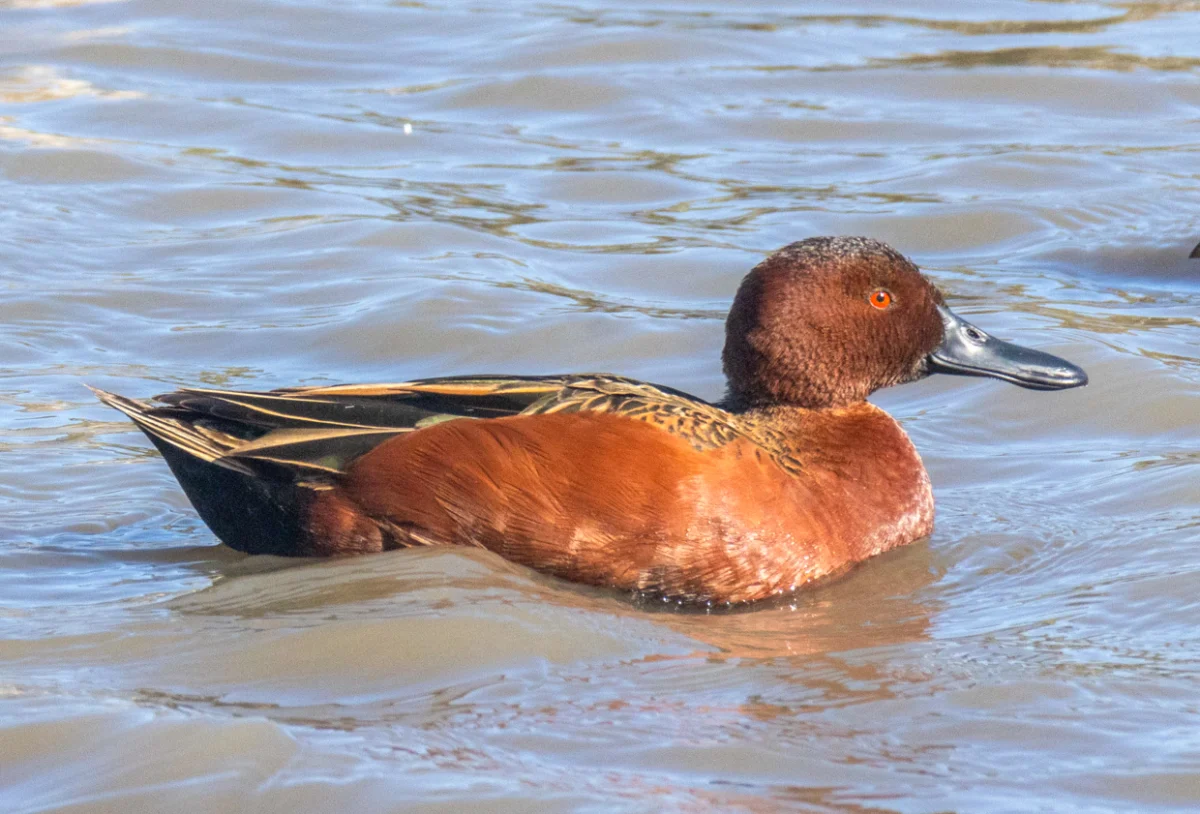
As the expedition moved through the marshlands of Mustang Island, the focus shifted to shorebirds and waterfowl. Utilizing boardwalks to minimize habitat disturbance, the group observed Black-necked Stilts and American Avocets foraging in the shallow waters. Among the dabbling ducks, the sighting of a male Cinnamon Teal was noted for its striking coloration, a hallmark of the species during the breeding season. One of the most significant observations of the first day was the identification of a Whooping Crane (Grus americana) in the extensive marsh.

The Whooping Crane remains one of the rarest birds in North America and a symbol of conservation success. Once reduced to a mere 15 individuals in the 1940s, the species has seen a slow but steady recovery due to intensive federal and international protection. The sighting in the Corpus Christi area reinforces the importance of the Texas coast as the primary wintering ground for the Aransas-Wood Buffalo population, the only self-sustaining wild population of Whooping Cranes in existence.
Following the coastal survey, the group focused on raptor identification while transiting back toward the city center. This effort resulted in the documentation of the White-tailed Hawk and the Aplomado Falcon. The Aplomado Falcon is of particular interest to regional conservationists; after being virtually extirpated from the United States by the mid-20th century, reintroduction programs in South Texas have successfully established a small but breeding population in the coastal prairies.

Rare Vagrants and the Phenomenon of Avitourism
A significant highlight of the expedition occurred in downtown Corpus Christi, where the group successfully located two highly unusual rarities. The first was the Cattle Tyrant (Machetornis rixosa), an insectivorous flycatcher typically native to South America. This specific individual was first documented in November 2023 and has since become a focal point for the regional birding community. Unlike many flycatchers that hunt from high perches, the Cattle Tyrant is known for its terrestrial foraging habits, often following large mammals or, in this urban context, foraging near human activity.
In nearby Bayfront Park, the expedition recorded a Red-footed Booby (Sula sula). While common in tropical oceans, this species is an exceptional rarity for the Texas coast. The bird provided clear diagnostic views, including its namesake red feet, as it transitioned between swimming and perching. The presence of such rarities highlights the "Patagonia Rest Stop Effect," a phenomenon where the presence of one rare bird draws more observers to an area, leading to the discovery of additional rare species. This surge in "avitourism" provides a measurable economic boost to local communities, as enthusiasts travel from across the country to glimpse these out-of-range visitors.

Aransas National Wildlife Refuge and Subtropical Transitions
The second phase of the tour involved a maritime survey of the Aransas National Wildlife Refuge. This 115,000-acre protected area serves as the cornerstone of the Whooping Crane’s wintering habitat. From the vantage point of a research vessel, the group observed several more Whooping Cranes foraging alongside Sandhill Cranes, allowing for a direct size comparison that illustrated the impressive stature of the endangered species.
The refuge’s biodiversity extended beyond cranes, with sightings of American Oystercatchers, Black Skimmers, and Marbled Godwits. The presence of the Reddish Egret—both the dark and the rare white morph—offered an opportunity to observe its unique "canopy feeding" behavior, where the bird uses its wings to create shade, attracting fish into its striking range.

As the expedition moved southward toward Brownsville, the landscape transitioned from coastal salt marshes to the Tamaulipan thornscrub of the Lower Rio Grande Valley. This shift was marked by the appearance of "valley specialties"—species whose US range is largely restricted to the southernmost tip of Texas. These included the Golden-fronted Woodpecker, the Black-crested Titmouse, and the vivid Green Jay.
The Lower Rio Grande Valley: A Biological Crossroads
In the Brownsville and South Padre Island sectors, the group documented a high concentration of both resident and migratory species. South Padre Island’s world-renowned birding centers provided close encounters with Clapper Rails and Soras, species that are typically secretive and difficult to observe in their dense marsh habitats. The sighting of hundreds of Redheads—a species of diving duck that winters in massive numbers in the Laguna Madre—emphasized the importance of the region’s hypersaline lagoons.

The expedition then moved inland to McAllen and the Estero Llano Grande World Birding Center. This site is a premier example of habitat restoration, where former agricultural land has been returned to its natural wetland and scrub state. Here, the group located two Common Pauraques, nocturnal members of the nightjar family, perfectly camouflaged against the leaf litter. Additionally, an Eastern Screech-Owl of the McCall’s subspecies (Megascops asio mccallii) was found at its daytime roost, representing the distinct regional variation of the species found in the Rio Grande delta.
At Bentsen-Rio Grande Valley State Park, the expedition recorded the Green Kingfisher and the Altamira Oriole. The park serves as a critical refuge for these species, which rely on the riparian corridor of the Rio Grande. The Altamira Oriole is notable for its large, pendant-shaped nests, which can often be seen hanging from the tips of branches in tall trees.

Borderland Specialties and Upriver Ecology
A specialized portion of the expedition took place on a private ranch located along the Rio Grande. Navigating the complexities of the border region, the group accessed a bluff overlooking the river, providing a vantage point to observe species that utilize the international waterway. The primary target was the Brown Jay, a social and vocal member of the crow family. In the United States, this species is currently found almost exclusively in a few specific locations along the Rio Grande in Starr and Zapata counties. The documentation of a family group of Brown Jays was a significant success for the expedition, as the species has faced habitat loss and competition in recent years.
Further upriver, the environment became increasingly arid, characterized by desert-adapted flora and fauna. In this drier country, the group identified the Greater Roadrunner, the Pyrrhuloxia (a desert relative of the Northern Cardinal), and the Black-throated Sparrow. The sighting of a Red-billed Pigeon, a shy and nomadic species of the riverine forests, added to the diversity of the upriver survey.

Final Observations and Regional Implications
The concluding day of the tour at the Edinburg Scenic Wetlands produced another significant rarity: a female Crimson-collared Grosbeak. This species is native to northeastern Mexico and only occasionally wanders into the United States. Its presence, along with a Buff-bellied Hummingbird and various wood-warblers, capped off a week of high-density species recording.
The final new species of the tour was the Zone-tailed Hawk. This raptor is a classic example of aggressive mimicry; it possesses plumage and a flight style that closely resembles the non-threatening Turkey Vulture. This allows the hawk to soar undetected by small mammals and birds until it is within striking distance. The expedition ended with a definitive sighting of a Gray Hawk, a tropical raptor that has recently expanded its breeding range in the Rio Grande Valley.

The February 2026 expedition documented over 150 species, illustrating the profound ecological value of the South Texas region. However, the findings also point to the challenges facing this biodiversity. Habitat fragmentation due to urban development, agricultural expansion, and the construction of border infrastructure remains a primary concern for conservationists. The reliance of many species on narrow corridors of riparian forest and specific coastal marshes makes them vulnerable to environmental shifts.
From a scientific perspective, the data collected during this tour—and uploaded to public databases like eBird—contributes to a larger understanding of avian distribution and the impacts of climate change on migratory patterns. The presence of South American and Mexican rarities like the Cattle Tyrant and the Crimson-collared Grosbeak suggests a dynamic environment where species ranges are in constant flux. For the local economy, the success of such expeditions reinforces the necessity of preserving natural spaces, as the region’s status as a premier birding destination depends entirely on the health and diversity of its avian populations.
