
A comprehensive 14-day ornithological expedition through the heart of Southern Mexico has concluded, documenting a remarkable 407 bird species across a transect spanning the states of Oaxaca, Chiapas, Campeche, and Tabasco. The survey, which utilized both visual identification and vocalization recordings, highlights the extraordinary biodiversity of the Neotropical-Nearctic transition zone. In addition to the 407 confirmed sightings, researchers identified an additional 21 species through distinct vocalizations, bringing the total record to 428 species. The findings underscore the critical importance of Southern Mexico’s varied ecosystems—ranging from xeric scrub and montane cloud forests to tropical rainforests and coastal marshes—as essential habitats for both endemic residents and migratory species.

The expedition’s data revealed high concentrations of specific bird families, reflecting the health and complexity of the regional biomes. Notable totals included 26 species of hummingbirds, 18 species of sparrows, 36 species of warblers, and 16 species of wrens. The presence of specialized groups, such as six species of trogons and 12 species of woodpeckers, indicates a robust forest structure capable of supporting high-level niche specialization.

Ecological Context and Regional Significance
Mexico is classified as one of the world’s "megadiverse" countries, harboring approximately 10% of the Earth’s total species richness. Southern Mexico, in particular, serves as a biological bridge between North and South America. The expedition’s route followed a complex altitudinal and climatic gradient, starting in the arid Central Valleys of Oaxaca, ascending the Sierra Madre ranges, and descending into the humid tropical lowlands of the Petén and the aquatic labyrinths of the Centla Marshes.
This geographic diversity is matched by a deep cultural history. The expedition integrated observations of the natural world with the historical context of the Zapotec and Mayan civilizations, noting how ancient land-use patterns and modern conservation efforts continue to shape the distribution of avian populations.
Chronology of Observations: From Xeric Scrub to Cloud Forests
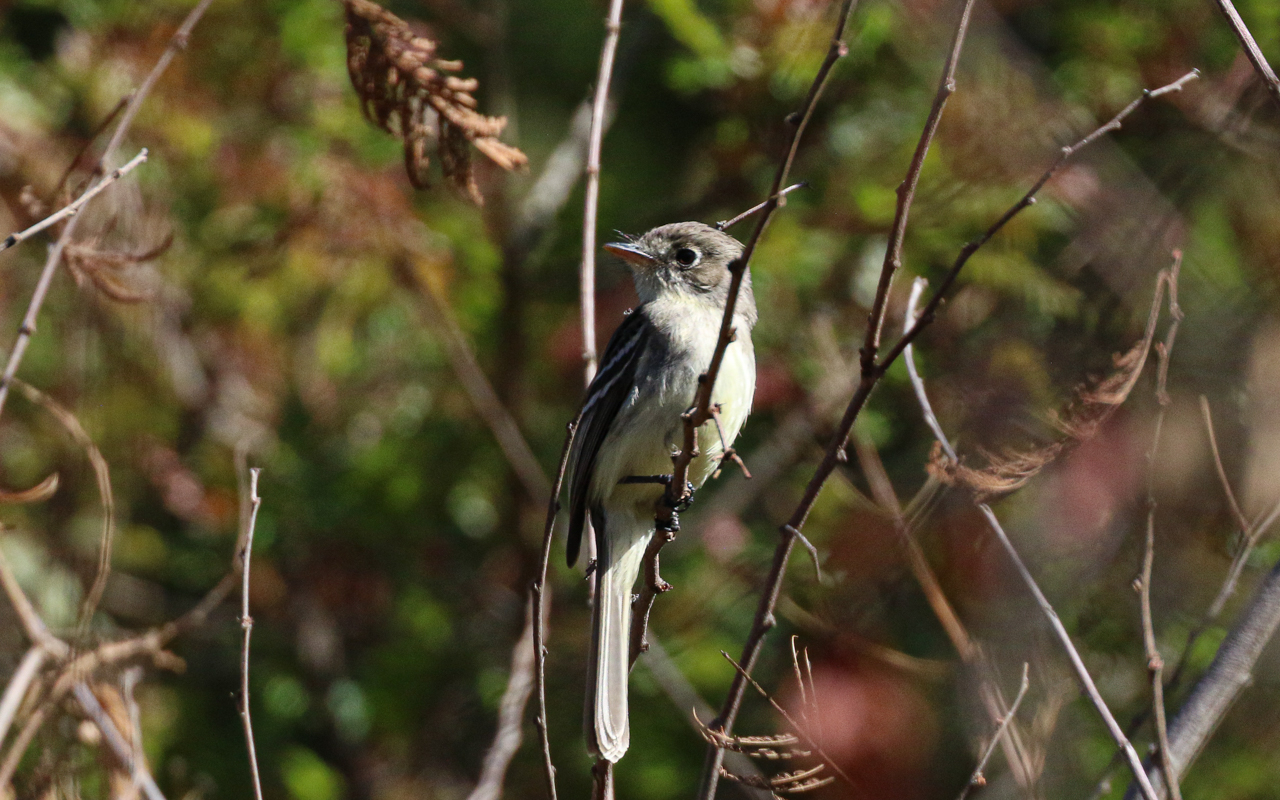
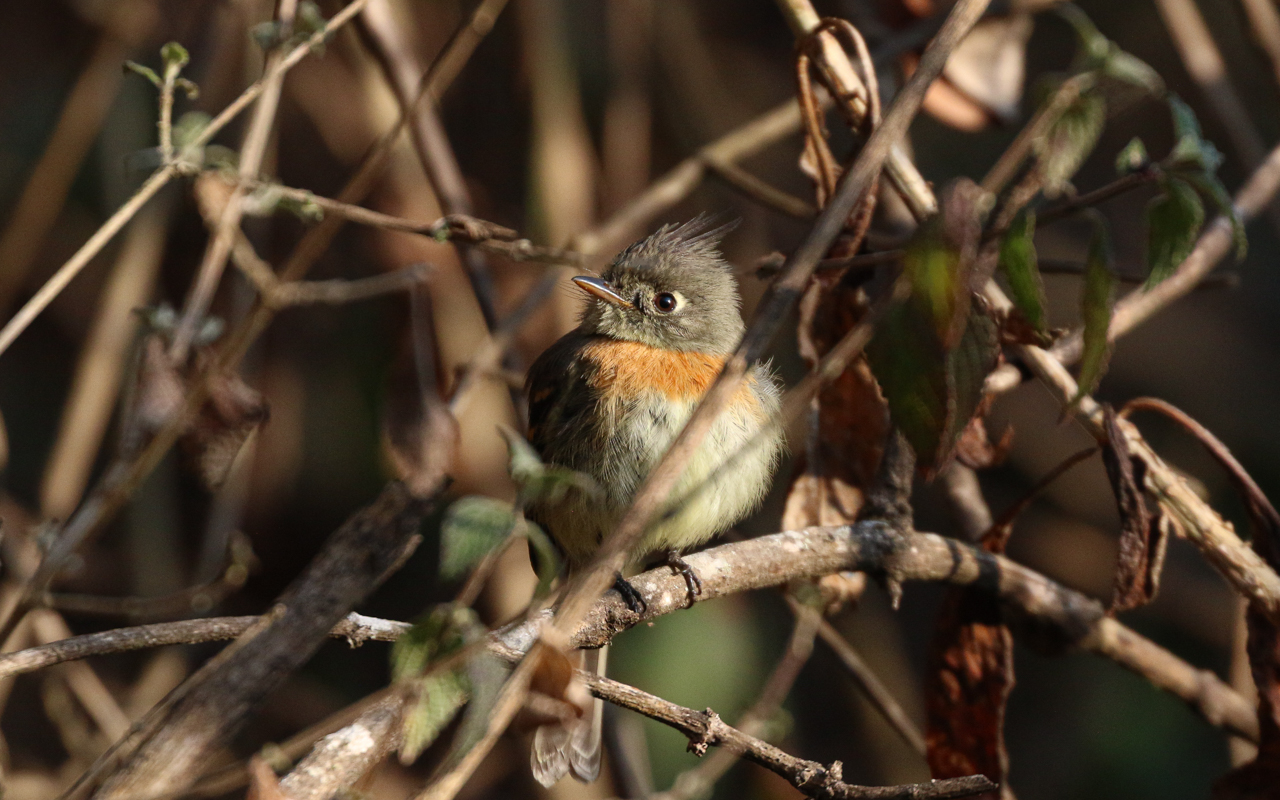
The expedition commenced in the Central Valley of Oaxaca, a region characterized by xeric scrub at the base of the Sierra Madre de Oaxaca. Initial surveys focused on endemic species adapted to arid conditions. Key sightings included the West Mexican Chachalaca, the Pileated Flycatcher, and the Oaxaca Sparrow. Researchers also noted the presence of the Dwarf Vireo and the Blue Mockingbird, species that rely on the thorny thickets of the valley floor.

Transitioning to the northern town of Teotitlán del Valle, the team surveyed the Piedra Azul reservoir. This aquatic habitat yielded a diverse array of waterfowl and shorebirds, including a localized population of the Least Grebe, alongside various sandpipers, storks, and herons. The cultural component of the region was observed through the traditional Zapotec weaving workshops, where natural dyes derived from insects—such as the cochineal found on local cacti—demonstrate the historic link between local biology and human industry.
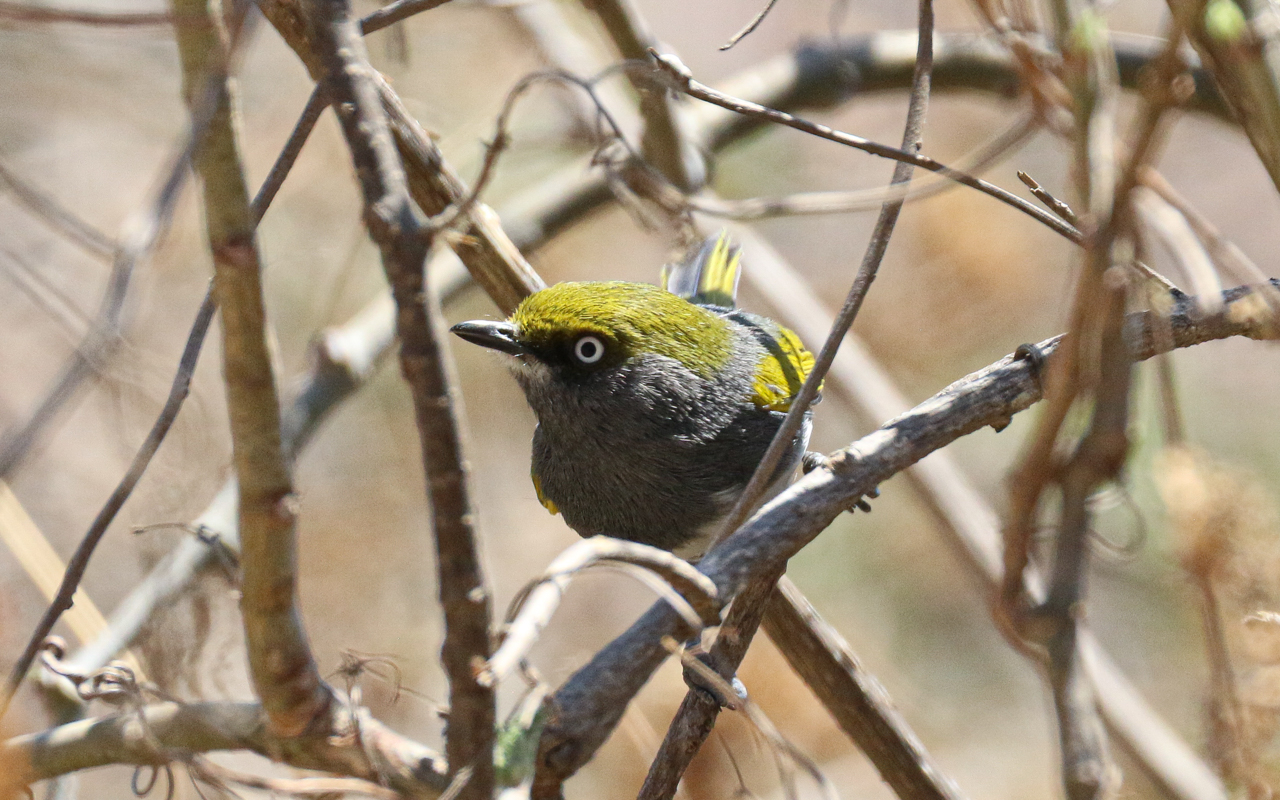
As the altitude increased toward Benito Juarez, the vegetation shifted from scrubland to oak forests and humid ravines. This transition was marked by a change in avian community composition, with sightings of the White-eared Hummingbird, the Greater Pewee (Mexican subspecies), and the Coppery-tailed Trogon.
High-Altitude Endemism in the Sierra Madre
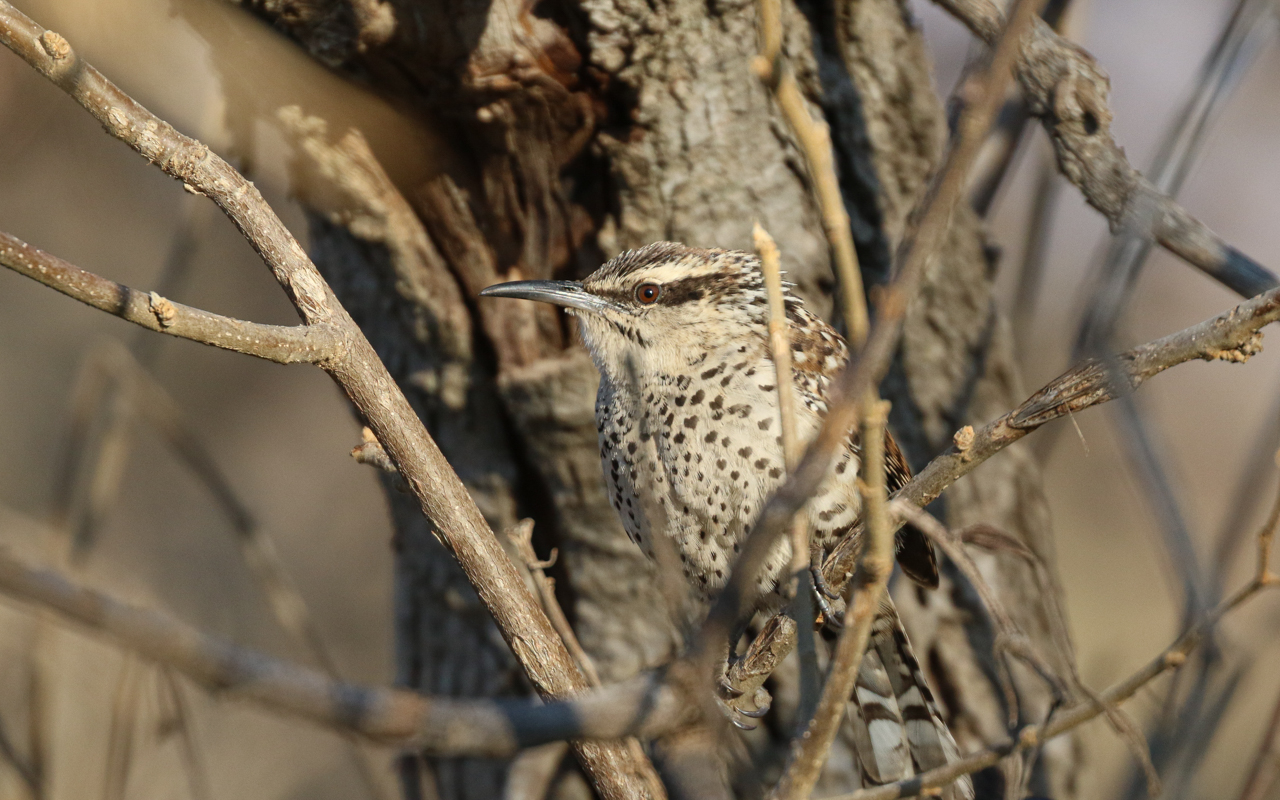
The expedition reached its highest elevations at Cumbre Ixtepeji in the Sierra Madre de Oaxaca. This high-altitude pine-oak forest is a sanctuary for some of Mexico’s most sought-after endemics. The team successfully documented the Gray-barred Wren and the Dwarf Jay, two species that often forage in mixed-species flocks among moss-covered oaks.
Other significant records from the highland phase included:
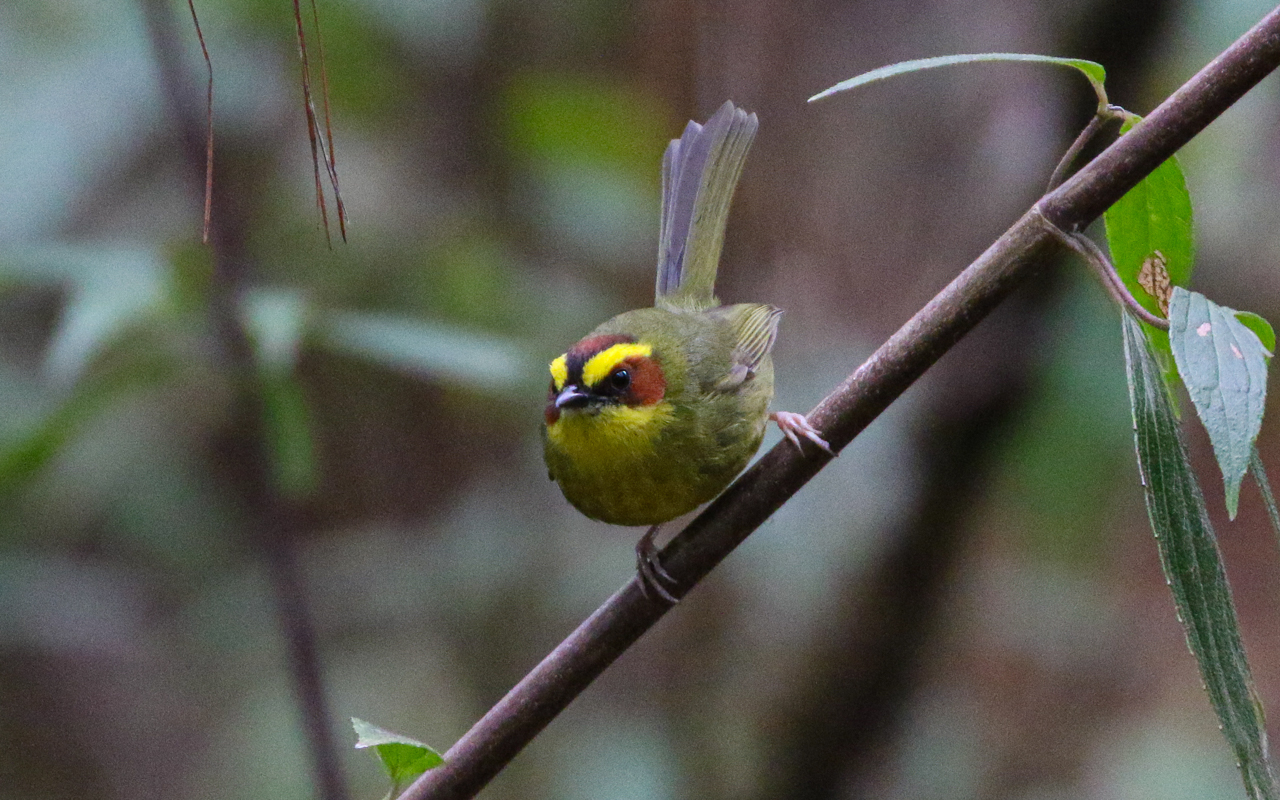
- Red Warbler (White-cheeked): A striking endemic often found in the understory of coniferous forests.
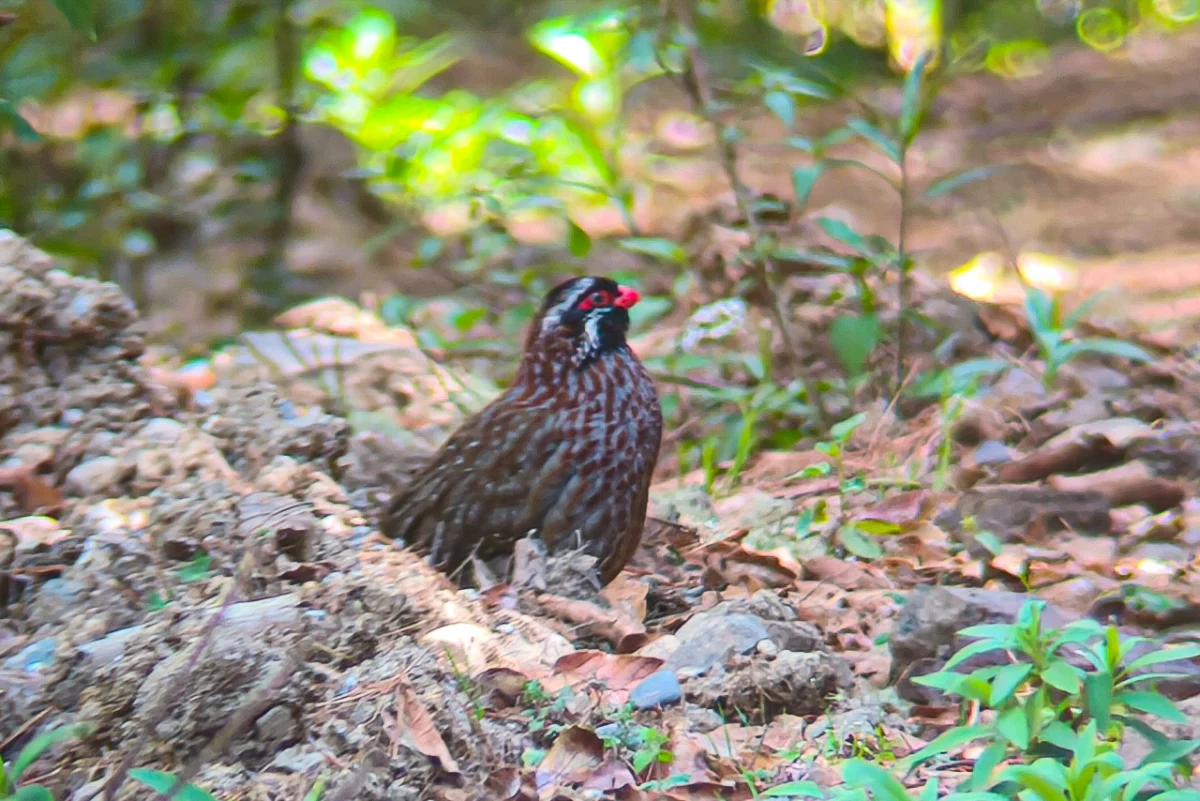
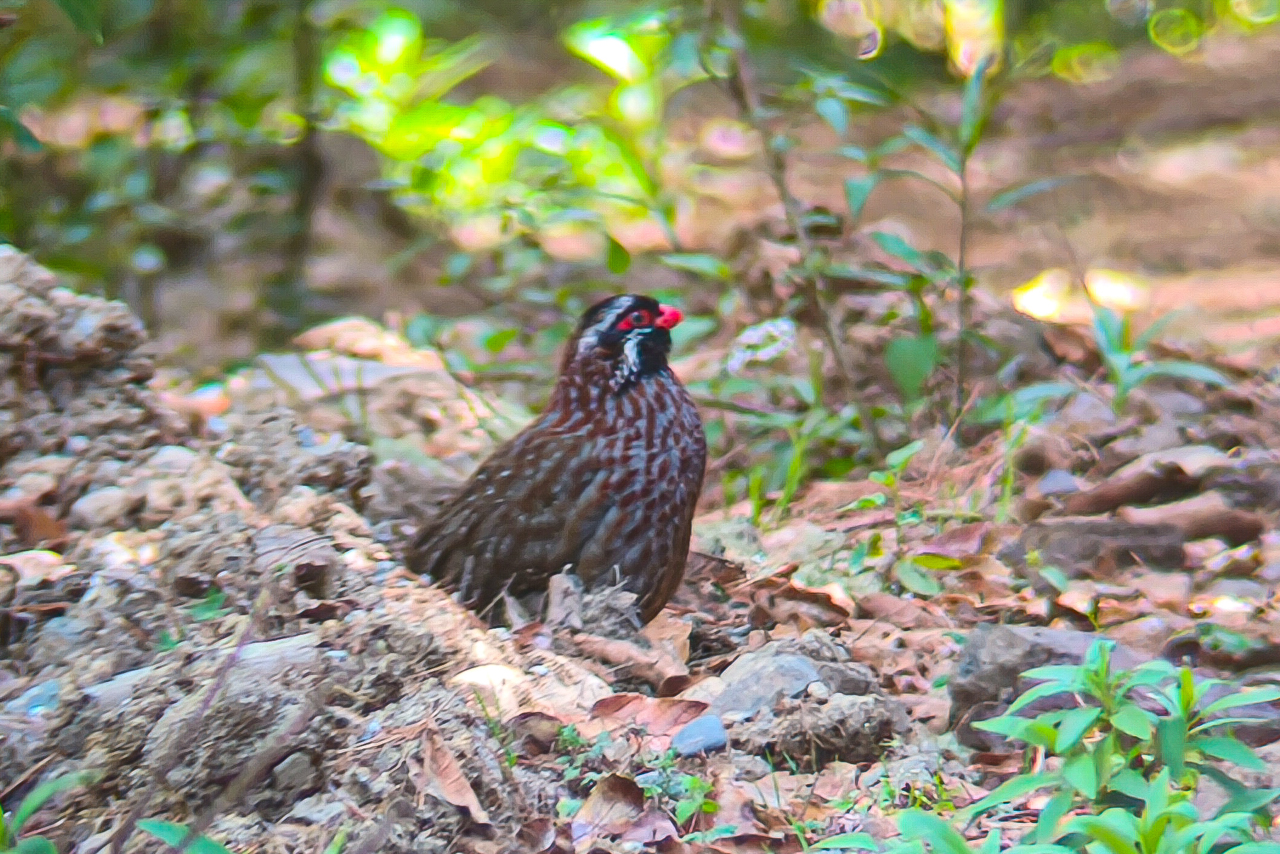
- Long-tailed Wood-Partridge: An elusive species that, in this instance, allowed for unusually close observation.
- Mountain Trogon: A specialist of high-elevation cloud forests.
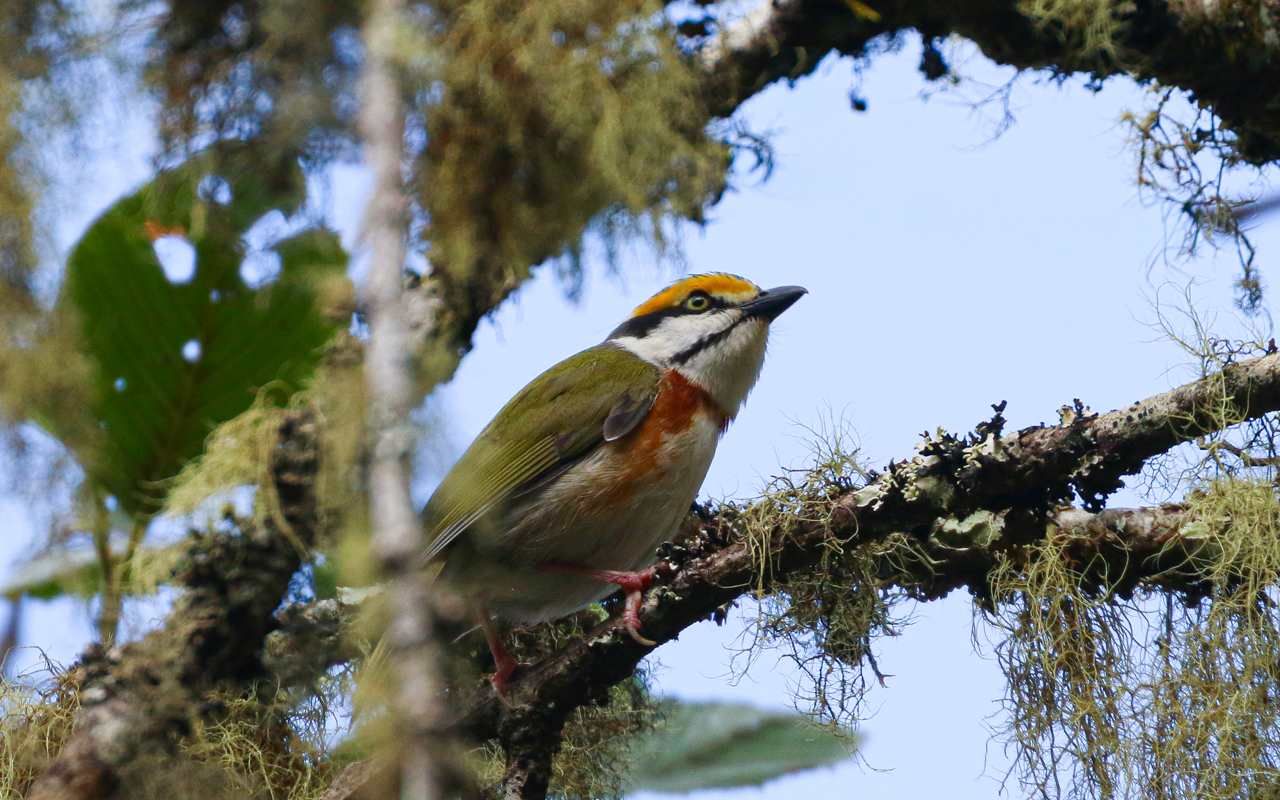
- Blue-throated Mountain-gem: A large hummingbird found in the humid glens of the Sierra.
The team also observed significant migratory activity, recording a high-altitude flight of Swainson’s Hawks, a species known for its long-distance journey from South American wintering grounds to North American breeding territories.
Archaeological Corridors and the Pacific Slope
The survey continued at the Monte Albán Archaeological Zone, where the intersection of ancient Zapotec ruins and surrounding vegetation provides a unique habitat for the Ocellated Thrasher and the Slaty Vireo. The team recorded five individuals of the Ocellated Thrasher, a species whose vocalizations are often heard but whose physical presence is frequently obscured by dense cover.
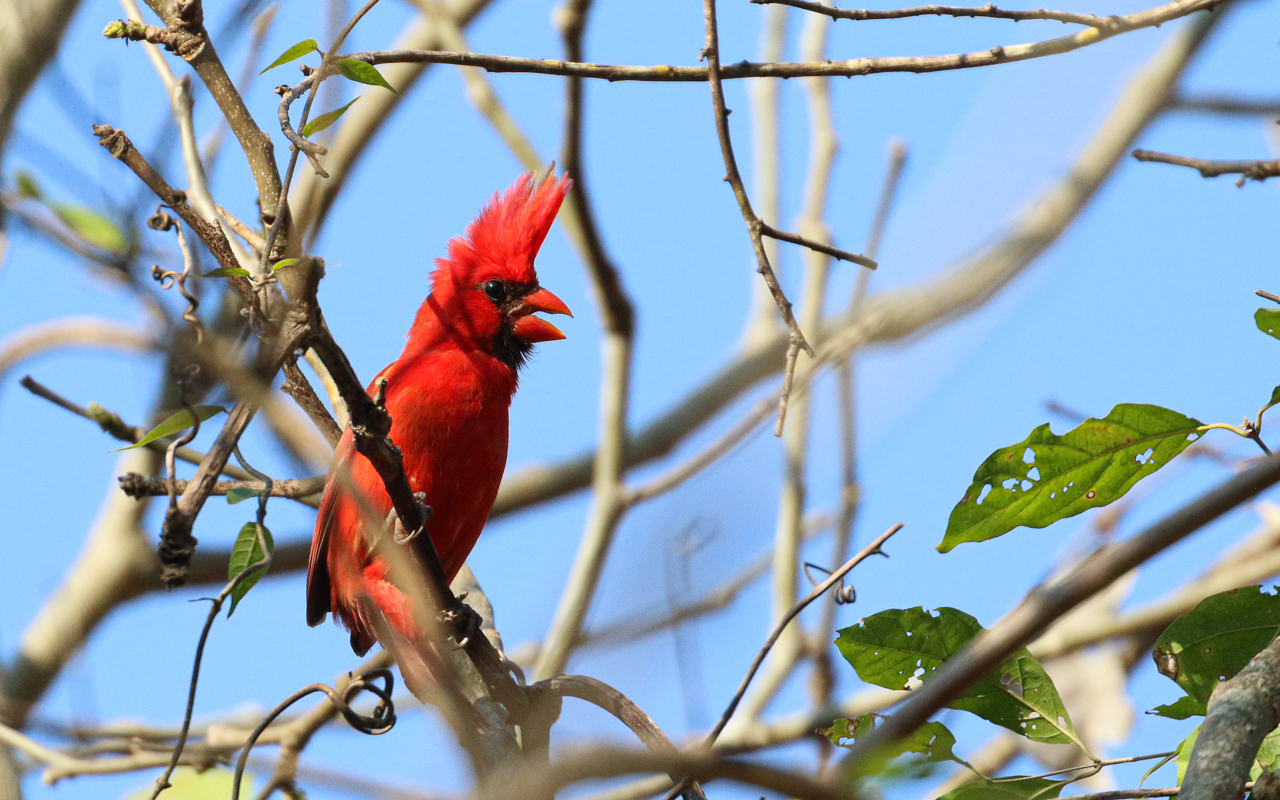
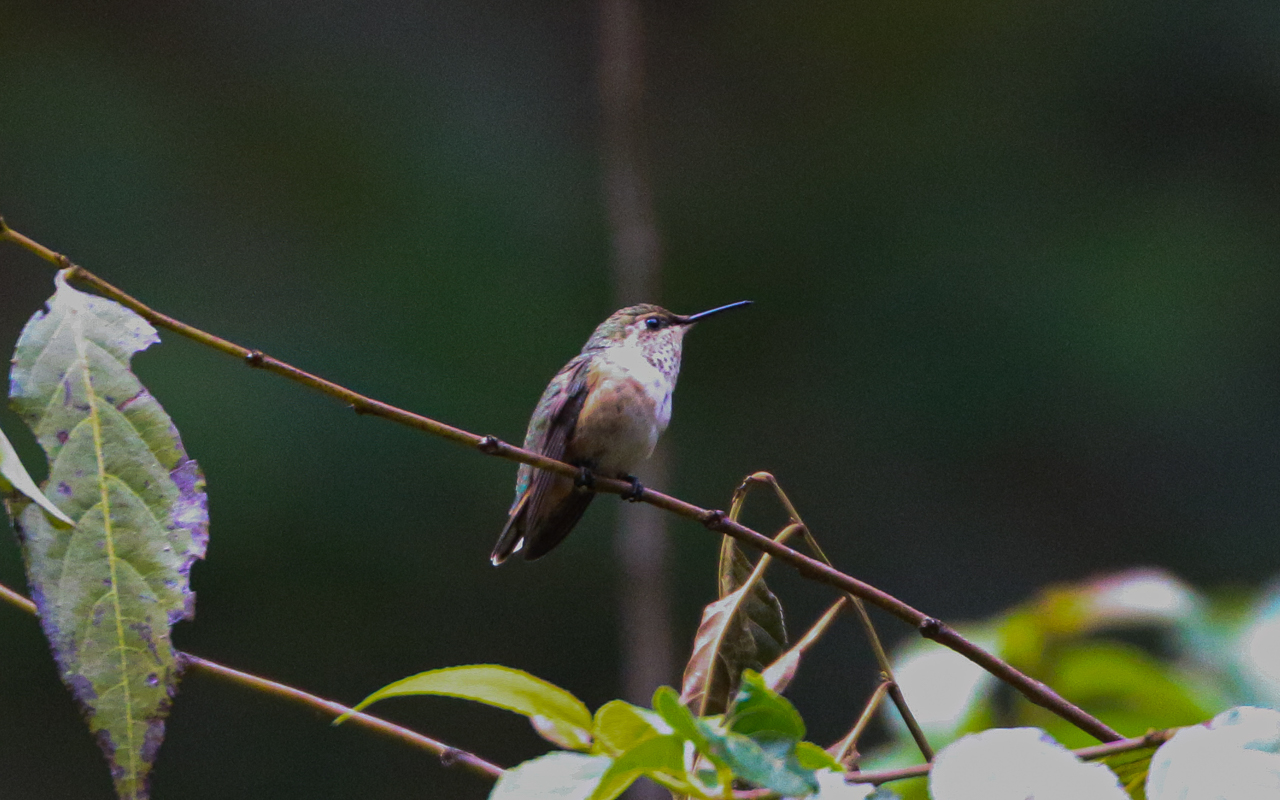
Moving toward the Sierra Madre del Sur, the expedition entered the "Cabañas Puesta del Sol" area, characterized by the presence of the Chiranthodendron pentadactylon, or the Mexican Hand Tree. The nectar-rich flowers of this tree attracted a high density of warblers, orioles, and hummingbirds, including the Cinnamon-bellied Flowerpiercer and the Bumblebee Hummingbird, one of the smallest avian species in the world.
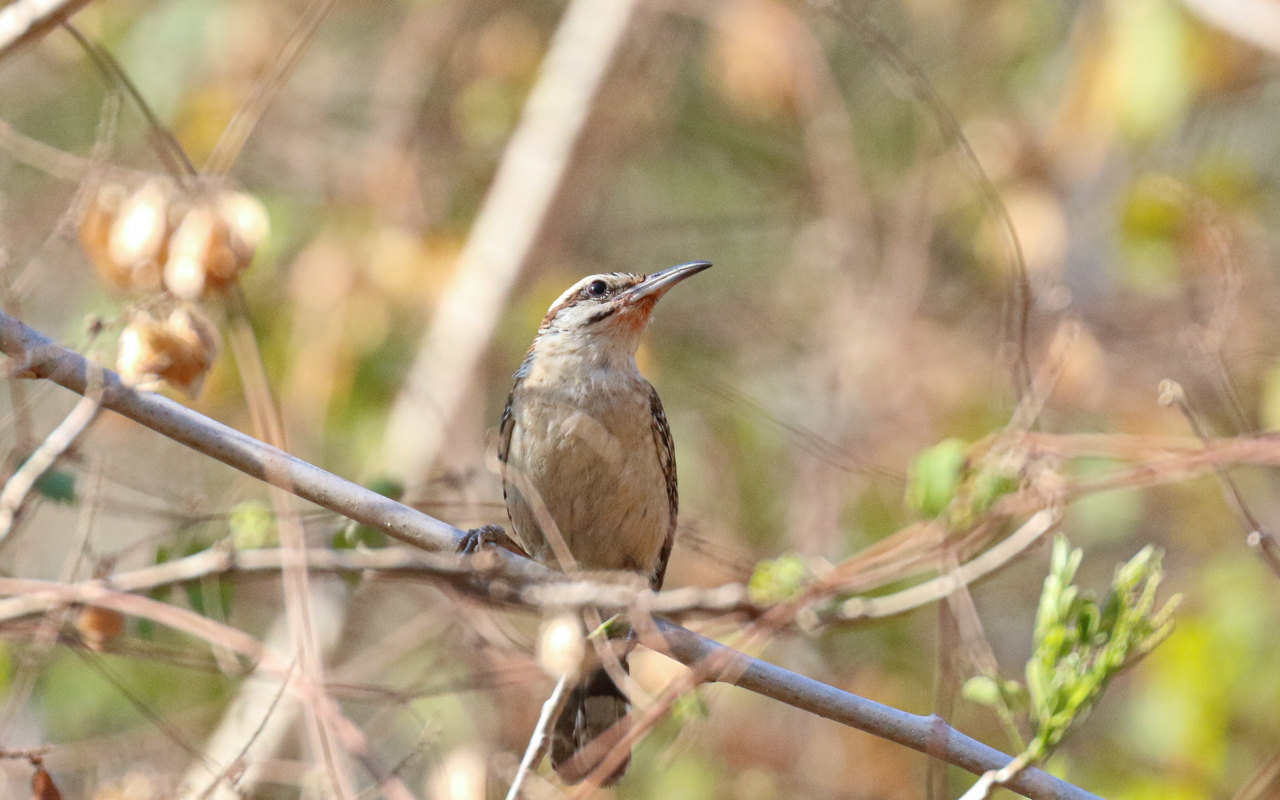
Descending toward the Pacific coast, the environment transitioned into tropical dry forests. In the Huatulco National Park, the expedition recorded a surge in West Mexican endemics, such as the Citreoline Trogon, the Russet-crowned Motmot, and the Lilac-crowned Amazon. A significant surprise occurred in the coastal dunes, where the team observed a Lesser Ground Cuckoo, a notoriously shy species, alongside a group of humpback whales visible from the shore.

The Isthmus of Tehuantepec and the Chiapas Highlands
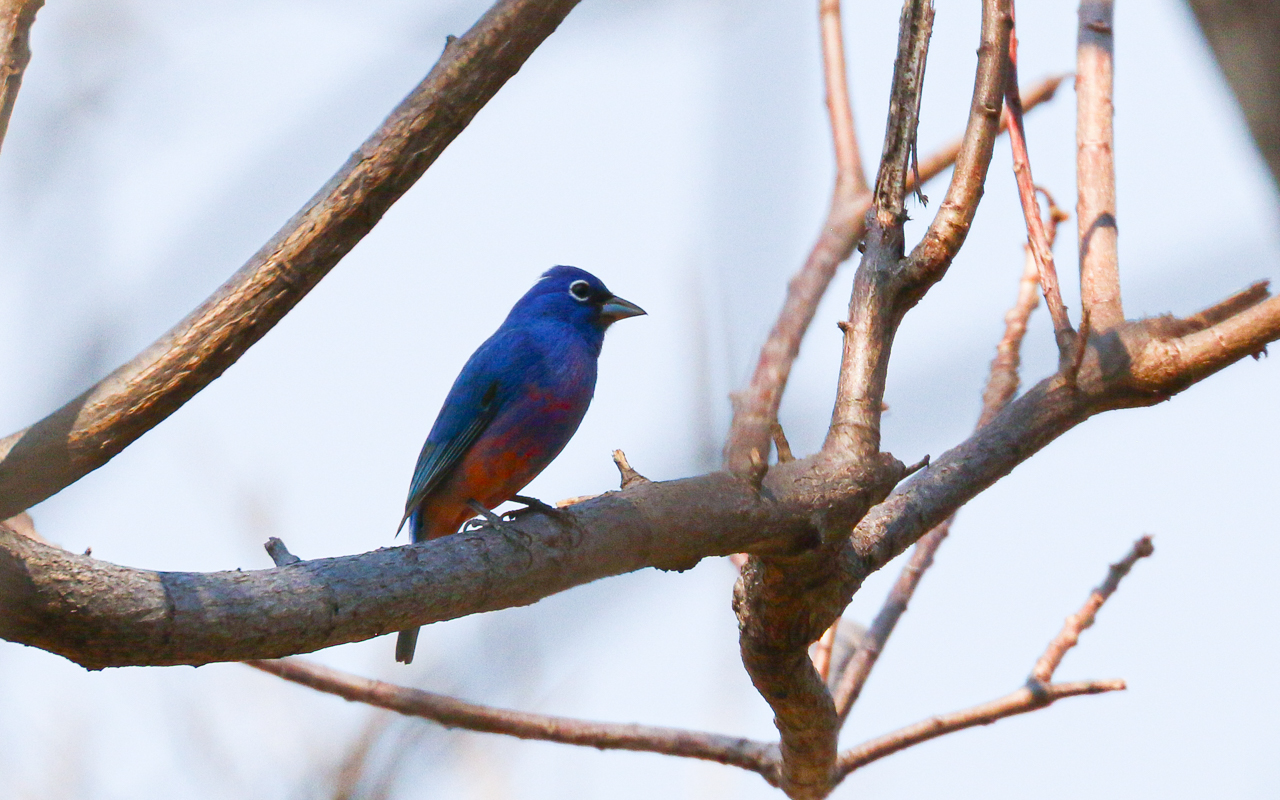
The Isthmus of Tehuantepec, the narrowest point between the Gulf of Mexico and the Pacific Ocean, presented a wind-swept landscape of low-stature dry tropical forest. Here, the team located the Rose-bellied Bunting (also known as Rosita’s Bunting), a micro-endemic species restricted to a small area of the Isthmus. Six specimens were observed foraging in Torchwood trees (Bursera sp.).
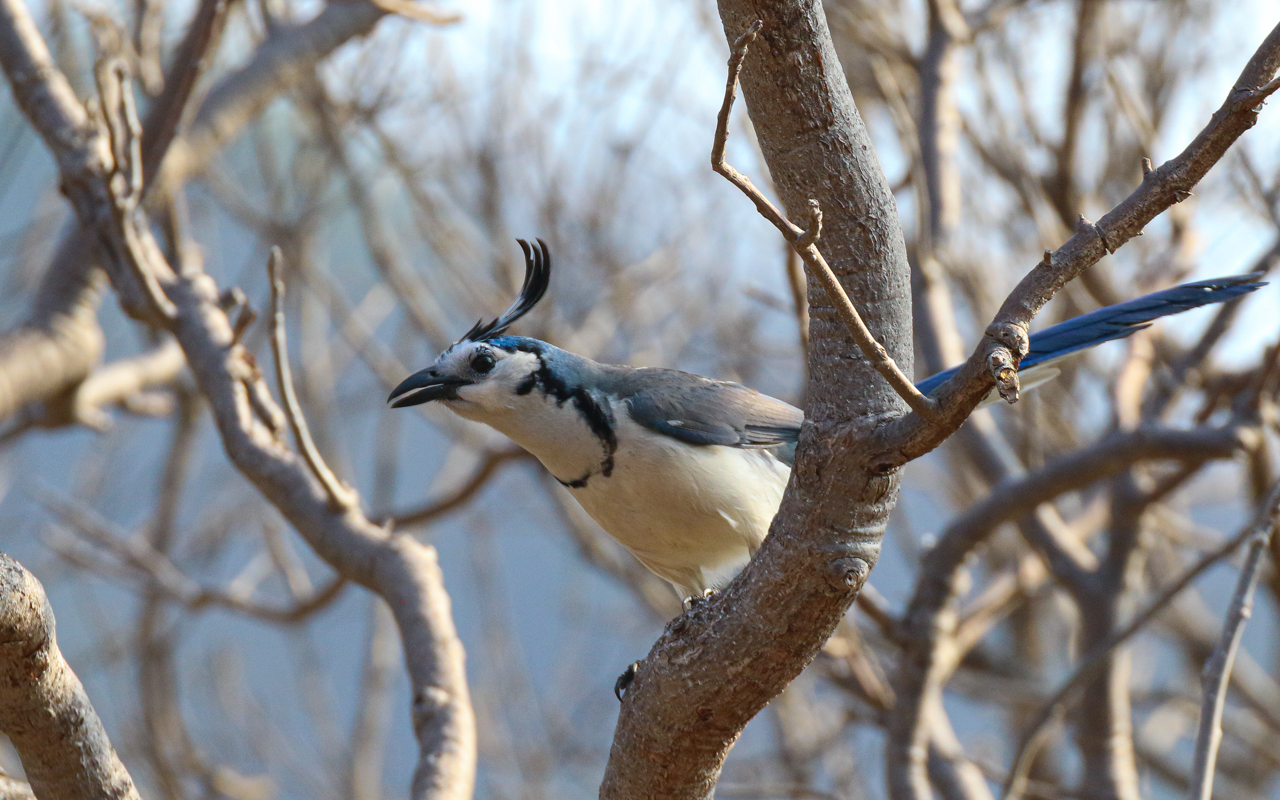
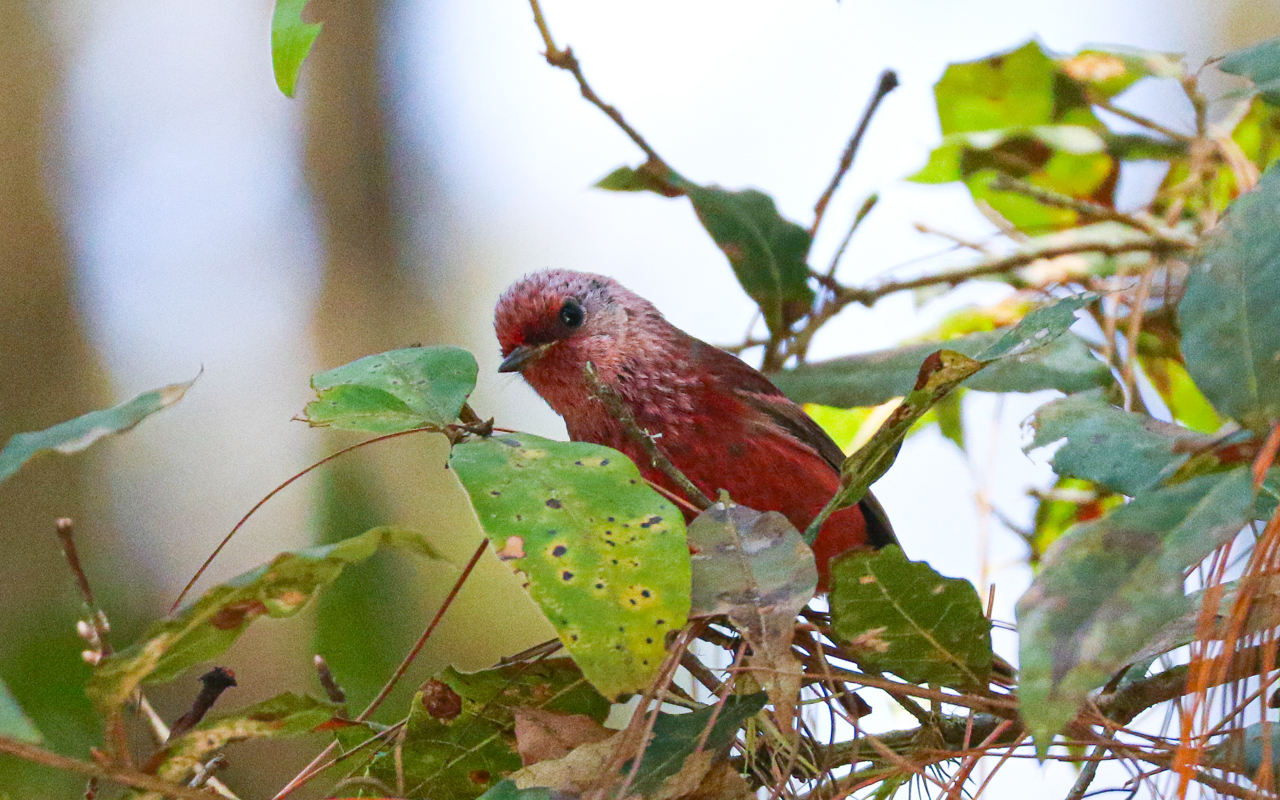
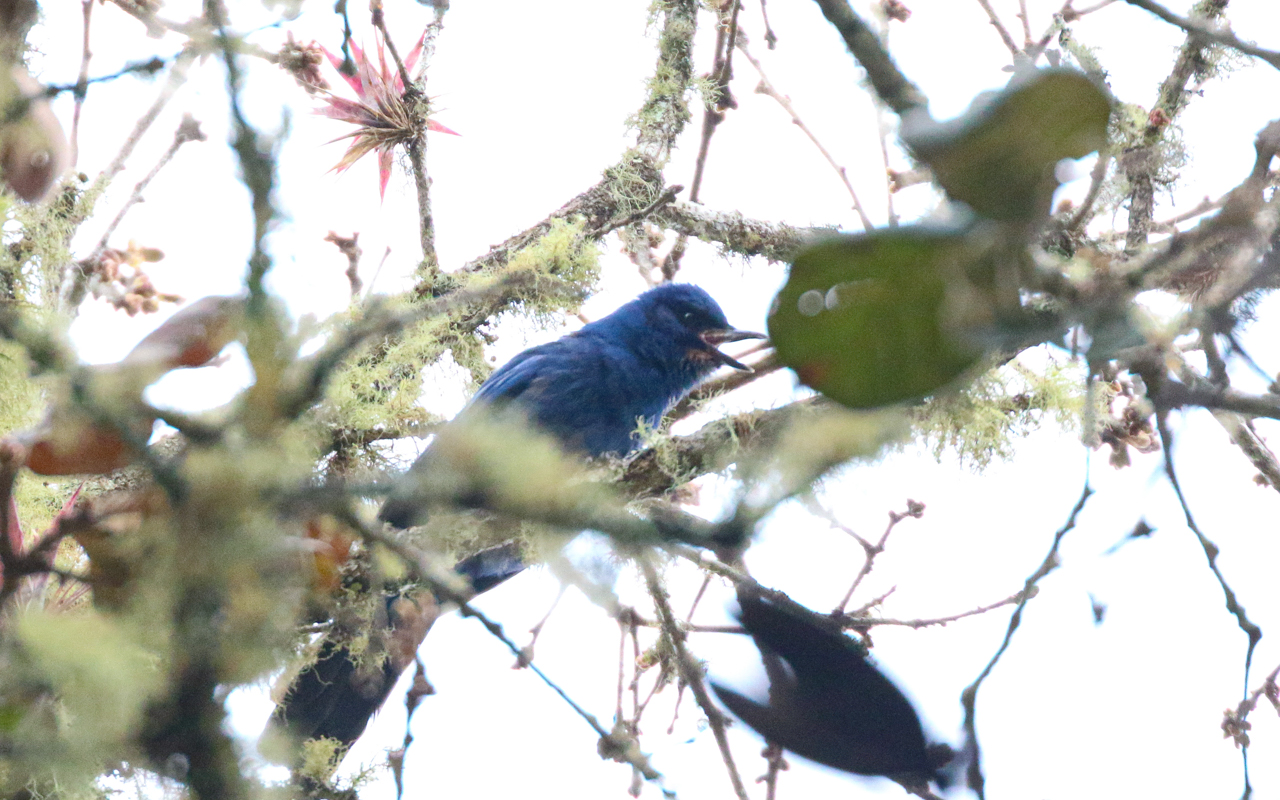
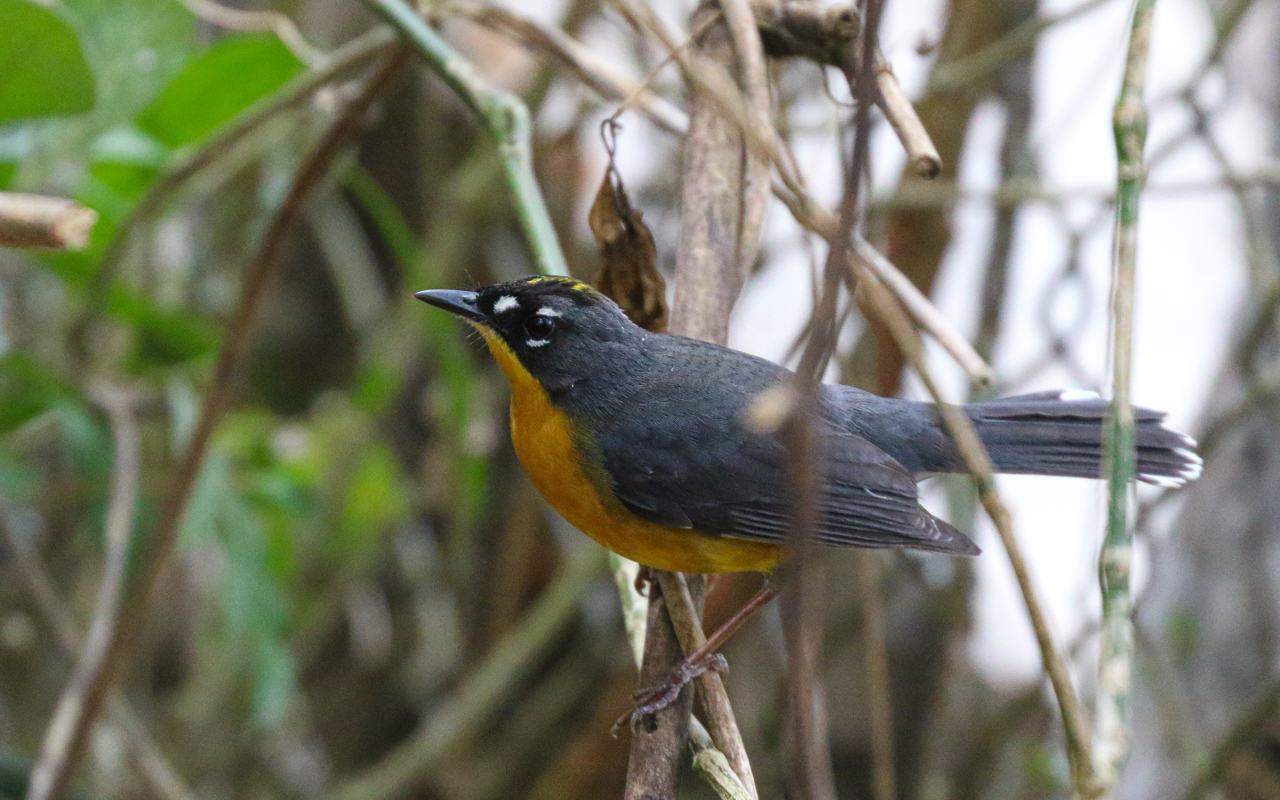
Inland, the expedition moved into the state of Chiapas, reaching San Cristóbal de las Casas. The Montetik Reserve and the Tzontehuitz cloud forest provided sightings of the Pink-headed Warbler, a high-altitude specialist recognizable by its unique frosted-pink plumage. Other highland records included the Unicolored Jay and the Blue-and-white Mockingbird. Night surveys in this region confirmed the presence of the Whiskered Screech-Owl.
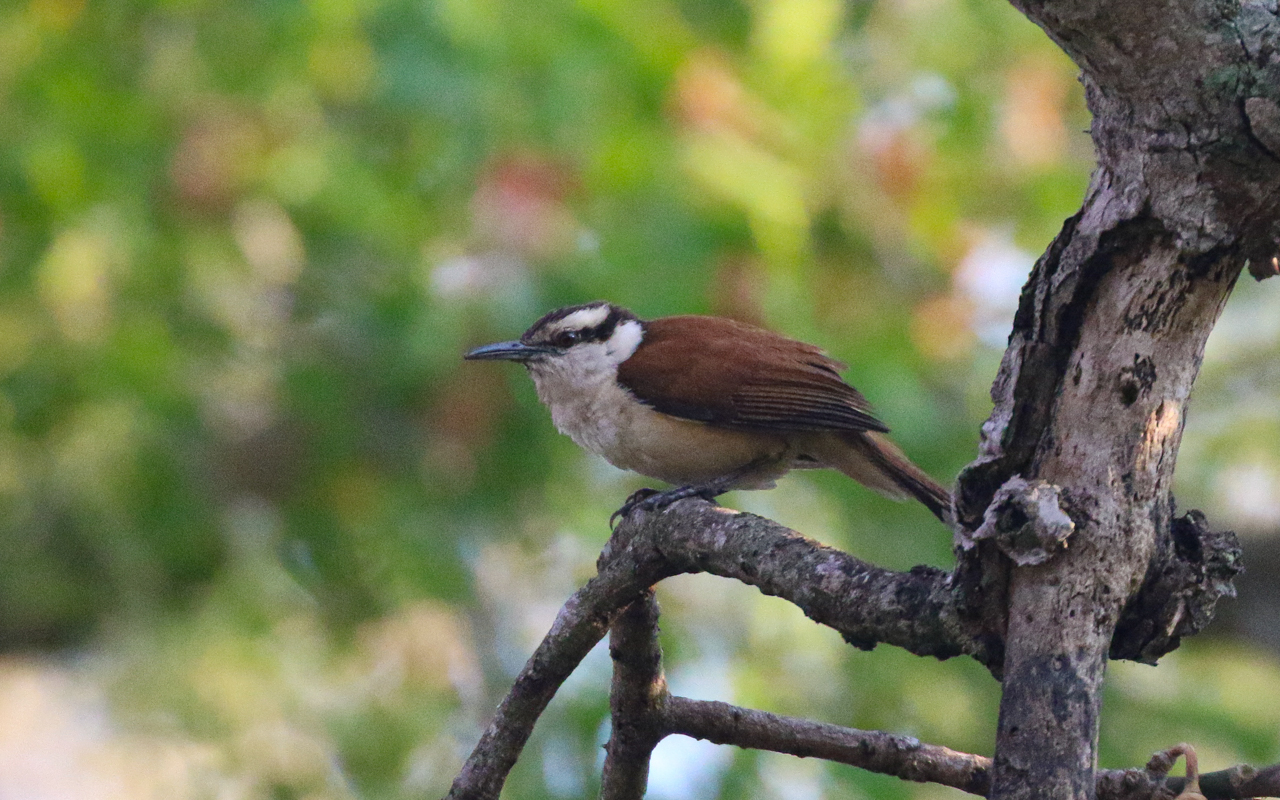
Tropical Rainforests and the Centla Wetlands
The final stages of the expedition focused on the humid tropical forests of Palenque and the vast wetlands of Tabasco. At the Sumidero Canyon, the team witnessed a massive mixed-species flock following a swarm of army ants, a classic tropical phenomenon where birds such as the Red-throated Ant-Tanager and various woodcreepers capitalize on insects flushed by the ants.
In the El Ocote Biosphere Reserve, researchers targeted the Nava’s Wren, a species endemic to the karst limestone rainforests of the Chimalapas region. Despite heavy rains, the team secured close views of the wren, a testament to the resilience of specialized species in these humid environments.
The journey concluded in the Centla Marshes, often referred to as "Mexico’s Little Pantanal." This vast wetland complex in Tabasco is a critical site for large wading birds. The team recorded:
- Jabiru: 31 individuals of this massive stork, which is endangered in Mexico.
- Pinnated Bittern: 10 individuals, a high count for this cryptic heron.
- Mississippi Kite: A migrating group of approximately 30 individuals.
- Waterfowl: Massive concentrations of ibises, roseate spoonbills, and herons.
Supporting Data and Technical Observations
The expedition utilized eBird, a global citizen-science database, to log all sightings, contributing to the long-term monitoring of avian populations in the Neotropics. The high species count (407) over 14 days represents nearly 40% of Mexico’s total bird diversity, a figure that highlights the efficiency of the route and the expertise of the field observers.

The data suggests that while many species remain stable, those restricted to cloud forests and karst rainforests (like the Dwarf Jay and Nava’s Wren) are increasingly vulnerable to habitat fragmentation. The observation of 31 Jabirus is particularly significant, as the species has faced severe population declines due to wetland drainage and hunting in decades past.
Broader Implications for Conservation and Ecotourism
The results of this expedition have significant implications for both conservation policy and the local economy. Southern Mexico’s "birding tourism" is a growing sector that provides an economic incentive for local communities to preserve primary forests and wetlands. In places like Teotitlán del Valle and the El Ocote Biosphere Reserve, community-led conservation efforts are directly linked to the revenue generated by visiting researchers and birdwatchers.

Furthermore, the documentation of migratory species like the Swainson’s Hawk and the Mississippi Kite emphasizes the international nature of bird conservation. Protecting the forests of Chiapas and Oaxaca is not merely a regional concern but a vital component of maintaining the biological integrity of the entire Western Hemisphere.
As climate change alters the timing of migrations and the boundaries of ecological zones, consistent field surveys such as this one provide the baseline data necessary for adaptive management. The successful identification of over 400 species confirms that Southern Mexico remains a critical stronghold for avian biodiversity, requiring continued vigilance and protection to ensure these corridors remain open for future generations of both resident and migratory birds.
