
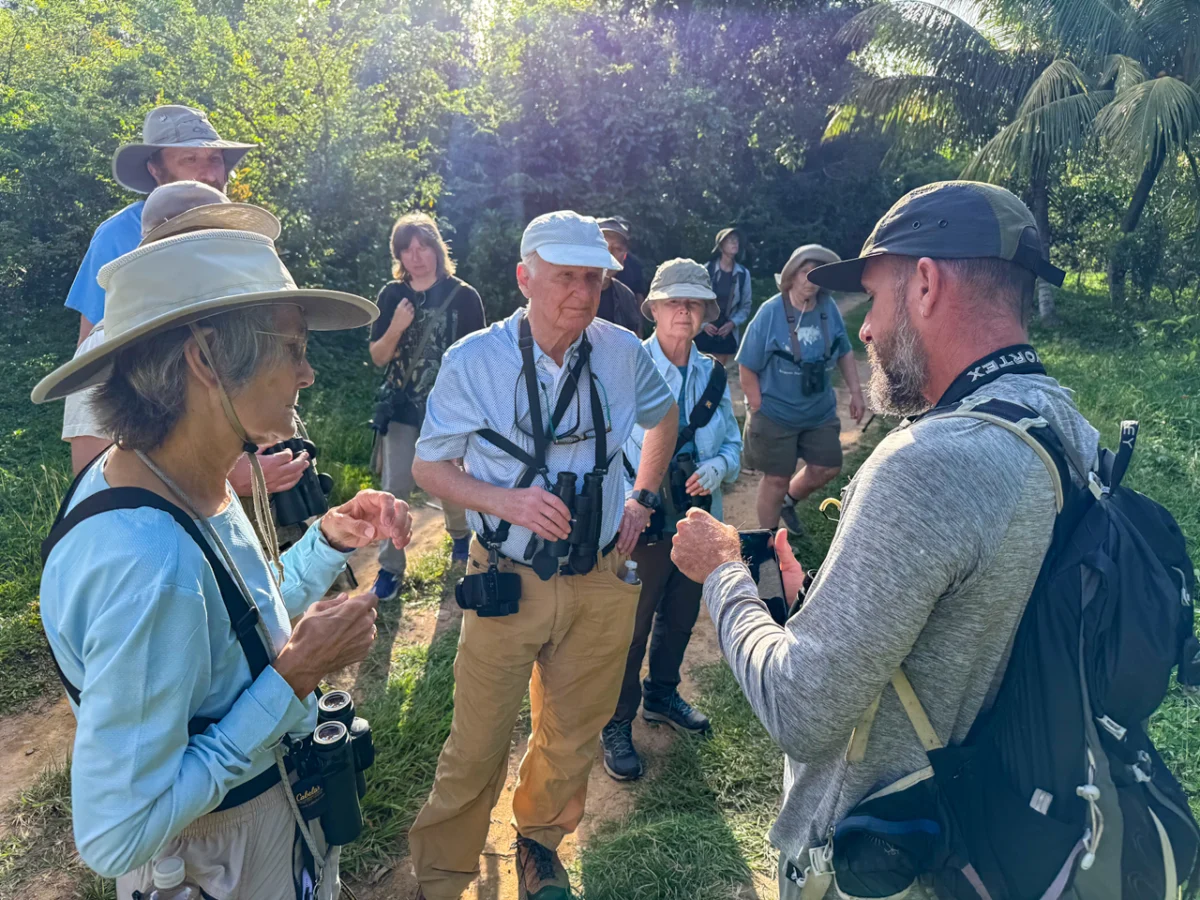
A comprehensive seven-day ornithological survey across the archipelago of Puerto Rico concluded on March 9, resulting in the documentation of 126 distinct bird species, the highest total ever recorded for this specific annual expedition. The tour, which spanned from the northern karst forests to the southern dry scrub and the eastern tropical rainforests, highlighted the success of ongoing conservation efforts and the remarkable resilience of the island’s endemic avian populations. Led by expert guides and featuring a group of dedicated naturalists, the expedition provided a critical snapshot of the current state of Puerto Rico’s biodiversity, emphasizing the importance of protected habitats in maintaining stable populations of both resident endemics and migratory species.
Overview of the Expedition and Regional Significance
Puerto Rico serves as a vital ecological corridor within the Greater Antilles, boasting 17 to 18 endemic bird species depending on taxonomic classifications. The expedition was designed to traverse the island’s most critical Life Zones, as defined by the Holdridge system, ranging from subtropical dry forests to lower montane wet forests. This variety in microclimates allows for an extraordinary concentration of biodiversity within a relatively small geographic area.
The timing of the expedition, early March, was strategically chosen to coincide with the presence of Neotropical migratory birds—warblers, thrushes, and raptors—before they begin their northward journey to breeding grounds in North America. Simultaneously, resident species were observed entering their peak breeding season, providing participants with rare opportunities to witness nesting behavior and territorial displays.
Chronological Summary of the Expedition
Initial Phase: The Northern Karst and Coastal Wetlands
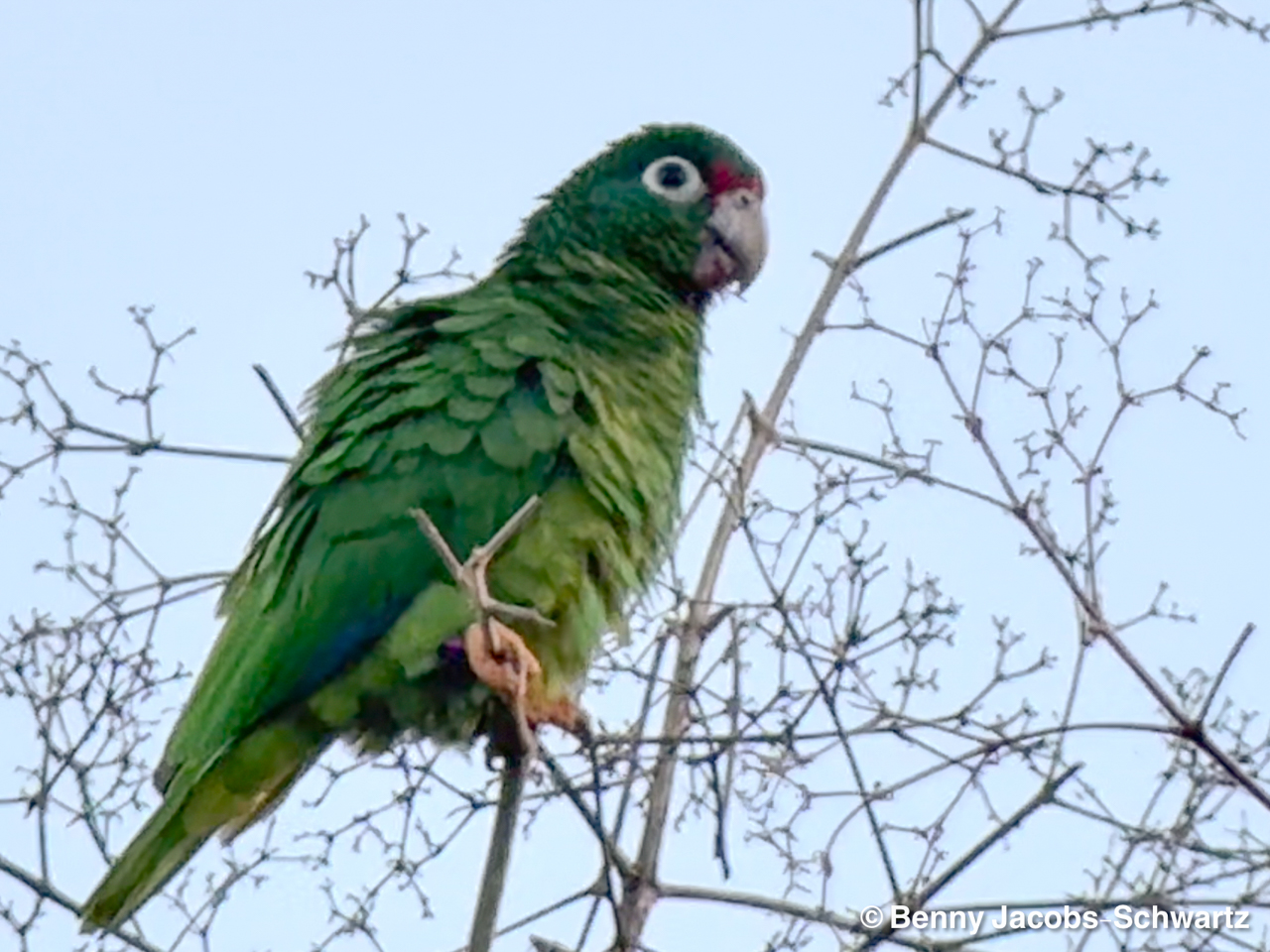
The survey commenced on March 4, moving from San Juan into the Northern Karst region. The primary objective was the Río Abajo State Forest, a stronghold for the Puerto Rican Amazon (Amazona vittata). Once on the brink of extinction with only 13 individuals remaining in the 1970s, the species has seen a dramatic recovery due to intensive captive breeding and reintroduction programs. The group observed a pair of these critically endangered parrots at the canopy level, followed by several others in flight.
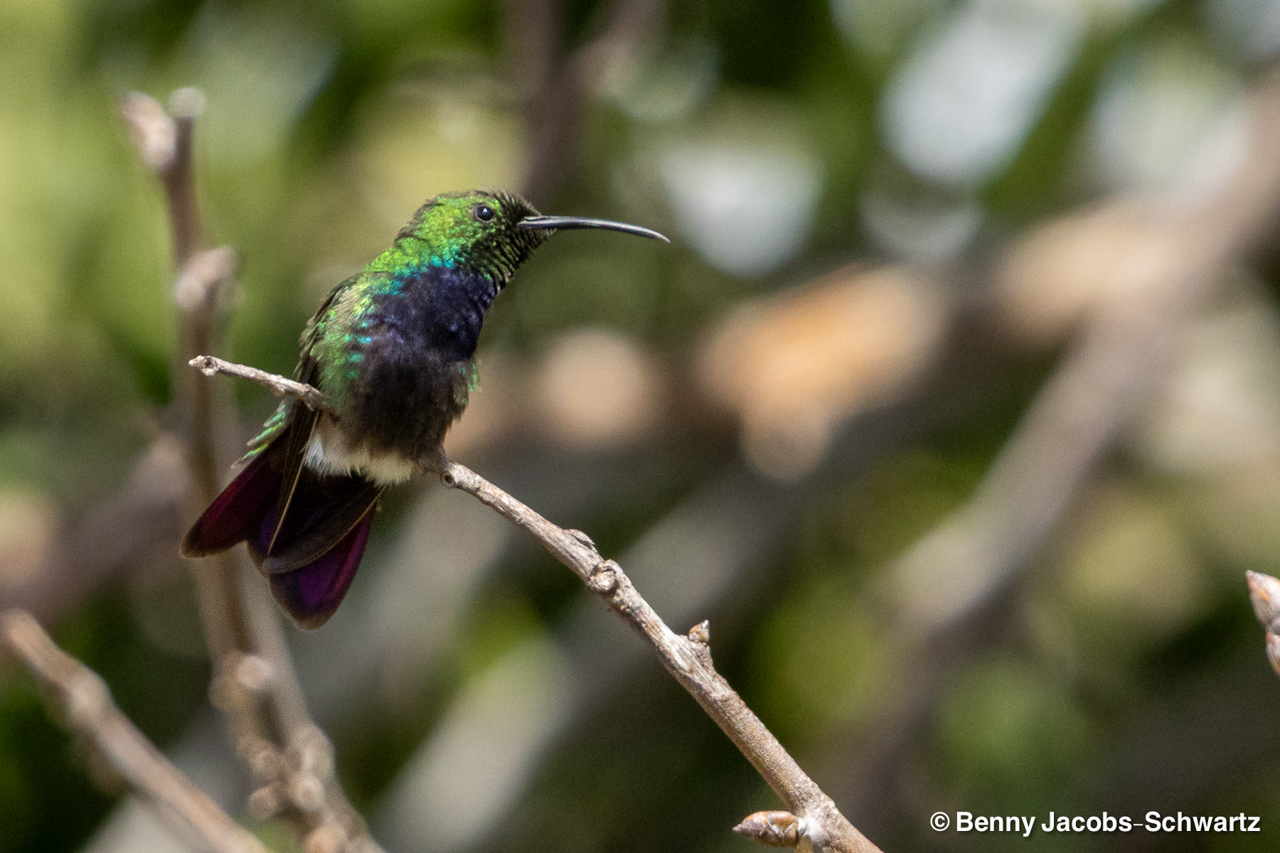
The expedition then moved to Charca Arizona, an oxbow lake formed by the Arecibo River. This site served as a vital data point for waterfowl distribution, revealing a significant flock of West Indian Whistling-Ducks, a species currently listed as "Near Threatened" by the IUCN. Further observations at Cambalache State Forest and Playa Sardinera documented a transition from forest-dwelling endemics, such as the Puerto Rican Mango and Puerto Rican Oriole, to coastal shorebirds including Black-bellied Plovers and Ruddy Turnstones.
Mid-Expedition: The West Coast and High-Altitude Mountains
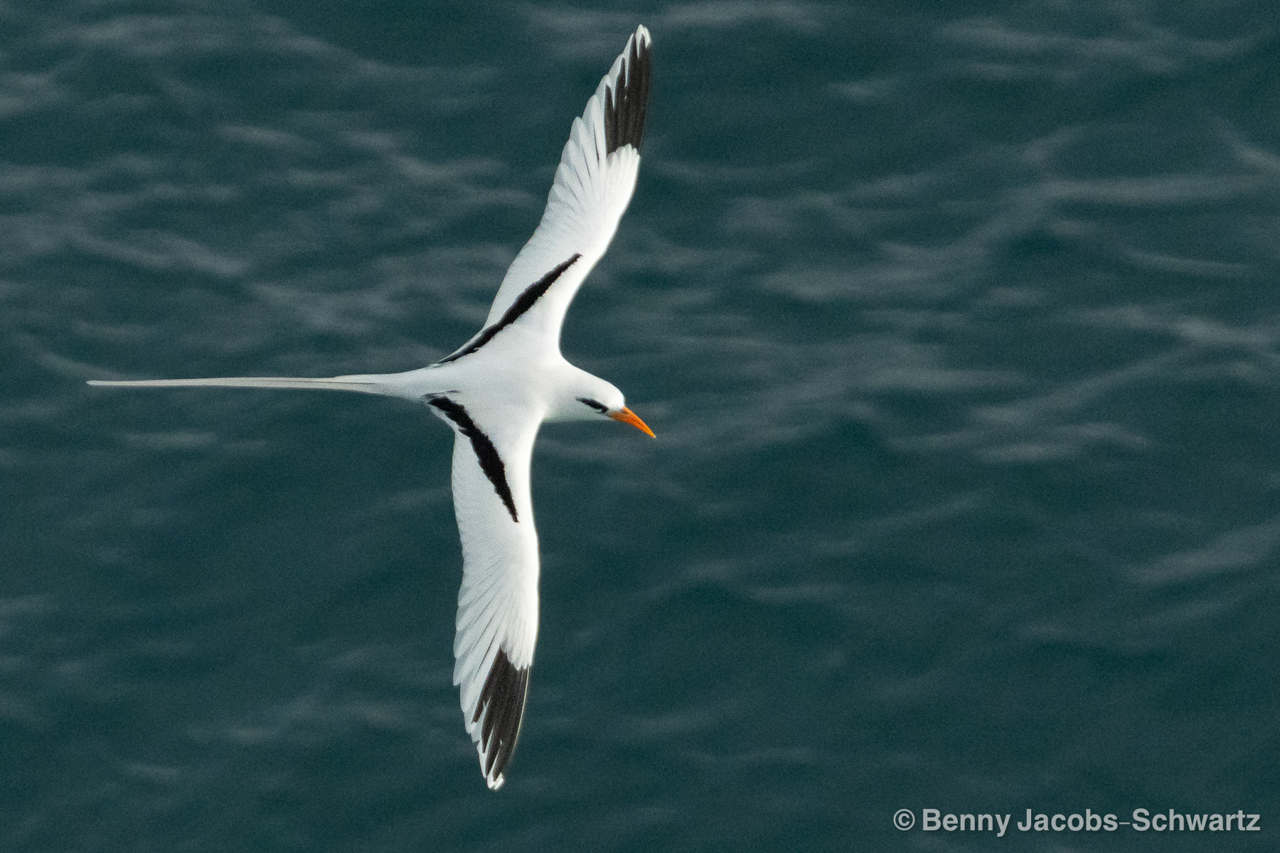
By March 5, the team focused on the northwestern cliffs of Los Merenderos de Guajataca. The highlight of this coastal segment was the "tropicbird bonanza," where White-tailed Tropicbirds were observed utilizing the limestone cliffs for nesting. The presence of these pelagic birds so close to shore indicates a healthy marine-terrestrial interface.
The expedition then transitioned to the Lajas Valley, an area dominated by agricultural fields and lagoons. At the Cartagena Lagoon National Wildlife Refuge, the group recorded four Masked Ducks. This sighting is particularly noteworthy given the species’ secretive nature and the ongoing restoration efforts at the lagoon to manage invasive floating vegetation that often chokes out native waterfowl habitat.
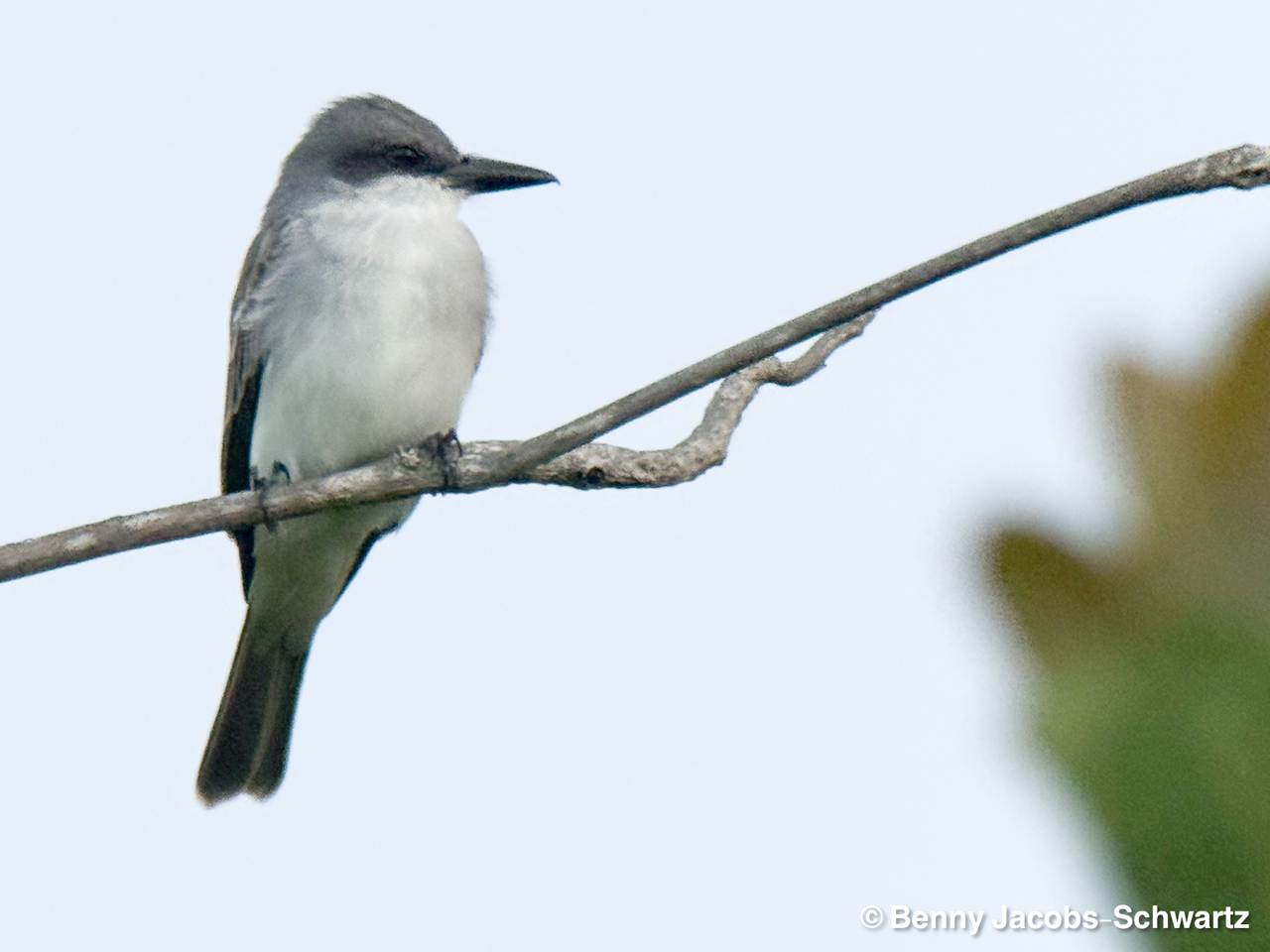
On March 6, the team ascended into the Maricao Mountains, part of the Central Cordillera. This region is the primary habitat for the Elfin Woods Warbler (Setophaga angelae), a species not discovered by science until 1971. The observation of four individuals suggests that the population remains stable in these high-altitude, high-humidity forests despite the increasing frequency of severe weather events.
Final Phase: Dry Forests and the Eastern Rainforest
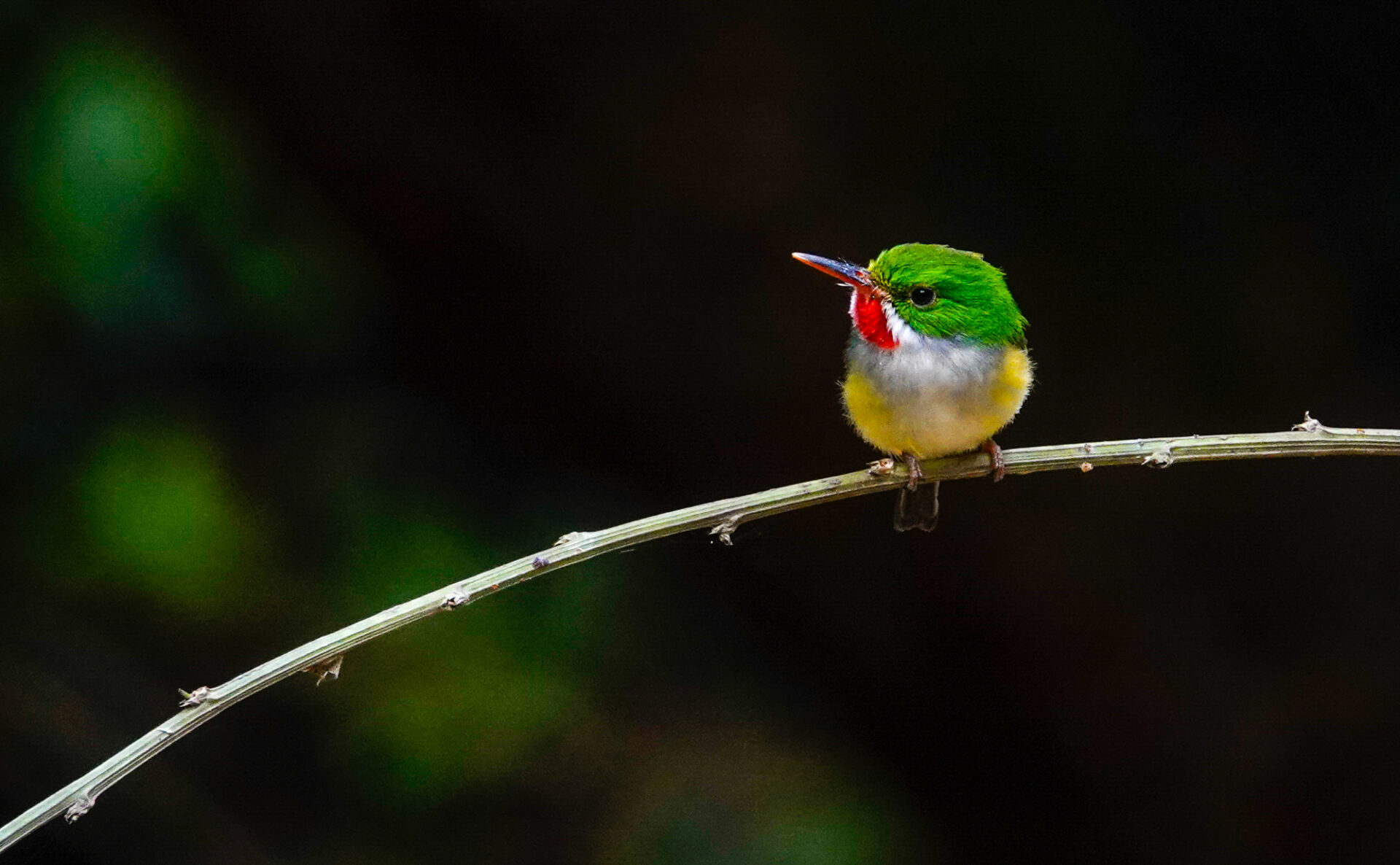
The latter half of the expedition focused on the Guánica State Forest, a UNESCO Biosphere Reserve and one of the best-preserved examples of subtropical dry forest in the world. Despite the challenging arid conditions, the team successfully located the Puerto Rican Tody and the elusive Key West Quail-Dove.
The survey concluded on March 9 in the El Yunque National Forest, the only tropical rainforest in the United States National Forest System. Receiving over 200 inches of rain annually in its upper reaches, El Yunque provided a stark contrast to the southern dry forests. The team recorded the Puerto Rican Tanager—a species recently reclassified into its own family, the Neotropical warblers—and witnessed the arrival of Caribbean Martins, marking the start of the spring nesting season. A final significant sighting occurred at the Medio Mundo y Daguao Nature Reserve, where six American Flamingos were observed, a rare occurrence that has become more frequent as the species slowly re-establishes its presence in the eastern Caribbean.
Supporting Data and Avian Diversity Analysis
The recording of 126 species represents a significant data set for avian monitoring on the island. The breakdown of the sightings reveals several key trends:
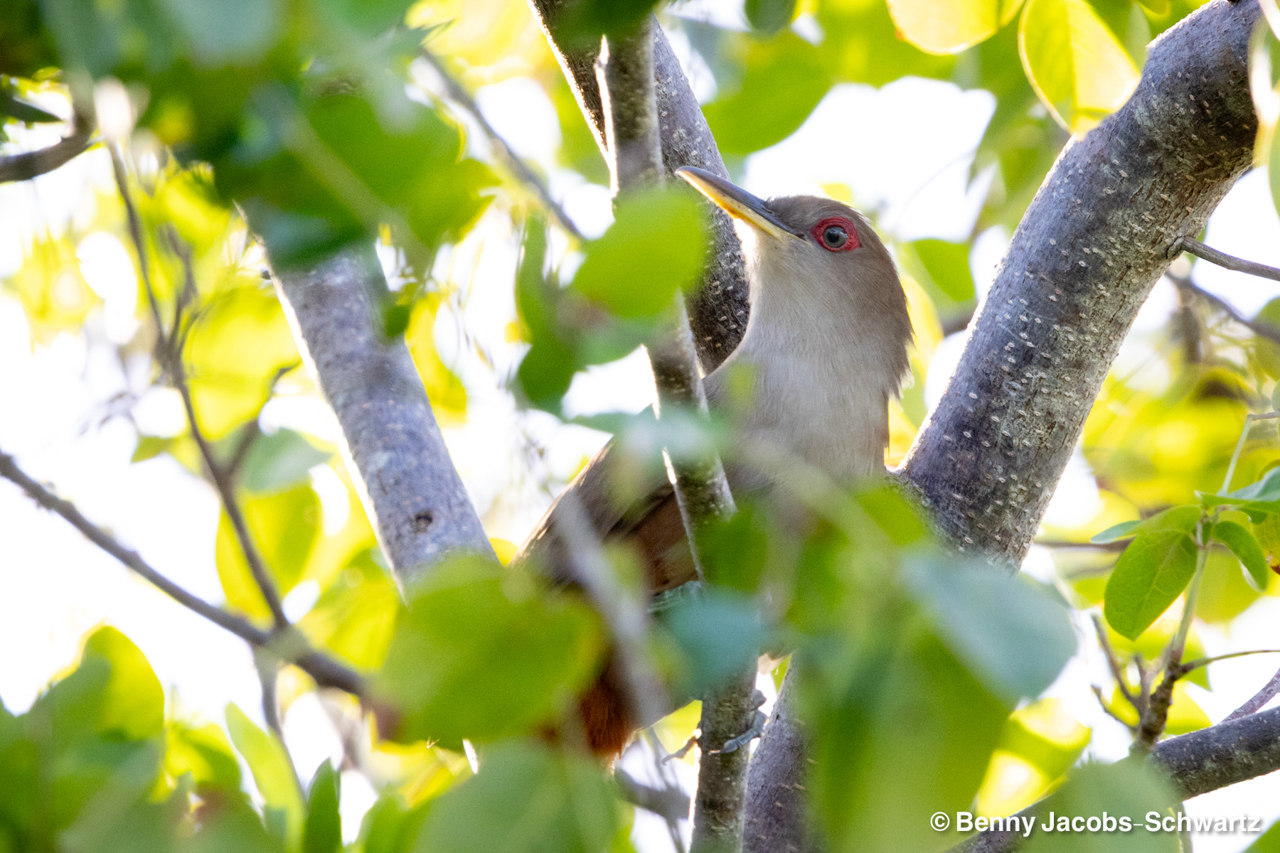
- Endemism: The expedition successfully located nearly all of Puerto Rico’s endemic species, including the Puerto Rican Woodpecker, Puerto Rican Lizard-Cuckoo, Puerto Rican Emerald, and the Puerto Rican Nightjar. The sighting of the Puerto Rican Owl in the southern scrub forest was a critical addition to the nocturnal survey data.
- Migratory Patterns: A diverse array of wood-warblers was recorded, including the Northern Parula, Prairie Warbler, Black-and-white Warbler, and American Redstart. The presence of these birds in high numbers across both wet and dry forests underscores Puerto Rico’s role as a primary wintering ground.
- Introduced Species: The team also monitored introduced populations, such as the Venezuelan Troupial and various estrildid finches in the Lajas Valley. While these species add to the total count, ecologists monitor them closely for potential competition with native species for nesting sites and food resources.
Conservation Context and Expert Observations
The high species count recorded during this expedition is a testament to the efficacy of Puerto Rico’s network of state and federal protected areas. Alcides Morales, a lead figure in the expedition, noted that the observation of 126 species was a "milestone for the program," reflecting not just a high level of observer skill but also a period of relative ecological stability following the devastation of Hurricane Maria in 2017.
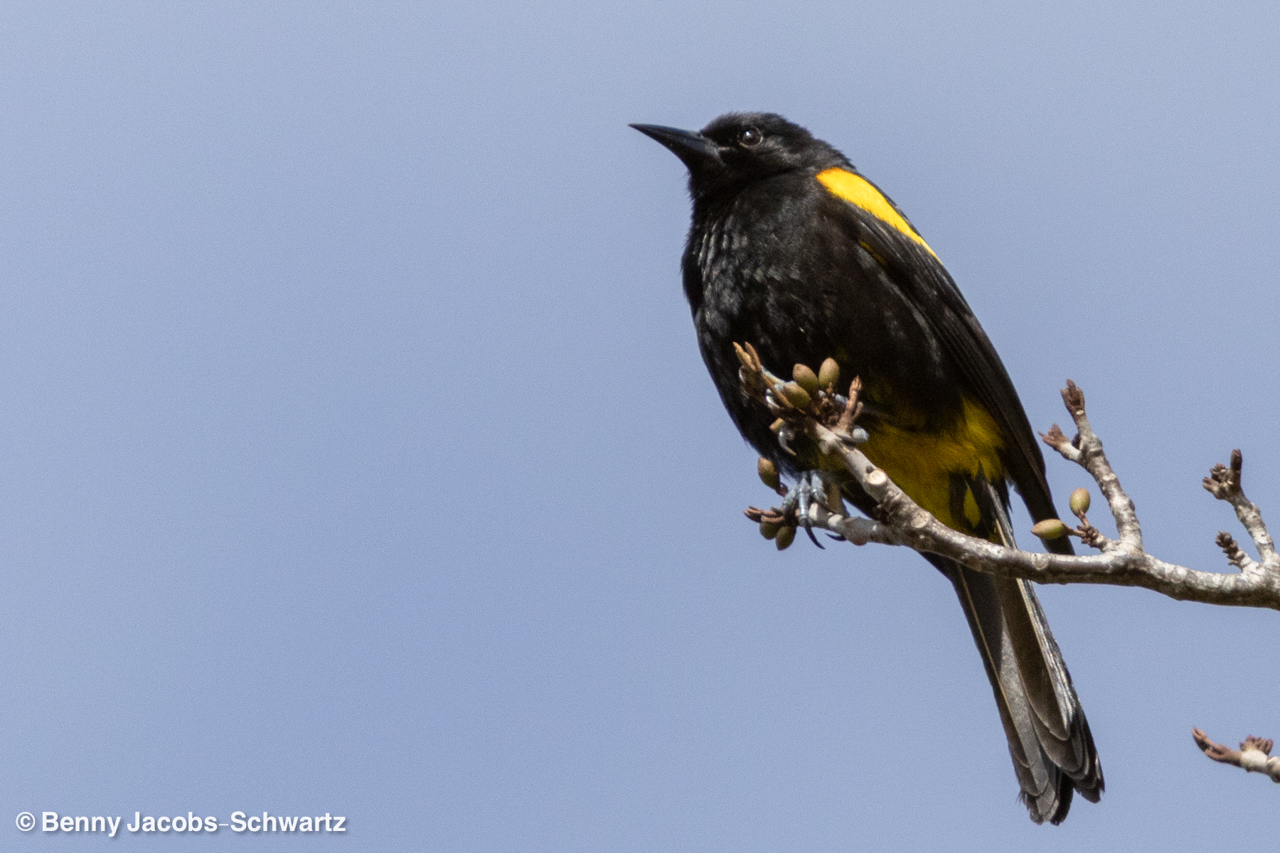
Habitat restoration, particularly in the La Parguera and Lajas regions, has been instrumental in the recovery of the Yellow-shouldered Blackbird (Agelaius xanthomus). Once widespread, the species is now largely restricted to the southwestern coast and Mona Island. The expedition’s observation of large flocks returning to mangrove roosts suggests that predator control and the provision of artificial nesting structures are yielding positive results.

However, the expedition also highlighted ongoing threats. The dependence of many endemics on specific micro-habitats—such as the Elfin Woods Warbler’s reliance on high-altitude dwarf forests—makes them particularly vulnerable to climate change-induced shifts in temperature and moisture levels. Furthermore, the encroachment of invasive plant species in wetland areas continues to require active management to maintain open water for species like the Masked Duck.
Broader Impact and Environmental Implications
The success of the March expedition has broader implications for ecotourism and conservation funding in Puerto Rico. Avian tourism is a growing sector of the island’s economy, providing an economic incentive for the preservation of natural habitats. By documenting such a high volume of species, the expedition reinforces Puerto Rico’s reputation as a premier destination for international ornithologists and citizen scientists.
The data collected during these seven days will be integrated into the eBird database, a global initiative managed by the Cornell Lab of Ornithology. This contribution allows researchers to track long-term population trends, migratory timing, and the impact of environmental changes on bird distributions.
As the expedition concluded with a final survey of the eastern wetlands, the presence of rare species like the American Flamingo and the Blue-and-Yellow Macaw (an introduced but naturalized population in San Juan) served as a reminder of the dynamic and ever-changing nature of the island’s avifauna. The 126 species recorded stand as a benchmark for future surveys and a clear indicator that while challenges remain, Puerto Rico’s "emerald" forests and coastal gems continue to support a vibrant and diverse avian assembly.
