
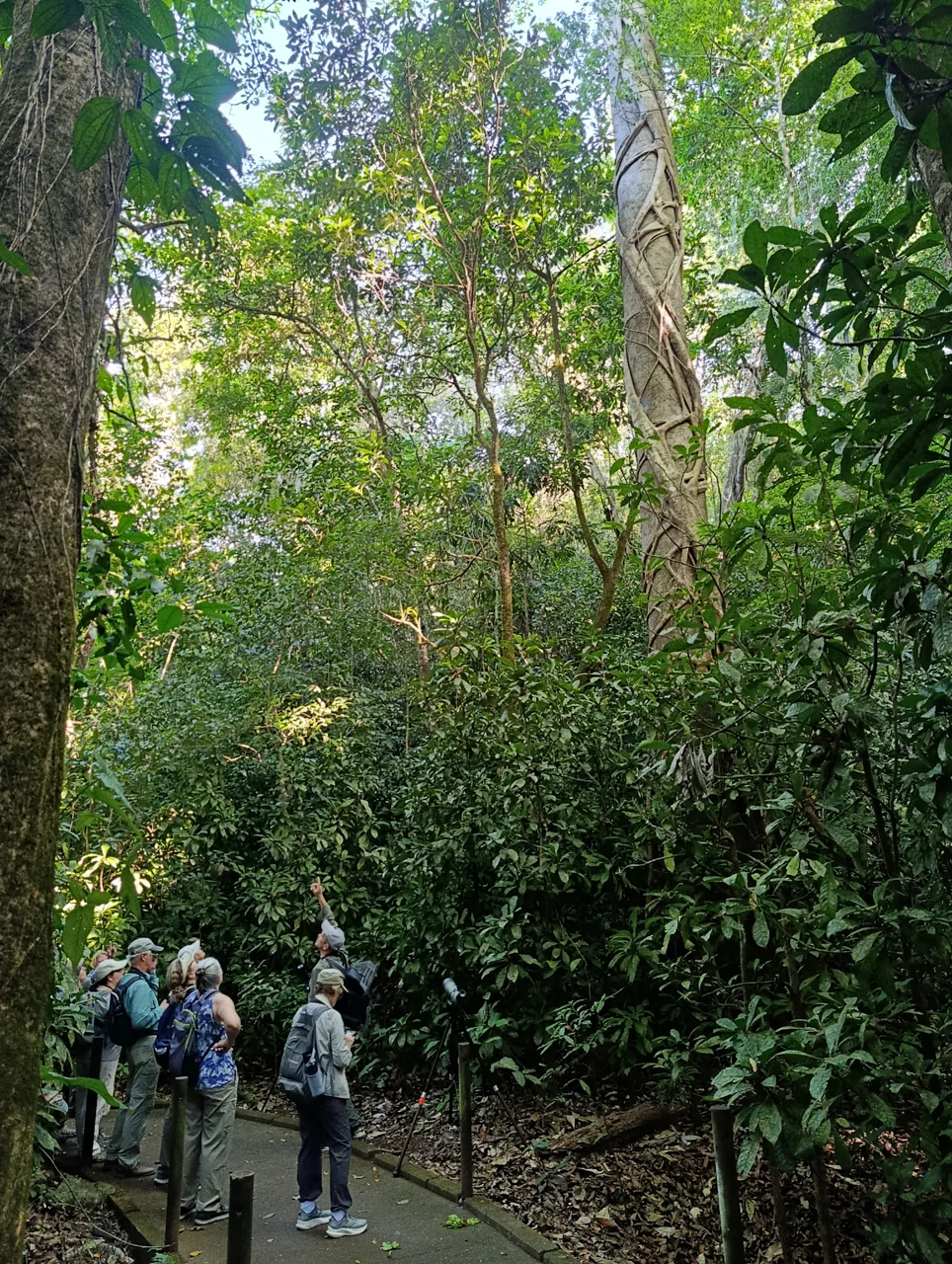
From March 1 to March 12, 2026, an international cohort of ornithologists and birding enthusiasts completed an intensive 11-day survey of Costa Rica’s diverse ecological zones, documenting hundreds of species across the country’s Central Valley, Pacific coast, Talamanca highlands, and Caribbean lowlands. Led by renowned naturalist Ernesto Carman, the expedition served as both a high-level birding tour and a practical assessment of current habitat health in several of Central America’s most critical biodiversity hotspots. The itinerary was strategically designed to traverse a variety of microclimates, ranging from the humid mangroves of the Pacific to the subalpine páramo of Cerro de la Muerte, providing a comprehensive "sampler" of the nearly 900 bird species that call the republic home. This report details the chronological progression of the expedition, the specific environmental data gathered, and the broader implications for regional conservation efforts.
The Central Valley and Initial Observations
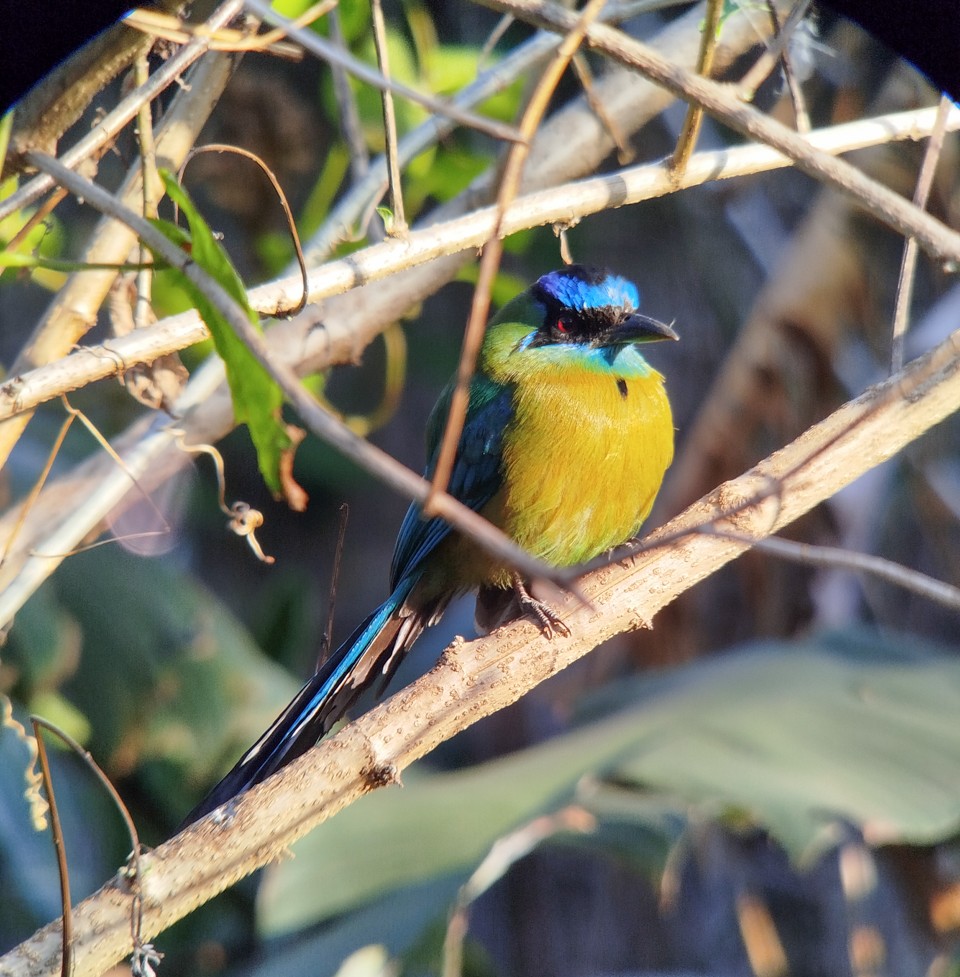
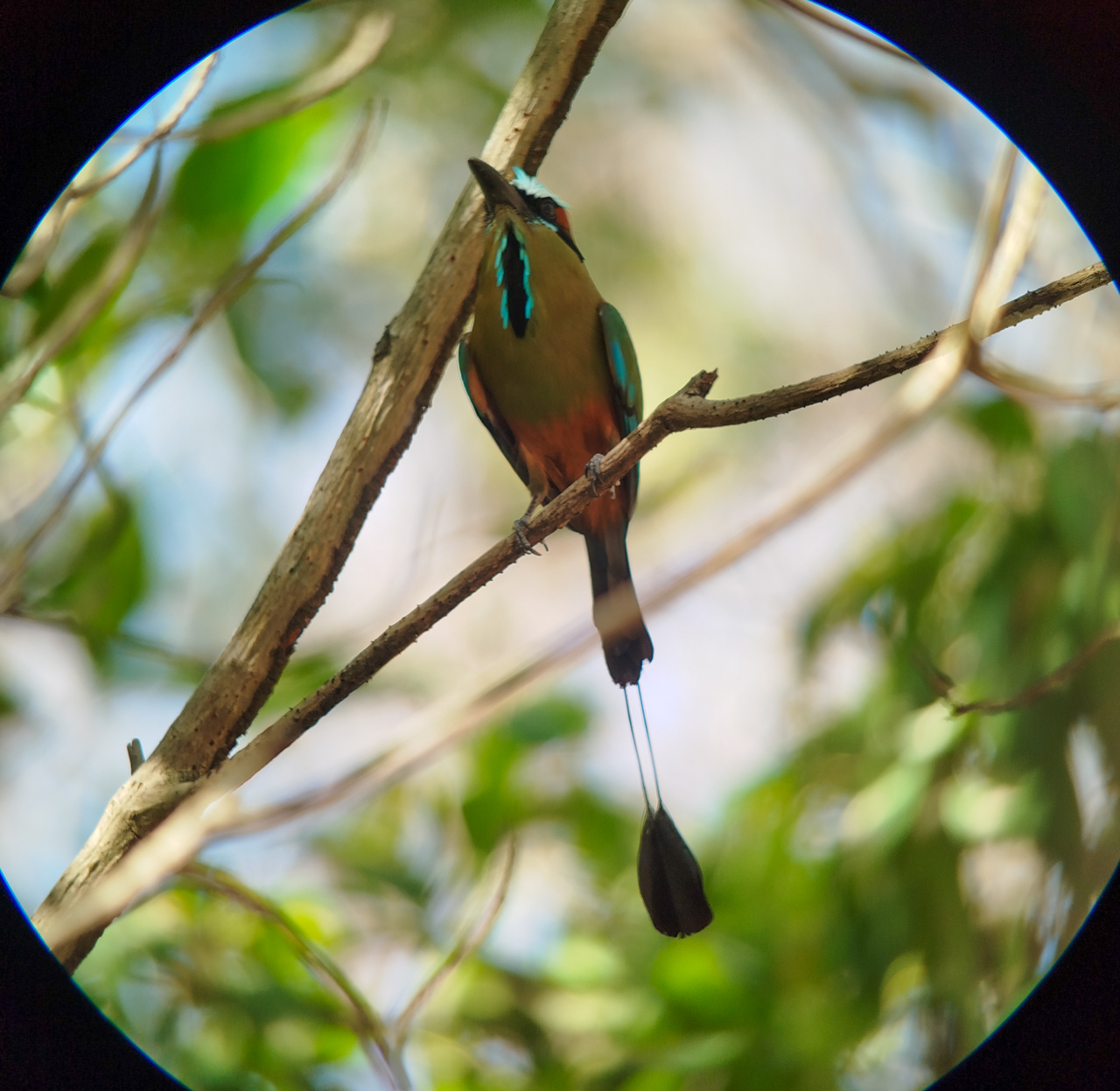
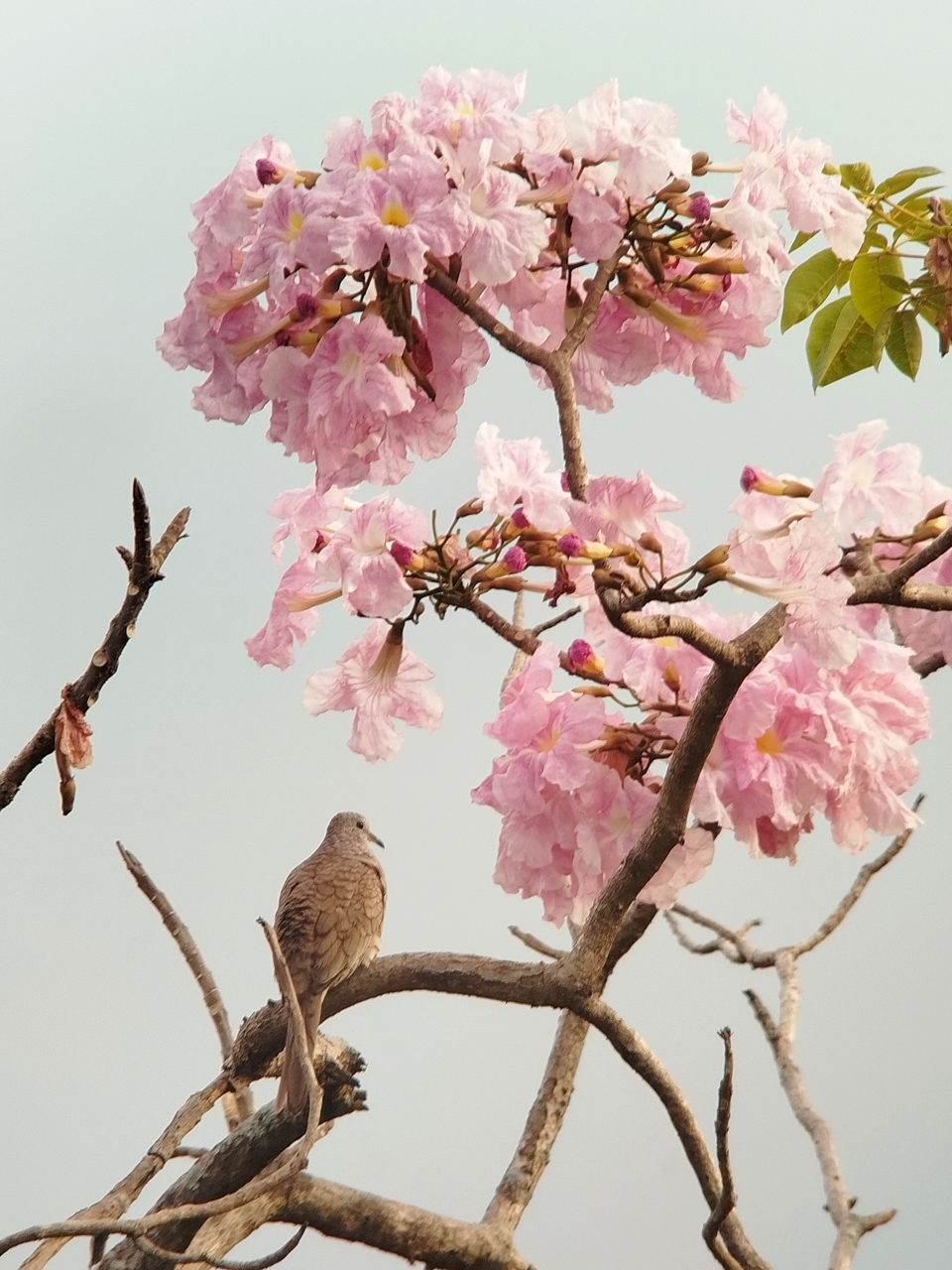
The expedition commenced at the Hotel Bougainvillea, situated in the heart of the Central Valley. This location, while suburban, serves as an important green corridor for species adapted to the volcanic soils and temperate climate of the interior plateau. During the initial late-afternoon survey of the hotel’s botanical gardens, the group documented resident populations of Lesson’s Motmot (Momotus lessoni) and the Red-billed Pigeon (Patagioenas flavirostris).
A significant observation was made regarding the resident Mottled Owl (Strix virgata), which continues to occupy a specific bamboo grove on the property. According to local naturalists, the persistence of these raptors in semi-urbanized environments underscores the importance of "island" habitats within the San José metropolitan area. These gardens act as essential stopover points for altitudinal migrants and permanent residences for species that have become increasingly marginalized by urban sprawl.
Transition to the Pacific Lowlands and Mangrove Ecosystems
On the second day, the expedition moved westward toward the Pacific coast to capitalize on early morning activity and avoid the intense equatorial heat of the afternoon. A primary focus was the Caldera mangroves, a sensitive ecosystem that serves as a nursery for both marine life and specialized avian species.
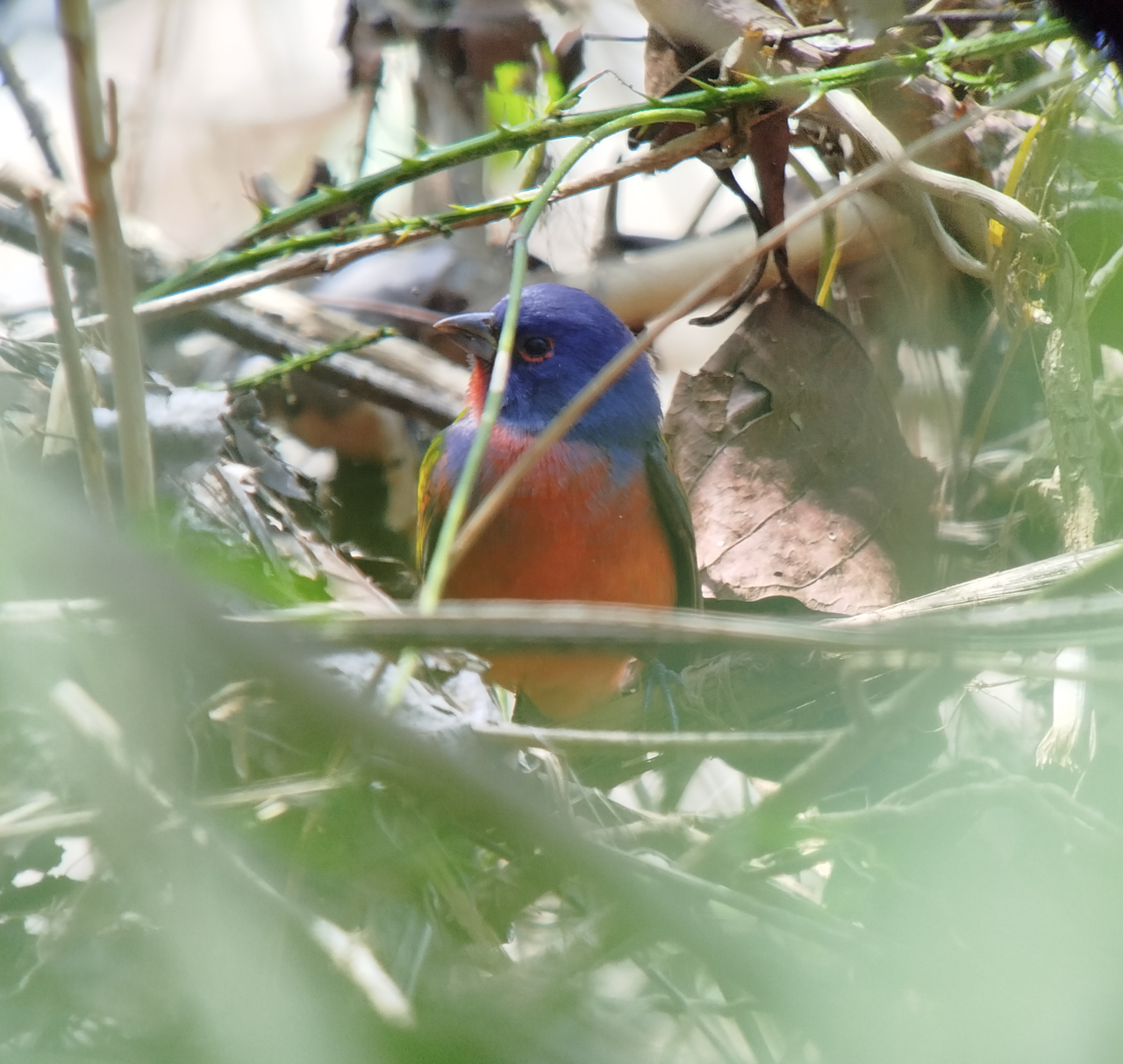
The group reported an extraordinary "jackpot" event involving the native Chameleon Vine (Combretum farinosum). Because these vines were in full bloom, their high nectar production attracted an unusually high density of nectarivores. Observations included the Prothonotary Warbler (Protonotaria citrea) and the Tennessee Warbler (Leidopara peregrina), alongside the Scaly-breasted and Cinnamon Hummingbirds. Most notably, the group secured sightings of the Mangrove Hummingbird (Amazilia boucardi), a species currently classified as endangered due to habitat loss.

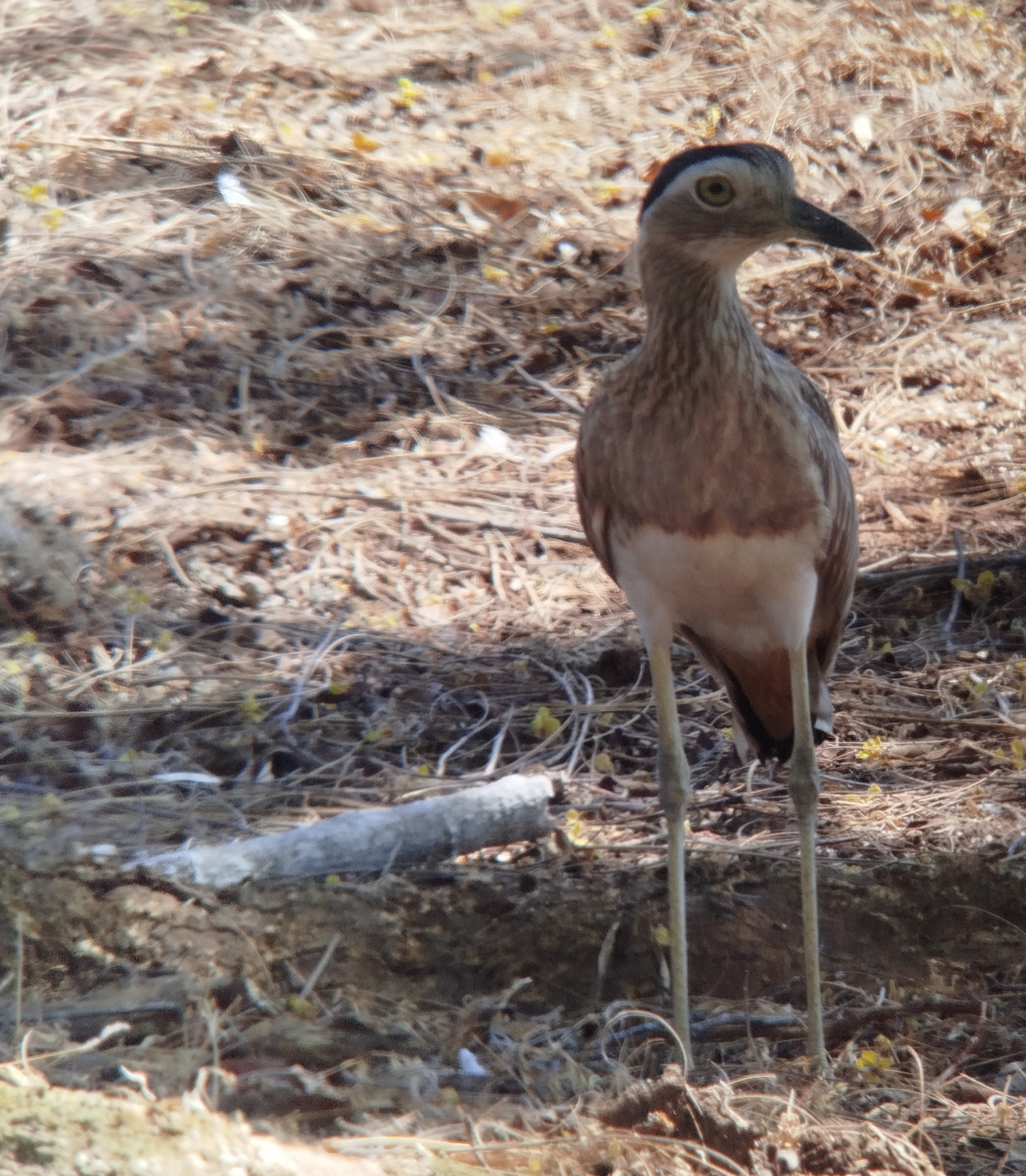
The survey continued along Guácimo Road, where the focus shifted to dry-forest specialties. The sighting of the Double-striped Thick-knee (Burhinus bistriatus) provided data on the species’ continued presence in the region’s agricultural fringes. In the village of Tárcoles, the group documented four distinct species of kingfisher—Ringed, Amazon, Green, and American Pygmy—indicating a robust aquatic food chain in the local estuaries.
Ecological Complexity of Carara and the Bijagual Heights
Days three and four focused on the transition zone between the dry forests of the north and the humid rainforests of the south, specifically within Carara National Park and the surrounding Bijagual road. Carara is internationally recognized as a critical sanctuary for the Scarlet Macaw (Ara macao). The expedition observed these macaws defending nesting sites, a behavior that suggests a healthy, competitive breeding population.
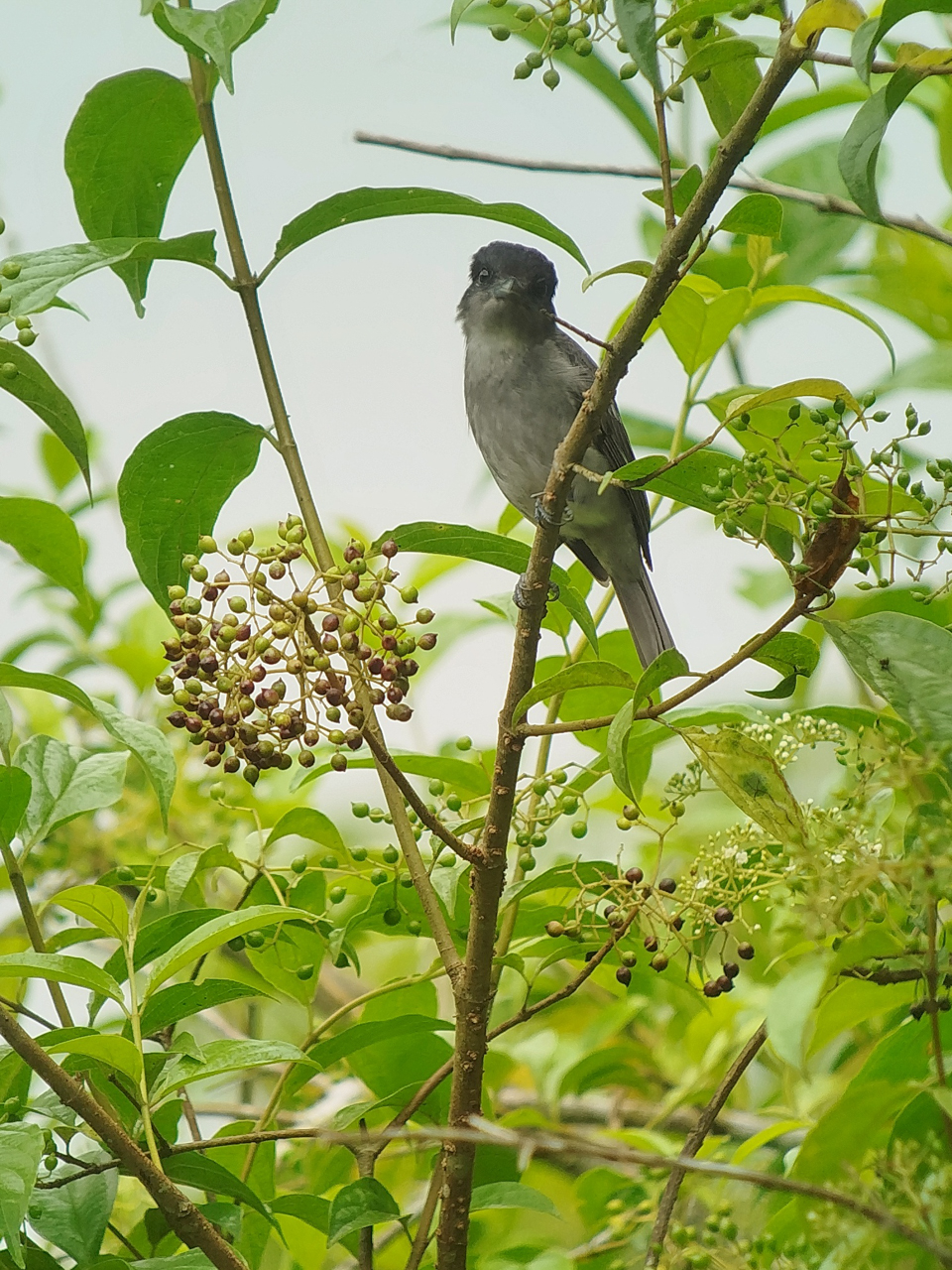
Within the primary forest of the Quebrada Bonita Trail, the group documented deep-forest specialists including the Black-hooded Antshrike and the Bicolored Antbird. A pair of White-necked Puffbirds was observed excavating a nest within a termite mound, a specific symbiotic nesting behavior that highlights the intricate biological dependencies within mature tropical rainforests.

The afternoon boat tour on the Tárcoles River, led by Captain Juan Carlos, provided a census of riparian and coastal birds. The presence of Roseate Spoonbills, Wood Storks, and large American Crocodiles (Crocodylus acutus) confirmed the high biomass productivity of the Tárcoles basin, despite ongoing environmental pressures from upstream runoff.

Highland Migration and Endemic Conservation
On day five, the expedition crossed back through the Central Valley toward the eastern slopes. A stop in the town of Paraíso highlighted local conservation initiatives. The group examined the town’s efforts to protect the Cabanis’s Ground-Sparrow (Melozone cabanisi), a species endemic to Costa Rica. The use of the bird as a cultural symbol in the town square reflects a growing trend in Costa Rican municipalities to link local identity with biodiversity preservation.

The group visited Café Cristina, an organic, shade-grown coffee plantation. This site served as a case study for the expedition on how sustainable agricultural practices—specifically the maintenance of a multi-layered canopy—can support forest-dependent species like the Montezuma Oropendola and various migratory warblers while maintaining economic productivity.

The Talamanca Mountains and the Resplendent Quetzal
The search for the Resplendent Quetzal (Pharomachrus mocinno) took the group into the Talamanca Mountains on day six. In the village of La Esperanza, the expedition worked with local guide Jesus to locate the birds near fruiting wild avocado trees (Lauraceae). The successful sighting of the Quetzal, a species that requires high-altitude primary forest and specific nesting snags, remains a key indicator of the health of the cloud forest corridor.

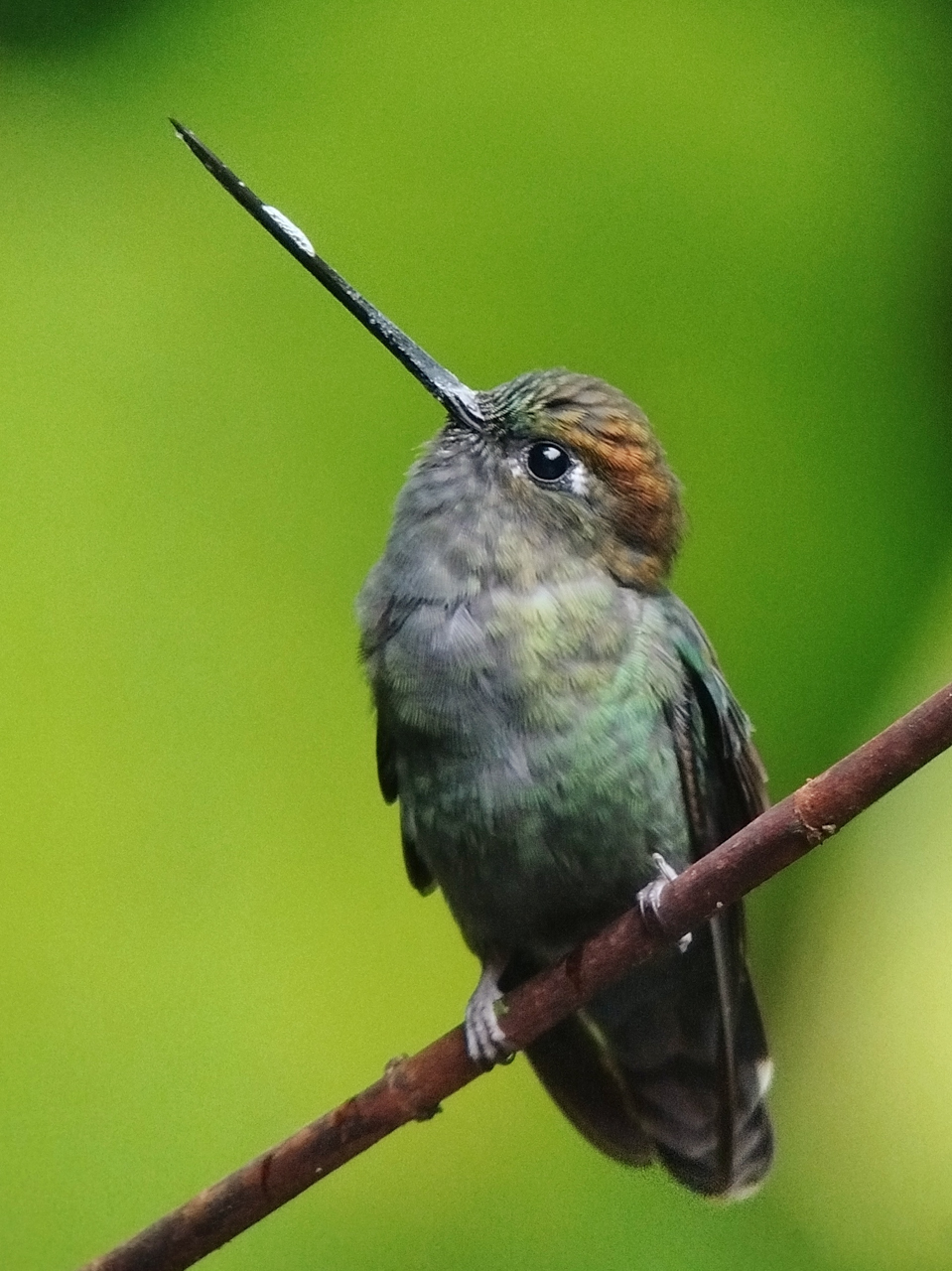
The survey reached its highest altitudinal point at Cerro de la Muerte (3,400 meters above sea level). Here, the group documented the Volcano Junco, a specialist of the páramo ecosystem. The presence of Fiery-throated Hummingbirds and Slaty Flowerpiercers at Paraíso Quetzal Lodge provided data on the specialized nectar-feeding guilds that exist in these cold, high-oxygen environments.
The Ujarrás Valley and Caribbean Slope Transitions
Days seven and eight involved a descent into the Ujarrás Valley and a subsequent move toward the Caribbean slope. In the rural corners of Ujarrás, the group again located the Cabanis’s Ground-Sparrow, reinforcing the importance of the valley’s scrub-fallow habitats. Observations of Hook-billed Kites feeding in chayote plantations illustrated how certain raptors have adapted to specific agricultural landscapes.

Moving toward the Arenal region, the group traversed the Reventazón River valley. This area is noted as a vital stopover site for the Cerulean Warbler (Setophaga cerulea), a migratory species of significant conservation concern. The expedition stopped at La Hoja Garden, where they documented three species of honeycreepers and a Three-toed Sloth with offspring, indicating high reproductive success in the region’s secondary forest patches.

Arenal Observatory: A Volcanic Biodiversity Hub
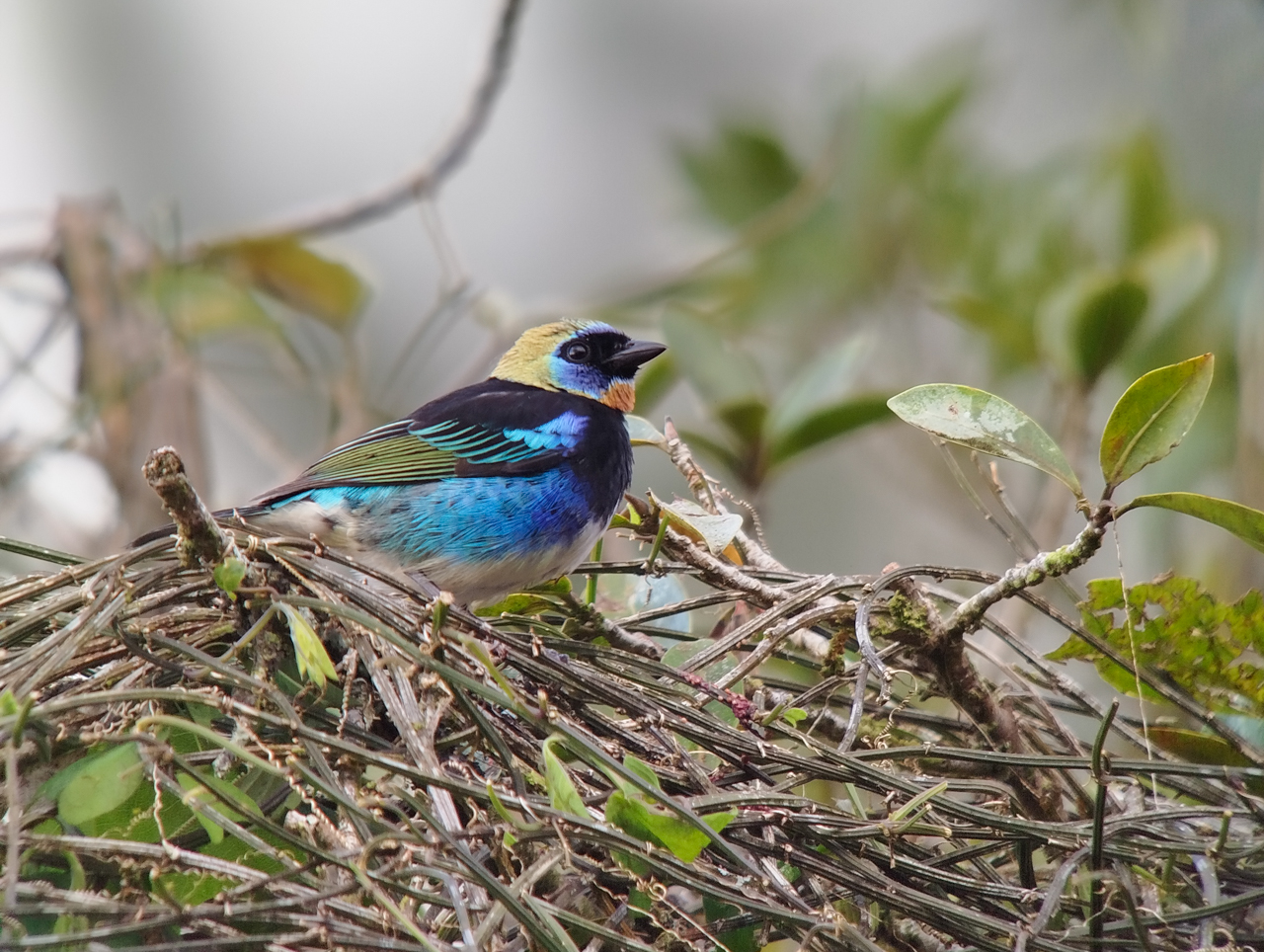
Days nine and ten were spent at the Arenal Observatory Lodge, situated on the flanks of the Arenal Volcano. The lodge’s unique position between the Caribbean lowlands and the interior highlands makes it a "collision zone" for diverse species. The group documented an impressive array of toucans (Yellow-throated and Keel-billed) and the range-restricted Black-and-yellow Tanager.

A significant raptor sighting occurred on the Peninsula Road, where a Gray-headed Kite was observed. Additionally, the sudden appearance of a Bicolored Hawk on the waterfall trail, which caused an immediate dispersal of a mixed-species flock, provided a firsthand look at the "landscape of fear" and predator-prey dynamics that govern forest bird behavior.

Scientific Research at La Selva Biological Station
The final day of the expedition focused on the La Selva Biological Station, one of the world’s most important sites for tropical ecosystem research. Guided by Jehudi, a resident researcher, the group learned about the ongoing longitudinal studies conducted by the Organization for Tropical Studies (OTS).

La Selva provided sightings of the critically endangered Great Green Macaw (Ara ambiguus), a species whose survival is tied to the preservation of the Almendro tree. The group also documented White Tent-making Bats and the Strawberry Poison Frog, emphasizing that avian conservation is inseparable from the preservation of broader herpetological and mammalian biodiversity. The trip concluded at Hotel Robledal with a final sighting of Ferruginous Pygmy-Owls, bringing the total species count to a level that reinforces Costa Rica’s status as a premier destination for ornithological study.
Analysis of Implications and Environmental Outlook
The 2026 Eagle-Eye expedition highlights several critical themes in contemporary neotropical ornithology. First, the success of "birding tourism" continues to provide a direct economic incentive for landowners to preserve primary forest and implement silvopastoral systems. The transition from traditional coffee farming to shade-grown models, as seen at Finca Cristina, is essential for maintaining the connectivity of biological corridors.
Second, the data gathered on endemic and endangered species—such as the Mangrove Hummingbird and Cabanis’s Ground-Sparrow—suggests that while these populations are currently stable in protected pockets, they remain highly vulnerable to habitat fragmentation. The reliance of the Resplendent Quetzal on specific altitudinal corridors for seasonal migration underscores the need for "mega-parks" that span multiple elevations rather than isolated lowland or highland reserves.
Finally, the expedition’s observations at La Selva Biological Station serve as a reminder that rigorous scientific monitoring is the backbone of conservation. As climate change alters fruiting patterns and migratory timing, the work of guides and visiting birders in documenting these shifts provides essential "citizen science" data that complements formal academic research. The 2026 sampler confirms that while Costa Rica remains a bastion of biodiversity, the continued health of its avian populations depends on a sophisticated balance of ecotourism, sustainable agriculture, and proactive habitat management.
