
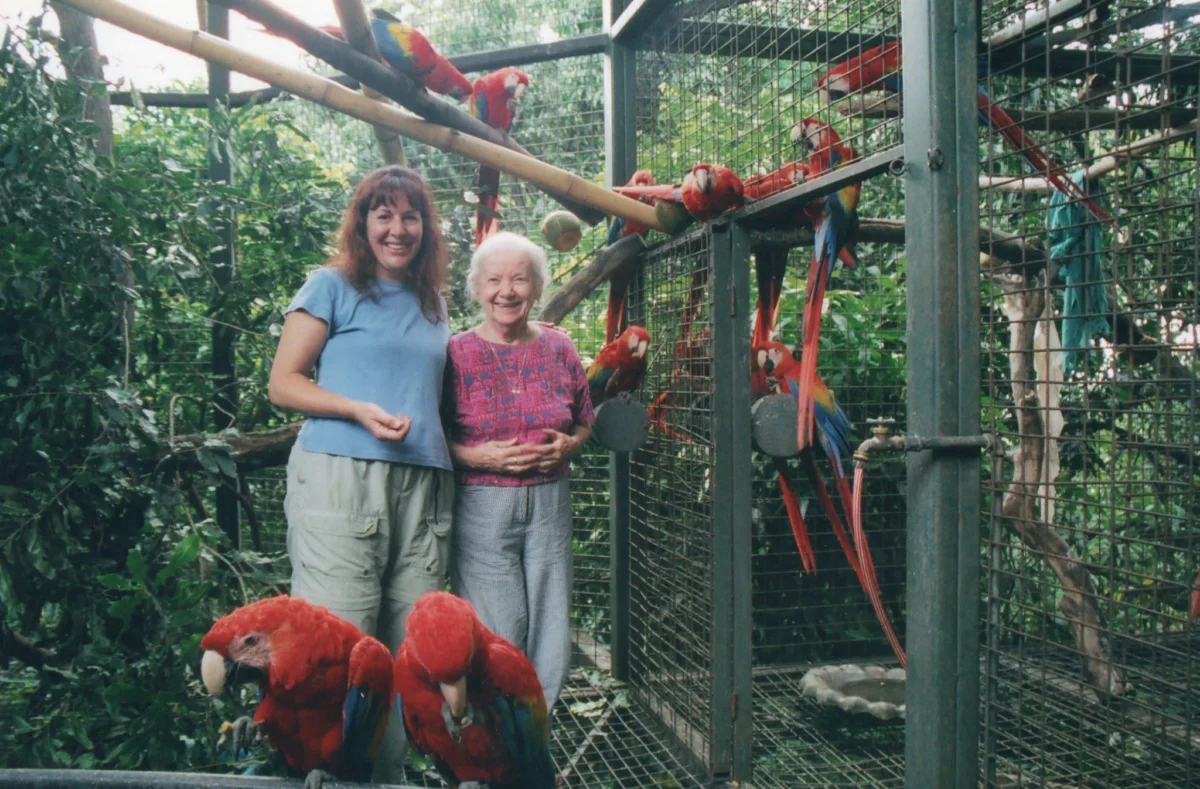
The Toucan Rescue Ranch, an organization that has become a cornerstone of Costa Rican wildlife conservation, celebrates over twenty years of dedicated service to the rescue, rehabilitation, and release of the nation’s diverse fauna. Founded in 2004, the ranch has evolved from a specialized avian facility into a multi-species medical and educational powerhouse. This journey reflects not only the growth of a single non-profit organization but also the broader shift in global conservation strategies toward professionalized veterinary care, community-integrated education, and data-driven release programs. As Costa Rica continues to position itself as a world leader in environmental protection, the history of the Toucan Rescue Ranch (TRR) serves as a vital case study in how grassroots initiatives can scale into international models of excellence.
The Genesis of a Conservation Powerhouse: 2004–2006
The story of the Toucan Rescue Ranch began in 2004 when Leslie Howle and Jorge Murillo established the facility in the highlands of San Isidro, Heredia. Initially, the project was born out of a specific passion for toucans—iconic birds that face significant threats from habitat loss and the illegal pet trade. In its earliest years, the ranch focused on providing a sanctuary for injured birds, many of which arrived with fractures, malnutrition, or behavioral issues stemming from domestic captivity.
During this foundational period, the founders recognized that rescue was only the first step. To truly impact the population of Costa Rican wildlife, the ranch needed to develop expertise in captive breeding for species that were struggling in the wild. By creating a controlled environment that mimicked the birds’ natural habitat, the TRR began to lay the groundwork for what would become a sophisticated rehabilitation protocol.
Strategic Diversification and Early Milestones: 2007–2012
A pivotal shift occurred in 2007 when the Toucan Rescue Ranch accepted its first mammal, a two-fingered sloth named Millie. This event marked the beginning of TRR’s expansion into a multi-species rescue center. The challenges of sloth rehabilitation—ranging from their specialized diet to their slow metabolic response to medication—required the staff to pioneer new care techniques. Millie became a symbol of the ranch’s growing capabilities and its willingness to address the needs of various species beyond the avian world.
Also in 2007, the ranch achieved a significant scientific milestone by becoming the first facility in Costa Rica, and only the second in the world, to successfully captive-breed Emerald Toucanets. This achievement garnered attention from the international ornithological community and established TRR as a serious contributor to wildlife science.
As the number of rescues increased, the physical limitations of the original site became apparent. In 2008, the organization made a strategic investment in a 25-acre property in Sarapiquí. This expansion was not merely about space; it was about ecology. The Sarapiquí region offered a lowland rainforest environment that was ideal for the eventual release of many of the species being treated at the San Isidro headquarters.
Professionalization and Global Integration: 2013–2016
By 2013, the Toucan Rescue Ranch had transitioned from a private rescue effort into a professionalized NGO. A major breakthrough during this year was the establishment of a high-tech veterinary hospital at the San Isidro headquarters. Prior to this, complex medical procedures often required transporting animals to external clinics, which increased stress on the patients. The on-site hospital allowed for immediate triage, advanced diagnostics, and specialized surgery, significantly increasing survival rates for critically injured wildlife.
Simultaneously, the organization sought to formalize its international support network. In 2013, TRR became a registered 501(c)(3) non-profit in the United States. This status was crucial for long-term sustainability, as it allowed the ranch to apply for international grants and offer tax-deductible opportunities for American donors.
In 2015, the ranch further refined its "Release Site" model. It transformed a 16-acre farm in Sarapiquí into a dedicated "soft-release" facility. Unlike "hard releases," where animals are simply released into the wild, soft-release involves a gradual transition. Animals are placed in large outdoor enclosures within their natural habitat, allowing them to acclimate to the sounds, weather, and food sources of the forest while still receiving supplemental care. This methodology has since become a hallmark of TRR’s success in rewilding.
Collaborative Conservation and Reforestation: 2017–2019
Recognizing that the challenges facing wildlife are too great for any single entity to solve, the Toucan Rescue Ranch began forming powerful alliances. In 2017, they partnered with The Sloth Institute to launch the "Saving Sloths Together" (SST) program. This collaboration combined TRR’s expertise in medical rehabilitation with The Sloth Institute’s specialized knowledge of sloth behavior and post-release monitoring. The SST program focused on hand-rearing orphaned sloths—a delicate process that takes years—and ensuring they possess the necessary skills to survive in the wild canopy.
The scope of TRR’s mission expanded again in 2018 to include habitat restoration. In partnership with the renowned Costa Rican coffee company Café Britt, the ranch spearheaded a reforestation initiative that saw the planting of over 2,000 trees. This project aimed to restore fragmented rainforest canopies, creating biological corridors that allow wildlife to travel safely between protected areas.
Technological advancement also took center stage during this period. The ranch began using VHF and GPS tracking equipment to monitor released animals. For the first time, researchers could gather empirical data on where the animals went, how they interacted with wild populations, and whether they were successfully finding food. This data loop allowed TRR to refine its rehabilitation techniques based on real-world outcomes.
Resilience and Innovation During the Pandemic: 2020–2022
The global COVID-19 pandemic in 2020 posed an existential threat to many conservation organizations that relied on ecotourism. However, the Toucan Rescue Ranch demonstrated remarkable agility. When physical visitors could no longer come to the ranch, the ranch went to the world. TRR expanded its education program into the digital realm, offering virtual tours and university-level courses.
These efforts were so successful that TRR’s virtual experience was ranked as the #1 virtual tour in the world on Amazon’s Virtual Experiences platform. This shift not only provided a vital revenue stream during the lockdowns but also democratized conservation education, reaching audiences in dozens of countries who might never have the opportunity to visit Costa Rica in person.
During this time, the ranch also received the World Travel and Tourism Council’s (WTTC) Safe Travels Certification, reflecting its commitment to high standards of health and safety. By 2021, the ranch had solidified its reputation as a premier educational destination, achieving top ratings on platforms like TripAdvisor and forming new alliances with local corporate partners to ensure financial stability in a post-pandemic economy.
A Legacy of Impact: 2023–2024 and the 20th Anniversary
The year 2023 marked another expansion of the ranch’s taxonomic focus with the launch of the "Saving Howler Monkeys Together" program. Much like the sloth initiative, this program focuses on the complex needs of howler monkeys, which are frequently victims of electrocution on uninsulated power lines and attacks by domestic dogs. The completion of a new Education Center at the Sarapiquí Release Site further enhanced the organization’s ability to host researchers and students, turning the release site into a hub for conservation science.
In 2024, the Toucan Rescue Ranch celebrated its 20th anniversary, a milestone that was marked by significant upgrades to its wildlife hospital. Thanks to various international grants, the facility acquired a state-of-the-art blood analysis machine and a digital X-ray machine. These tools allow the medical team to diagnose internal injuries and infections with a level of precision that was unimaginable when the ranch first opened in 2004.
The anniversary year also saw TRR’s first major fundraising event in the United States. The "Wildlife Wonders" fundraiser, held at the Nashville Zoo, was a landmark event that secured TRR’s first Association of Zoos and Aquariums (AZA) conservation partner. The event raised substantial funds, including a $25,000 anchor donation, and introduced the ranch’s mission to a new demographic of North American conservationists. Furthermore, the annual "Sloth Ironman Games," an online fundraising event that uses the "athleticism" of sloths to engage the public, broke records by raising over $30,000.
Analysis of Implications and Future Outlook
The twenty-year trajectory of the Toucan Rescue Ranch highlights several critical trends in modern conservation. First, it underscores the importance of the "One Health" approach, which recognizes that the health of wildlife, humans, and the environment are inextricably linked. By treating rescued animals, TRR also monitors the health of the ecosystem, identifying outbreaks of disease or environmental toxins that could eventually affect human populations.
Second, TRR’s history demonstrates the power of "Rewilding." By moving beyond simple sanctuary care and focusing on the complex science of release, the ranch is actively contributing to the genetic diversity and population stability of Costa Rican forests. This is particularly important for "umbrella species" like toucans and monkeys, whose presence in the forest helps maintain the health of the flora through seed dispersal.
As the organization moves into 2025 and beyond, the challenges remain significant. Climate change, urban sprawl, and the continued threat of illegal wildlife trafficking require constant vigilance. However, with two decades of experience, a robust network of international partners, and a modernized medical facility, the Toucan Rescue Ranch is better equipped than ever to meet these challenges. The transition from a small ranch in the hills of Heredia to an internationally recognized leader in wildlife rehabilitation serves as a testament to what can be achieved through persistence, scientific rigor, and a deep-seated commitment to the natural world. The next chapter of the Toucan Rescue Ranch will likely focus on even greater integration of community-led conservation, ensuring that the people of Costa Rica remain the primary guardians of their own extraordinary biodiversity.
