
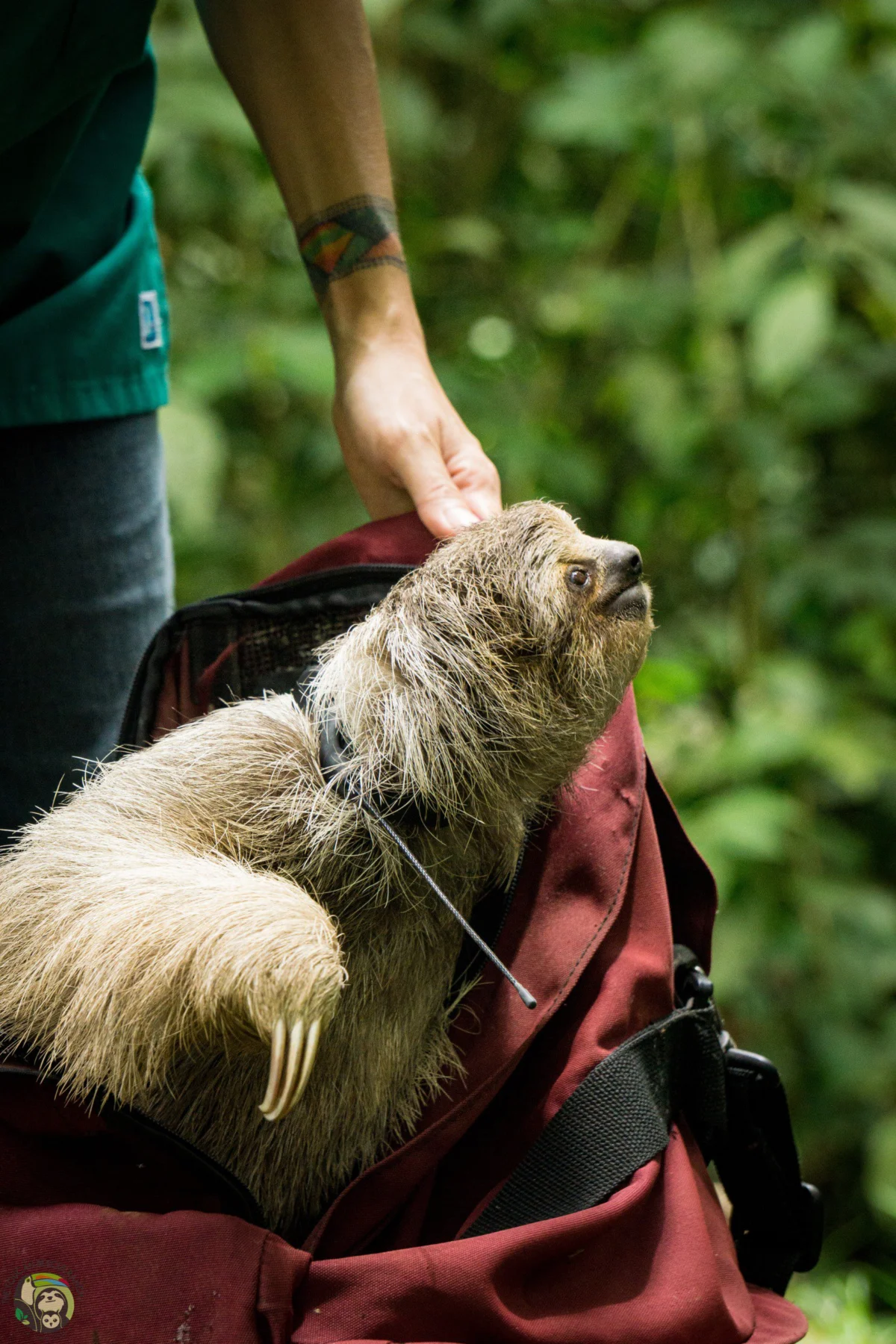
The Toucan Rescue Ranch (TRR), a cornerstone of Costa Rican wildlife conservation, has formalized a sophisticated Release Program designed to mitigate the impacts of habitat loss, the illegal pet trade, and human-wildlife conflict. Operating within a country that hosts nearly 6% of the world’s biodiversity, the sanctuary’s mission extends beyond mere rescue; it focuses on the complex, multi-stage process of rewilding animals that have been displaced from their natural ecosystems. This program serves as a critical bridge between clinical rehabilitation and ecological reintegration, ensuring that rescued fauna can once again fulfill their roles as "gardeners of the forest" and essential components of the Neotropical food web.
The Multi-Stage Rehabilitation Framework
The journey toward release begins the moment an animal enters the Toucan Rescue Ranch facilities. The initial phase is characterized by intensive medical intervention and stabilization. Many arrivals are victims of electrocution from uninsulated power lines, collisions with vehicles, or the trauma associated with being kept as illegal pets. The Ranch’s team of skilled veterinarians and wildlife care specialists perform comprehensive health assessments, addressing everything from bone fractures and internal parasites to the psychological stress of captivity.
Once stabilized, the focus shifts to behavioral enrichment and nutritional support. Unlike domestic animals, wildlife must maintain a specific set of instincts to survive. The rehabilitation process is therefore tailored to the species. For avian residents, such as the iconic Keel-billed Toucan or various owl species, this involves flight conditioning in large aviaries to build pectoral muscle strength. For mammals like sloths or anteaters, the focus is on climbing proficiency and the identification of native forage.
This stage is not merely about physical health but about "unlearning" human dependency. Staff members adhere to strict protocols to minimize habituation, ensuring that the animals do not associate humans with food or safety—a vital prerequisite for survival in a landscape where human presence often signals danger.
Determining Release Eligibility: Candidates vs. Permanent Residents
A rigorous evaluation process determines whether an animal is a candidate for release or must remain at the sanctuary as a permanent resident. This decision is made through a collaborative framework involving TRR administrators, veterinary staff, and officials from the Ministry of Environment and Energy (MINAE), Costa Rica’s wildlife governing agency.
Characteristics of Release Candidates
A "strong release candidate" is defined by several non-negotiable criteria. Primarily, the animal must possess intact natural instincts. It must demonstrate the ability to forage for a diverse diet, recognize and evade predators, and navigate its environment with agility. Adult birds and mammals that arrive with prior wild experience often have a higher success rate, provided their injuries heal completely.
A critical factor in this assessment is the "fear response." Animals that maintain a healthy avoidance of humans are prioritized for release. For example, toucan fledglings produced through the Ranch’s specialized breeding program are raised with minimal human contact to ensure they retain the wild behaviors necessary for survival. These birds are groomed to be self-sufficient, showing no signs of the behavioral "imprinting" that often plagues hand-reared wildlife.
The Role of Permanent Residents
Conversely, some animals are deemed unfit for life in the wild. This category includes individuals with permanent physical disabilities—such as an owl missing a wing or a parrot with a stunted beak—that prevent them from hunting or defending themselves. Additionally, animals that have become "habituated" or "imprinted" through long-term exposure to humans are disqualified from the release program. Releasing a habituated animal is often a death sentence; such creatures may approach humans for food, leading to conflict, recapture by poachers, or vulnerability to domestic predators.
However, these permanent residents are not without a mission. They serve as "ambassadors" in the Ranch’s education programs. By sharing the stories of these individuals, the Toucan Rescue Ranch raises public awareness about the dangers of the illegal pet trade and the importance of preserving natural habitats. These animals help bridge the gap between abstract conservation goals and the tangible reality of wildlife suffering.
The Geography of Reintegration: Strategic Release Sites
The selection of a release site is a high-stakes decision that involves analyzing the carrying capacity of the land and the presence of existing wild populations. The Toucan Rescue Ranch collaborates with local conservationists and environmental experts to identify locations that offer high-quality resources and minimal human encroachment.
Partnerships with Biological Reserves
To maximize the success of the program, TRR has formed strategic alliances with established ecological entities. Key partners include Earth University and the Tirimbina Biological Reserve. These sites provide protected corridors of primary and secondary rainforest where released animals can find ample food and mates. By releasing animals into these managed areas, the Ranch ensures that the new arrivals contribute to the genetic diversity of existing wild populations.
On-Site Infrastructure and "Soft Release"
The Toucan Rescue Ranch also operates its own dedicated Release Site, encompassing two parcels of land totaling 41 acres (one 25-acre tract and one 16-acre tract). These properties are central to the "soft release" methodology. In a soft release, animals are placed in large, outdoor enclosures at the release site for an acclimatization period. This allows them to become accustomed to the local climate, sounds, and scents while still receiving supplemental food.
Eventually, the enclosure doors are opened, allowing the animals to leave at their own pace. This gradual transition significantly reduces the stress of relocation and increases the likelihood that the animal will establish a home range in the immediate vicinity where it feels secure. The presence of an on-site intern house allows for 24-hour monitoring during this delicate phase.
Chronology of Post-Release Monitoring
The work does not end when the animal steps or flies back into the forest. Post-release monitoring is an essential component of the program’s scientific integrity. Using a combination of field observations and, in some cases, tracking technology such as radio telemetry or GPS collars, the team gathers data on the animal’s movements and survival.
This monitoring provides invaluable feedback for the rehabilitation process. If a released animal struggles to find food or wanders too close to human settlements, the team can intervene or adjust future rehabilitation protocols. This data-driven approach allows the Toucan Rescue Ranch to refine its techniques, contributing to the broader field of wildlife reintroduction science in the tropics.
Ecological and Socio-Economic Implications
The impact of the Release Program extends far beyond the individual animals saved. From an ecological perspective, species like toucans and monkeys play a vital role in seed dispersal. By returning these animals to the wild, the Ranch is effectively supporting the natural regeneration of the Costa Rican rainforest.
Furthermore, the program has significant socio-economic implications. Costa Rica’s economy is heavily dependent on ecotourism. The presence of vibrant, healthy wildlife populations is the primary draw for millions of international visitors. By rehabilitating and releasing iconic species, the Toucan Rescue Ranch helps maintain the very biological assets that sustain the national economy and provide jobs for local communities.
Official statements from conservationists emphasize that wildlife rescue is a matter of national heritage. As a spokesperson for the Ranch noted, the goal is to ensure that future generations can witness these species "back in the trees" where they belong, rather than in cages or as victims of urbanization.
Community Involvement and Global Support
The sustainability of the Release Program relies heavily on a global network of supporters. Because the Toucan Rescue Ranch is a non-governmental organization, it does not receive the same level of funding as state-run institutions. Instead, it operates through the generosity of donors, the dedication of international volunteers, and the advocacy of the global conservation community.
Contributions are directed toward the high costs of specialized veterinary equipment, high-protein diets for recovering animals, and the maintenance of the expansive release sites. Public participation—whether through direct donations, volunteering at the sanctuary, or spreading awareness via social media—is the fuel that keeps the program running.
As human expansion continues to put pressure on the natural world, programs like the Toucan Rescue Ranch Release Program offer a necessary counter-measure. By combining clinical expertise with a deep respect for the autonomy of wild animals, the Ranch provides a blueprint for how humanity can begin to repair its relationship with the environment. Through every successful release, the sanctuary reaffirms its commitment to a future where wildlife can thrive, unhindered and free, in the heart of the rainforest.
