
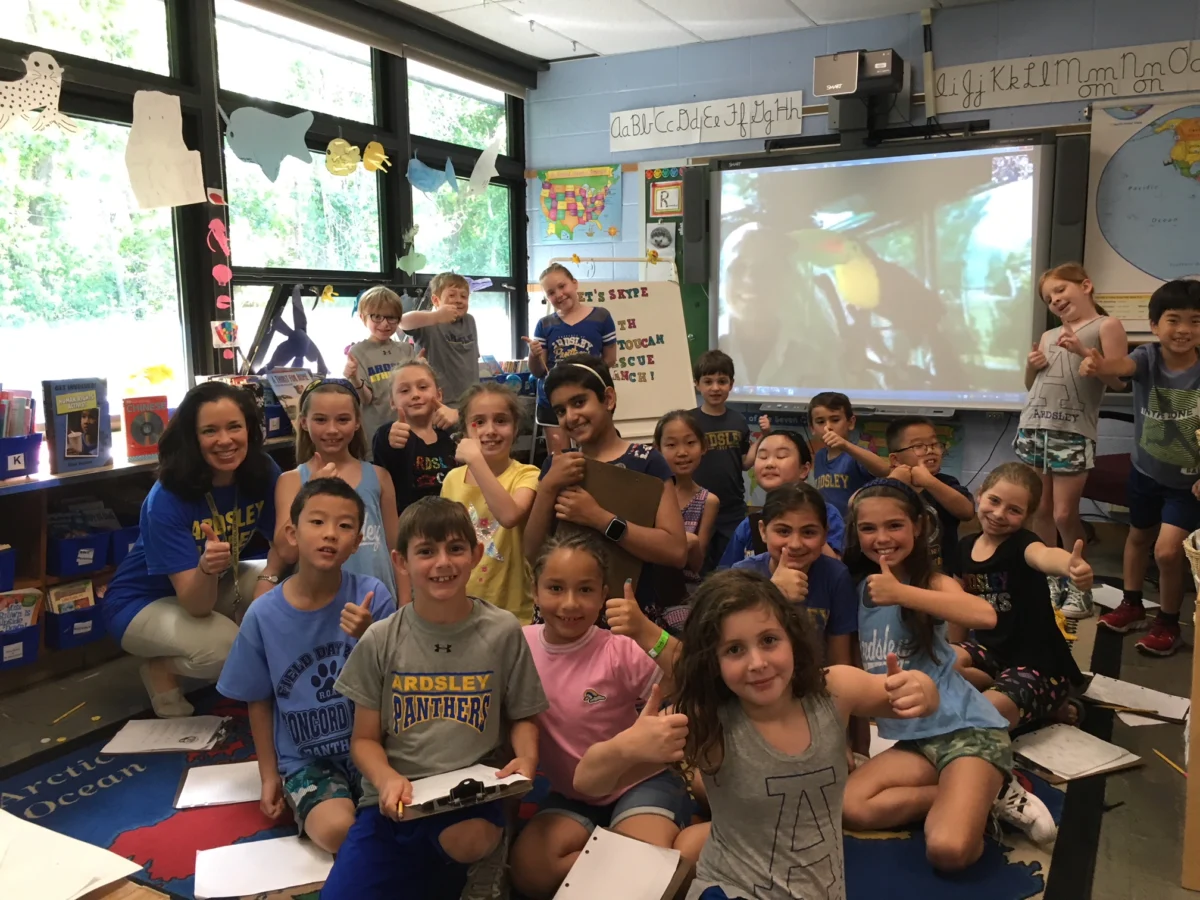
The Toucan Rescue Ranch, a premier wildlife rescue and rehabilitation facility based in Costa Rica, has formally expanded its multi-tiered Education Program, marking a significant evolution in how the organization approaches global conservation. While the sanctuary is widely recognized for its clinical successes in treating injured and orphaned wildlife, its leadership emphasizes that the long-term survival of Costa Rica’s biodiversity hinges on a paradigm shift in human perspective—a shift facilitated primarily through comprehensive environmental education. By integrating onsite interactive experiences with a robust digital outreach strategy, including a high-profile partnership with National Geographic Explorer Joe Grabowski’s "Exploring by the Seat of Your Pants," the Toucan Rescue Ranch (TRR) is bridging the gap between clinical rehabilitation and global advocacy.
A Foundation in Conservation Pedagogy
The Education Program at Toucan Rescue Ranch is built on the premise that awareness is the first step toward stewardship. In a country that hosts nearly 6% of the world’s biodiversity, the pressure from habitat fragmentation, illegal pet trades, and human-wildlife conflict remains a persistent threat. TRR’s educational initiatives are designed to dismantle the misconceptions surrounding tropical wildlife while providing tangible evidence of the impact of human activity on the natural world.
The program offers a spectrum of interactive learning experiences tailored to diverse demographics, ranging from local primary school students to international university researchers. Onsite guided tours serve as the primary vehicle for this mission. Unlike traditional zoological displays, the sanctuary’s tours are educational interventions. Visitors are introduced to "resident" animals—individuals that, due to the severity of their injuries or long-term habituation to humans, cannot be released back into the wild. These animals serve as ambassadors for their species, allowing educators to illustrate the specific challenges faced by toucans, sloths, owls, and wild cats in the modern landscape.
Tailored Curricula and Institutional Collaboration
A core component of the TRR mission is the alignment of its educational content with established academic standards. The Ranch provides specialized programs for schools and community organizations that are meticulously designed to complement science and social studies curricula. These sessions go beyond simple animal identification, delving into complex topics such as:
- Ethology and Animal Behavior: Understanding the natural instincts of rainforest species and how these are disrupted by human encroachment.
- Habitat Preservation: Analyzing the role of biological corridors in maintaining genetic diversity among isolated wildlife populations.
- Conservation Ethics: Discussing the legal and moral implications of the illegal wildlife trade and the "sloth selfie" industry.
By bringing professional expertise into the classroom, TRR aims to cultivate the next generation of environmental scientists and policy-makers. The organization’s staff includes biologists, veterinarians, and specialized educators who provide a multidisciplinary view of conservation that is rarely available in standard textbook settings.
Digital Transformation: Virtual Learning and Global Outreach
Recognizing that geographic and financial barriers often limit access to conservation education, Toucan Rescue Ranch has invested heavily in its virtual learning infrastructure. The sanctuary’s online sessions are designed to be as immersive as their physical counterparts, utilizing high-definition video and real-time interaction to bring the Costa Rican rainforest to a global audience.
This digital pivot was accelerated by the global pandemic but has since become a permanent and vital pillar of the program. Virtual field trips allow classrooms in North America, Europe, and Asia to observe the daily operations of a rescue center. These sessions provide a "behind-the-scenes" look at the clinic, the nursery, and the pre-release enclosures, offering a transparent view of the labor-intensive process required to return an animal to the wild.
Partnership with Exploring by the Seat of Your Pants
A landmark development in TRR’s educational outreach is its ongoing collaboration with "Exploring By The Seat Of Your Pants" (EBTSOYP). Founded in September 2015 by National Geographic Explorer Joe Grabowski, EBTSOYP was established to ignite curiosity in future scientists and explorers. The organization has facilitated over 1,000 live events, connecting hundreds of thousands of students across more than 60 countries with world-class experts.
The partnership between TRR and EBTSOYP brings a monthly spotlight to one of Costa Rica’s most iconic and misunderstood species: the sloth. Through these 40-minute virtual visits, students are introduced to the intricacies of the "Saving Sloths Together" (SST) program. This initiative, a collaborative effort between TRR and The Sloth Institute, focuses on the rescue, rehabilitation, and eventual release of both two-toed (Choloepus hoffmanni) and three-toed (Bradypus variegatus) sloths.
During these sessions, a knowledgeable guide from the Ranch leads students through the life cycle of a rescued sloth—from the initial emergency intake and intensive care in the clinic to the "soft release" process in the rainforest canopy. The sessions conclude with a live Q&A, allowing students to engage directly with conservationists, a process that Grabowski notes is instrumental in making science feel accessible and achievable for young learners.
Data-Driven Impact and Supporting Statistics
The necessity of these programs is underscored by the current state of biodiversity in Central America. According to data from the Costa Rican Ministry of Environment and Energy (MINAE), hundreds of animals are displaced annually due to urbanization and illegal poaching. In the last decade, Toucan Rescue Ranch has seen a steady increase in admissions, particularly sloths affected by power line electrocutions and dog attacks—issues directly related to human infrastructure.
Educational metrics suggest that these outreach efforts are working. Internal surveys from TRR indicate that participants in the Education Program show a 70% increase in "conservation literacy," specifically regarding the importance of not feeding wildlife and the legal protections afforded to endangered species. Furthermore, the EBTSOYP partnership has allowed TRR to reach an estimated 15,000 students annually who would otherwise have no contact with tropical conservation efforts.
To encourage institutional participation, TRR and EBTSOYP have implemented a donation-based model. Classrooms that contribute $25.00 or more to the program receive a formal donation certificate. These funds are directly reinvested into the medical care and nutritional requirements of the animals featured in the sessions, creating a direct link between the students’ education and the survival of the wildlife they study.
Chronology of Educational Milestones
- 2004: Toucan Rescue Ranch is founded by Leslie Howle, initially focusing on the rescue of toucans.
- 2007: The first formal education tours begin, emphasizing the biology of tropical birds.
- 2015: "Exploring By The Seat Of Your Pants" is launched, revolutionizing classroom access to global experts.
- 2017: The "Saving Sloths Together" program is formalized, providing a scientific framework for sloth rehabilitation that becomes a core educational topic.
- 2020: In response to global travel restrictions, TRR launches its comprehensive Virtual Learning platform.
- 2024: TRR and EBTSOYP solidify their monthly virtual residency, expanding the reach of the sloth conservation message to over 60 countries.
Broader Implications for Wildlife Conservation
The impact of the Toucan Rescue Ranch Education Program extends far beyond the borders of its sanctuary in Heredia, Costa Rica. By educating a global audience, TRR is addressing the root causes of environmental degradation. Experts argue that wildlife rescue, while necessary, is a reactive measure. Education is the proactive counterpart that prevents the need for rescue in the first place.
When a student in a North American classroom learns about the dangers that uninsulated power lines pose to sloths, they become an advocate for sustainable infrastructure. When a local resident learns about the ecological role of toucans as "gardeners of the forest" through seed dispersal, they are less likely to view these birds as pests or targets for poaching.
Furthermore, the integration of technology through the EBTSOYP partnership represents a new frontier in "citizen science." By demystifying the work of conservationists, these programs encourage young people to pursue careers in STEM (Science, Technology, Engineering, and Mathematics). This is particularly critical in the context of the current climate crisis, where the demand for skilled biologists and environmental engineers is at an all-time high.
Conclusion and Call to Action
The Toucan Rescue Ranch’s Education Program stands as a testament to the power of informed advocacy. Through its blend of onsite immersion and global digital outreach, the Ranch is not just saving individual animals; it is fostering a global culture of stewardship. The partnership with National Geographic Explorers and the use of interactive platforms like EBTSOYP ensure that the message of conservation remains dynamic, engaging, and, most importantly, effective.
For educators, group leaders, and wildlife enthusiasts, the program offers a unique opportunity to participate in a proven conservation model. Whether through a $25 donation that earns a classroom certificate or a virtual tour that sparks a lifelong passion for biology, the involvement of the public is the engine that drives TRR’s success. As the organization continues to evolve, its commitment to education remains its most potent tool in the fight to preserve the natural wonders of the rainforest for generations to come.
