
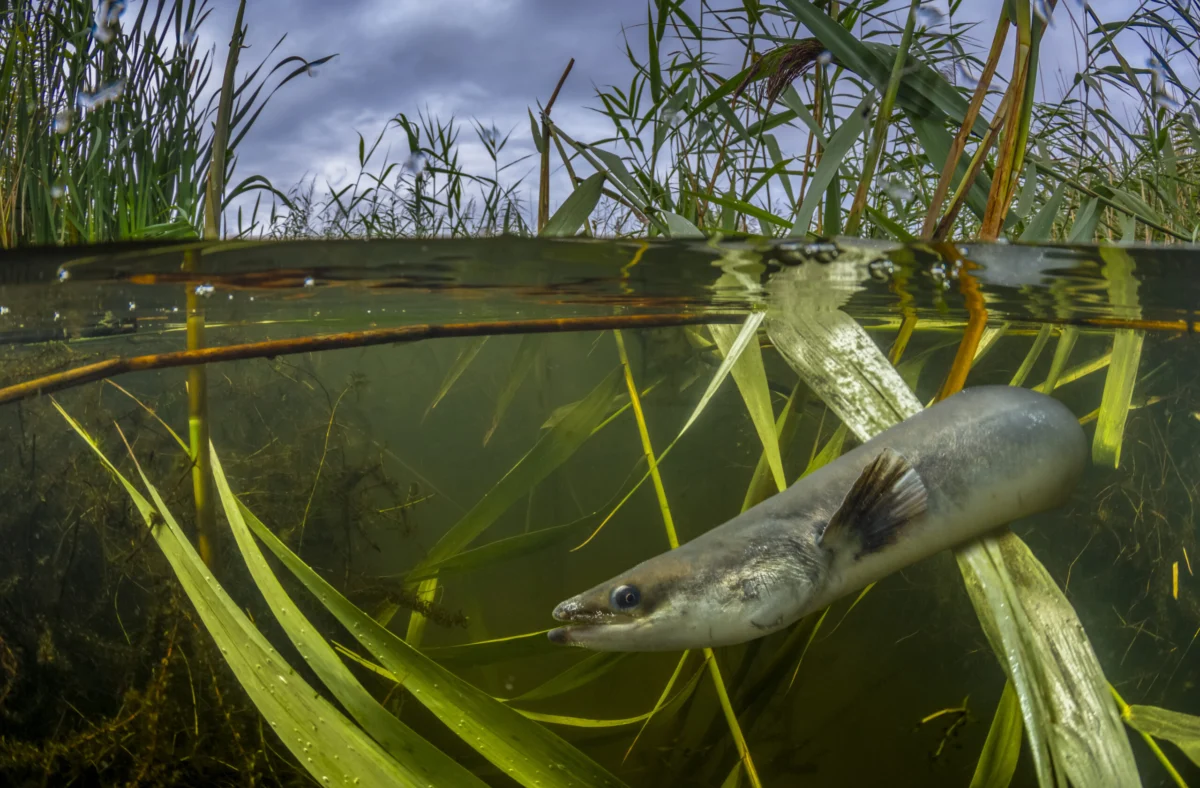
The most comprehensive assessment of European freshwater fish in 15 years has delivered a stark warning: nearly six in ten native species are now of elevated conservation concern, with a significant portion facing extinction. The updated European Red List of Freshwater Fishes, published on April 13, 2026, reveals a critical state of aquatic biodiversity across the continent, indicating little evidence of species recovery and underscoring the urgent need for coordinated conservation efforts.
A Continent in Peril: The Scale of the Freshwater Fish Crisis
The extensive IUCN assessment, which meticulously evaluated all 558 native European freshwater fish species, paints a grim picture. The findings confirm that a staggering 42% of these species are now classified as threatened with extinction. An additional 18% are categorized as Near Threatened, meaning they are close to qualifying for a threatened category. This collective figure means that a substantial 60% of Europe’s native freshwater fish are facing significant risks to their survival.
Kathy Hughes, Biodiversity Lead at Wetlands International and co-chair of the IUCN Freshwater Fish Specialist Group, articulated the gravity of the situation: "These statistics provide a sobering reminder that all is not well with Europe’s freshwater fishes – and its wetlands. The assessment found that Europe’s freshwater fishes are significantly more threatened than those in other regions – with 42% at risk of extinction. If Europe’s freshwater wetlands are not healthy enough for fishes, they are not healthy enough for our societies and economies to flourish."
Freshwater fishes, renowned as the most diverse vertebrate group on Earth, serve as crucial indicators of the health of their ecosystems. Their deteriorating status signals a broader decline in the vitality of Europe’s rivers, lakes, and wetlands. Without immediate and concerted action to address the multifaceted threats of habitat loss, pollution, invasive species, and the escalating impacts of climate change, Europe risks losing a significant portion of its invaluable aquatic biodiversity within a single generation.
Key Findings of the European Red List: A Deep Dive into the Threats
The European Red List of Freshwater Fishes, a testament to the collaborative efforts of over 135 experts from more than 30 countries, provides a scientifically rigorous, evidence-based evaluation of extinction risk. This latest assessment marks a concerning upward trend: the proportion of threatened species has increased by 5% since the previous assessment in 2011, and the report offers little comfort regarding any widespread recovery.
Migratory Species Under Siege:
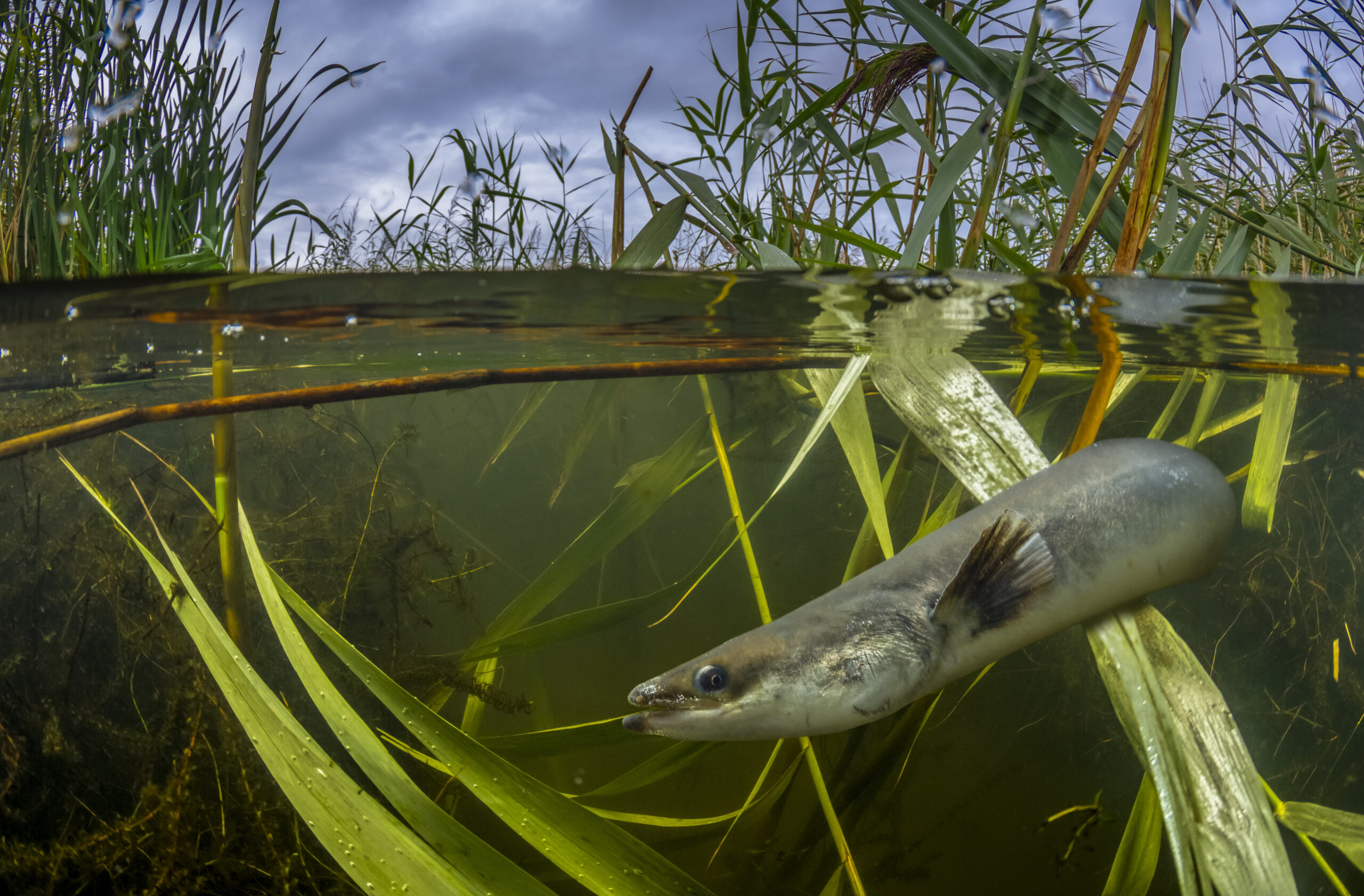
A particularly alarming finding is the disproportionate impact on migratory freshwater fish. These species, which undertake essential journeys for breeding and feeding, are facing unprecedented pressures. Approximately 39% of migratory freshwater fishes are currently in decline, a stark contrast to the around 14% of non-migratory species experiencing similar trends. This significant disparity directly points to the devastating impact of man-made barriers that impede fish movement, most notably dams and weirs, which fragment habitats and disrupt vital life cycles.
The Pervasive Drivers of Decline:
The report meticulously details the wide-ranging and often overlapping drivers responsible for the decline of freshwater fish populations:
- Habitat Modification: Identified as the most pervasive threat, habitat modification, particularly the construction of dams and other physical barriers, affects a substantial 69% of all assessed species. This fragmentation of rivers and streams isolates populations, restricts access to spawning grounds, and alters flow regimes, severely impacting fish survival and reproduction.
- Pollution: The pervasive issue of pollution impacts over 65% of freshwater fish species. This includes chemical pollution from agricultural runoff, industrial discharge, and urban wastewater, as well as physical pollution such as plastic debris and sediment. These pollutants can directly poison fish, disrupt their endocrine systems, and degrade water quality, making habitats uninhabitable.
- Invasive Species: The introduction and spread of non-native species pose a significant threat, affecting 56% of freshwater fish. Invasive species can outcompete native fish for food and habitat, introduce diseases, and prey on native species, leading to drastic population declines.
- Climate Change: While currently impacting 35% of species, climate change is projected to become an increasingly significant driver of decline in the coming decades, particularly in the southern regions of Europe. Rising water temperatures, altered precipitation patterns, and increased frequency of extreme weather events such as droughts and floods are placing immense stress on freshwater ecosystems and the species they support.
Matthew Ford, lead author of the report and a member of the IUCN Freshwater Fish Specialist Group, emphasized the critical need for better data and management: "Europe’s rivers and lakes are sending a clear warning: nearly two thirds of freshwater fishes are at risk, and many show no recovery over the past 15 years. Strengthening data collection, research and evidence-based management is essential to safeguard these species and the freshwater ecosystems we all rely on."
A Timely Resource for Policy and Action
The release of the European Red List of Freshwater Fishes arrives at a pivotal moment, as inland waters are finally receiving the global and European recognition they deserve in biodiversity agendas. Europe’s rivers, lakes, and wetlands are among the continent’s most valuable yet most threatened ecosystems.
The report’s findings provide robust scientific evidence to bolster the implementation of crucial environmental policies, including the EU Biodiversity Strategy for 2030, the Nature Restoration Regulation, and the Kunming-Montreal Global Biodiversity Framework. Repeated Red List assessments serve as a vital long-term biodiversity indicator, tracking trends and informing conservation strategies. While biological indicators under the Water Framework Directive capture general trends in fish communities, the Red List offers a species-specific, in-depth understanding of extinction risk, essential for designing targeted and impactful restoration and mitigation measures.
The recent publication of the European Water Resilience Strategy further underscores the timeliness of this assessment, offering critical guidance to enhance the integration of biodiversity considerations into water management and restoration initiatives.
Official Responses and the Call for Strengthened Legislation

The dire findings of the Red List have prompted strong reactions from environmental organizations and policymakers. Chris Baker, Director of Wetlands International Europe, issued a stern warning to European institutions: "The rapidly deteriorating conservation status of the EU’s freshwater fish is a stark warning to the European Commission, the European Parliament and Member States that now it is not the right time to weaken Europe’s environmental legislation, most notably the Water Framework and the Habitats Directives."
Baker further highlighted public sentiment, stating, "Furthermore, surveys show that vast majority of European citizens expect more effective actions from their elected representatives to safeguard Europe’s rivers, wetlands and biodiversity."
This sentiment reflects a growing public awareness and demand for stronger environmental protections. The data presented in the Red List serves as a critical scientific basis for advocating against any legislative rollbacks and for the reinforcement of existing environmental laws.
Broader Implications: Ecosystem Health and Societal Well-being
The decline of freshwater fish populations has profound implications that extend far beyond the aquatic realm. Healthy freshwater ecosystems are fundamental to human well-being, providing essential services such as clean drinking water, flood regulation, nutrient cycling, and recreational opportunities. The degradation of these ecosystems, as evidenced by the Red List findings, jeopardizes these vital services and has significant economic and social consequences.
The interconnectedness of freshwater ecosystems means that the struggles of fish are indicative of wider environmental distress. The loss of fish species can disrupt food webs, impact fisheries, and diminish the aesthetic and cultural value of natural landscapes. Moreover, the investment in restoring these ecosystems and protecting their inhabitants is not merely an environmental imperative but also an economic one, ensuring the long-term sustainability of natural resources and the industries that depend on them.
The European Red List of Freshwater Fishes serves as a critical call to action. It demands a paradigm shift in how Europe manages its water resources, moving from a fragmented, sector-specific approach to a holistic, ecosystem-based strategy that prioritizes the health of freshwater biodiversity. The scientific evidence is undeniable; the time for decisive and ambitious action is now, before more of Europe’s unique aquatic heritage is lost forever.
