

Velddrif, Western Cape, South Africa – In a significant advancement for avian research and conservation in Southern Africa, BirdLife South Africa has initiated a pioneering project to deploy advanced tracking devices on migratory shorebirds. This marks the first time such technology has been utilized for these species within the country, promising to shed unprecedented light on their complex and extensive migratory routes. The initiative focuses on critically important species like the Curlew Sandpiper (Calidris ferruginea) and Grey Plover (Pluvialis squatarola), with initial fieldwork concentrated at vital coastal sites, including the ecologically rich Berg River estuary in Velddrif.
These remarkable birds are known to undertake arduous journeys, typically migrating from their South African wintering grounds to breed in the high Arctic mainland. However, the precise pathways they follow along the vast Africa–Eurasian Flyway, the critical stopover habitats they rely on, and the specific breeding areas remain areas of significant knowledge gaps. This project aims to meticulously map these movements, identify crucial refueling and resting sites, and ultimately inform robust, international conservation strategies. Both the Curlew Sandpiper and the Grey Plover are currently listed as globally Vulnerable on the IUCN Red List, underscoring the urgency and importance of this research.
While tracking studies have been conducted extensively in other parts of the Africa–Eurasian Flyway, the Southern African component has historically been underrepresented. Few tagged birds originating from further north have been documented reaching South Africa, leaving a considerable void in our understanding of the complete migratory cycle for populations wintering in this region. This initiative by BirdLife South Africa represents a pivotal moment, filling this critical knowledge gap by fitting long-distance Palearctic migratory shorebirds – specifically the Curlew Sandpiper and Grey Plover – with state-of-the-art tracking devices for the first time in South Africa.
A Collaborative Endeavor for Global Conservation
The success of this ambitious project hinges on a robust framework of international collaboration. BirdLife South Africa is working closely with esteemed partners, including the Department of Ornithology at the Max Planck Institute for Biological Intelligence in Germany, Wetlands International from the Netherlands, the FitzPatrick Institute of African Ornithology at the University of Cape Town, and Conserve Eden, based in Plettenberg Bay. This multidisciplinary network brings together expertise in ornithology, conservation science, and international collaboration.

Financial backing for this crucial research has been generously provided by the Royal Society for the Protection of Birds (RSPB) in the United Kingdom and the Ecological Restoration Fund, also based in the UK. This international financial support underscores the global recognition of the importance of migratory birds and the shared responsibility for their conservation.
The current fieldwork in the Western Cape builds upon previous research efforts by BirdLife South Africa, notably the monitoring of European Rollers in Kruger National Park. These prior studies have already highlighted the diverse range of habitats within South Africa that are vital for migratory species. The logistical challenges of accessing remote field sites have been significantly eased by a long-term loan of a 2025 Subaru Forester from Subaru Southern Africa, demonstrating valuable corporate support for environmental research.
Unlocking the Secrets of Migration with Advanced Technology
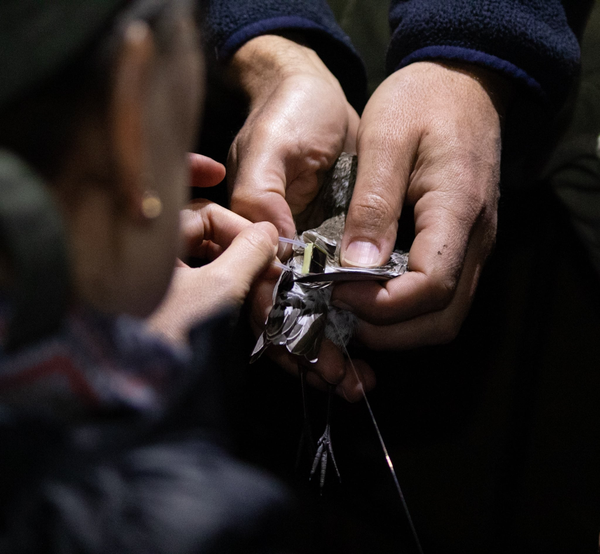
The core of this project involves the deployment of advanced satellite tracking devices, meticulously fitted onto individual birds by qualified handlers. These lightweight devices are designed to minimize any impact on the birds’ natural behavior and migratory capabilities. By collecting high-resolution data on the birds’ movements, researchers will be able to map their migratory routes with unprecedented detail. This will include identifying key refueling stopover sites, crucial for birds undertaking such immense journeys, and uncovering previously unknown connections between different regions across continents.
"BirdLife South Africa has dedicated many years to working along the West Coast, and this project represents a natural and vital progression of that commitment," stated Jessica Wilmot, Flyway & Migrants Project Manager. "It not only demonstrates how landscapes are interconnected within South Africa but also reveals how these incredible shorebirds link us to critical wetlands across the entire African continent. In the wake of the recent Ramsar Conference of the Parties 15 in Victoria Falls, this research serves as a timely and potent reminder of the indispensable role these wetland ecosystems play in global biodiversity and climate regulation."
Early Insights Reveal Diverse Migratory Strategies
Even in its nascent stages, the tracking data is yielding fascinating insights into the varied migratory strategies employed by these shorebirds. Initial observations reveal that while some individuals have commenced their journeys by heading eastward, others have embarked on a steady northward migration along the western edge of the African continent.

Remarkably, two of the tracked Curlew Sandpipers have already reached the vast Sudd wetlands in South Sudan, a critical stopover point for many migratory species. Another bird is reported to be in the vicinity of the eastern Central African Republic, also en route to its breeding grounds. Further south, two individuals have been recorded in Angola, a significant stopover region along the western African coast. Additionally, three birds have established temporary residences within the Makgadigadi Pans Key Biodiversity Areas in Botswana, an important inland wetland system.
These early findings are incredibly exciting as they highlight the diversity of migratory approaches within a single population. This dynamic data offers both the public and the conservation community an unprecedented opportunity to follow the birds’ journeys in near real-time, fostering a deeper connection and understanding of these extraordinary natural phenomena. The ability to witness these migrations unfold live will undoubtedly galvanize public interest and support for conservation efforts.
The Broader Implications for Conservation and Biodiversity
The data generated by this project will be instrumental in developing a comprehensive, flyway-scale approach to shorebird conservation. By understanding the full spectrum of their migratory routes, identifying critical habitats at both ends of their journey and along the way, and recognizing the threats they may face at each stage, conservationists can implement more effective and targeted interventions.
The Africa–Eurasian Flyway is one of the most important migratory bird flyways in the world, connecting breeding grounds in the Arctic with non-breeding areas in Europe, Asia, and Africa. Millions of birds traverse this vast network annually. The conservation of these birds is intrinsically linked to the health of the habitats they depend on, from the Arctic tundra where they breed to the coastal wetlands and inland marshes where they feed and rest.
The vulnerability of shorebirds to habitat loss and degradation is a growing concern. Coastal development, pollution, climate change, and unsustainable land use practices can all have devastating impacts on these species. By providing precise information on their movements and habitat use, this research will empower governments and conservation organizations to prioritize protection efforts for key sites along the flyway. This includes advocating for the designation and effective management of protected areas, promoting sustainable land management practices, and mitigating the impacts of human activities.
Furthermore, the project’s emphasis on international collaboration is crucial. Migratory birds do not recognize national borders. Effective conservation requires coordinated efforts among all the countries that birds visit during their annual cycle. This initiative fosters such cooperation, building a network of shared knowledge and collective action for the benefit of migratory shorebirds.
A Call to Action for Public Engagement and Support
BirdLife South Africa is actively encouraging public engagement with this groundbreaking research. By providing near real-time updates on the tracked birds’ movements through their website and potentially other digital platforms, the organization aims to foster a greater appreciation for these often-overlooked but vital components of our planet’s biodiversity.
To support this critical work and contribute to the expansion of future tracking efforts, individuals and organizations are invited to visit: https://www.birdlife.org.za/shorebirdtracking. Financial contributions will directly fund the purchase of tracking devices, support fieldwork operations, and enable further research into the conservation needs of migratory shorebirds. Public awareness and financial support are essential for the long-term success of initiatives like this, ensuring that these remarkable journeys can continue for generations to come. The project’s findings will also contribute valuable data to international conservation bodies and inform policy decisions related to wetland protection and migratory bird conservation. The insights gained will be disseminated through scientific publications, public outreach materials, and presentations at international conferences, ensuring the knowledge benefits a wide audience and contributes to global conservation efforts.
