
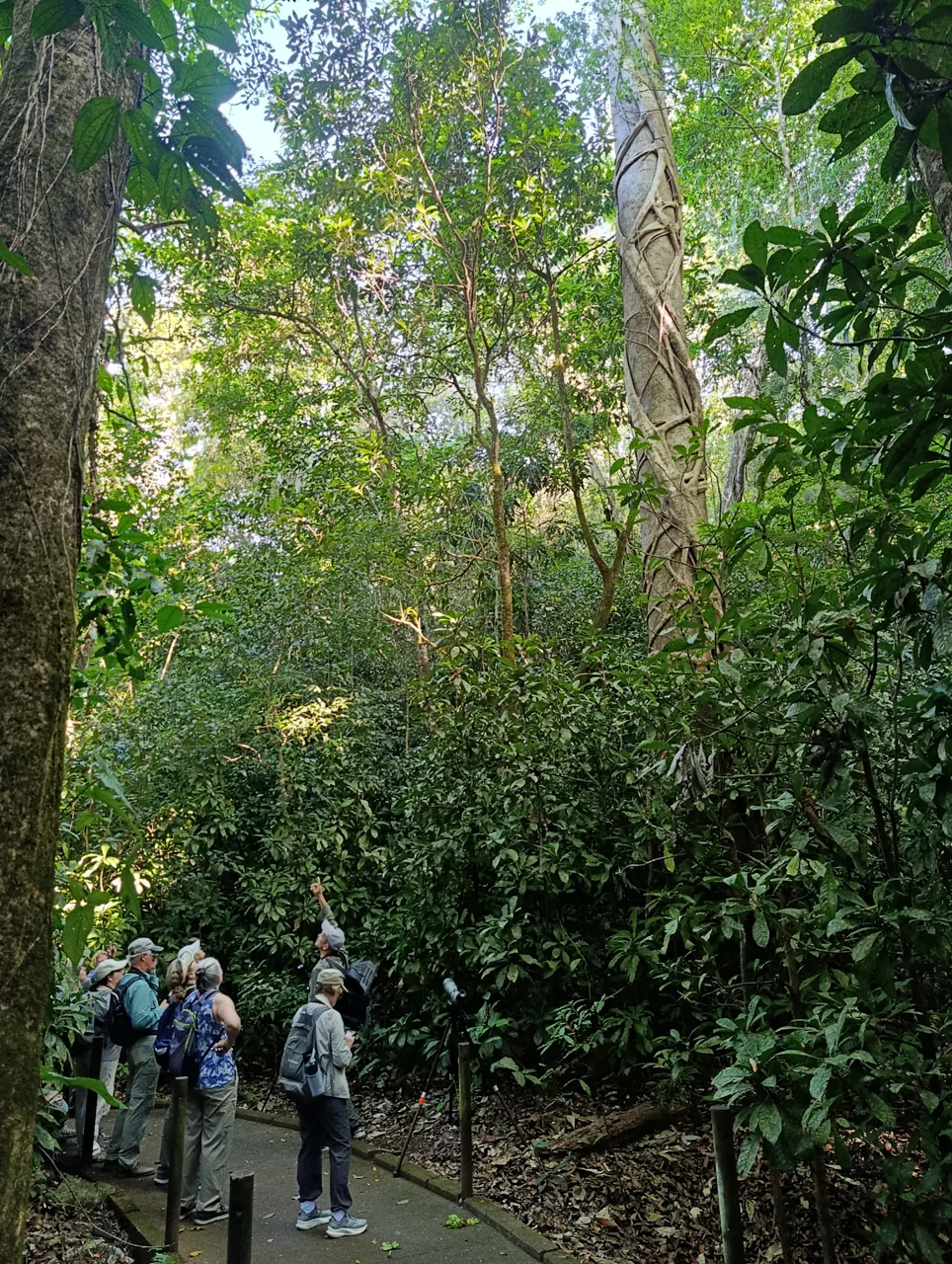
An extensive eleven-day ornithological expedition across Costa Rica’s diverse ecological zones has concluded, providing a comprehensive snapshot of the nation’s extraordinary avian biodiversity. Led by expert guide Ernesto Carman, a group of international birders traversed the Central Valley, the Pacific lowlands, the Talamanca highlands, and the Caribbean slopes, documenting hundreds of species, including several that are endemic or critically endangered. This journey, which began at the Hotel Bougainvillea and concluded in the Alajuela province, highlights the critical role of specialized eco-tourism in supporting local conservation efforts and monitoring the health of Neotropical ecosystems.
The Central Valley and the Pacific Transition Zone
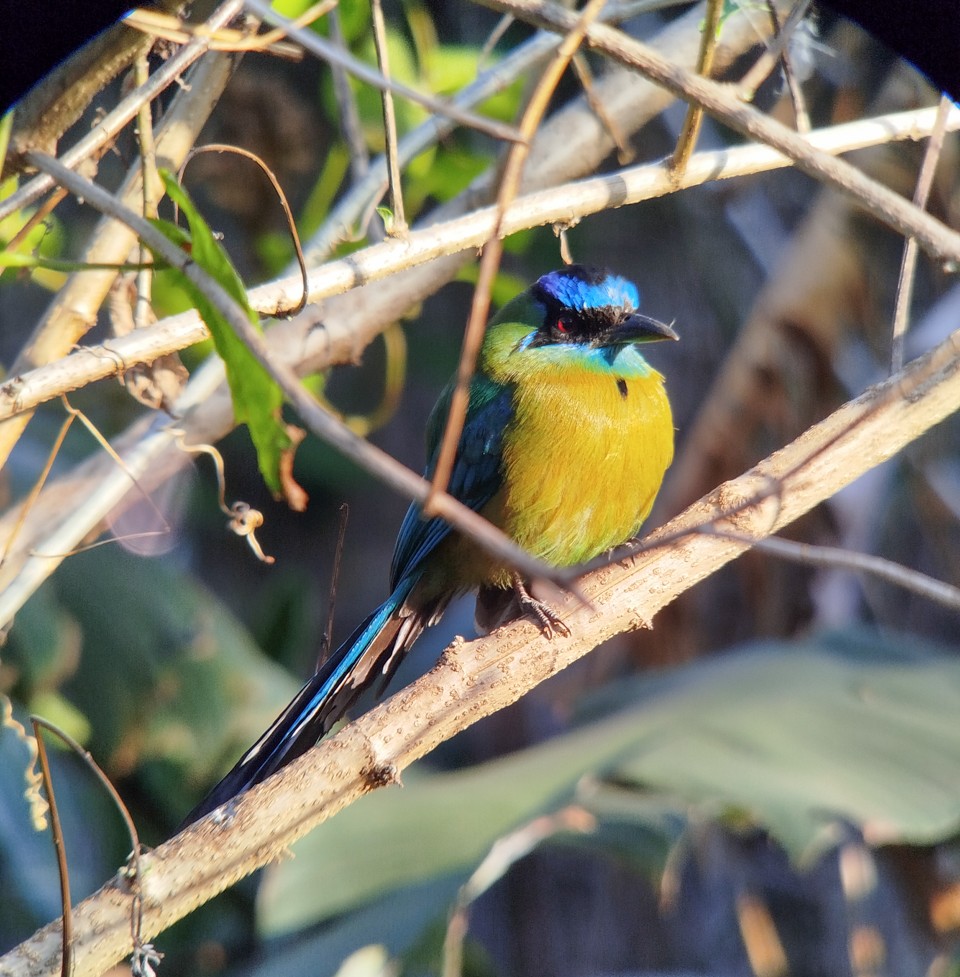
The expedition commenced in the lush, manicured gardens of the Hotel Bougainvillea in the Central Valley. This initial phase served as an introduction to the common "yard birds" of the region, yet even within this suburban context, participants observed significant species such as the Lesson’s Motmot, the White-tailed Kite, and a resident Mottled Owl. These sightings underscore the importance of urban green spaces in providing refugia for native wildlife amidst the expanding metropolitan area of San José.
On the second day, the group moved westward toward the Pacific coast, specifically targeting the Caldera mangroves. This region is a critical ecological transition zone where the dry tropical forest meets the sea. The timing of the visit coincided with the peak blooming of the native Chameleon Vine (Combretum farinosum). This botanical event acted as a natural magnet for a vast array of nectarivores. Observers recorded high densities of Prothonotary and Tennessee Warblers, alongside more specialized species like the Cinnamon Hummingbird and the endangered Mangrove Hummingbird. The latter is a species of high conservation concern, restricted entirely to the mangrove forests of Costa Rica’s Pacific coast.
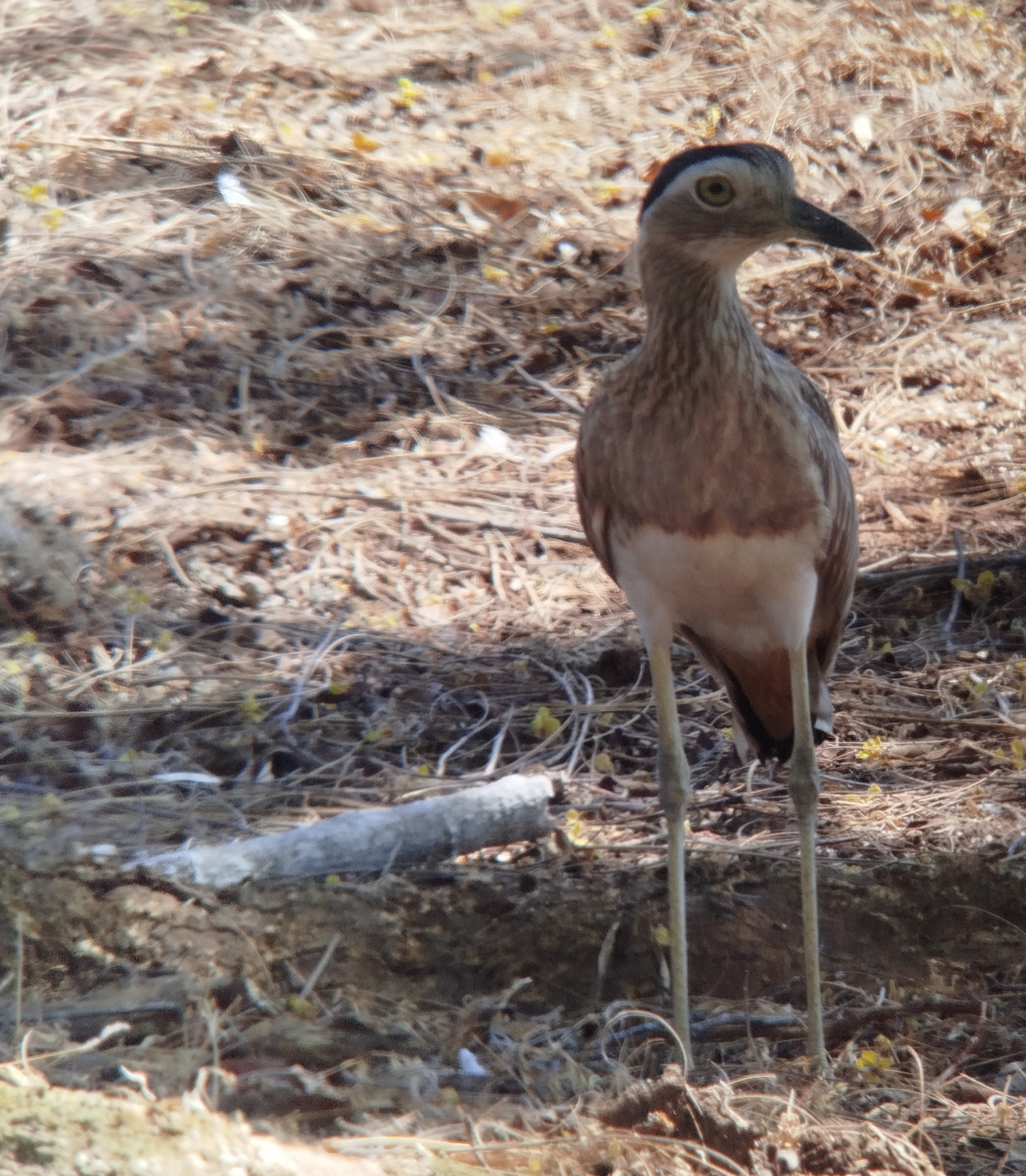
As the expedition progressed toward the Tárcoles region, the focus shifted to the Guácimo Road and the village of Tárcoles. This area is renowned for its mix of pasture-dwelling species and aquatic specialists. Key sightings included the Double-striped Thick-knee, an unusual shorebird adapted to dry fields, and four distinct species of kingfisher: the Ringed, Amazon, Green, and the diminutive American Pygmy Kingfisher.
Conservation Success in Carara and the Tárcoles River
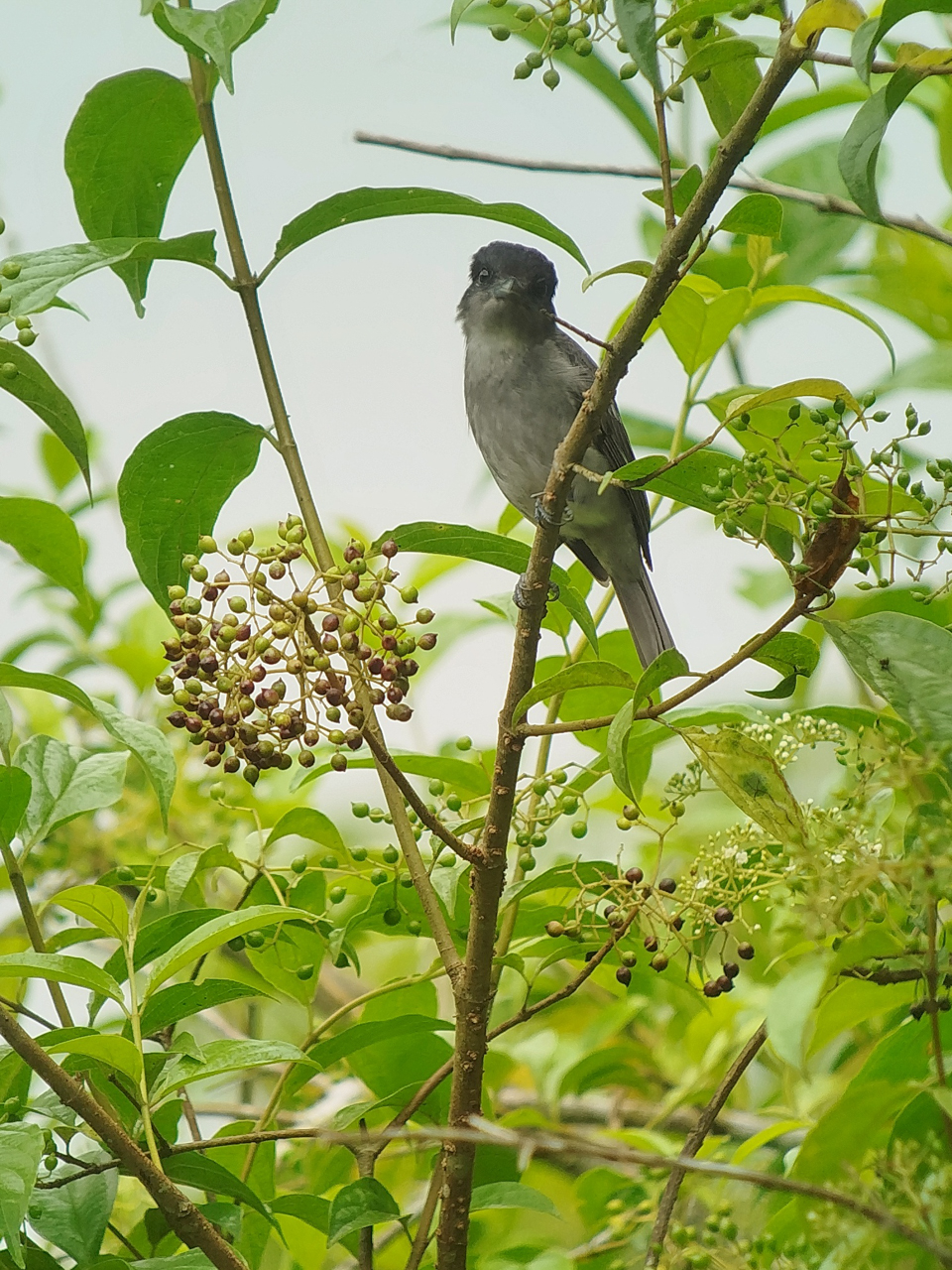
The fourth day was dedicated to Carara National Park and the Tárcoles River, areas that represent one of the most successful conservation stories in Central America. Carara serves as a vital biological bridge between the dry forests of the north and the humid rainforests of the south. Within the Quebrada Bonita Trail, the group observed the complex social behaviors of the Black-hooded Antshrike and recorded the nesting activities of White-necked Puffbirds.

The afternoon boat tour on the Tárcoles River provided a perspective on the health of the estuarine ecosystem. The presence of apex predators, such as the American Crocodile, alongside a thriving population of Scarlet Macaws, indicates a resilient habitat. The Scarlet Macaw, once nearly extirpated from the region due to poaching and habitat loss, has seen a significant recovery in the Central Pacific thanks to decades of community-led protection and reforestation.
The Talamanca Highlands and the Search for the Resplendent Quetzal
The expedition took a dramatic turn toward higher altitudes as the group ascended the Talamanca Mountains, reaching elevations of up to 3,400 meters above sea level at Cerro de la Muerte. This region is characterized by oak forests and the unique páramo—a high-altitude shrubland.
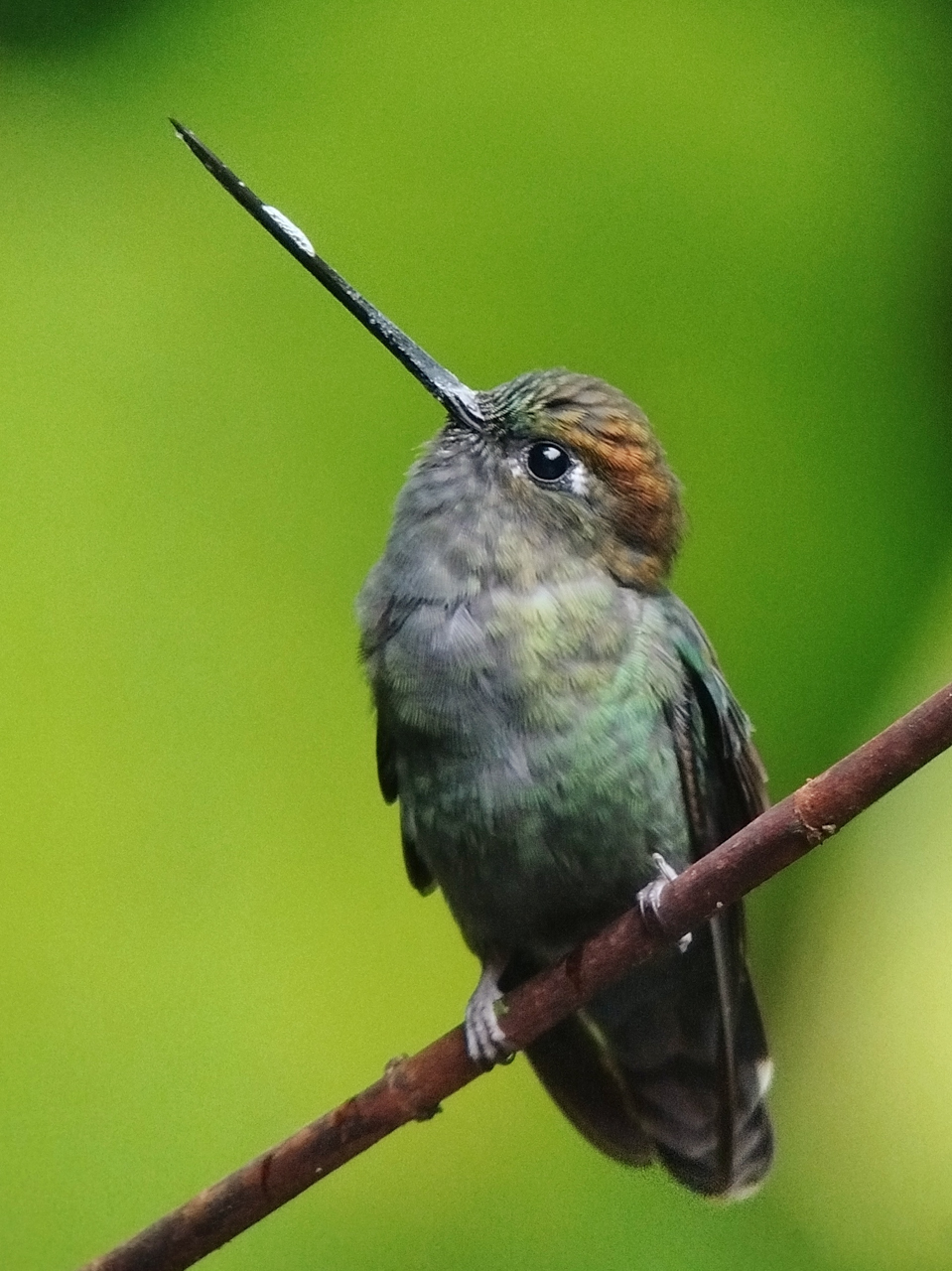
The primary objective in the village of La Esperanza was the Resplendent Quetzal. As a specialized feeder on wild avocados (Aguacatillo), the Quetzal’s presence is a direct indicator of the health of the primary cloud forest. The group successfully observed a male Quetzal, a sighting that remains a pinnacle of Neotropical birding. Beyond the Quetzal, the highlands yielded sightings of Volcano Juncos—a species restricted to the highest peaks of Costa Rica and Western Panama—and the Fiery-throated Hummingbird, whose iridescent plumage is a marvel of evolutionary adaptation to the cold, misty environment of the cloud forest.

Sustainable Agriculture and Avian Habitat
A significant portion of the trip focused on the intersection of human activity and wildlife. At Finca Cristina, an organic, shade-grown coffee farm in Paraíso, the group examined how traditional agricultural practices can coexist with high biodiversity. Shade-grown coffee plantations maintain a multi-layered canopy that provides essential foraging grounds for migratory birds, such as the Baltimore Oriole and Summer Tanager.

In the town square of Paraíso, the expedition highlighted the Cabanis’s Ground-Sparrow, a species that has become a symbol of local pride and conservation. As an endemic species threatened by urban sprawl, the Cabanis’s Ground-Sparrow relies on the scrubby edges of coffee plantations and riverbanks. The local government’s decision to name it the "county bird" reflects a growing awareness of the need to protect endemic fauna within agricultural landscapes.

The Caribbean Slope: Arenal and La Selva
The final leg of the journey moved toward the Caribbean slope, centered around the Arenal Observatory Lodge and the world-renowned La Selva Biological Station. The Arenal region, influenced by the volcanic topography, offered a different suite of species, including the Keel-billed Toucan and the Great Curassow. The group’s observation of a Bicolored Hawk disrupting a mixed-species flock provided a rare look at the predator-prey dynamics that govern forest life.

At La Selva Biological Station, operated by the Organization for Tropical Studies (OTS), the group engaged with the scientific legacy of the region. La Selva is one of the most important sites for tropical research in the world. Here, the group recorded the critically endangered Great Green Macaw. Unlike its Scarlet cousin, the Great Green Macaw is highly dependent on the Almendro tree for nesting and food, making its survival inextricably linked to the preservation of lowland Caribbean forests.

Supporting Data and Environmental Context
The data collected during this eleven-day period contributes to the broader understanding of avian distribution in Costa Rica. According to the eBird database, which the group utilized to log their findings, Costa Rica remains one of the most bird-dense countries on the planet, hosting nearly 9% of the world’s bird species in only 0.03% of its landmass.
| Region | Key Habitat | Notable Species Observed |
|---|---|---|
| Central Valley | Urban Gardens | Lesson’s Motmot, Mottled Owl |
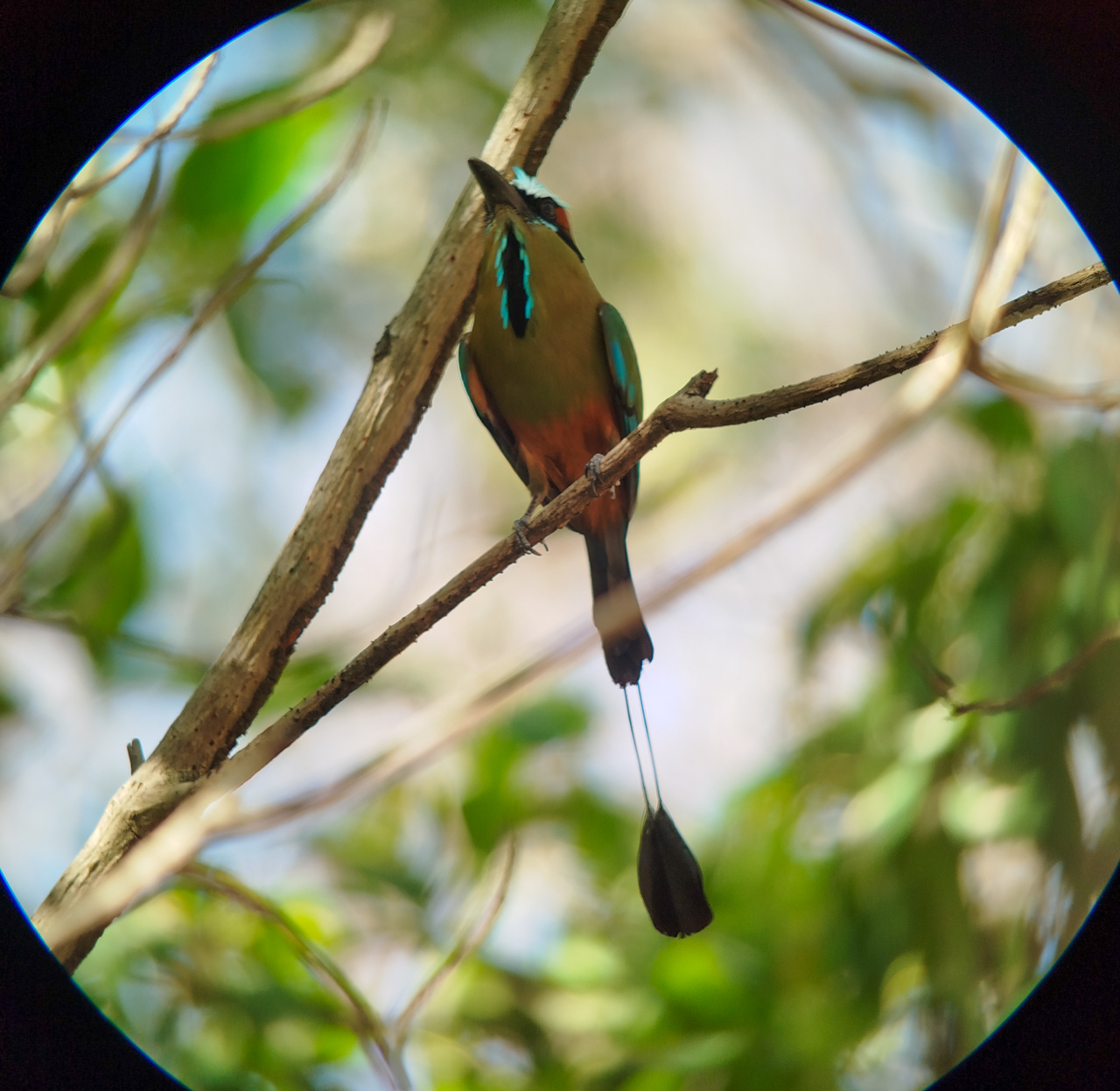
| Pacific Coast | Mangroves/Dry Forest | Mangrove Hummingbird, Turquoise-browed Motmot |
| Talamanca | Cloud Forest/Páramo | Resplendent Quetzal, Volcano Junco |
| Caribbean | Lowland Rainforest | Great Green Macaw, White-collared Manakin |
The expedition also noted various non-avian species, including three species of sloths, several species of poison dart frogs, and the rare White Tent-making Bats. These sightings emphasize that birding tourism is often a gateway to broader ecological appreciation and conservation funding.

Broader Implications and Official Perspectives
Ornithological tours of this nature are a cornerstone of Costa Rica’s "Green Economy." Official reports from the Costa Rican Tourism Board (ICT) suggest that birdwatching is one of the highest-value sectors of the tourism industry, with participants typically staying longer and spending more in rural communities than traditional tourists.

Ernesto Carman, the lead guide, noted the importance of these trips for local awareness. "When a group of international visitors travels thousands of miles to see a specific sparrow or a macaw, it sends a powerful message to the local community about the value of their natural heritage," Carman stated during a briefing. This "prestige value" often translates into local support for protected areas and a reduction in illegal logging or poaching.

Furthermore, the expedition’s reliance on a network of eco-lodges—such as Hotel Quelitales and Arenal Observatory Lodge—highlights a successful business model where private land is managed as a biological reserve. Many of these lodges employ former hunters or farmers as guides, providing a sustainable alternative livelihood that rewards the preservation of standing forests.

Conclusion
The eleven-day survey concluded with a farewell dinner at Hotel Robledal, where the group reflected on a journey that spanned from sea level to the highest peaks of the Talamanca range. The expedition successfully documented the richness of Costa Rica’s avian life while underscoring the fragile dependencies between birds, their habitats, and human agricultural practices. As climate change and habitat fragmentation continue to pose threats to Neotropical migrants and endemics alike, such expeditions remain vital for both citizen science and the economic justification of large-scale conservation. The sightings of the Mangrove Hummingbird, the Resplendent Quetzal, and the Great Green Macaw serve as both a triumph of current protection efforts and a reminder of the constant vigilance required to maintain Costa Rica’s status as a global leader in biodiversity.
