
From February 15 to March 3, 2026, a specialized expedition organized by Eagle-Eye Tours conducted an exhaustive survey of Costa Rica’s avian and terrestrial wildlife, documenting hundreds of species across the nation’s most critical biological corridors. Led by expert guide Jose Pablo Castillo, the 15-day journey traversed a multitude of ecosystems, including the Central Valley, the Pacific mangroves, the Osa Peninsula, the Talamanca Highlands, and the Caribbean lowlands. This expedition serves as a significant case study in the health of Costa Rican biodiversity, highlighting the success of conservation efforts while identifying the continued vulnerability of endemic and threatened species.

The Pacific Corridor and Biological Transition Zones
The expedition commenced in the Central Valley, where initial observations at the Hotel Bougainvillea gardens established a baseline of common species. Notable sightings included the Clay-colored Thrush—Costa Rica’s national bird—and the Lesson’s Motmot. The presence of a roosting Mottled Owl and four species of swifts, including the uncommon Spot-fronted Swift, indicated a healthy urban-adjacent ecosystem.

As the group moved toward the Central Pacific coast, the vegetation shifted from highland coffee plantations to coastal mangroves. This transition is vital for understanding the distribution of species like the Mangrove Hummingbird, a regional endemic currently classified as endangered due to habitat loss. The survey at Caldera and the Tárcoles River produced a high density of raptors and waterbirds, including the Hook-billed Kite and the Double-striped Thick-knee.

A focal point of the early chronology was Carara National Park. Situated at the biological intersection of the dry northwest forests and the humid southern Pacific forests, Carara is a world-renowned biodiversity hotspot. The expedition confirmed the presence of the Tropical Royal Flycatcher and the Black-hooded Antshrike, species that rely on the park’s unique microclimate. The observation of Scarlet Macaws nesting in natural cavities underscored the recovery of this species in the Central Pacific, a direct result of decades of community-led conservation and poaching prevention.

Ecological Documentation of the Osa Peninsula and Golfo Dulce
The second phase of the survey focused on the Osa Peninsula, a region famously described by researchers as one of the most biologically intense places on Earth. Upon arrival at Danta Lodge, the group recorded the Red-breasted Meadowlark and the endemic Charming Hummingbird.

Field observations in the Osa were characterized by high canopy activity. The group utilized observation towers to document the Turquoise Cotinga and the Yellow-billed Cotinga, the latter being a near-endemic restricted to the mangroves and adjacent tall forests of the Pacific slope. The documentation of the Yellow-billed Cotinga is particularly noteworthy for conservationists, as the species faces threats from coastal development.

Further exploration of the La Gamba road and the buffer zones of Piedras Blancas National Park revealed a steady presence of forest specialists, including the Riverside Wren and the Ruddy Quail-Dove. The data gathered here supports the importance of "buffer zones" in maintaining genetic connectivity between isolated national parks.

Highland Endemism and the Talamanca Range
Moving into the Talamanca Mountains, the expedition transitioned into the montane oak forests and high-elevation páramo. This region is characterized by high rates of endemism, with many species found only in the mountains of Costa Rica and western Panama.

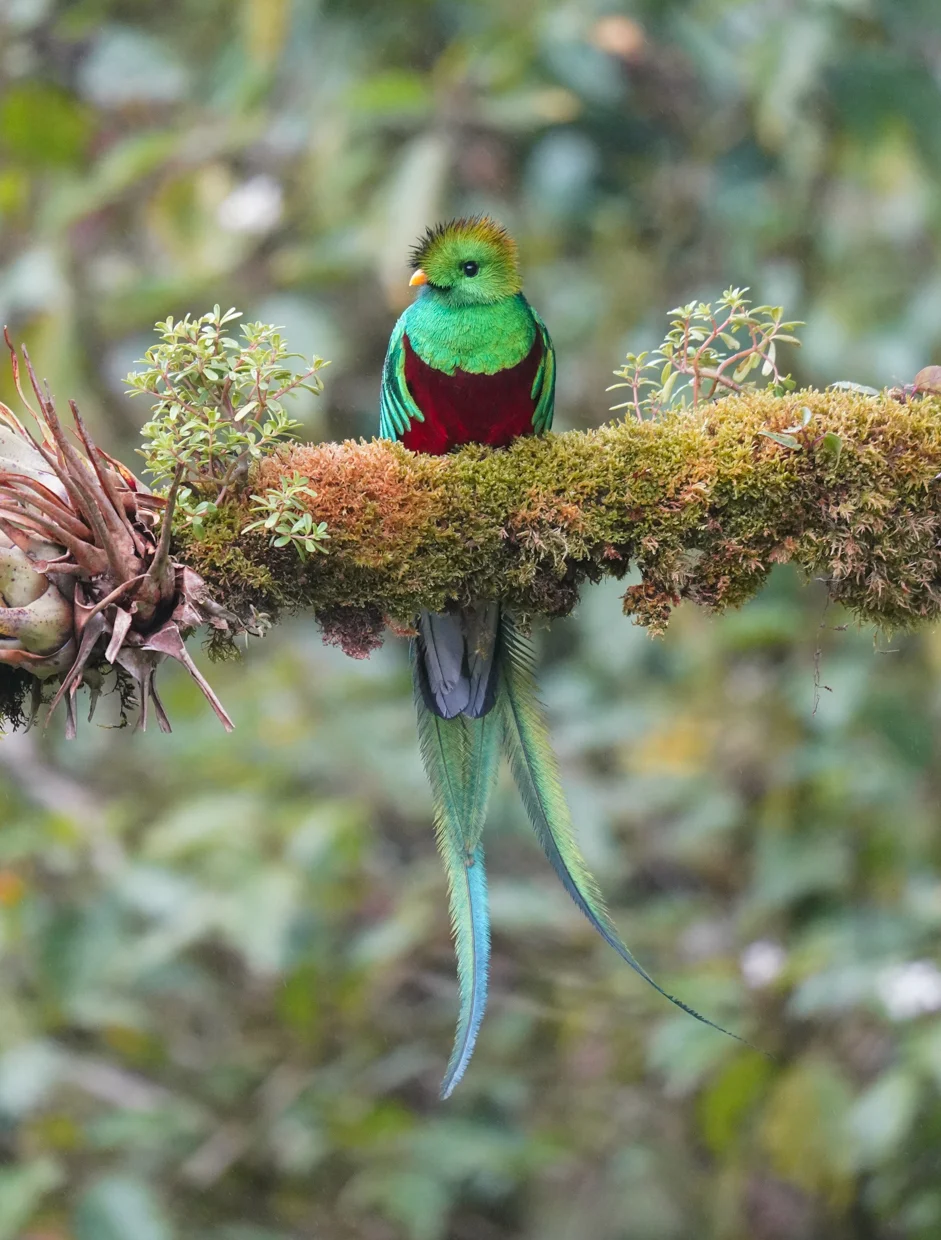
The Savegre River valley provided sightings of the Resplendent Quetzal, a cultural and ecological icon of the cloud forest. The group observed a pair actively nesting, a vital data point for monitoring the reproductive success of the species in the face of climate-induced altitudinal shifts. Other highland specialties recorded included the Flame-throated Warbler and the Long-tailed Silky-flycatcher.

At the summit of Cerro Buena Vista, at an elevation exceeding 3,000 meters, the team documented the Volcano Junco and the Timberline Wren. These species are restricted to the páramo—a high-altitude shrubland that is increasingly vulnerable to rising global temperatures. The clear conditions also allowed for the observation of Los Crestones del Cerro Chirripó, emphasizing the rugged topography that creates these isolated "islands" of biodiversity.

Sustainable Agriculture and Avian Diversity in Paraíso de Cartago
A significant portion of the expedition was dedicated to analyzing the relationship between sustainable agriculture and wildlife. In Paraíso de Cartago, the group visited an 11-hectare organic, shade-grown coffee farm. Despite its small size, the farm has recorded over 300 bird species, a statistic that provides a compelling argument for the ecological benefits of polyculture and shade-grown coffee over sun-exposed monocultures.

In this region, the expedition successfully located the Cabanis’s Ground-Sparrow, a species endemic to Costa Rica’s Central Plateaus. The sparrow’s presence in coffee plantations suggests that agricultural land, when managed with ecological sensitivity, can serve as vital habitat for range-restricted endemics.

The Caribbean Lowlands and Raptor Migration Patterns
The final stages of the tour focused on the Caribbean lowlands and the northern wetlands of Caño Negro. At the La Selva Biological Station, a premier site for neotropical research, the group observed the Broad-billed Motmot and the Green Ibis.

A major highlight occurred in Sarapiquí, where the team witnessed a massive raptor migration. Thousands of Turkey Vultures, Swainson’s Hawks, and Broad-winged Hawks were observed utilizing thermals to migrate north. This phenomenon is a critical ecological event, as Costa Rica serves as a narrow bottleneck for millions of raptors traveling between South and North America.

In the northern wetlands near the Nicaraguan border, the survey recorded several rare and localized species, including the Nicaraguan Grackle and the Pinnated Bittern. The documentation of the Rufous-vented Ground-Cuckoo in the San Ramón mountains was perhaps the most significant find of the expedition. This elusive bird is rarely seen and serves as an indicator of a healthy, intact forest floor ecosystem.

Supporting Data and Technical Observations
The 2026 expedition concluded with an impressive species count that underscores Costa Rica’s status as a global leader in ecotourism and conservation.

| Category | Key Species Observed |
|---|---|
| Endemics Observed | Mangrove Hummingbird, Coppery-headed Emerald, Cabanis’s Ground-Sparrow |
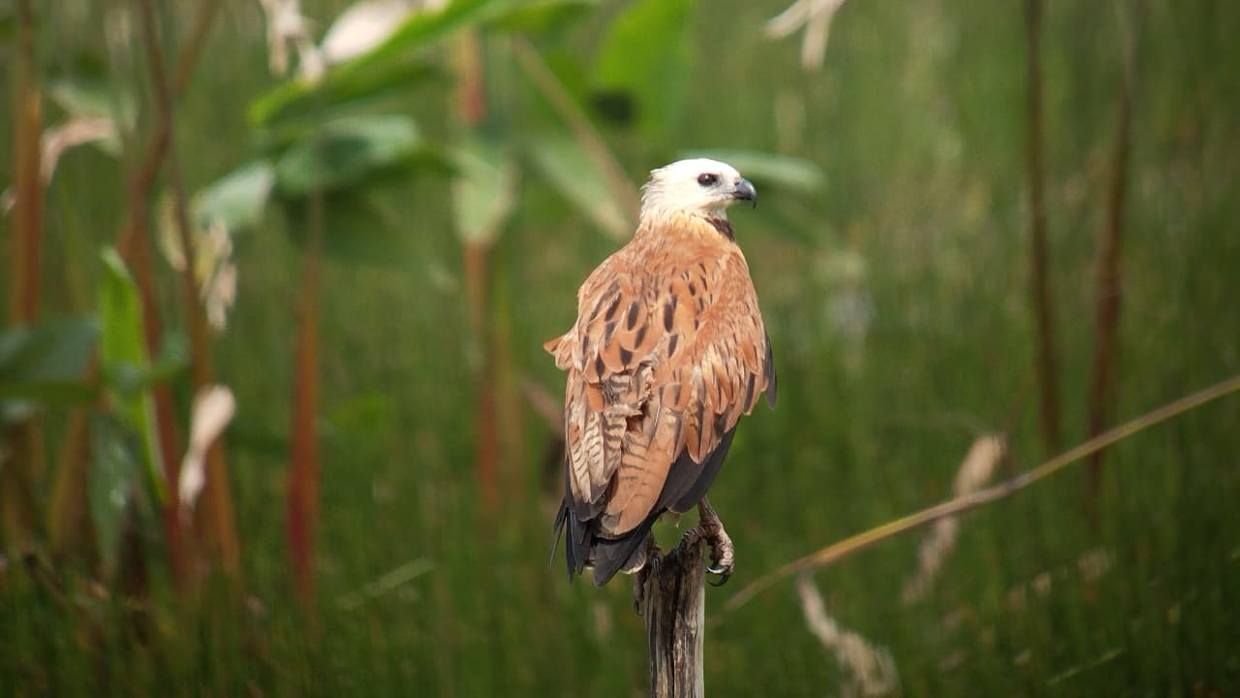
| Top Predators | Ornate Hawk-Eagle, King Vulture, Black-collared Hawk |
| Indicator Species | Resplendent Quetzal, Rufous-vented Ground-Cuckoo, Great Green Macaw |
| Mammals Observed | Northern Tamandua, Two-toed Sloth with young, Tayra, Three species of primates |
The group’s ability to observe the Ornate Hawk-Eagle—both a nesting female and a hunting juvenile—provides rare insight into the behavior of one of the Neotropics’ most powerful raptors. Such sightings are increasingly rare as large-range predators require vast tracts of undisturbed forest to survive.

Broader Impact and Conservation Implications
The findings of the Eagle-Eye Tours expedition suggest that while Costa Rica’s national park system remains robust, the "connective tissue" of private reserves, sustainable farms, and biological corridors is equally essential. The success of the tour was attributed not only to the expertise of the guides but also to the hospitality and local knowledge of Costa Rican residents, such as the driver Jaime and local experts like Luigi and Renato.

From a journalistic perspective, the expedition highlights three critical areas for future environmental policy:
- Mangrove Protection: The survival of the Mangrove Hummingbird and the Yellow-billed Cotinga depends entirely on the preservation of the Pacific coastal wetlands.
- Climate Resilience in the Highlands: High-altitude species like the Volcano Junco have no higher ground to retreat to as temperatures rise, making the Talamanca range a priority for climate monitoring.
- Sustainable Development: The Paraíso de Cartago coffee farm demonstrates that economic productivity and wildlife conservation are not mutually exclusive.
As the global community looks toward the 2030 biodiversity targets, the data from this 15-day survey provides a snapshot of a nation that continues to punch above its weight in environmental stewardship. The expedition concluded on March 3, 2026, leaving behind a detailed eBird record that will contribute to the long-term citizen science database used by ornithologists worldwide to track population trends and migration patterns in the Neotropics.
