
The annual migration of hummingbirds, a breathtaking spectacle of nature, heralds the arrival of spring and summer for many across North America. While their diminutive size and rapid movements can make them elusive, the anticipation of their return and the subsequent observation of these iridescent jewels are consistently rewarding experiences. For residents in the eastern United States, the appearance of the Ruby-throated Hummingbird is often the first sign of their presence, marking the end of winter and the beginning of warmer days. Meanwhile, in the western regions, a greater diversity of species, including the Black-chinned, Rufous, and Broad-tailed Hummingbirds, contribute to the vibrant avian tapestry. The journey these tiny birds undertake, often spanning over 2,000 miles from their wintering grounds in Central America, is a testament to their resilience and instinctual drive, making their arrival in backyard feeders and gardens a deeply cherished event.
The Arduous Journey: A Marvel of Nature
The migration of hummingbirds is one of nature’s most astonishing feats. These tiny birds, some weighing as little as a dime, undertake journeys that defy their delicate appearance. The Ruby-throated Hummingbird, for instance, travels from Mexico and Central America to its breeding grounds in the eastern United States and Canada. This migration is not a leisurely stroll; it involves crossing vast expanses of water, including the Gulf of Mexico, a non-stop flight that can last for 18 to 22 hours, covering up to 600 miles. During this perilous journey, they rely on their stored body fat for energy. Scientists estimate that at the start of this trans-gulf flight, a Ruby-throated Hummingbird can increase its body mass by as much as 44%. This remarkable feat requires incredible physiological adaptations and an unwavering internal compass.
Similarly, western hummingbird species, such as the Rufous Hummingbird, undertake equally impressive migrations. These birds travel from their wintering grounds in Mexico all the way to Alaska and the Pacific Northwest, making them one of the longest-distance migrants relative to their body size. Their migration is often timed to coincide with the blooming of nectar-producing flowers, a crucial food source. The challenges these birds face are numerous: adverse weather conditions, predators, and the availability of food and water along their routes. The fact that a significant percentage of these birds successfully complete their arduous journey and grace our backyards is a testament to their evolutionary adaptations and the resilience of migratory bird populations.
Enticing Hummingbirds: Creating a Welcoming Habitat
Attracting hummingbirds to one’s yard involves more than just placing a feeder; it requires creating a hospitable environment that caters to their specific needs. Providing nectar feeders filled with a simple sugar-water solution—typically a 4:1 ratio of water to granulated white sugar—is a primary method of drawing them in. It is crucial to use only granulated white sugar, as other sweeteners like honey or artificial sweeteners can be harmful to hummingbirds. Regular cleaning of feeders is paramount to prevent the growth of mold and bacteria, which can sicken the birds. Ideally, feeders should be cleaned every two to three days in hot weather and every four to five days in cooler temperatures.
Beyond feeders, landscaping with native plants that produce abundant nectar is equally, if not more, important. Hummingbirds have evolved alongside specific flowering plants, and offering a diverse array of these blooms provides them with a natural and continuous food source, as well as essential nutrients and pollen. In the eastern United States, plants like Bee Balm (Monarda spp.), Cardinal Flower (Lobelia cardinalis), Trumpet Vine (Campsis radicans), and Columbine (Aquilegia spp.) are highly attractive to Ruby-throated Hummingbirds. For western species, a variety of penstemons, fuchsias, salvias, and desert honeysuckles are particularly appealing. Creating a layered habitat with plants of varying heights and bloom times can provide a consistent food supply throughout the hummingbird season.
Furthermore, providing a source of water is beneficial. While hummingbirds primarily feed on nectar, they also drink water and bathe in it. A shallow bird bath with a mister or a dripper can be an irresistible attraction, offering them a place to cool off and clean their feathers.
Resident Hummingbirds: A Year-Round Presence in the Far West
While many hummingbirds are migratory, a fortunate segment of the population, particularly in the mild climate of the far western United States, are year-round residents. Species such as Anna’s Hummingbird, Costa’s Hummingbird, and Allen’s Hummingbird are often found in these regions, establishing territories and raising families even during the cooler months. This means that residents in California, Arizona, and other parts of the Southwest may have the opportunity to observe not only migrating birds but also local breeding populations.
The sight of newly fledged hummingbirds, venturing out for the first time to explore feeders and flowers, is a particularly rewarding aspect of backyard birdwatching. These young birds, still developing their foraging skills, can be seen practicing their aerial acrobatics and tentatively approaching feeders. Observing their initial awkwardness and subsequent mastery of flight and feeding adds another layer of fascination to the hummingbird experience. For these resident populations, the cycle of life continues throughout the year, with courtship displays, nest building, and the raising of young.
The Intricate Behaviors of Hummingbirds
Watching hummingbirds is an exercise in observing a miniature marvel of nature. Their flight is renowned for its agility, allowing them to hover, fly backward, and even upside down for brief moments. This remarkable maneuverability is facilitated by their unique wing structure, which can rotate almost 180 degrees at the shoulder, enabling them to generate lift on both the forward and backward strokes of their wings.

Their feeding mechanism is equally fascinating. Contrary to popular belief, hummingbirds do not "suck" nectar through their beaks. Instead, they possess a long, forked tongue with tiny grooves or lamellae along its edges. When this tongue is extended into a flower or a feeder, capillary action draws the nectar up into the grooves. The hummingbird then retracts its tongue, using its beak to lap the nectar into its mouth. This process can occur up to 12 times per second, allowing them to consume large quantities of nectar to fuel their high metabolism.
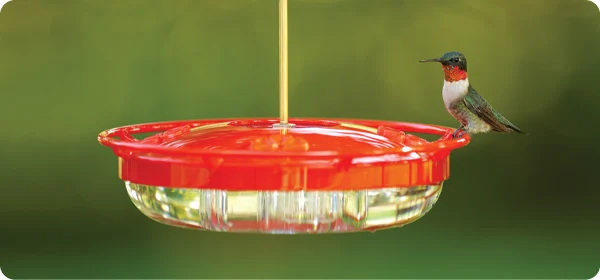
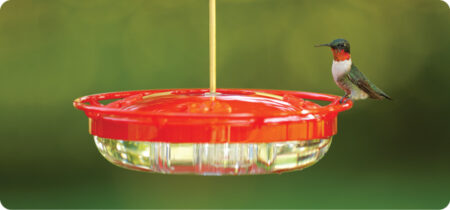
Observing these behaviors firsthand can be greatly enhanced by specialized feeders. For instance, feeders with clear plastic bases offer a unique vantage point, allowing observers to witness the rapid lapping action of the hummingbird’s tongue. This close-up view provides an intimate understanding of their feeding physiology and adds a significant educational dimension to backyard birdwatching.
The Broader Implications of Hummingbird Conservation
The presence and well-being of hummingbird populations are indicators of the health of their ecosystems. As specialized pollinators, they play a vital role in the reproduction of numerous plant species. The decline in any pollinator population can have cascading effects on plant communities and the broader food web. Factors such as habitat loss, pesticide use, and climate change pose significant threats to hummingbirds and other migratory species.
Organizations like Wild Birds Unlimited, through their educational initiatives and product offerings, aim to raise awareness and encourage backyard conservation efforts. By promoting the use of native plants and providing resources on proper feeder maintenance and nectar preparation, they empower individuals to contribute to the survival of these remarkable birds. The "WBU Nature Centered Podcast" episode, "Hooray for Hummingbirds," serves as a valuable resource, offering insights and practical advice from experts on how to enhance the experience of attracting and observing hummingbirds, thereby fostering a deeper appreciation for their conservation needs.
The efforts to attract and observe hummingbirds are not merely a recreational pursuit; they are an integral part of a larger conservation movement. Understanding the challenges these birds face and actively creating supportive habitats in our own backyards contributes to their long-term survival. The patience required to await their arrival is a small price to pay for the joy and wonder they bring, and for the vital ecological role they fulfill.
A Deeper Understanding Through Data and Analysis
The study of hummingbird migration has revealed remarkable patterns and adaptations. For instance, researchers utilizing tracking devices and banding data have pieced together the intricate migratory routes of various species. Analysis of these data sets highlights the critical importance of specific stopover sites – areas where migrating birds rest and refuel. The degradation or loss of these sites due to human development or environmental changes can have a devastating impact on migratory success.
Recent scientific literature underscores the vulnerability of these routes to climate change. Shifting bloom times of nectar-producing plants, for example, can create a temporal mismatch, meaning that hummingbirds may arrive at their breeding grounds or stopover sites before or after their primary food sources are available. This can lead to reduced breeding success and increased mortality rates. Studies have also documented the impact of extreme weather events, such as prolonged droughts or unseasonably cold snaps, on hummingbird populations, further emphasizing the need for resilient ecosystems.
The economic implications of hummingbird presence, while not as widely studied as other bird species, are present. Birdwatching, including hummingbird watching, contributes to local economies through tourism, sales of feeders, food, and related supplies, and the landscaping industry. The ecological services they provide as pollinators also have an indirect but significant economic value, supporting agriculture and wild plant communities.
Expert Perspectives and Community Engagement
John James Audubon, the renowned ornithologist, was one of the first to extensively document North American birds, including hummingbirds. His detailed observations and illustrations brought these "jewels of the air" to the attention of a wider audience, sparking early interest in their natural history. Today, ornithologists and conservationists continue to build upon this legacy, using advanced research methods to understand and protect these species.
Organizations like the Hummingbird Society and local Audubon chapters play a crucial role in citizen science initiatives. These groups engage the public in data collection, such as reporting sightings, monitoring feeder activity, and participating in banding efforts. This collaborative approach not only provides valuable data for scientific research but also fosters a sense of community ownership and responsibility for conservation.

Local nurseries and garden centers are increasingly stocking native plants favored by hummingbirds, responding to a growing public demand for wildlife-friendly landscaping. This trend signifies a shift towards integrating ecological considerations into urban and suburban planning, recognizing the importance of even small backyard habitats in supporting biodiversity.
Conclusion: A Rewarding Endeavor
The anticipation of hummingbirds’ return each spring and summer is a shared experience for many nature enthusiasts. The effort invested in creating a welcoming habitat—from meticulously preparing nectar to thoughtfully selecting native plants—is consistently rewarded by the dazzling presence of these tiny aviators. Whether observing the long-distance migrations of the Ruby-throated Hummingbird or the year-round residency of species in the West, the act of watching them provides a profound connection to the natural world. Their intricate behaviors, remarkable journeys, and vital ecological roles underscore their significance, making the patience required for their arrival an exceptionally worthwhile endeavor. Continued conservation efforts, driven by scientific research and public engagement, are essential to ensure that these iridescent jewels continue to grace our skies for generations to come.
