
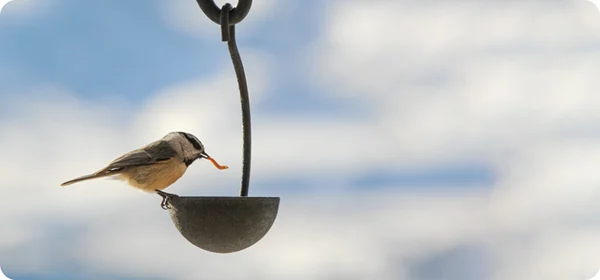
The seemingly unconventional suggestion of gifting "bugs for birds" for Mother’s Day offers a unique and ecologically beneficial approach to celebrating maternal figures, according to experts at Wild Birds Unlimited (WBU). This initiative encourages the creation of bird-friendly habitats that simultaneously support avian populations and provide a source of natural fascination and beauty for mothers and families to enjoy. The core principle behind this idea is to enhance local ecosystems by providing essential food sources for birds, particularly during critical periods like nesting season and migration.
The Ecological Imperative: Why Bugs Matter for Birds
May marks a pivotal time in the avian calendar, characterized by peak nesting activity across North America. During this period, virtually all bird species rely heavily on insects to nourish their rapidly growing young. A diet rich in protein and essential nutrients from insects is crucial for the survival and development of fledglings. By offering bird feeders stocked with mealworms, a readily available insect substitute, and simultaneously fostering a diverse insect population within yards, individuals can significantly contribute to the success of local bird populations. This strategy not only supports the production of more fledglings but also attracts a wider array of songbirds to backyard environments.
The migratory patterns of songbirds also highlight the importance of insect availability. As vast numbers of birds traverse the continent, they require substantial energy reserves to sustain their arduous journeys. Insects, being a concentrated source of fats and proteins, are the primary fuel for these travelers. The presence of abundant insect food sources in a yard can therefore be instrumental in aiding these migrating species. The joy derived from observing a diverse influx of warblers, vireos, thrushes, and tanagers gracing one’s own backyard can be a profound and rewarding experience, especially when framed as a thoughtful gift for a mother.
Cultivating a Bird-Friendly Haven: A Two-Pronged Approach
Wild Birds Unlimited advocates for a two-part strategy to ensure yards become vibrant havens for insect-seeking birds. The first component involves the thoughtful selection of plants. Instead of traditional, ephemeral bouquets, the focus shifts to planting a variety of native species that can thrive in yards or containers, offering sustained beauty and ecological value throughout the summer months. Native plants are not only aesthetically pleasing but also serve as natural attractants for a wide range of indigenous insects that form the cornerstone of many birds’ diets.
The second, complementary element of this strategy is the direct provision of mealworms. These are presented as a highly palatable and nutritious supplement for birds that naturally consume insects. Mealworms offer a reliable and easily accessible food source that bridges nutritional gaps and supports birds’ energy needs, particularly when natural insect populations may fluctuate.
WBU’s Product Offerings: Tailored Solutions for Avian Nutrition
Wild Birds Unlimited has developed a range of specialized products designed to facilitate the provision of insect-based foods for birds. Among these is the Nesting SuperBlend®, a mix formulated with dried mealworms, available in both loose seed blend and seed cylinder formats. This blend is specifically engineered to meet the heightened nutritional demands of birds during the nesting season.
For attracting insectivorous birds, the Bug, Nut & Berry Cylinder® is recommended. This product combines the appeal of insects with the energy-richness of nuts and the sweetness of berries, creating a multi-faceted attractant for a broad spectrum of bird species.

For an even more direct and effective appeal to songbirds, particularly those that are highly insectivorous, live mealworms are presented as an exceptional option. The availability of live mealworms offers a premium food source that can significantly increase the diversity and number of avian visitors to a feeder.
The Broader Impact: Conservation and Community Engagement
The "Give Mom Bugs for Birds" initiative extends beyond a simple gift-giving idea; it represents a tangible contribution to local conservation efforts. By encouraging the creation of bird-friendly habitats, WBU aims to foster greater awareness and appreciation for the intricate relationships within natural ecosystems. Supporting avian populations has ripple effects throughout the environment, including natural pest control and seed dispersal.
Furthermore, this concept can serve as an educational tool for families, offering opportunities to learn about ornithology, local wildlife, and the importance of biodiversity. The act of observing birds attracted by these thoughtful provisions can spark curiosity and a deeper connection with nature, particularly for children, instilling values of environmental stewardship from a young age.
A Timeline of Avian Needs and Seasonal Significance
The period from late spring through summer is characterized by distinct phases in the life cycles of many bird species, each with specific dietary requirements.
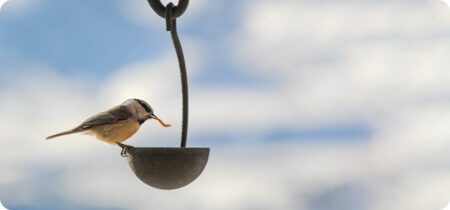
- Late Spring (April – May): This is the peak of nesting season for many songbirds. Female birds lay eggs, and once hatched, the demanding task of feeding a brood begins. Insect larvae and adult insects are the primary food source, providing the necessary protein for rapid growth and development. Migratory birds are also arriving in their breeding grounds, often in a depleted state after long flights, making readily available insect food crucial for their recovery and subsequent breeding efforts.
- Early Summer (June – July): Fledglings begin to leave the nest and require continued parental care and feeding. While they start to explore solid foods, insects remain a vital component of their diet. This is also the time when many adult birds may undergo their post-breeding molt, a period of significant physiological stress requiring ample nutrition.
- Late Summer (August – September): As the breeding season winds down, many songbirds begin their southward migration. These journeys are energetically demanding, and birds must build up fat reserves. Insects, along with fruits and seeds, provide the necessary calories. Yards that continue to offer insect-based food sources can become critical refueling stations for these migrating travelers.
The "Give Mom Bugs for Birds" concept is therefore strategically timed to align with these critical periods, maximizing the positive impact on bird populations and the observational enjoyment for humans.
Expert Perspectives and Community Reactions
While the concept might initially raise eyebrows, ornithologists and wildlife biologists widely endorse the principles behind creating insect-rich environments for birds. Dr. Eleanor Vance, a renowned avian ecologist, commented, "The nutritional demands of breeding birds, particularly during chick-rearing, are immense. Providing accessible, high-protein food sources like mealworms, alongside native plants that support natural insect populations, is a highly effective way to bolster local bird populations. It’s a win-win for both the birds and the people who enjoy them."
Local WBU store owners have reported an increasing interest from customers seeking more sustainable and impactful ways to enjoy backyard birding. "We’ve seen a growing trend of people wanting to do more than just feed birds; they want to help them thrive," said Sarah Chen, owner of a Wild Birds Unlimited store in Ohio. "The ‘bugs for birds’ idea resonates because it’s practical, it’s educational, and it connects directly to the well-being of the birds. Many customers find immense joy in seeing specific species like bluebirds or chickadees flocking to their feeders for mealworms, knowing they are directly contributing to the birds’ success."
Analytical Insights: The Ecological and Economic Implications
The implications of promoting insect-based feeding for birds extend beyond individual backyards. On an ecological level, supporting bird populations can contribute to natural pest control in gardens and agricultural areas. Insectivorous birds consume vast quantities of insects, including those that can be detrimental to crops and plants. By providing adequate food sources, communities can indirectly benefit from a reduction in insect pest populations.

Economically, the bird feeding industry, including specialty stores like Wild Birds Unlimited, plays a significant role in local economies. The "bugs for birds" initiative, by offering specialized products and expertise, stimulates this sector while also promoting environmentally responsible consumer choices. Furthermore, the burgeoning interest in ecotourism and nature-based recreation suggests that vibrant backyard birding experiences can contribute to local tourism and recreational economies.
Addressing Potential Concerns and Misconceptions
A common initial reaction to the idea of "bugs for birds" might involve a degree of squeamishness or misunderstanding. It is important to clarify that the "bugs" being referred to are typically commercially available, processed insect products like dried mealworms or live mealworms raised under controlled conditions. These are a safe and beneficial dietary supplement for birds.
The initiative also emphasizes the importance of a balanced approach. While supplemental feeding is beneficial, it should ideally complement a healthy, natural environment. Encouraging the planting of native species is a key component, as it supports the entire food web, not just the birds. This holistic approach ensures that birds have access to natural food sources throughout the year, reducing reliance solely on feeders.
Conclusion: A Gift of Life and Natural Beauty
The concept of "Give Mom Bugs for Birds" transforms a traditional gift-giving occasion into an opportunity for ecological contribution and shared natural enjoyment. By understanding the critical role insects play in avian life cycles, particularly during nesting and migration, and by implementing simple yet effective strategies like planting native species and offering supplemental insect-based foods, individuals can create vibrant, thriving backyard ecosystems. This approach not only benefits bird populations but also offers mothers and their families a unique and rewarding way to connect with nature, fostering appreciation for the intricate beauty and vital importance of the natural world right in their own backyards. The enduring gift of life and the continuous spectacle of nature’s resilience make this an exceptionally thoughtful and impactful Mother’s Day gesture.
