
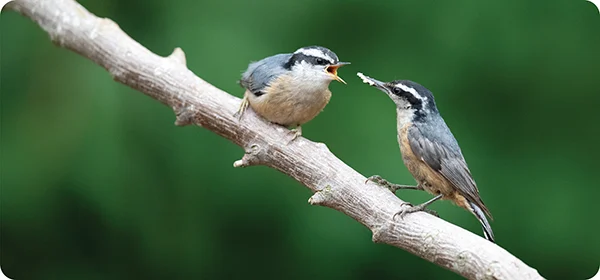
The emergence of young birds in backyards, heralded by their chirps and fledgling flights, offers a profound source of natural delight. From the tentative first appearances of bluebirds guided by their parents to the boisterous demands of chickadees and goldfinches, these moments underscore the vibrant cycle of life unfolding in our immediate surroundings. Even the clumsy attempts of young woodpeckers to navigate feeders, or their patient waiting for a suet handout, contribute to a captivating spectacle of nature’s continuity. This annual influx of new avian life serves as a poignant reminder of the critical role human efforts can play in supporting their survival and prosperity.
The Impact of Supplemental Feeding on Avian Reproduction
Scientific research consistently highlights the significant advantages that reliable access to supplemental food sources provides to nesting bird populations. Studies have indicated that bird species that benefit from regular feeder offerings tend to initiate their breeding cycles earlier in the season compared to their counterparts without such assistance. This temporal advantage is crucial, as earlier broods often face less competition for resources and experience higher rates of survival and successful fledging. For instance, research published in the Journal of Avian Biology has shown a correlation between increased food availability during the pre-breeding and nesting periods and earlier egg-laying dates in several common passerine species. This suggests that by providing feeders, humans can effectively “pre-condition” birds for breeding, leading to more robust populations.
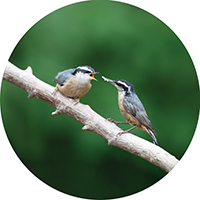
Furthermore, the availability of easily accessible food at feeders liberates breeding female birds from expending excessive energy on foraging. This conservation of energy allows them to dedicate more time and resources to critical nesting activities. They can invest in selecting optimal nesting locations, constructing more structurally sound and protective nests, and diligently guarding their eggs and young from an array of predators. This enhanced parental investment, facilitated by supplemental feeding, directly contributes to improved reproductive success rates. The energy saved by parents can also be channeled into seeking out a wider diversity of natural food sources, ensuring their offspring receive a more varied and nutrient-rich diet. Studies have demonstrated that such enhanced nutrition can lead to reduced aggression among nestlings, fostering more cooperative development and ultimately increasing their growth rates. A meta-analysis of bird feeding studies, appearing in Ecology Letters, noted that the nutritional quality and quantity of food provided by parents significantly influences sibling competition dynamics and overall nestling health.
Beyond Food: The Importance of Habitat and Shelter
While feeders play a vital role, the success of nesting birds is not solely dependent on food availability. The provision of appropriate nesting structures, such as well-designed and properly installed nesting boxes, can dramatically improve nesting success rates, particularly during periods of inclement weather. Research conducted by ornithological societies has emphasized that in regions prone to extreme cold or persistent dampness, artificial nesting cavities offer crucial protection, shielding vulnerable eggs and young from environmental hazards that could otherwise prove fatal. The design of these boxes, considering factors like entrance hole size, internal dimensions, and ventilation, is critical for attracting specific species and ensuring the safety of their occupants. For example, the Eastern Bluebird, a species that has benefited greatly from human-provided nesting boxes, exhibits significantly higher nesting success in areas where suitable cavities are readily available.
Equally paramount is the quality of the natural habitat present in a yard or surrounding area. Ornithologists advocate for a less manicured approach to landscaping, recognizing that immaculately groomed yards often lack the essential natural resources that birds require for nest building. Uncut grass, leaf litter, and undisturbed brush piles can provide vital materials such as dried grasses, twigs, moss, and even spiderwebs, which are integral components of many bird nests. Moreover, the strategic planting of native trees, shrubs, and wildflowers serves a dual purpose. These indigenous plants offer not only vital nesting spaces, providing perches and structural support, but also a continuous source of natural food, including insects, seeds, berries, and nectar, which may be scarce in highly urbanized or over-cultivated landscapes. The National Audubon Society consistently promotes native plantings as a cornerstone of backyard bird conservation, citing their unparalleled value in supporting local wildlife populations throughout the year.

Specialized Resources for Nesting Success
Recognizing the specific nutritional demands of nesting birds, specialized bird food blends have been developed to cater to these needs. Products like Wild Birds Unlimited’s Nesting SuperBlend™ are formulated with ingredients rich in the protein and calcium essential for egg production, chick development, and the energetic demands of fledgling care. This blend typically incorporates high-energy components such as sunflower chips, peanuts, and mealworms, which are excellent sources of protein. Additionally, the inclusion of calcium-rich ingredients is crucial for female birds to produce strong eggshells and for the skeletal development of chicks. For instance, mealworms are a particularly valuable protein source for insectivorous birds, while calcium can be supplemented through various means, including crushed eggshells or commercially available calcium grits.
Bark Butter®, another offering from Wild Birds Unlimited, provides a versatile and highly palatable food source for a wide range of bird species. This spreadable suet and seed mixture can be applied to tree trunks, branches, or specialized feeders, attracting insectivorous birds that may not readily visit traditional seed feeders. Its high fat and protein content makes it an excellent supplement, especially during the demanding nesting season. The availability of such specialized foods ensures that parent birds can efficiently acquire the necessary nutrients to sustain themselves and their offspring, contributing to healthier broods and higher survival rates. The efficacy of these specialized foods is supported by observations of increased visitation rates and sustained feeding by target species during the breeding season.
A Chronology of Avian Nesting and Human Support
The avian nesting cycle is a finely tuned biological process that can be influenced by a range of environmental factors, including human intervention.
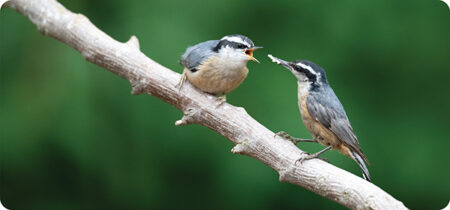
- Late Winter to Early Spring: As days lengthen and temperatures begin to moderate, many bird species initiate courtship rituals and territory establishment. This is a critical period when access to reliable food sources can influence the timing of breeding. Birds that have access to feeders may begin to prepare for nesting earlier, potentially gaining an advantage.
- Spring: This is the peak nesting season for many species. Females lay eggs, and incubation begins. The availability of nesting materials and suitable nesting sites becomes paramount. Supplemental feeding continues to support the energy demands of egg-laying and incubation.
- Late Spring to Early Summer: Hatching occurs, and the demanding period of feeding hungry nestlings commences. Parents must forage constantly to meet the high metabolic needs of their young. This is when specialized, nutrient-dense foods like Nesting SuperBlend™ and Bark Butter® can be most beneficial. The provision of nesting boxes also offers crucial protection against early summer storms.
- Mid to Late Summer: Fledglings begin to leave the nest, requiring continued parental care and guidance in foraging. They often remain dependent on their parents for several weeks, learning vital survival skills. Adult birds may also begin to prepare for a second brood or start their post-breeding molt.
- Late Summer and Fall: As the breeding season concludes, many birds begin their migration preparations or focus on building up fat reserves for the approaching winter. While the immediate demands of nesting subside, continued feeding can still support migrating birds and resident species through the leaner months.
Broader Implications and Community Engagement
The act of providing food and shelter for nesting birds extends beyond individual yards, fostering a sense of community and shared responsibility for local ecosystems. The presence of thriving bird populations can enhance the aesthetic appeal of neighborhoods, provide educational opportunities for children and adults alike, and contribute to a greater appreciation for the natural world. Organizations like Wild Birds Unlimited play a crucial role in educating the public about the importance of backyard conservation and offering resources to support these efforts. Their franchise model, spanning over 350 locations across the United States and Canada, facilitates widespread access to expert advice and specialized products.
The "Nature Centered" podcast, produced by Wild Birds Unlimited, serves as an important platform for disseminating information and engaging the public on topics such as summer bird feeding and the broader implications of human actions on wildlife. Episode 74, "Joy of Summer Birds," specifically addresses the nuances of supporting nesting birds during the warmer months, underscoring the organization’s commitment to environmental stewardship and public education.
A Call to Action: Empowering the Next Generation of Birds
The joy derived from observing nesting birds is intrinsically linked to the knowledge that our actions can make a tangible difference in their survival and success. By providing carefully selected food, appropriate nesting structures, and a habitat rich in natural resources, individuals can directly contribute to the continuation of avian life cycles. This commitment to supporting local wildlife not only enriches our own lives with the beauty and wonder of nature but also plays a vital role in maintaining biodiversity within our communities. The simple act of filling a bird feeder or planting a native shrub becomes a powerful gesture of conservation, ensuring that the delightful sounds and sights of nesting birds will continue to grace our yards for generations to come. The interconnectedness of human actions and ecological well-being is nowhere more evident than in the vibrant success of a backyard teeming with new avian life, a testament to the power of informed and compassionate stewardship.
