
The 2026 ornithological expedition through the Caribbean coast and the Sierra Nevada de Santa Marta has concluded, providing a comprehensive documentation of the region’s extraordinary avian diversity. Led by expert guide Benny Jacobs-Schwartz, the eight-day tour spanned diverse ecosystems ranging from coastal mangroves and arid scrublands to high-altitude cloud forests. The expedition successfully identified a significant number of endemic species, some of which are critically endangered, underscoring the biological importance of Northern Colombia as a global priority for conservation and ecotourism.
The Biological Significance of the Santa Marta Massif
The Sierra Nevada de Santa Marta is widely recognized by biologists as one of the most important centers of endemism in the world. As an isolated mountain range separated from the main Andes chain, it has functioned as a "biological island," allowing species to evolve in isolation over millions of years. This expedition focused heavily on this region, which holds the highest concentration of endemic bird species in Colombia. The data gathered during the tour contributes to ongoing citizen science projects, such as eBird, which track population trends and habitat health in these sensitive zones.
The expedition began in Barranquilla, a key port city that serves as the gateway to the Caribbean lowlands. While often viewed as an industrial hub, the surrounding areas of Barranquilla contain vital wetland and dry forest interfaces that support both resident and migratory species.
Chronology of the Expedition: From Wetlands to High Peaks
The itinerary was designed to maximize exposure to different altitudinal zones, each hosting a unique suite of bird life.
Phase I: The Caribbean Lowlands and Mangrove Systems
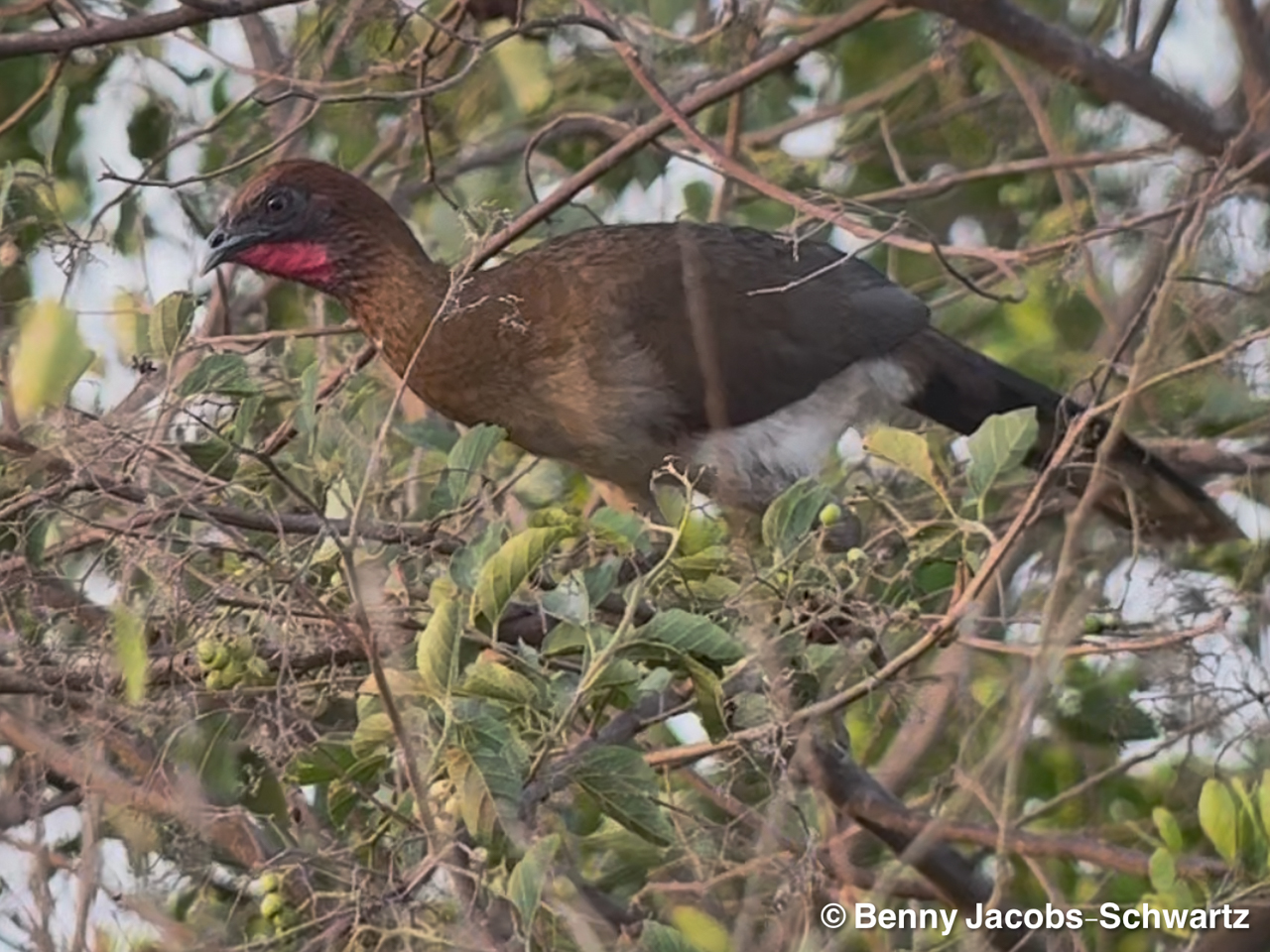
On March 29, the group initiated field observations at "KM 4," a highly productive area near Barranquilla characterized by a mosaic of open habitats and wetlands. In a remarkable display of biodiversity, the team recorded 64 species within the first 90 minutes of birding. Notable sightings included the Northern Screamer and the Chestnut-winged Chachalaca, the latter being a regional endemic. The presence of the Striped Cuckoo and the Black-collared Hawk indicated a healthy raptor and brood-parasite population within the local ecosystem.
The expedition then moved to the Isla de Salamanca Road Park. This area is a critical biosphere reserve consisting of mangroves and coastal lagoons. The highlight of this segment was the sighting of the Sapphire-bellied Hummingbird (Chlorestes enicura), a species classified as critically endangered due to habitat loss. The observation of this rare hummingbird provides essential data points for conservationists monitoring the remaining fragments of mangrove forest along the northern coast.
Phase II: The Ascent into the Sierra Nevada
As the group transitioned from the coast toward the Santa Marta Mountains, the habitat shifted into premontane and montane forests. Arriving at a specialized lodge on the evening of March 29, the participants were greeted by the Santa Marta Blossomcrown, a localized endemic that serves as a flagship species for the region’s conservation efforts.
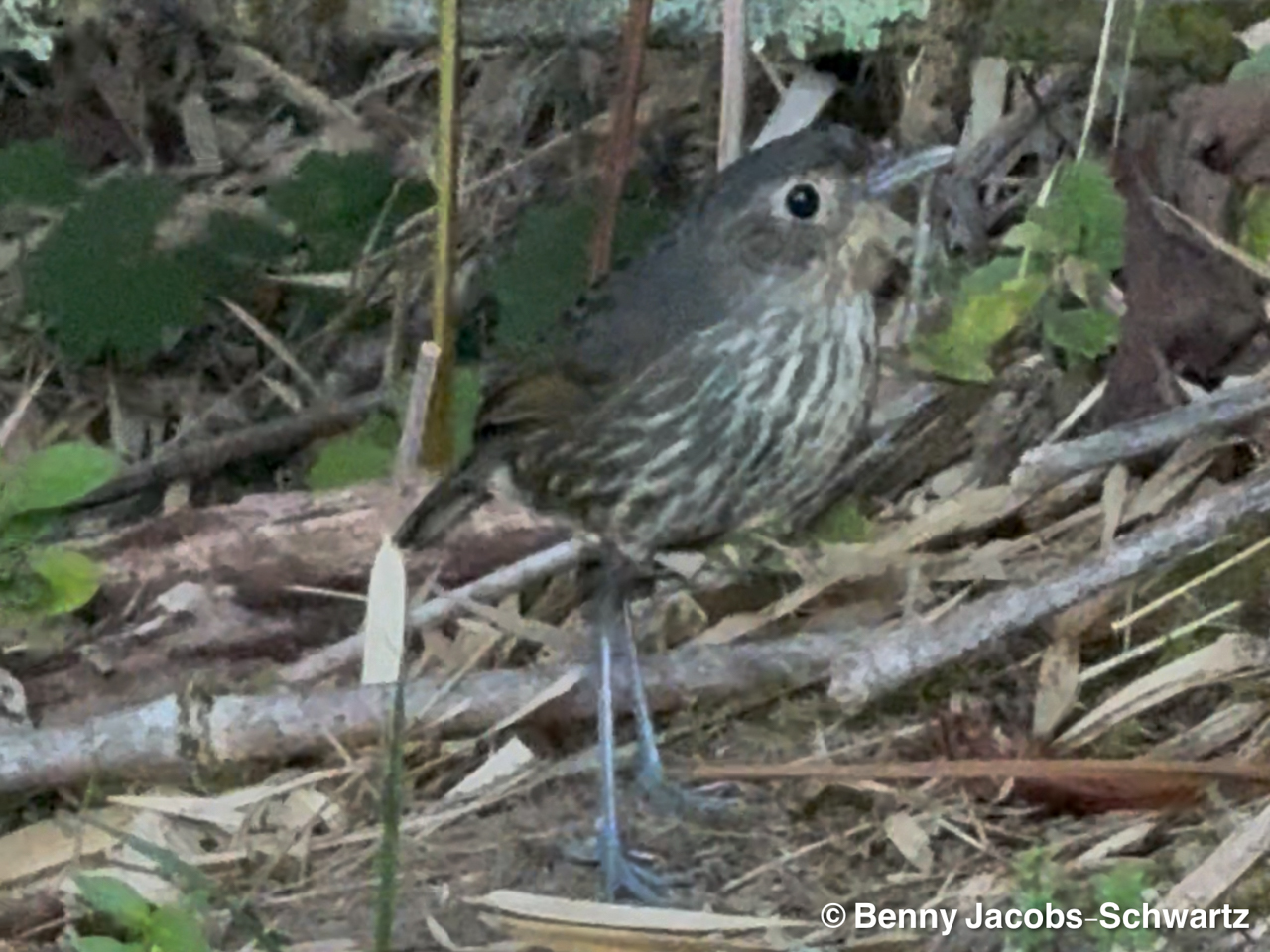
On March 30, the expedition focused on the Cuchilla de San Lorenzo, a ridge located at high elevation. This area is famous among ornithologists for its high density of endemics. Starting before dawn, the group successfully located the Santa Marta Screech-Owl. As the sun rose over the San Lorenzo Ridge, the team documented a flurry of endemic activity, including the Sierra Nevada Antpitta, White-tailed Starfrontlet, and the Yellow-crowned Redstart. The ridge’s clear skies allowed for optimal viewing of the Black-cheeked Mountain-Tanager and the Carriker’s Mountain Tanager, species that are restricted to the highest reaches of this mountain range.
Phase III: Mid-Elevation Habitats and Raptor Corridors
The middle days of the tour (March 31 – April 1) were dedicated to the transitional zones between 1,000 and 2,000 meters above sea level. These elevations are crucial for species like the Santa Marta Antbird and the Santa Marta Foliage-gleaner.
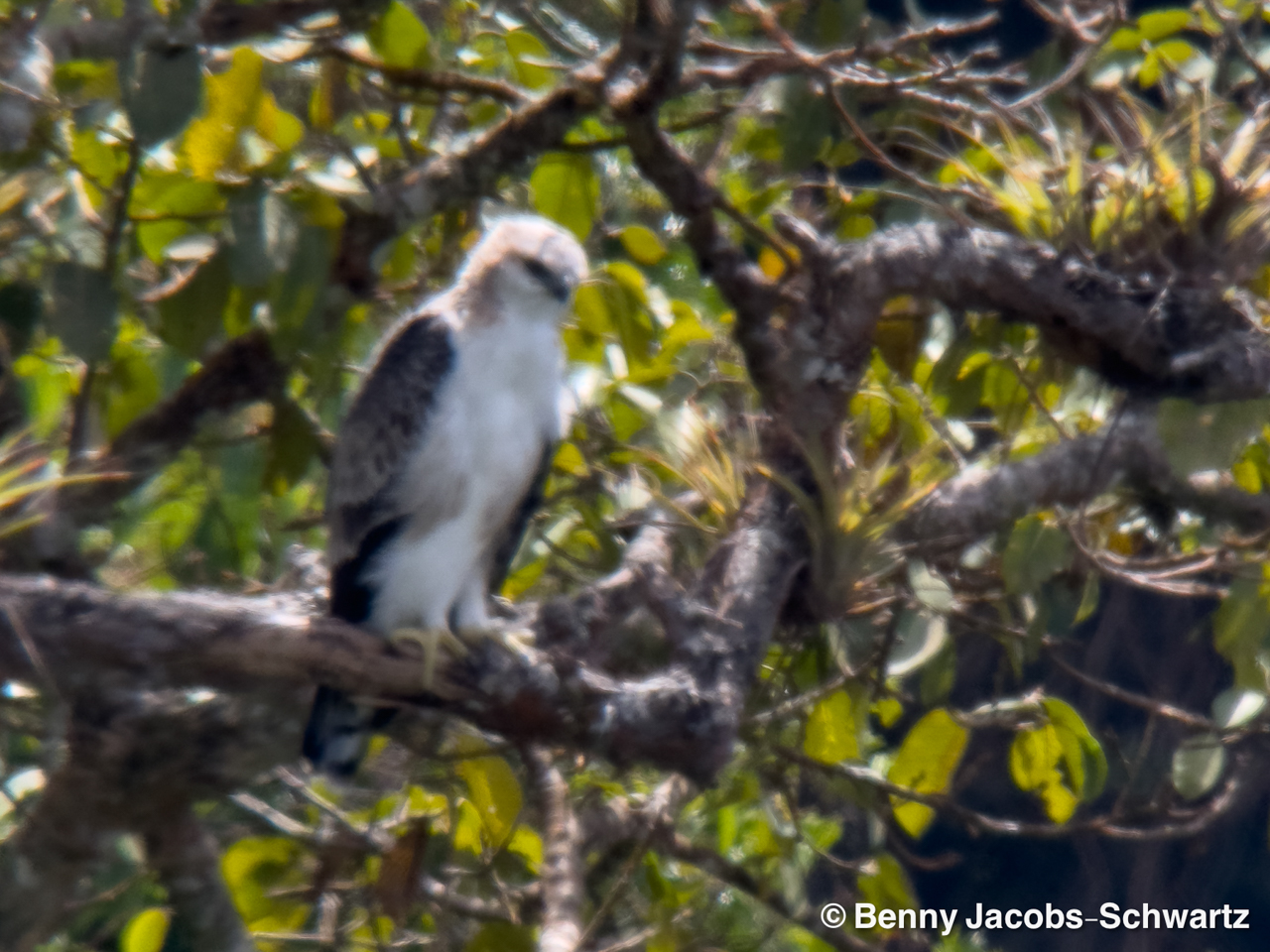
A significant highlight during this phase was the visit to a nest site of a juvenile Black-and-Chestnut Eagle. This species is one of the most endangered raptors in the Americas, facing threats from habitat fragmentation and direct persecution. Documenting the presence of a juvenile suggests successful breeding in the area, a positive sign for the local population. Additionally, the group recorded the Santa Marta Woodstar, one of the world’s smallest hummingbirds, further emphasizing the incredible evolutionary diversity of the range.
The descent into the transitional dry forest on April 1 yielded 48 species in a single afternoon. Observations of the Military Macaw at sunset provided a dramatic conclusion to the mountain segment of the tour. The Military Macaw is a vulnerable species that relies on large tracts of undisturbed forest and cliff faces for nesting, and its presence indicates the relative integrity of the forest corridors in this part of Santa Marta.
Transition to the Arid Scrub of La Guajira
On April 2, the expedition moved eastward into the department of La Guajira. This region presents a stark contrast to the lush forests of Santa Marta, consisting primarily of xeric (arid) scrub and coastal wetlands.
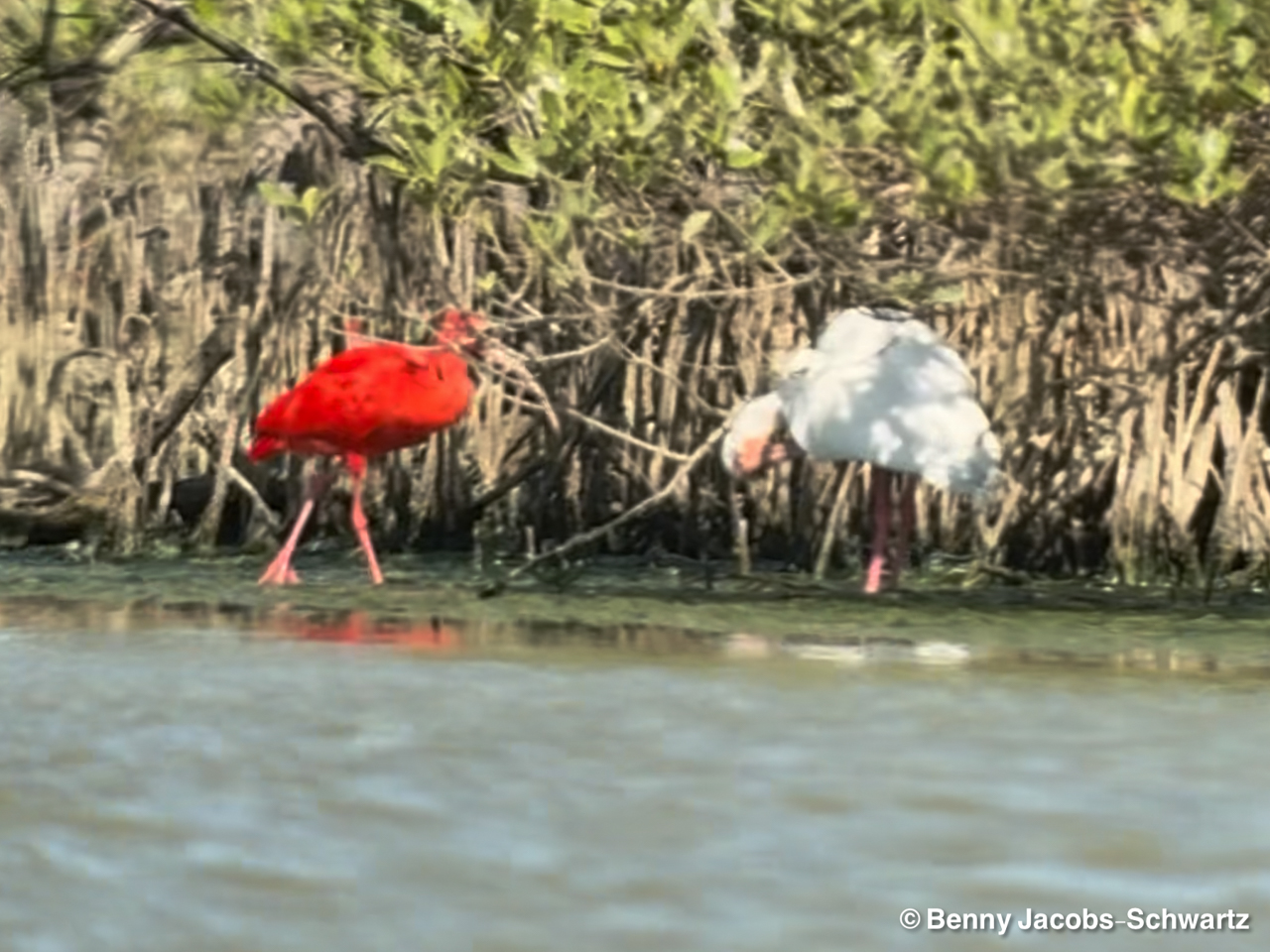
In the vicinity of Los Flamencos National Natural Park, the group documented species adapted to harsh, dry conditions, such as the Vermilion Cardinal and the Tocuyo Sparrow. The latter is a near-endemic shared only with neighboring Venezuela. The afternoon was spent exploring the coastal lagoons by boat, where the team observed a spectacular array of waterbirds. The Scarlet Ibis, with its vibrant red plumage, and the American Flamingo were among the primary highlights. The team also recorded the elusive Mangrove Rail, a species often heard but rarely seen in the dense root systems of the coastal mangroves.
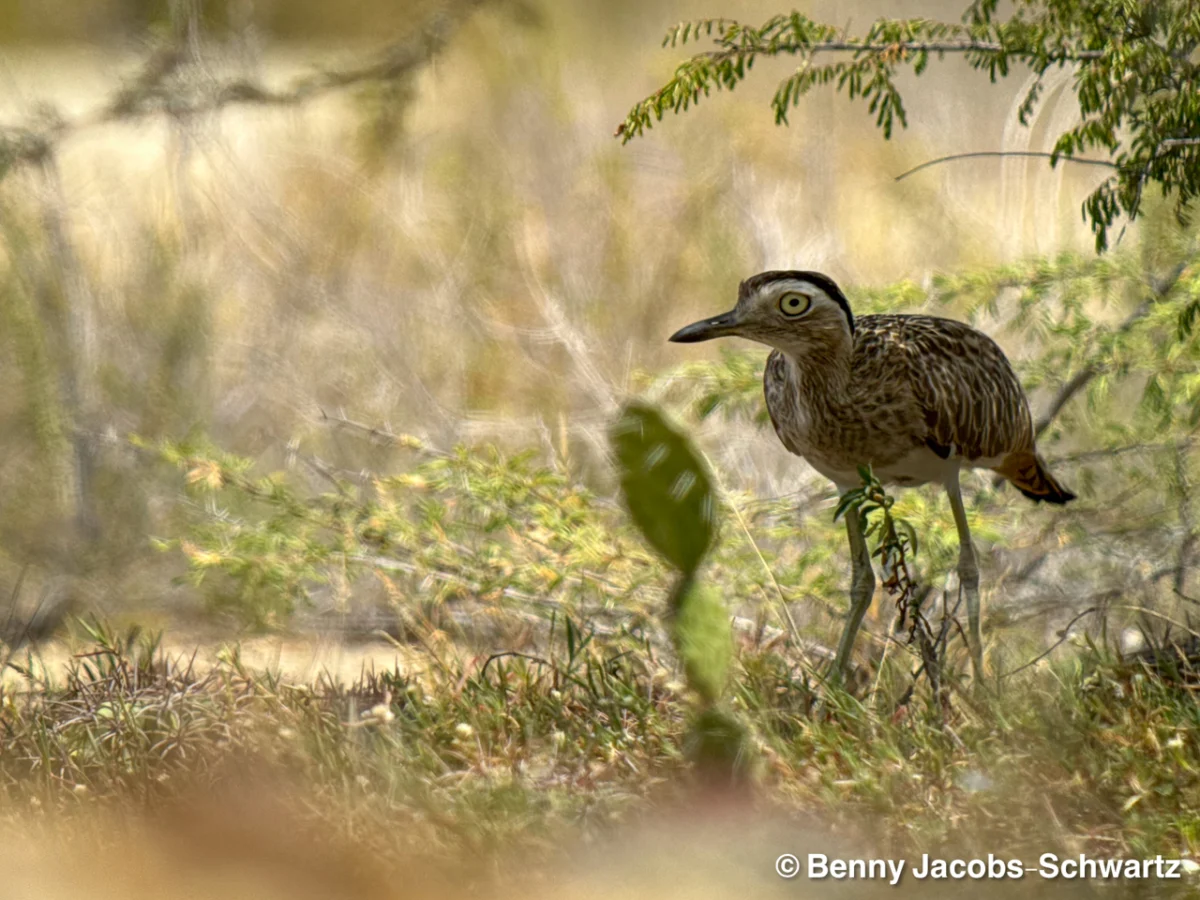
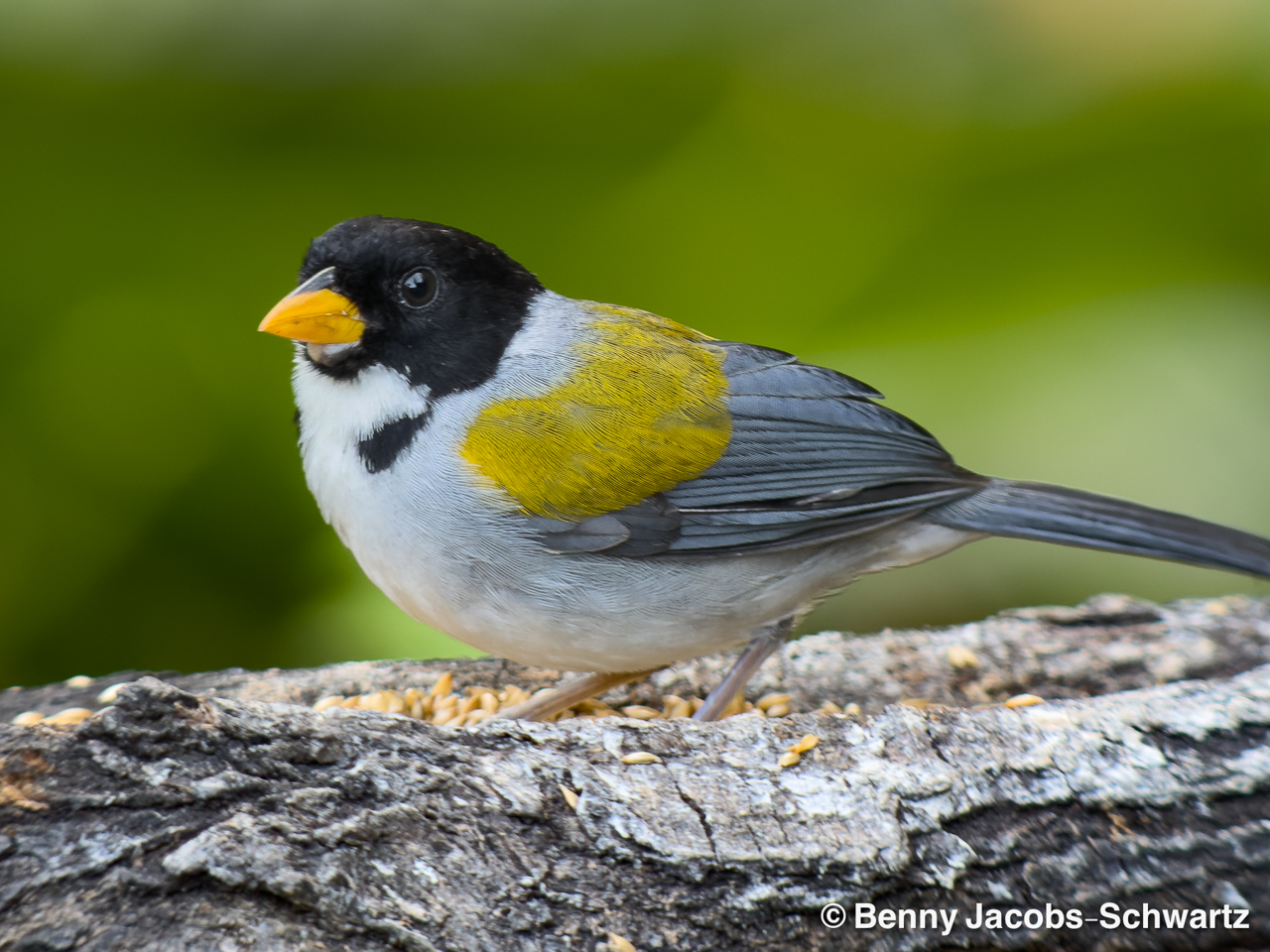
The final morning of birding on April 3, near Riohacha, focused on regional specialties. The group successfully identified the Glaucous Tanager and the White-whiskered Spinetail. The tour concluded with the sighting of the Double-striped Thick-knee, a terrestrial bird of the open plains, before the participants returned to Bogotá for their final departure.
Data Analysis and Conservation Implications
The 2026 expedition recorded a total of 20 endemic species, a testament to the high biological productivity of the route. The data collected during this journey is more than just a list for enthusiasts; it serves as a vital snapshot of species distribution.
Species of High Conservation Concern Observed:
- Sapphire-bellied Hummingbird: Critically Endangered. Found only in a small stretch of the Caribbean coast.
- Black-and-Chestnut Eagle: Endangered. A top predator whose presence indicates a functional food chain.
- Military Macaw: Vulnerable. Requires trans-border conservation efforts.
- Santa Marta Screech-Owl: Endemic with a highly restricted range.
The observation of 64 species in 90 minutes at KM 4 highlights the "bottleneck" effect of high-quality habitat fragments. When small areas of forest or wetland are preserved amidst developed landscapes, they become magnets for biodiversity. However, this also makes the species within them highly vulnerable to localized environmental changes or land development.
The Role of Ecotourism in Regional Stability
Interviews with local guides and lodge operators throughout the tour suggest that birding tourism has become a cornerstone of the local economy in the Santa Marta and La Guajira regions. Following decades of internal conflict in Colombia, the shift toward environmental tourism has provided former agricultural workers and local residents with sustainable alternatives to logging or poaching.
The "Santa Marta Birding Trail" is now a recognized economic corridor. By valuing standing forests and healthy bird populations, local communities have a direct financial incentive to protect their natural heritage. The presence of international groups, such as the one led by Jacobs-Schwartz, provides the necessary capital to maintain private reserves and support community-led conservation initiatives.
Conclusion: A Critical Window for Protection
The findings of the March 2026 expedition reinforce the status of Northern Colombia as a crown jewel of global biodiversity. While the high number of endemic sightings is a cause for celebration among the birding community, it also serves as a reminder of the fragility of these ecosystems.
The successful documentation of the Sapphire-bellied Hummingbird and the Black-and-Chestnut Eagle highlights the urgent need for continued habitat restoration and the expansion of protected corridors between the coast and the high mountains. As climate change begins to shift altitudinal gradients, the birds of Santa Marta—many of which have nowhere else to go—will rely entirely on the preservation of their current habitats.
Professional expeditions like this play a dual role: they satisfy the scientific and aesthetic curiosities of participants while providing the "boots on the ground" data required to advocate for the protection of the world’s most unique avian treasures. The 2026 tour concludes not just with a list of rare sightings, but with a renewed call to safeguard the Sierra Nevada de Santa Marta for future generations of both birds and humans.
