
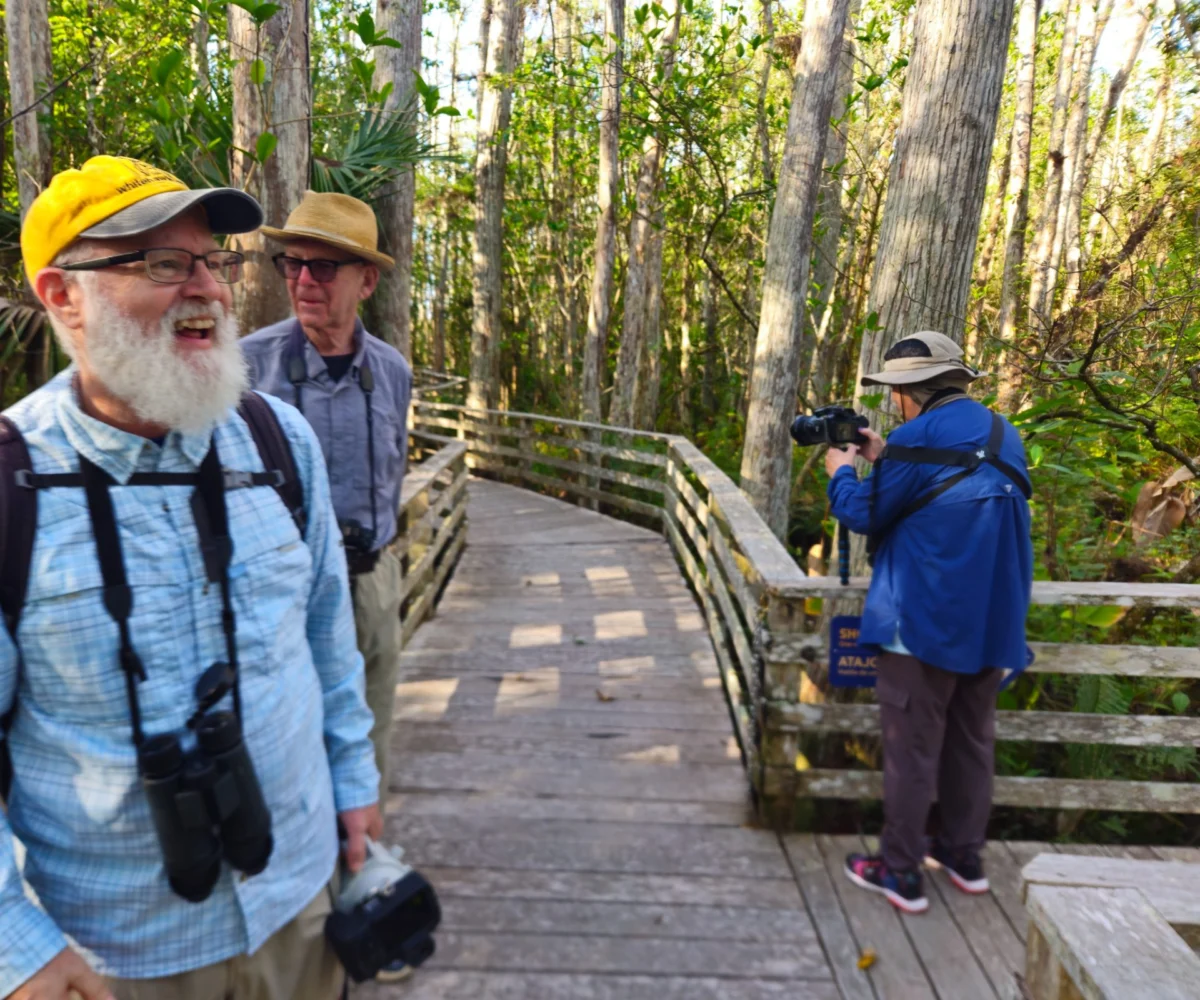
The Florida birding expedition of Spring 2026, led by seasoned ornithologist Joshua Gant, concluded with a comprehensive survey of the state’s most critical avian habitats, ranging from the mangrove swamps of the Gulf Coast to the remote coral islands of the Dry Tortugas. Spanning from March 6 to March 15, the excursion documented a vast array of species, including the state’s only endemic bird, the Florida Scrub Jay, and rare sightings of Caribbean vagrants. The mission served not only as a high-level birding tour but also as an informal assessment of habitat health during a period of notable environmental stress, including a regional drought that influenced bird distribution across the Everglades and southern wetlands.
The Gulf Coast and the Mangrove Frontier
The expedition commenced in Fort Myers, focusing on the J. N. "Ding" Darling National Wildlife Refuge on Sanibel Island. Spanning over 6,000 acres, this refuge protects one of the largest undeveloped mangrove ecosystems in the United States. Named after the pioneer conservationist Jay Norwood "Ding" Darling, the site is a cornerstone of Florida’s coastal preservation efforts. The group utilized the refuge’s famed four-mile Wildlife Drive, which offers a transect through various stages of mangrove development and tidal flats.
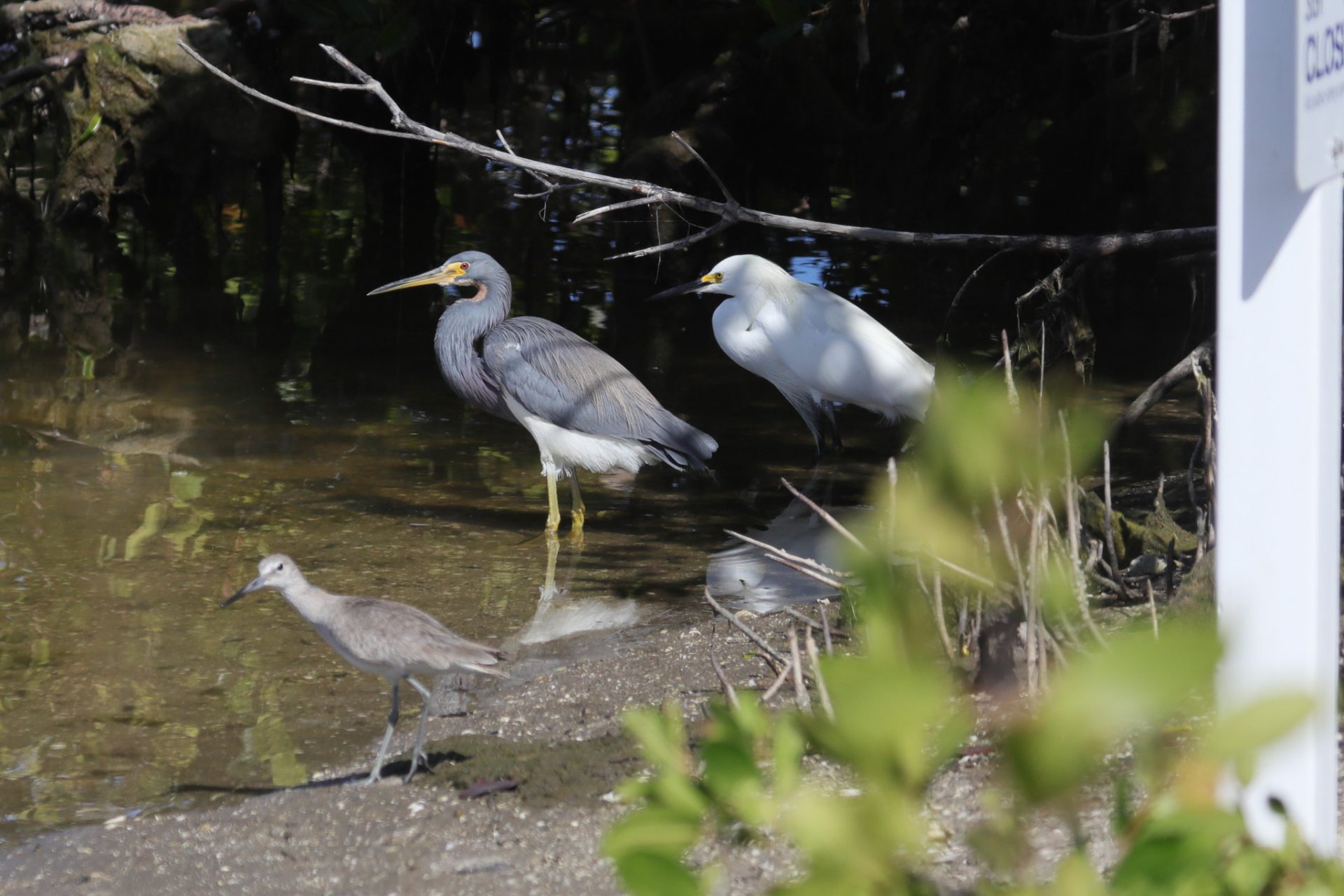
The day’s observations yielded a robust total of 47 species. High-priority targets included the Reddish Egret, known for its erratic "dancing" hunting behavior, and the Florida Boat-tailed Grackle. The American White Pelican, a winter resident that utilizes the refuge’s shallow impoundments, was also documented in significant numbers. Following the morning at the refuge, the team transitioned to the urban-suburban interface of Cape Coral to locate specialized raptors.

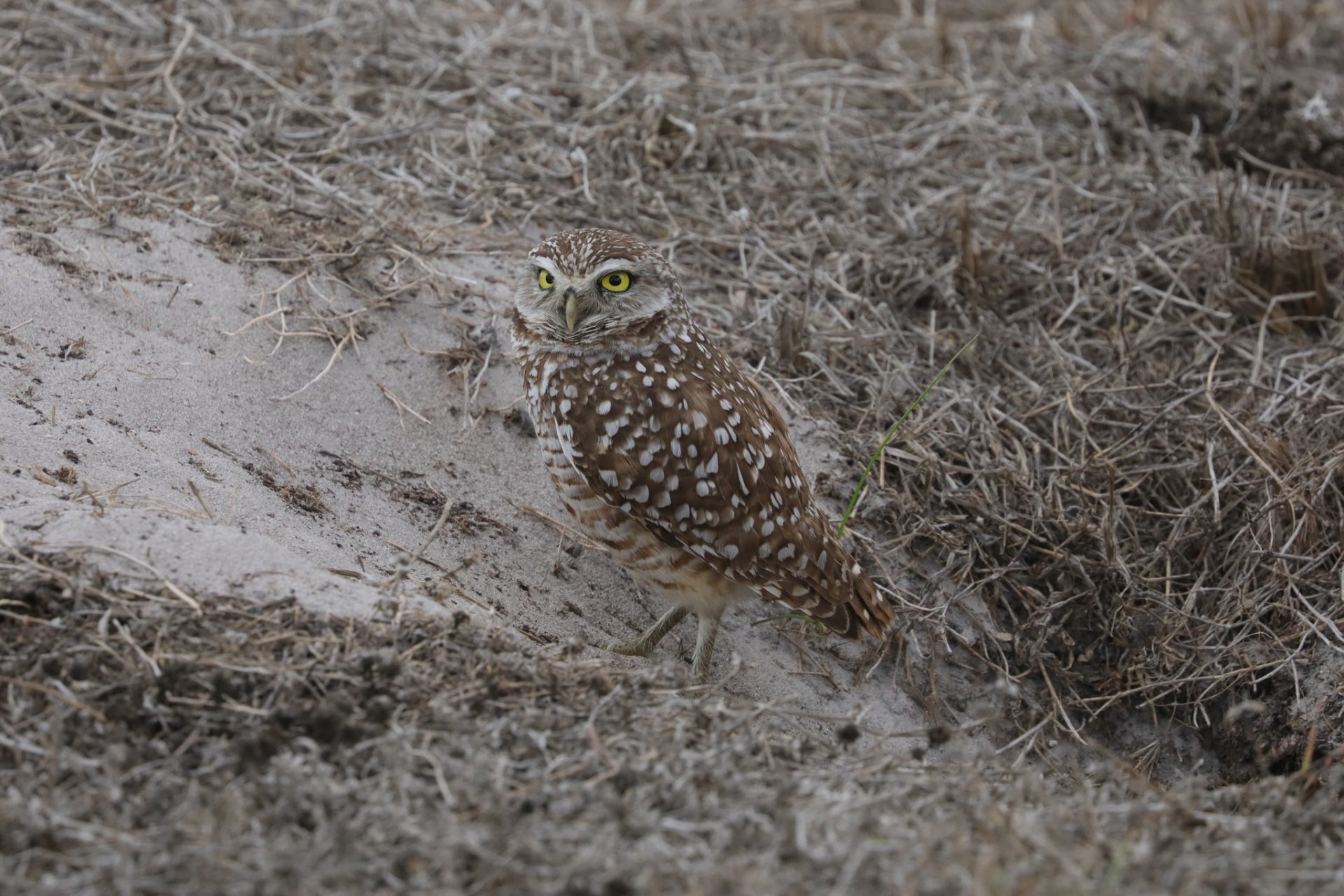
In a small municipal park, the group recorded a light-morph Short-tailed Hawk, a species with a highly restricted range in the United States. This was followed by a successful encounter with the Burrowing Owl, a diminutive species that, in Florida, often nests in residential lots and parks. The owls of Cape Coral are part of a unique population that has adapted to human presence, though they remain a species of special concern due to habitat loss. The team further explored the athletic fields at Pelican Boulevard, which served as a multi-species hotspot for Burrowing Owls, Monk Parakeets (an established exotic species), and Loggerhead Shrikes. The day concluded at the Glover Bight Trail, where a dark-morph Short-tailed Hawk was observed, providing a rare opportunity to compare both color phases of the species in a single day.
Pine Flatwoods and the Inland Scrub Ecosystem
The second phase of the journey took the team inland to the Babcock-Webb Wildlife Management Area (WMA). This region is characterized by pine flatwoods, an ecosystem that once dominated the Southeast but has been drastically reduced by development and agriculture. The primary objective at Babcock was the Red-cockaded Woodpecker, a federally endangered species that requires mature, living pine trees infected with red heart fungus for its nesting cavities. The group successfully located the woodpecker, noting the importance of prescribed fire in maintaining the open understory this species requires.
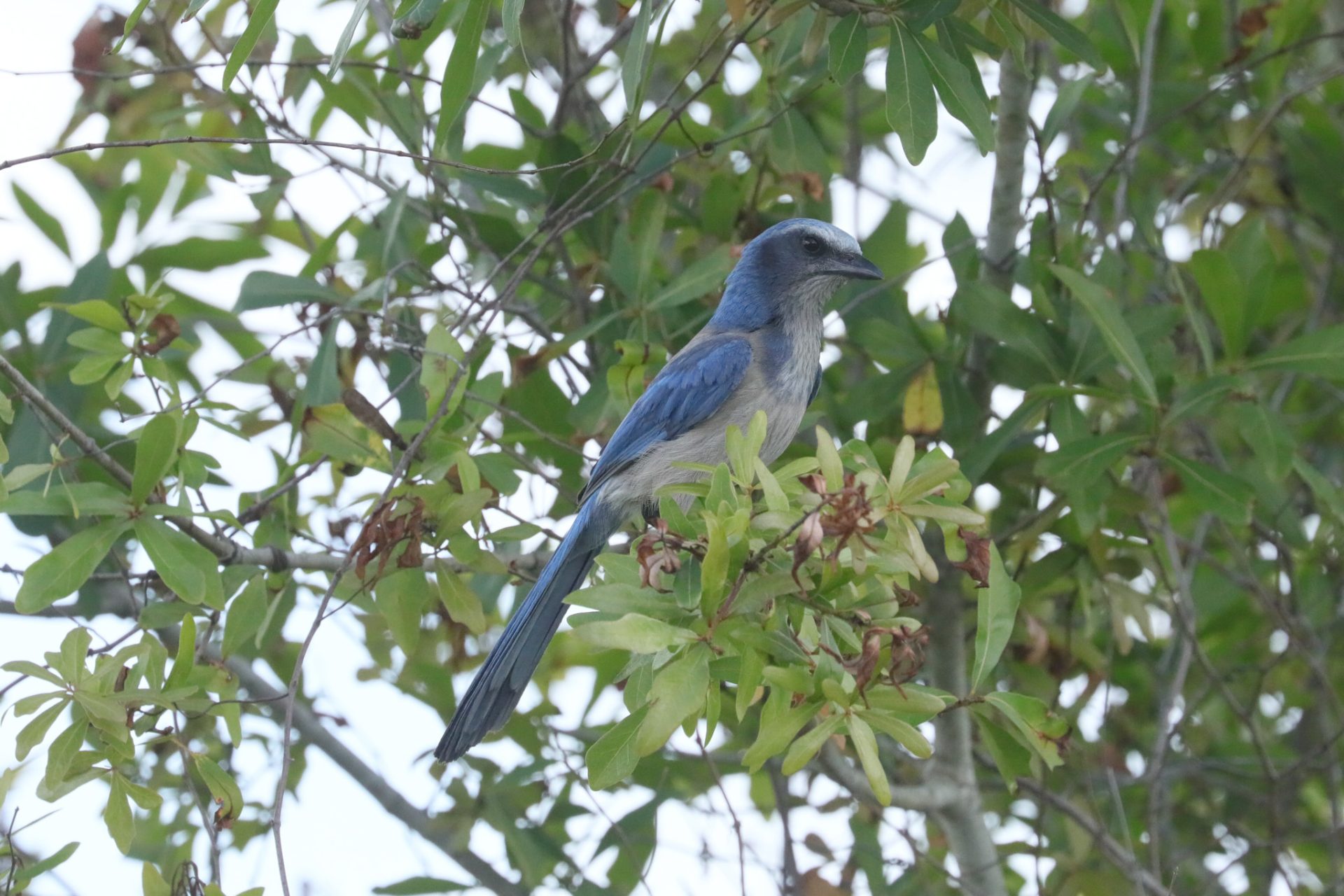
The expedition then moved to Lehigh Acres to locate the Florida Scrub Jay, the only bird species entirely endemic to the state of Florida. The Scrub Jay is a habitat specialist, relying on low-growing scrub oak in well-drained sandy soils. Because these areas are also highly desirable for real estate development, the Scrub Jay has faced severe population declines. The group observed a family group of jays in a patch of undeveloped Oak-Pine forest, highlighting the fragmented nature of their remaining habitat.
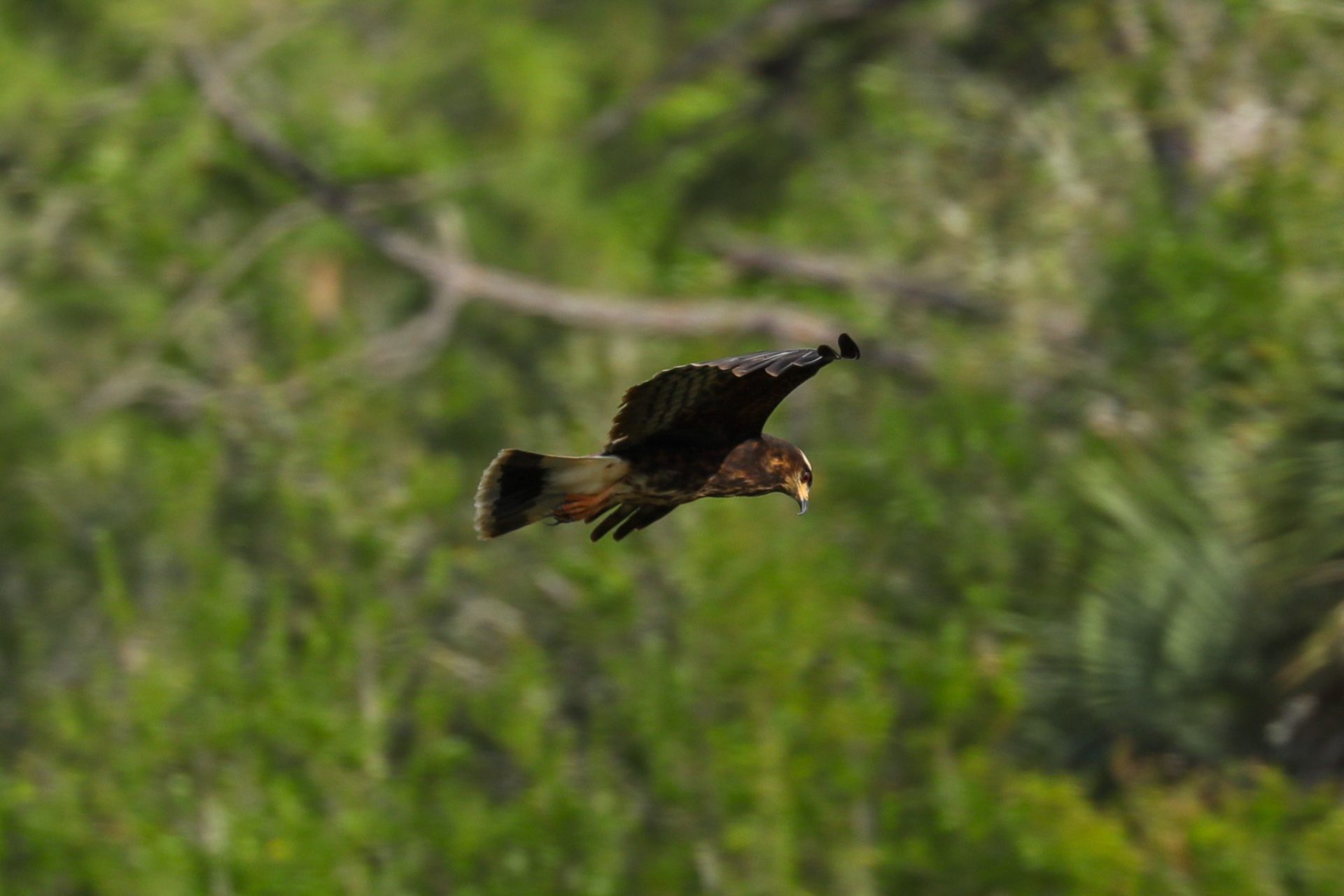
In the afternoon, the team visited Harns Marsh, a 1,200-acre stormwater treatment area that has evolved into a premier wetland habitat. Despite its primary function as water infrastructure, the marsh supports a high density of Snail Kites and Limpkins. Observations included a female Snail Kite, Mottled Ducks, and Blue-winged Teals. A third Short-tailed Hawk—a dark morph—was sighted in the parking lot, marking an unusually high frequency of sightings for this elusive raptor.
The Ancient Cypress and the "River of Grass"
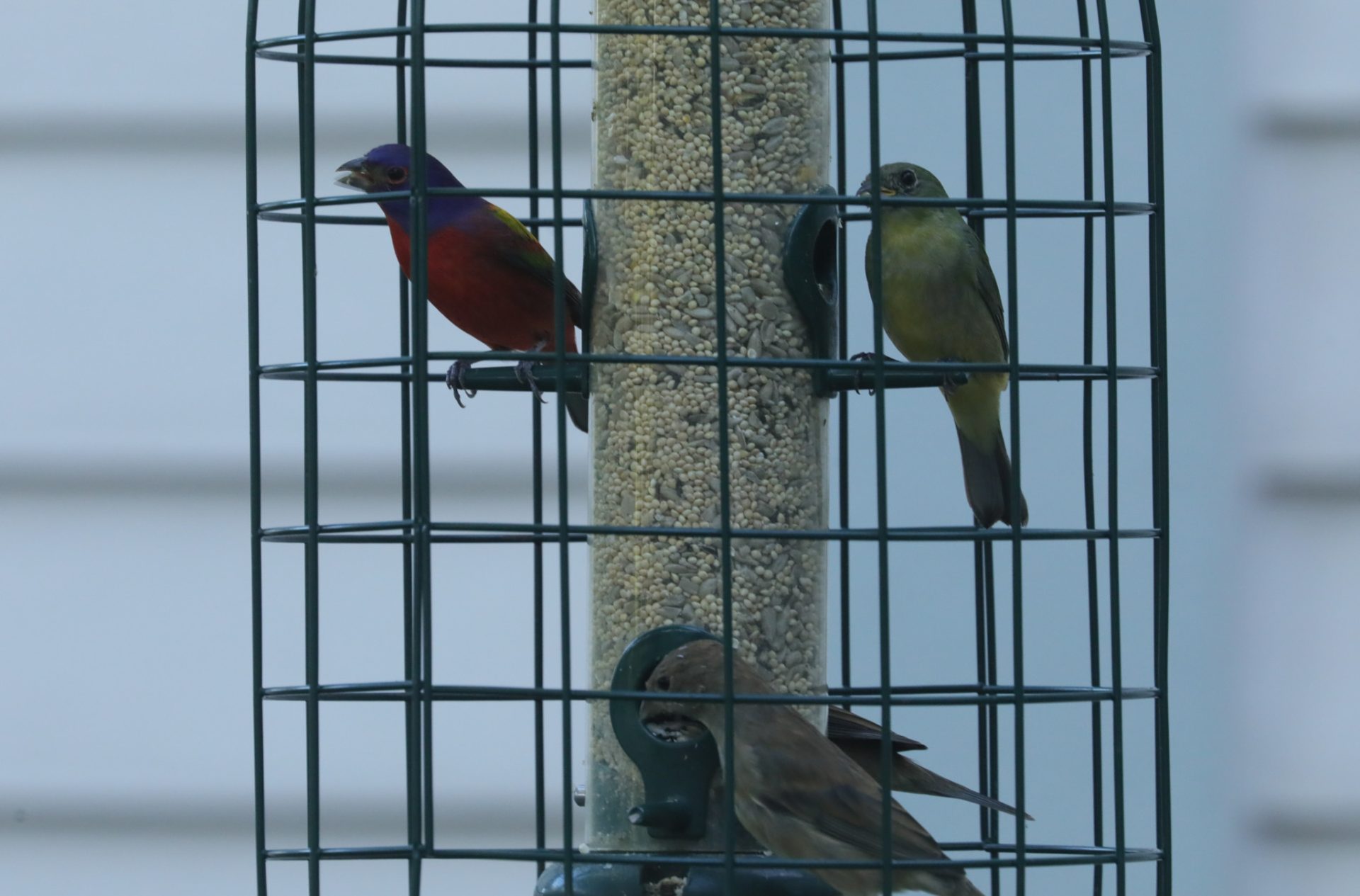
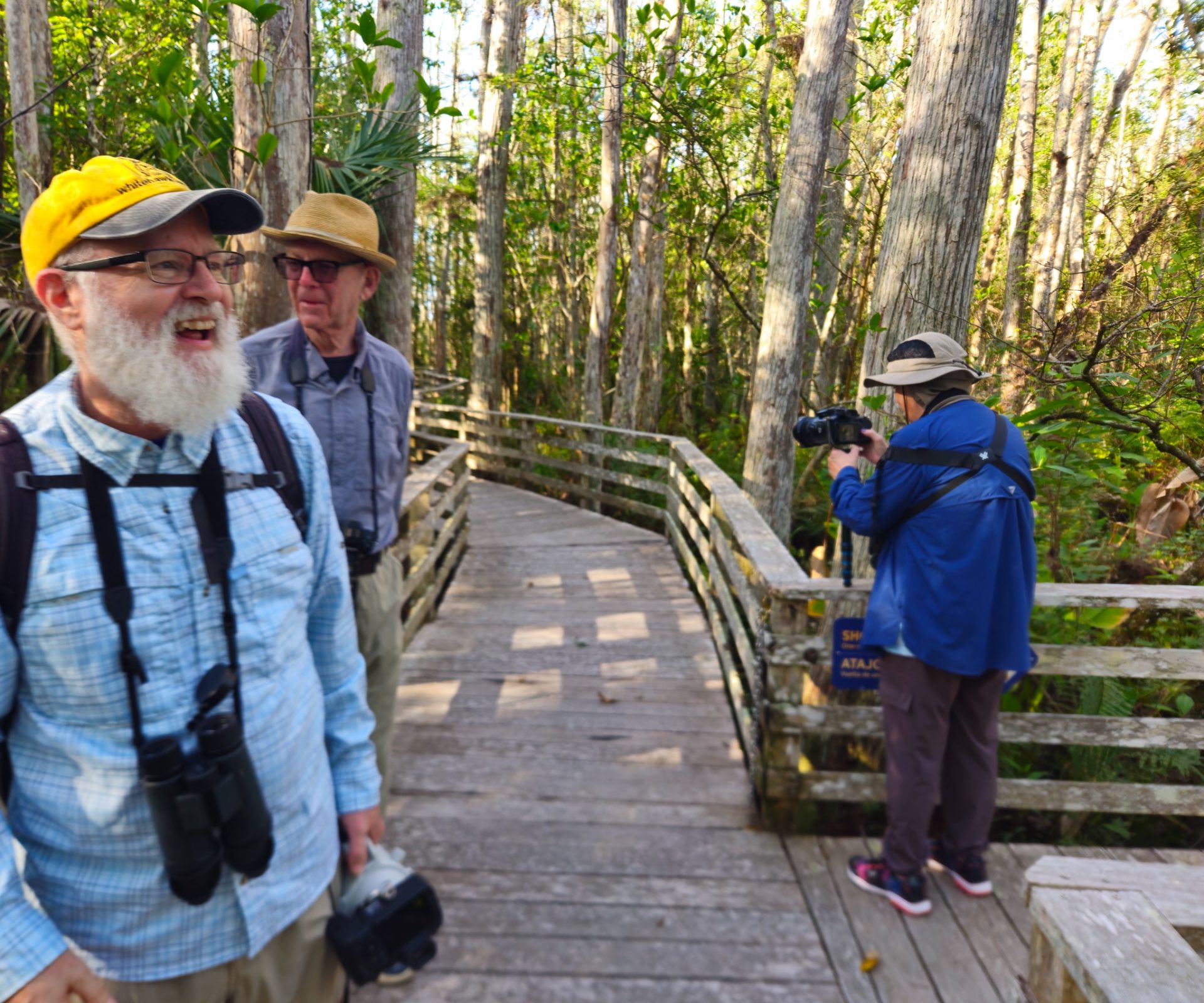
On the third day, the group entered the Audubon Corkscrew Swamp Sanctuary, which protects the largest remaining stand of ancient bald cypress in North America. Managed by the National Audubon Society, the sanctuary provides a critical window into the pre-development Florida landscape. The team recorded 45 species along the boardwalk, including the highly sought-after Painted Bunting. Both male and female buntings were observed at feeders, accompanied by Indigo Buntings and Common Ground Doves.
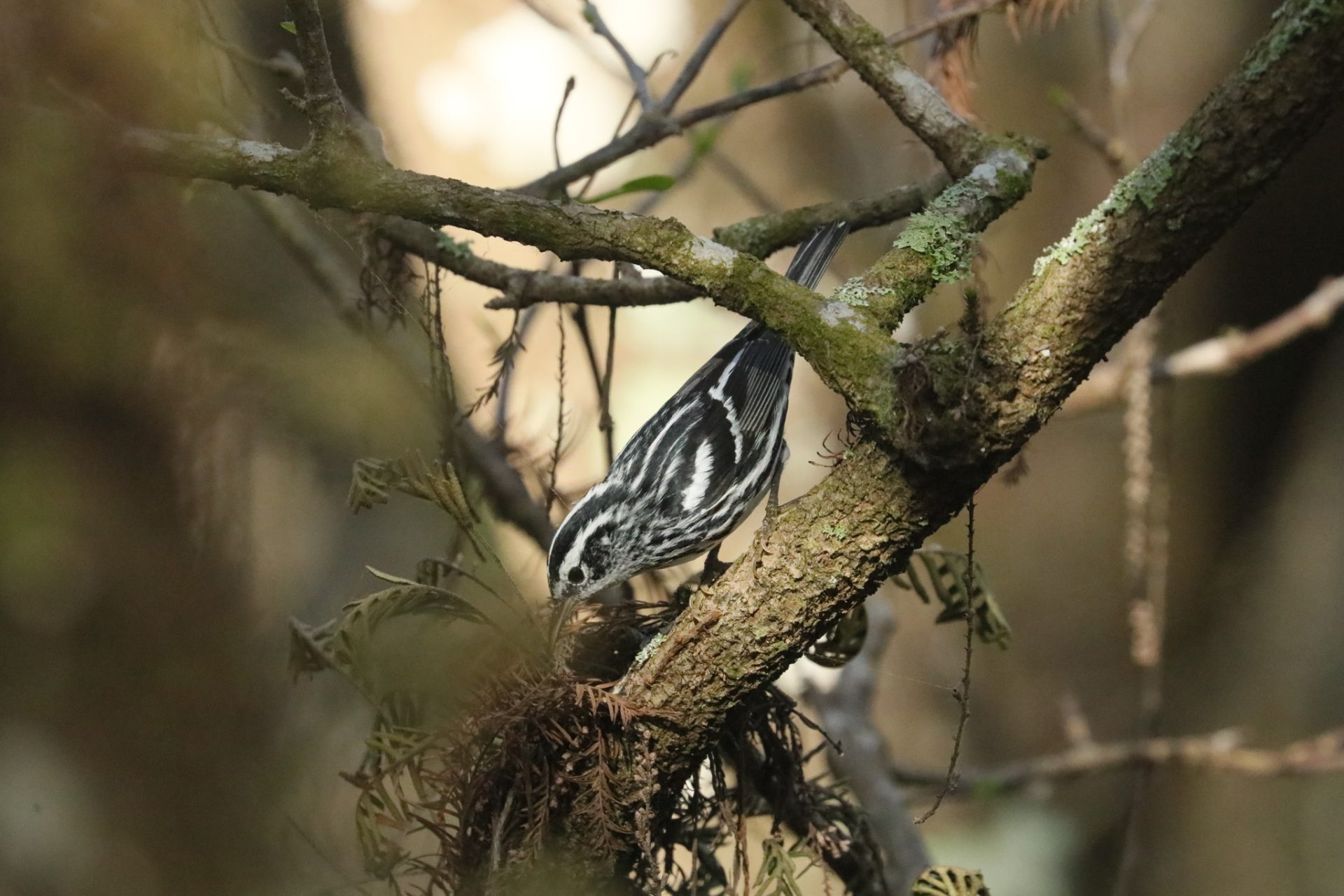
The warbler migration was in its early stages, yet the group managed to identify Black-and-white Warblers, Black-throated Green Warblers, and Northern Parulas. A singing Prothonotary Warbler at the north end of the boardwalk indicated the arrival of breeding birds in the swamp. As the team began their transit south toward the Everglades, they added the Crested Caracara and Common Myna to their list via roadside birding.
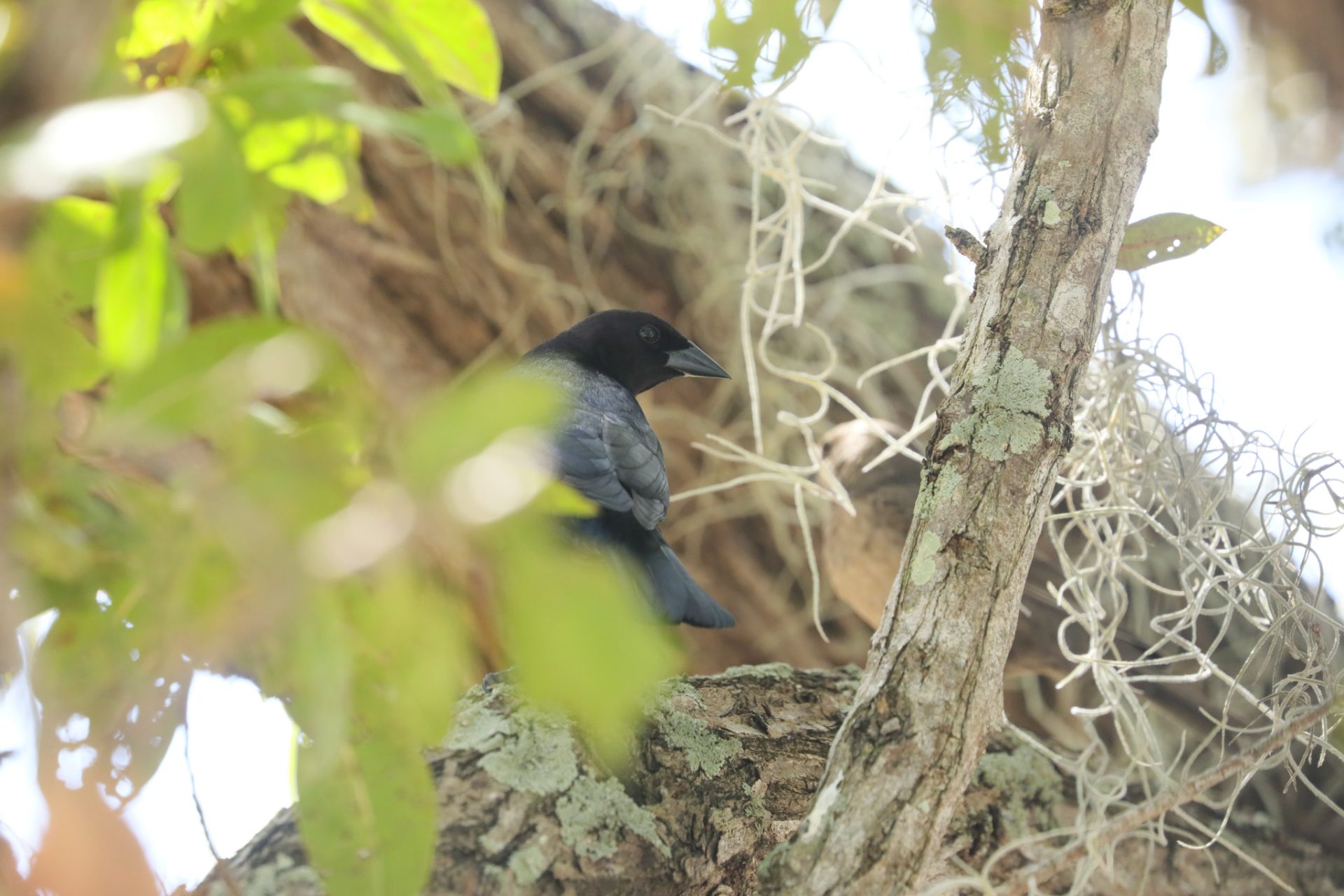
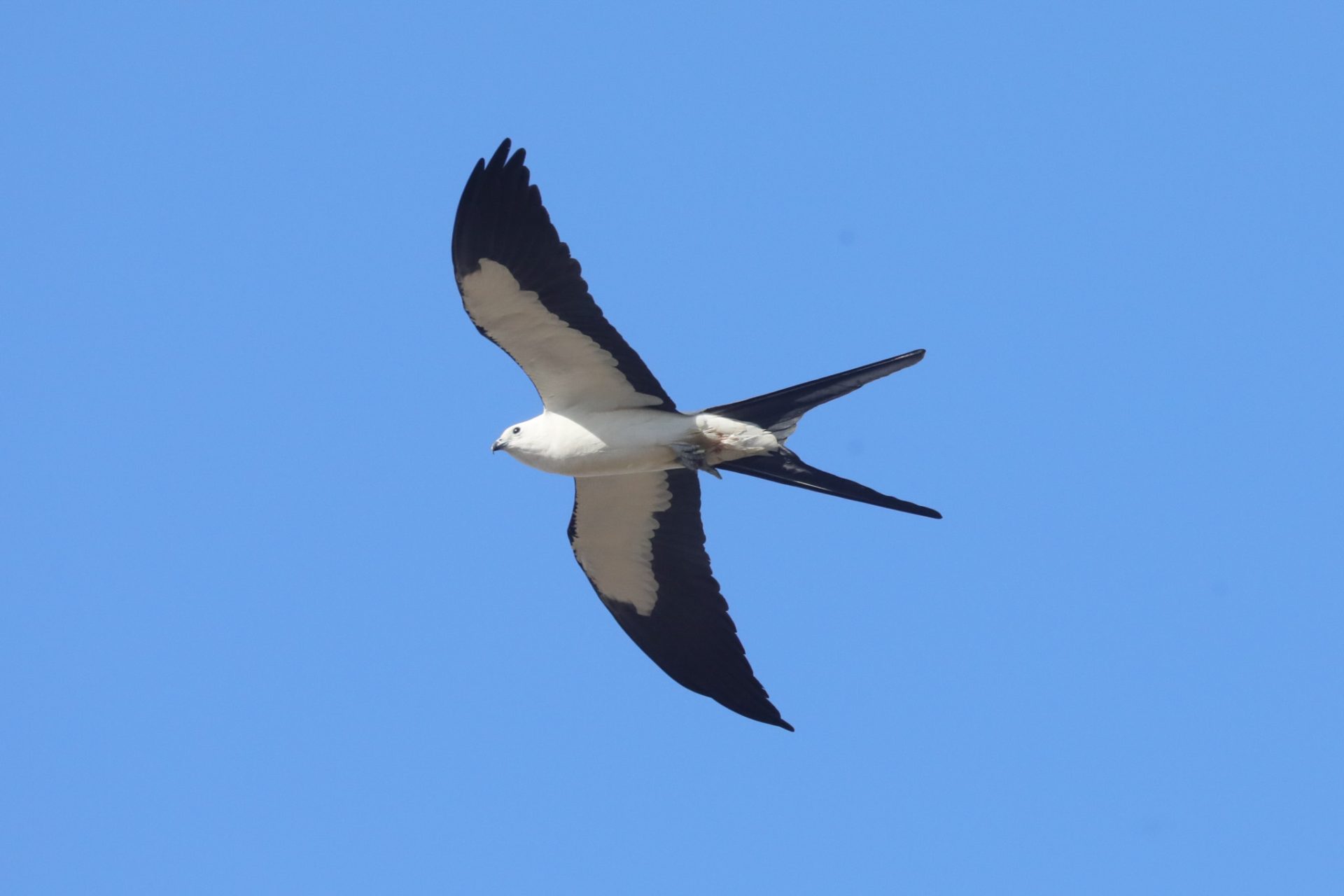
The excursion into Everglades National Park occurred during a period of regional drought. The Everglades is a complex network of subtropical wetlands, often described as a "River of Grass." Lower water levels can concentrate prey for wading birds but can also disrupt the nesting cycles of certain species. At Lucky Hammock, the group documented two White-tailed Kites. Further into the park, sightings included a Barred Owl at Mahogany Hammock, Shiny Cowbirds at the Flamingo Campground, and a "Wurdemann’s" Heron—a hybrid between the Great Blue Heron and the Great White Heron—at East Pond. The day ended at the Flamingo marina, where the group observed a massive American Crocodile, a species that has made a significant recovery in the brackish waters of South Florida.
The Florida Keys and the Dry Tortugas
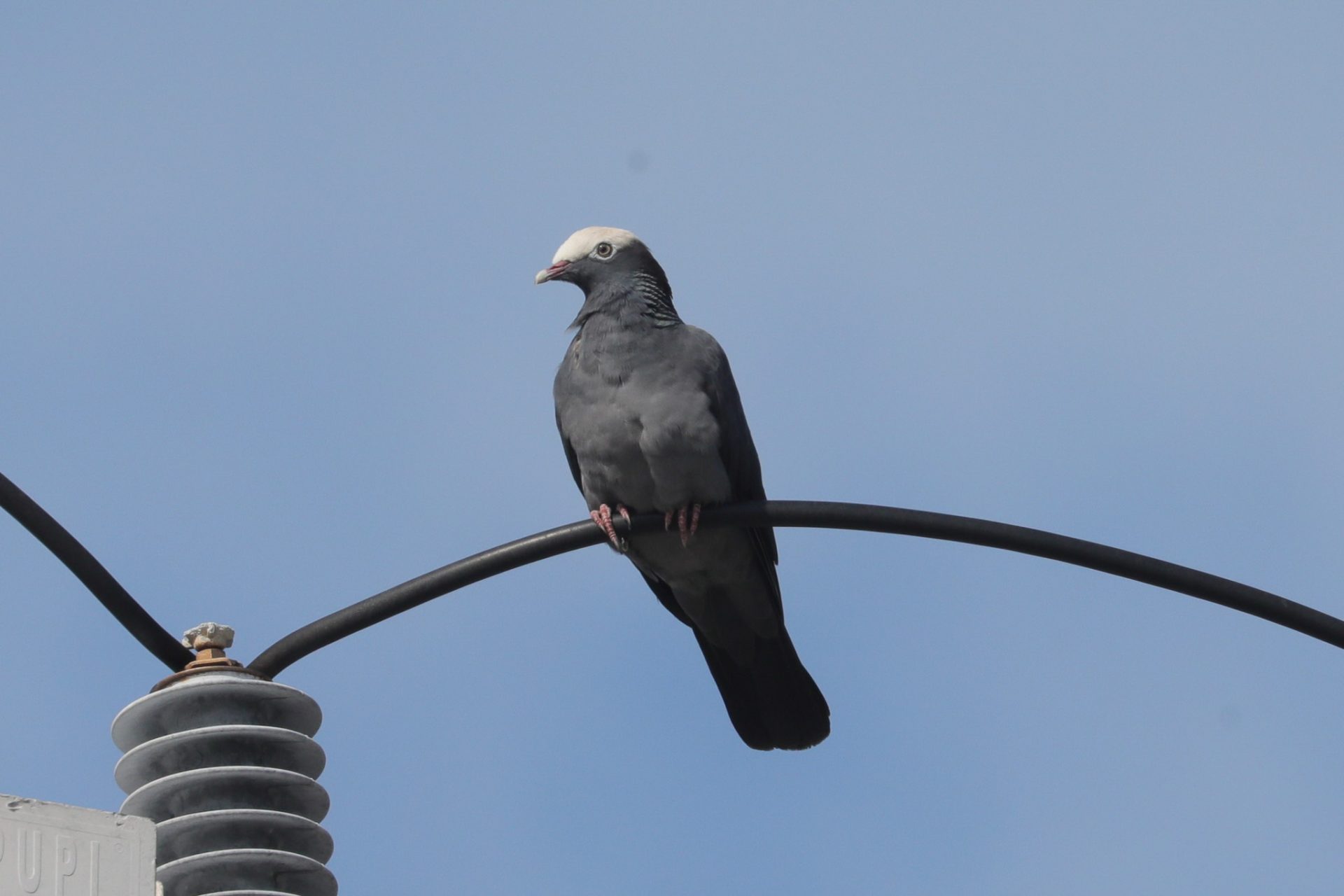
The transition into the Florida Keys offered a shift toward Caribbean-influenced ecology. At various hotspots along the archipelago, the group identified the White-crowned Pigeon, a species that nests on remote keys and feeds on the fruit of poisonwood trees. Migrant species such as Yellow-throated and White-eyed Vireos were also noted.
In Key West, the group documented the "Red Junglefowl," the feral chickens that have become a cultural and biological staple of the island. More importantly, they observed the Great White Heron (the white morph of the Great Blue Heron), which is largely restricted to the shallow waters of the Keys and Florida Bay. The team also focused on lepidoptera, identifying the Florida Duskywing, the Florida Hammock Skipper, and the rare Atala butterfly, whose larvae feed on the native coontie plant.
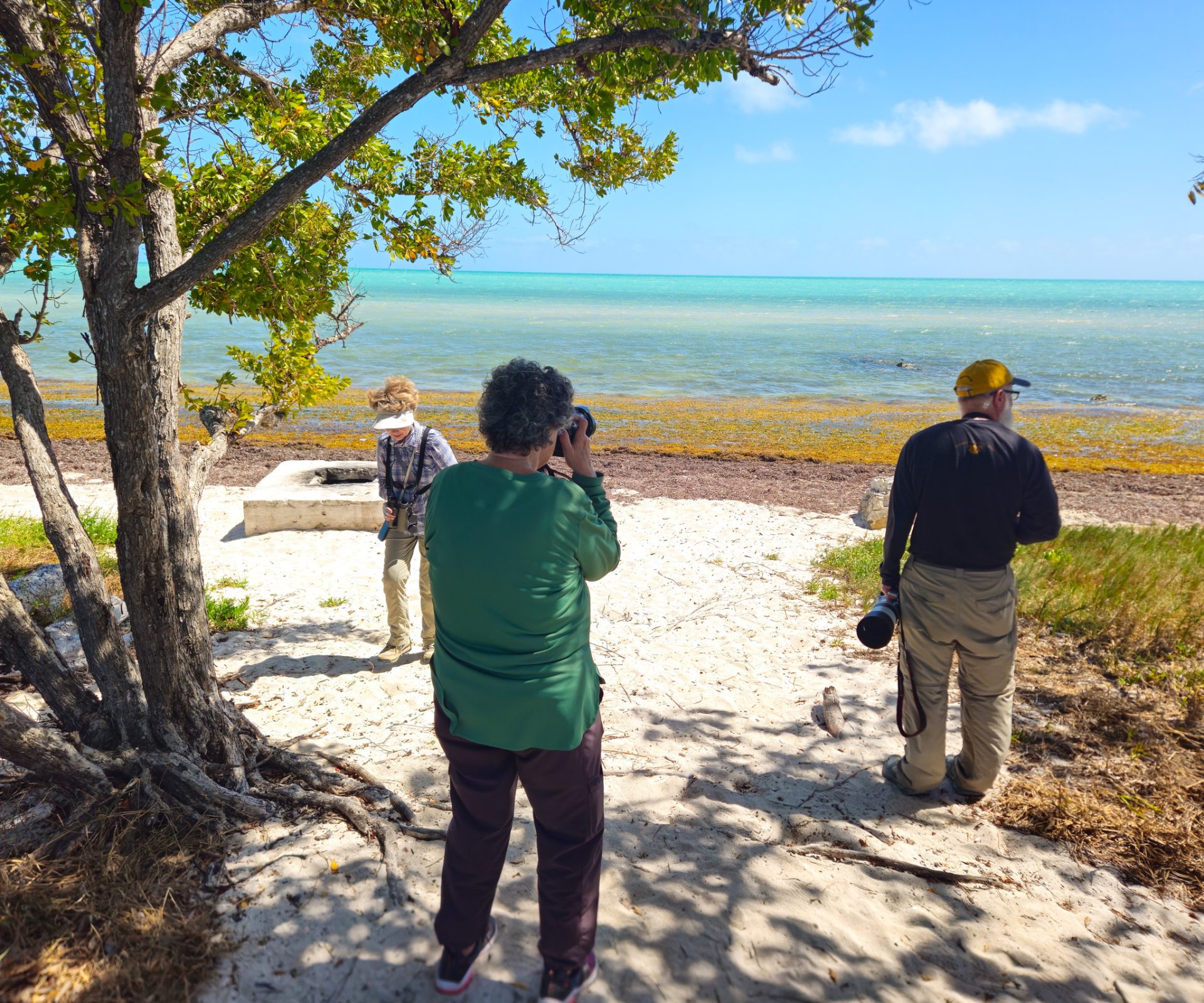
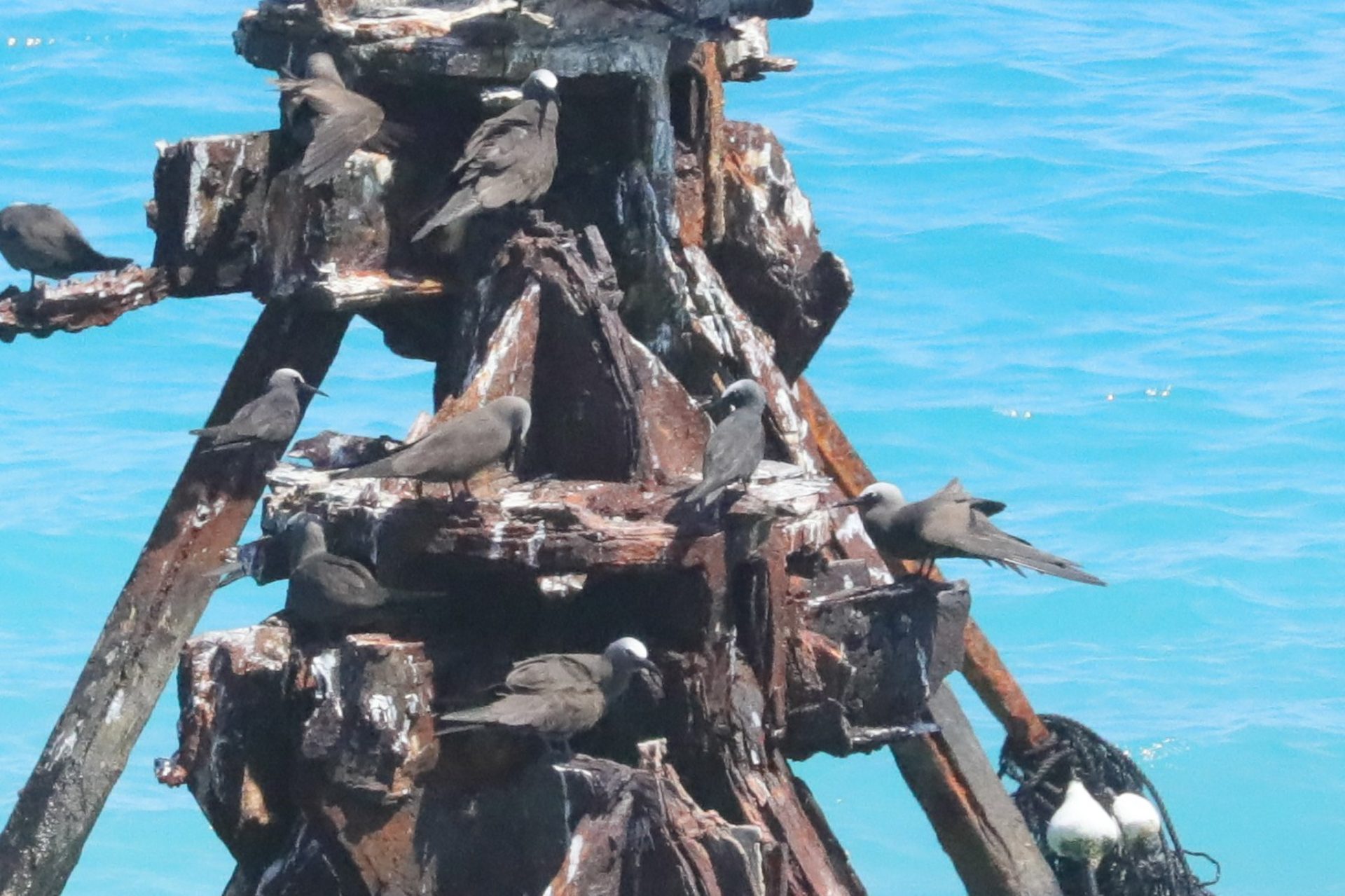
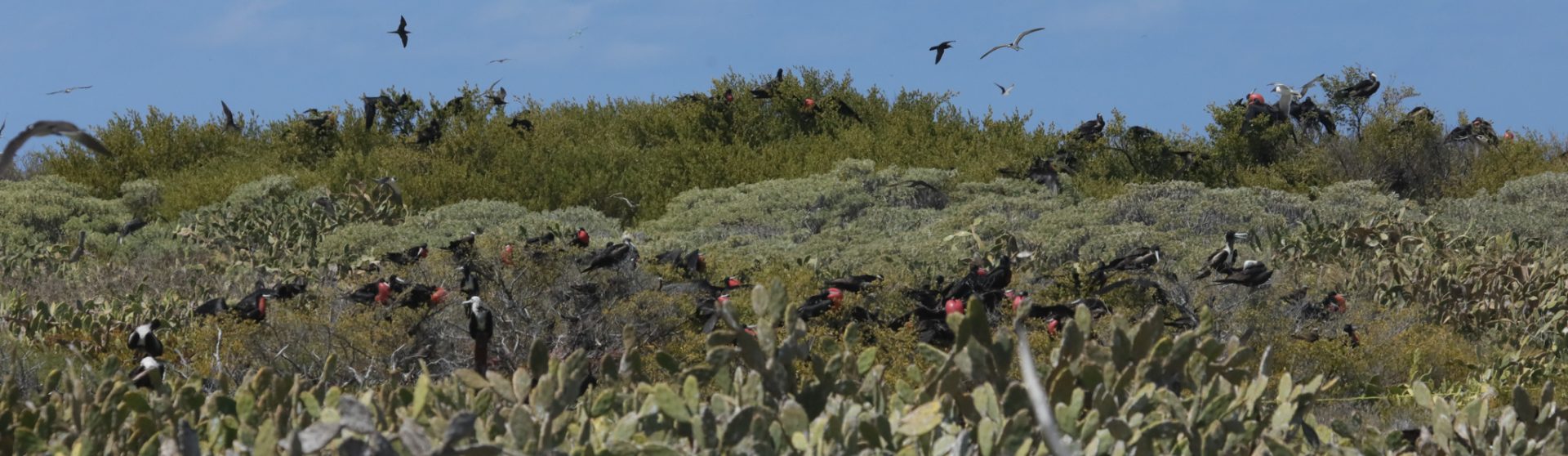
The logistical highlight of the trip was the 70-mile ferry journey to Dry Tortugas National Park. This remote outpost, home to the 19th-century Fort Jefferson, serves as a critical stopover for trans-Gulf migrants. The islands host the only nesting colony of Sooty Terns and Brown Noddies in the continental United States. The group was particularly fortunate to witness the return of Black Noddies, a rare species in the region, allowing for side-by-side comparisons with Brown Noddies. Magnificent Frigatebirds were also observed in full dominance displays, with males inflating their crimson gular pouches. On the return trip, the ferry passed East Key, providing views of the only Masked Booby nesting colony in the U.S.
Conclusion at Wakodahatchee
The final leg of the trip involved a return to the mainland, with a stop at Pinewoods Park to observe the Scaly-breasted Munia, an introduced species from Asia that has established a breeding population in Florida. The expedition concluded at the Wakodahatchee Wetlands in Delray Beach.
Wakodahatchee is a landmark example of environmental engineering; it is a constructed wetland that uses reclaimed water from a nearby wastewater treatment plant to create a thriving ecosystem. The site has become a world-renowned destination for bird photography due to the proximity of nesting Wood Storks, Anhingas, and Great Egrets. The success of Wakodahatchee and similar sites like Green Cay highlights a growing trend in Florida where infrastructure and conservation goals are aligned to provide "islands" of habitat in an increasingly urbanized state.

The Spring 2026 trip report underscores the dual nature of Florida’s current avian landscape. While the state remains a premier destination for biodiversity, the reliance on managed lands—such as National Wildlife Refuges, Audubon sanctuaries, and reclaimed wetlands—is more pronounced than ever. The documentation of rare species like the Black Noddy and the Florida Scrub Jay serves as a reminder of the unique ecological niche Florida occupies as a bridge between temperate North America and the tropical Caribbean. The data collected by Joshua Gant and his team contributes to the ongoing monitoring of these species, providing valuable insights into how Florida’s birds are responding to both seasonal shifts and long-term environmental changes.
