
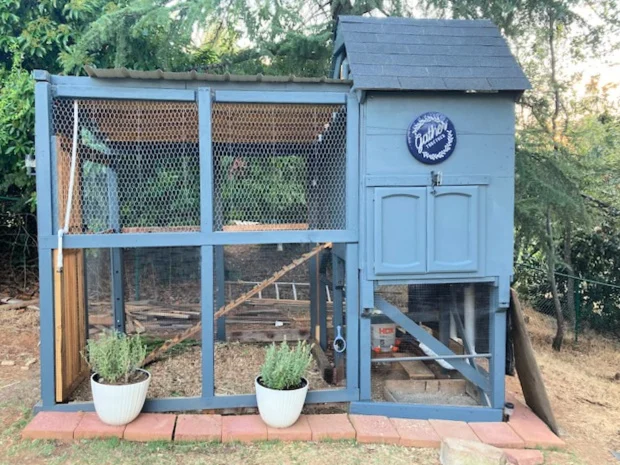
The escalating costs of traditional agriculture and the rising prices of poultry products have driven a significant surge in backyard chicken keeping across the United States. While the initial investment for a high-quality chicken coop can often exceed $1,000 to $3,000 for pre-fabricated models, a growing movement of resourceful homeowners is turning toward architectural upcycling. A recent case study involving a family in Redding, California, highlights the viability of converting existing structures, such as children’s playhouses, into fully functional "chicken mansions" for a fraction of the retail cost. By utilizing salvaged materials and family labor, the Redding family successfully completed a conversion for approximately $300, illustrating a broader trend toward sustainable, low-cost food production and hands-on agricultural education.

The Economic Context of Backyard Poultry
The shift toward backyard flocks is not merely a hobbyist trend but a response to economic volatility within the commercial egg industry. Between 2022 and 2024, egg prices saw historic fluctuations due to supply chain disruptions and outbreaks of Highly Pathogenic Avian Influenza (HPAI). According to data from the U.S. Bureau of Labor Statistics, the Consumer Price Index for eggs has remained a point of concern for many households, prompting a "homesteading" resurgence.

However, the barrier to entry for many aspiring poultry keepers is the infrastructure cost. A durable coop must provide protection from predators, adequate ventilation, and weatherproofing. When purchased from specialized retailers, these structures represent a significant capital outlay. The Redding case study demonstrates that by repurposing an old playhouse—a structure that often outlives its original purpose as children grow—families can bypass the most expensive aspect of poultry ownership.

Chronology of a Conversion: From Playhouse to Coop
The conversion process undertaken by the Redding family serves as a blueprint for efficient upcycling. The project began with the evaluation of a standard wooden playhouse that had been used by the family’s children—Mya, Ezra, Eden Rose, and Joel—for several years. As the children aged, the structure became a candidate for removal or repurposing.

Phase One: Material Sourcing and Scrapping
The primary objective was to minimize expenses through the use of "scraps, and odds and ends." The family engaged in a systematic search for discarded building materials. They successfully acquired cabinet pieces, an old closet door, and various wood scraps. Community networking played a vital role, as friends provided tin roofing pieces and roof tiles free of charge. This phase emphasizes the importance of the circular economy, where waste from one project becomes the primary resource for another.

Phase Two: Structural Modification
The conversion required modifying the playhouse to meet the biological needs of chickens. This included the installation of nesting boxes and roosting bars. A notable innovation in this specific project was the repurposing of cabinet doors to create access points for cleaning and egg collection. The use of a hinged storage box, originally intended for pool supplies, was transformed into a specialized brooder box for young chicks. This modification allowed for a controlled environment during the birds’ most vulnerable developmental stages.

Phase Three: Aesthetics and Integration
To ensure the new structure complemented the existing property, the family and local friends collaborated on a painting project. The coop was painted to match the primary residence, a strategy often used in suburban areas to maintain property values and adhere to neighborhood aesthetic standards. This phase transitioned the project from a functional utility building to a cohesive part of the home’s landscape.

Educational and Developmental Implications
Beyond the economic savings of $300 versus a multi-thousand-dollar investment, the Redding project underscores the educational value of involving children in agricultural production. The family’s four children were integral to the construction and the subsequent biological management of the flock.

The Hatching Process and Biological Responsibility
The family attempted to hatch their own chicks, a process that involves significant technical oversight. Ezra, aged 12, took on the responsibility of turning the eggs three times daily—a task essential for embryonic development. Although only two Barred Rock chicks successfully hatched from the initial eight eggs, the experience provided a firsthand lesson in the complexities of life cycles and the "labor of love" required in animal husbandry.

The emotional impact of the failed hatches led the family to supplement their flock with additional chicks, illustrating the resilience required in farming. The children’s engagement with the birds—utilizing unconventional tools like a Dollar Tree mirror for chick enrichment and a feather duster to simulate the warmth of a mother hen—demonstrates a high level of empathy and problem-solving.

Technical Analysis of Upcycled Infrastructure
From a journalistic and architectural perspective, converting a playhouse is often superior to building from scratch or using "kit" coops sold at big-box stores. Kit coops are frequently criticized by poultry experts for using thin, "flimsy" wood that is susceptible to rot and predator intrusion. In contrast, most children’s playhouses are built with standard 2×4 framing and thicker siding, providing a more robust skeletal structure.

Predator Proofing and Safety
A critical component of the Redding conversion was ensuring the chickens remained safe from local predators. By using a solid-walled structure like a playhouse, the family started with a base that is naturally more secure than wire-heavy designs. The addition of salvaged tin roofing provided an extra layer of protection against climbing predators such as raccoons or birds of prey.

Ventilation and Climate Control
Playhouses often feature windows, which are essential for the cross-ventilation required to prevent respiratory issues in chickens. In the Redding project, the use of a closet door and repurposed cabinet doors allowed for customizable airflow, which is particularly important in the California climate where summer temperatures can reach extremes.

Broader Impact and Market Trends
The Redding story is reflective of a larger national movement documented by experts like Lisa Steele, a fifth-generation chicken keeping expert and author of Fresh Eggs Daily. Steele, who shared the Redding family’s progress, advocates for "natural, old-timers’ methods" that prioritize sustainability and animal welfare over expensive, high-tech solutions.

The Rise of the "Free-Cycle" Coop
The project encourages prospective poultry keepers to monitor local marketplaces, such as Facebook Marketplace or Craigslist, for free or low-cost structures. As children outgrow playhouses, these structures are often offered for free to anyone capable of hauling them away. This "free-cycle" model reduces the burden on local landfills and provides a low-cost entry point for urban and suburban farming.

Food Security and Community Resilience
Small-scale poultry operations contribute to localized food security. While the Redding family noted that their hens’ laying had slowed down, the infrastructure remains in place for a new cycle of chicks each spring. This creates a sustainable loop of food production that is insulated from national supply chain shocks. Furthermore, the involvement of neighbors in the painting and material donation phases suggests that backyard farming can serve as a catalyst for community bonding.

Conclusion: A Model for Sustainable Living
The conversion of a $300 "chicken mansion" in Redding, California, serves as a compelling argument for the intersection of DIY craftsmanship and modern agriculture. It proves that the "largest expense" of starting a backyard flock—the coop—can be mitigated through creativity and community cooperation.

As more families look for ways to reduce their carbon footprint and gain autonomy over their food sources, the repurposing of existing outbuildings offers a practical and economically sound path forward. The Redding project stands as a testament to the fact that with "elbow grease and scraps," a discarded playhouse can become a vital piece of agricultural infrastructure, providing both sustenance for the table and invaluable life lessons for the next generation. This model of upcycling is likely to become a standard practice as the "homesteading lite" movement continues to integrate into mainstream American life.
