
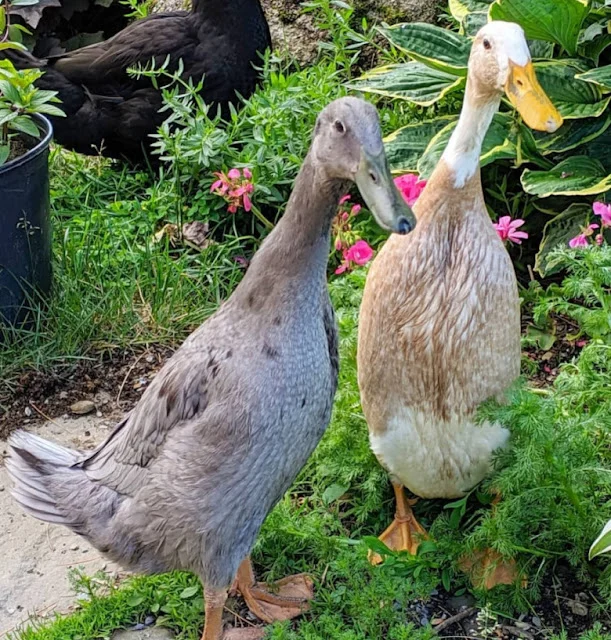
The Indian Runner duck (Anas platyrhynchos domesticus) represents one of the most distinctive and evolutionarily specialized breeds within the poultry world. Characterized by an extraordinary upright posture that mimics the vertical gait of a human, these birds have transitioned from ancient biological pest controllers in Southeast Asian rice paddies to essential assets in modern sustainable agriculture and domestic husbandry. Unlike the traditional waddling gait associated with most waterfowl, the Indian Runner is defined by its ability to move with rapid, linear efficiency—a trait that has earned it a unique place in both historical records and contemporary livestock conservation.

Historical Evolution and Geographical Origins
The lineage of the Indian Runner duck is deeply rooted in the maritime and agricultural history of Southeast Asia, specifically within the regions now known as Indonesia and Malaysia. Archaeological evidence, including stone carvings found in Java, suggests that ducks with this distinct vertical silhouette have existed for over 2,000 years. While they share a common ancestor with nearly all domestic ducks—the wild Mallard—the Indian Runner diverged through centuries of selective breeding focused on mobility and foraging utility.
For hundreds of years, these ducks were an integral component of the "duck-rice" symbiotic farming system. Farmers in the East Indies bred the birds to be agile enough to navigate flooded rice fields without damaging the young plants. The ducks were herded in large flocks from their nocturnal enclosures to the fields every morning. This daily "commute" required a bird that could walk or run long distances rather than waddle slowly. Consequently, the birds with the most upright carriage and strongest legs were selected for breeding, eventually resulting in the modern "bowling pin" morphology.

The breed’s introduction to the Western world occurred in the mid-19th century. Ships traveling trade routes between Asia and Europe brought specimens to the United Kingdom around the 1830s. Their arrival sparked immediate interest among naturalists and poultry enthusiasts. Notably, Charles Darwin, the architect of the theory of evolution, was captivated by the breed, famously referring to them as "penguin ducks" due to their unusual stance. By the late 1800s, the breed had crossed the Atlantic to the United States, where it was officially recognized by the American Poultry Association (APA) in 1898.
Anatomical Profile and Physiological Characteristics
The most striking feature of the Indian Runner duck is its skeletal structure and leg placement. In most duck breeds, the legs are positioned centrally under the body to facilitate swimming and provide stability for a horizontal carriage. In contrast, the legs of the Indian Runner are set significantly further back toward the tail. This anatomical shift forces the bird’s spine into a vertical orientation, typically held at an angle between 50 and 80 degrees, though they may stand at a full 90 degrees when alert.

Weight and Dimensions
Classified as a "light" breed, Indian Runners are built for speed and endurance rather than meat production.
- Average Weight: Adult drakes (males) typically weigh between 3.5 and 5 pounds (1.6 to 2.3 kg), while ducks (females) weigh between 3 and 4.5 pounds (1.4 to 2 kg).
- Height: They stand approximately 24 to 30 inches tall, making them significantly taller in appearance than heavier breeds like the Pekin or Rouen.
- Wing Structure: Like most domestic ducks, they possess small wings relative to their body mass and are incapable of sustained flight. However, their ability to run is unparalleled in the waterfowl world.
Color Varieties and Standards
The Indian Runner holds the distinction of possessing the widest variety of recognized colorations of any duck breed. Currently, there are 16 distinct color varieties. These include:

- Solid Colors: White, Black, Chocolate (Brown), and Blue (Gray).
- Patterned Varieties: Fawn and White, Penciled, Trout, and Mallard-style markings.
- Rarity: Apricot and Silver variations are often sought after by exhibition breeders for their unique aesthetic appeal.
Agricultural Utility and Pest Management
Beyond their aesthetic appeal, Indian Runner ducks are increasingly recognized as a vital tool in Integrated Pest Management (IPM). Their historical role as "paddy ducks" has translated seamlessly into modern organic farming and viticulture.
Vineyard and Orchard Integration
In regions such as the Western Cape of South Africa and various wine-growing districts in California and Europe, vineyards employ "armies" of Runner ducks to maintain crop health. For instance, the Vergenoegd Löw Wine Estate in South Africa famously utilizes a flock of over 1,000 Indian Runners to patrol their vines. These ducks are highly efficient at locating and consuming white dune snails and various slugs that would otherwise devastate the grape harvest.

The advantages of using Indian Runners over chemical pesticides are manifold:
- Reduction in Toxicity: Farmers can eliminate or significantly reduce the use of molluscicides, which can have harmful runoff effects on local water tables.
- Natural Fertilization: As the ducks forage, they distribute manure across the fields, providing a slow-release, nitrogen-rich fertilizer.
- Soil Aeration: While they do not scratch the soil like chickens, their constant movement helps lightly aerate the surface without damaging the root systems of the crops.
Egg Production Metrics
While often kept for pest control or show, Indian Runners are prolific egg layers, rivaling some of the best chicken breeds. A healthy female can produce between 180 and 250 eggs per year. The eggs are typically medium to large, weighing roughly 70 to 80 grams, and vary in color from pearlescent white to a pale, minty blue-green. Unlike chickens, ducks tend to lay their eggs consistently through the winter months, provided they have adequate caloric intake and protection from extreme elements.

Temperament and Behavioral Dynamics
The Indian Runner duck is characterized by a high-energy, inquisitive, and generally docile temperament. They are highly social animals that thrive in a flock environment. Unlike heavier breeds that may spend much of their day lounging near water, Runners are perpetually active, spending the majority of daylight hours foraging.
Social Structure and Interaction
Runners are known for being more skittish than "meat" breeds like the Muscovy. They possess a strong flocking instinct; when startled, the entire group will move as a single unit, running in a tight formation. While they can be wary of strangers, birds raised from ducklings and handled frequently can become quite personable, often following their keepers across a property in anticipation of treats or tasks.

Maternal Instincts and Breeding
Historically, Indian Runners were bred for "work" rather than "mothering." Because farmers collected their eggs daily in the rice paddies, the instinct to sit on a nest (broodiness) was largely bred out of the population. Consequently, most modern Runners are poor sitters. If a flock owner intends to hatch ducklings, an incubator or a "broody" hen of another breed is typically required.
However, anecdotal evidence from long-term keepers suggests that environmental stability can occasionally trigger dormant maternal instincts. When they do successfully hatch a clutch, the incubation period is 28 days. Despite their reputation for being "flighty" mothers, some individual ducks have demonstrated successful multi-generational rearing when provided with a secure, low-stress environment.

Conservation Status and Future Outlook
The Livestock Conservancy currently lists the Indian Runner duck under the "Recovering" status. This classification indicates that while the breed is no longer in immediate danger of extinction, its genetic diversity and population numbers require ongoing monitoring and support to ensure long-term stability.
The breed’s importance extends beyond its own population; the Indian Runner was foundational in the development of other highly productive breeds. The Khaki Campbell, renowned as one of the world’s most prolific egg-layers, was created by crossing Indian Runners with Rouen and Mallard stock. Similarly, the Buff Orpington duck owes much of its stature and laying ability to Runner genetics.

Management and Care Requirements
For those considering integrating Indian Runners into a homestead or farm, certain management criteria must be met:
- Security: Because they cannot fly and are not fast enough to outrun apex predators like foxes or domestic dogs, secure nocturnal housing is mandatory.
- Water Access: While they do not require a pond to survive, they must have water deep enough to submerge their heads to clear their lamellae (bill filters) and eyes.
- Dietary Needs: As high-production layers and active foragers, they require a balanced waterfowl pellet supplemented with grit and calcium.
Conclusion
The Indian Runner duck is a testament to the power of functional evolution guided by human necessity. From the ancient terraces of Java to the prestigious vineyards of the modern era, this breed has proven its worth as more than just a biological curiosity. Its upright stance, once viewed as "weird" or "penguin-like," is the very trait that allows it to serve as an efficient, mobile, and eco-friendly agricultural partner. As the global agricultural community continues to shift toward sustainable and organic practices, the role of the Indian Runner as a natural pest controller and high-yield egg producer is likely to see a significant resurgence, ensuring its place in the farmyards of the future.
