
The rising popularity of backyard poultry keeping has brought with it a critical need for education regarding avian nutrition and the potential hazards found in common household kitchens. While chickens are often celebrated for their ability to process a wide variety of kitchen scraps, certain human delicacies—most notably chocolate and caffeinated products—pose a severe, often fatal, threat to their health. Veterinary experts and poultry specialists, including noted author Lisa Steele, emphasize that the physiological differences between humans and birds make substances like methylxanthines nearly impossible for chickens to metabolize safely. This report examines the chemical mechanisms of these toxins, the symptoms of poisoning, and the broader implications for the growing community of small-scale poultry producers.
The Chemical Mechanisms of Toxicity: Methylxanthines and Theobromine
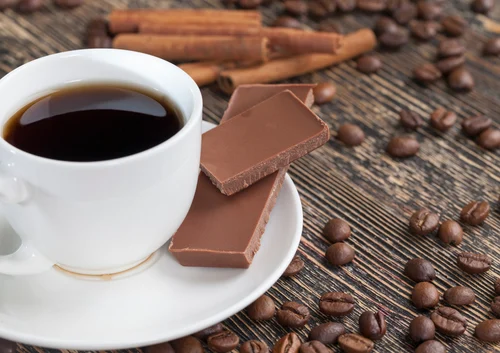
To understand why chocolate and caffeine are dangerous, one must look at the chemical composition of these substances. Chocolate and coffee contain a class of alkaloids known as methylxanthines. In chocolate, the primary toxic component is theobromine, while coffee, tea, and many energy drinks are concentrated sources of caffeine.
In humans, the liver processes these stimulants relatively efficiently, allowing for the pleasurable "boost" associated with a morning coffee or a dessert. However, chickens possess a significantly different metabolic pathway. Their systems are not equipped to break down theobromine or caffeine at a rate that prevents toxic buildup. When a chicken ingests these substances, the methylxanthines are absorbed rapidly through the gastrointestinal tract and distributed throughout the body, where they interfere with the regulation of cellular processes.

The primary action of these toxins is the inhibition of adenosine receptors and the stimulation of the central nervous system (CNS). This leads to an excessive release of catecholamines—such as adrenaline—which causes the heart rate to skyrocket and blood pressure to reach dangerous levels. For a bird, whose heart already beats at a rate of 250 to 350 beats per minute under normal conditions, this additional stimulation can quickly lead to cardiac exhaustion and death.
Chronology of Ingestion: The Progression of Symptoms
The timeline of toxicity in poultry is often rapid due to the high metabolic rate of birds. Understanding the progression of symptoms is vital for keepers who suspect their flock may have accessed prohibited substances.
Phase 1: The Initial 30 to 60 Minutes
Within an hour of ingestion, the caffeine or theobromine enters the bloodstream. The first signs are often subtle and may include increased restlessness or hyperactivity. The bird may appear unusually "flighty" or agitated. Because chickens are prey animals, they often attempt to hide signs of distress, making this early window difficult for many keepers to identify.
Phase 2: 1 to 4 Hours Post-Ingestion
As the concentration of toxins peaks, the digestive system begins to react. Owners may observe vomiting or the discharge of fluid from the beak. Diarrhea is common as the body attempts to purge the irritant. More critically, the cardiovascular symptoms become pronounced. The bird’s respiration rate increases, and if handled, the heart may be felt racing uncontrollably against the chest wall.

Phase 3: 4 to 12 Hours Post-Ingestion
In cases of significant ingestion, the nervous system begins to fail. This stage is characterized by tremors, loss of coordination (ataxia), and eventually seizures. If the dose of theobromine or caffeine is high enough, the bird will enter a coma. Cardiac arrest is the typical cause of death, often occurring within 12 to 24 hours if the bird survives the initial neurological shocks.
Identifying Common Household Hazards
While a bar of dark chocolate is the most concentrated source of danger, many other items in a standard kitchen contain sufficient levels of methylxanthines to kill a chicken.
- Coffee Grounds and Tea Bags: Many gardeners use coffee grounds as a nitrogen-rich additive for soil or compost. However, if chickens are allowed to forage in these areas, they may accidentally ingest the grounds. Even "spent" grounds contain residual caffeine that can be toxic to a five-pound bird. Similarly, discarded tea bags contain both caffeine and tannins, which can cause further digestive distress.
- Sports and Energy Drinks: These products often contain high concentrations of synthetic caffeine and guarana (another source of methylxanthines). Spills in the yard or allowing birds to sip from open containers can lead to immediate overdose.
- Baked Goods and Confections: Chocolate donuts, cookies, and cakes are double-threats. While they contain lower levels of cocoa than a pure chocolate bar, they are loaded with processed sugars and fats. High sugar intake can lead to digestive upset and long-term issues like obesity and fatty liver hemorrhagic syndrome (FLHS), while the chocolate component remains a metabolic poison.
- Cocoa Mulch: Often used in landscaping for its pleasant aroma, cocoa bean shell mulch contains significant levels of theobromine. Foraging chickens may scratch through the mulch and ingest small pieces, leading to chronic or acute poisoning.
Veterinary Perspectives and Expert Insights
Expert poultry keepers, such as Lisa Steele of "Fresh Eggs Daily," have long advocated for a "natural-first" approach to poultry nutrition. The consensus among avian veterinarians is that there is no "safe" amount of chocolate for a chicken. Because birds vary in size—from a 1.5-pound Bantam to a 10-pound Jersey Giant—a dose that makes one bird sick could be lethal to another.
"Chickens should never be fed chocolate or caffeine in any amount," Steele notes in her educational resources. This stance is supported by the broader veterinary community, which points out that the "table scrap" culture often leads to accidental poisonings. The prevailing advice is that if a food item is a "junk food" for humans, it is likely a toxin for a bird.

Data from animal poison control centers suggest that while canine chocolate toxicity is more frequently reported, avian cases are often more fatal because birds have less "metabolic buffer" than larger mammals. A single ounce of dark chocolate contains enough theobromine to potentially kill several small chickens.
The Broader Impact: The "Table Scrap Trap"
The danger of chocolate and caffeine highlights a larger issue in the backyard poultry movement: the "Table Scrap Trap." Many new keepers view chickens as biological "recyclers" capable of eating anything humans discard. While chickens are omnivores and can benefit from many vegetables, fruits, and grains, the modern human diet is filled with processed chemicals that are incompatible with avian biology.
The implications of accidental poisoning extend beyond the loss of a single bird. For many families, backyard chickens are pets with names and personalities. The emotional distress of losing a bird to a preventable poisoning is significant. Furthermore, for those raising chickens for egg production, the stress of toxin exposure can cause a flock to stop laying for weeks, or result in eggs that contain trace chemical residues, though the latter is less common as the bird usually dies before the toxins can be sequestered into an egg.
Emergency Protocols and Preventative Measures
If a keeper discovers that a chicken has ingested chocolate or caffeine, immediate action is required. Unlike dogs, chickens cannot be easily made to vomit safely at home without a high risk of aspiration pneumonia.

- Isolate the Bird: Move the affected chicken to a quiet, dark, and cool environment to minimize external stimuli that could worsen a racing heart or trigger a seizure.
- Hydration: Provide fresh, plain water. Do not attempt to force-feed liquids if the bird is lethargic, as this can lead to choking.
- Consult a Professional: Contact an avian veterinarian or an animal poison control hotline immediately. They may recommend administering activated charcoal to help bind the toxins in the digestive tract, though this must be done under guidance.
- Remove the Source: Identify how the bird accessed the toxin and secure the area to protect the rest of the flock.
Prevention remains the most effective strategy. Experts recommend that all kitchen scraps be sorted before being taken to the coop. A "safe list" of treats—including leafy greens, watermelon, cucumbers, and mealworms—should be the only items offered. Anything containing chocolate, caffeine, excessive salt, or mold should be disposed of in a secure compost bin that is inaccessible to the birds.
Conclusion: Responsibility in Avian Husbandry
The stewardship of backyard poultry requires a disciplined approach to nutrition that respects the unique biological needs of the birds. While the image of a chicken happily pecking at a leftover donut may seem harmless, the underlying chemical reality is one of extreme risk. Chocolate and caffeine represent a clear and present danger to avian health, capable of causing rapid cardiac failure and neurological collapse.
As the community of poultry keepers continues to grow, the dissemination of factual, science-based nutritional information is essential. By understanding the lethal nature of methylxanthines and maintaining a strict diet of high-quality feed and safe, natural treats, keepers can ensure the longevity and productivity of their flocks. The message from experts is clear: when it comes to chocolate and caffeine, the only safe amount for a chicken is none at all.
