

Velddrif, Western Cape, South Africa – In a pioneering conservation effort, BirdLife South Africa has initiated a landmark research project that will for the first time deploy sophisticated tracking devices on migratory shorebirds within the country. This ambitious endeavor aims to illuminate the complex and often enigmatic journeys of species like the Curlew Sandpiper ( Calidris ferruginea) and Grey Plover (Pluvialis squatarola), providing unprecedented insights into their migratory routes, crucial stopover sites, and critical habitats across international borders. The project’s initial fieldwork is concentrated at significant coastal sites, including the ecologically vital Berg River estuary in Velddrif, a region renowned for its importance to avian biodiversity.
These long-distance travellers are understood to undertake epic migrations from their breeding grounds in the high Arctic mainland to wintering sites in South Africa. However, the precise details of their passage along the vast Africa-Eurasian Flyway have remained largely obscure. This new initiative seeks to fill critical knowledge gaps, offering vital data to inform and strengthen conservation strategies for these globally threatened species, both of which are currently listed as Vulnerable on the IUCN Red List. This project represents a significant advancement for ornithological research in southern Africa, as while tracking studies have been conducted elsewhere along the flyway, very few tagged birds originating from or passing through South Africa have been monitored. Consequently, the migratory pathways, stopover locations, and breeding areas utilized by South African populations have been poorly understood. This marks the inaugural instance of long-distance Palearctic migratory shorebirds, specifically the Curlew Sandpiper and Grey Plover, being fitted with advanced tracking technology within South Africa.
A Collaborative Endeavor for Global Conservation
The success of this groundbreaking project hinges on a robust framework of international collaboration. BirdLife South Africa is working in close partnership with esteemed institutions from around the globe. Key collaborators include the Department of Ornithology at the Max Planck Institute for Biological Intelligence in Germany, Wetlands International headquartered in the Netherlands, the FitzPatrick Institute of African Ornithology at the University of Cape Town, and Conserve Eden, based in Plettenberg Bay.
Financial support for this critical research has been generously provided by the Royal Society for the Protection of Birds (RSPB) in the United Kingdom and the Ecological Restoration Fund, also based in the UK. This international backing underscores the global significance of understanding migratory bird movements and the shared responsibility for their conservation.

This latest fieldwork in the Western Cape builds upon BirdLife South Africa’s ongoing commitment to avian research and conservation within the country. Previous efforts, such as the monitoring of European Rollers in the Kruger National Park, have already highlighted the diverse range of habitats that migratory birds utilize within South Africa during their annual cycles. The logistical challenges of accessing remote field sites have been significantly mitigated by a long-term loan of a 2025 Subaru Forester, generously provided by Subaru Southern Africa, facilitating essential on-the-ground operations.
Unveiling Migratory Secrets Through Advanced Technology
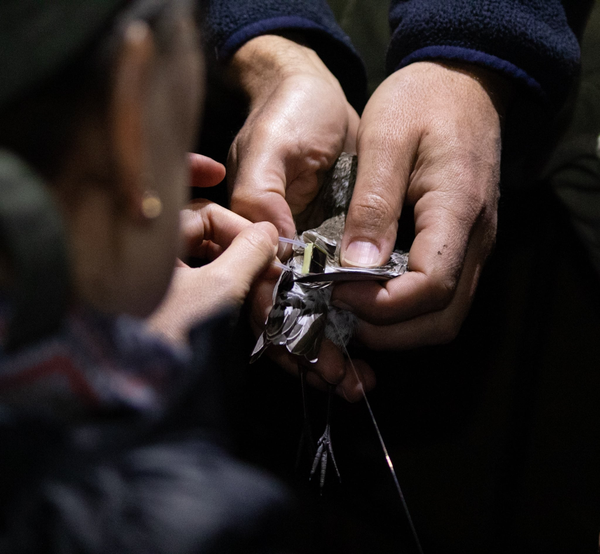
The core of this initiative involves the deployment of state-of-the-art satellite tracking devices onto individual birds. These miniaturized devices, carefully fitted by qualified bird handlers, will transmit invaluable data on the birds’ movements, altitude, and potentially even their physiological status. Complementing this high-tech approach, the project also incorporates traditional methods such as colour-ringing, which allows for visual identification and re-sighting of birds by researchers and citizen scientists alike.
By integrating satellite tracking with systematic on-the-ground monitoring, the project aims to generate high-resolution movement data. This granular information will paint a detailed picture of migration routes, pinpoint vital refuelling sites – areas where birds must replenish their energy reserves for their arduous journeys – and potentially reveal previously unknown ecological connections between distant regions. These insights are not merely academic; they are considered essential for developing and implementing a truly flyway-scale approach to conservation. This means coordinating conservation efforts across the entire migratory range of these species, from their Arctic breeding grounds to their African wintering grounds, and all the critical stopover sites in between.
Expert Perspectives on the Initiative’s Significance
Jessica Wilmot, Flyway & Migrants Project Manager at BirdLife South Africa, emphasized the project’s profound implications: "BirdLife South Africa has dedicated many years to working along the West Coast, and this project is a natural and crucial extension of that foundational work. It not only demonstrates how landscapes are interconnected within South Africa but also highlights how these remarkable shorebirds serve as vital links, connecting us to critical wetlands across the entire African continent. Following the recent Ramsar Conference of the Parties 15 held in Victoria Falls, this initiative serves as a timely reminder of the paramount importance of these interconnected wetland ecosystems for global biodiversity and human well-being."
The Ramsar Convention on Wetlands, established in 1971, is an intergovernmental treaty that provides a framework for the conservation and wise use of wetlands and their resources. COP15, held in Victoria Falls, Zimbabwe, in late 2022, brought together parties to assess progress and set new targets for wetland conservation, underscoring the global recognition of their ecological and societal value.

Early Insights and Anticipated Discoveries
Even in its nascent stages, the tracking data is already revealing fascinating and diverse migratory patterns. While some tagged individuals have been observed moving eastward, others have commenced a steady northward journey, hugging the western coastline of Africa. Remarkable early findings include two birds that have already reached the expansive Sudd wetlands in South Sudan, a vital ecological area in East Africa. Another individual is reported to be in the vicinity of the eastern Central African Republic, indicating long-distance movements across the continent.
Further afield, two Grey Plovers have established wintering grounds in Angola, while three Curlew Sandpipers have been recorded within the Makgadigadi Pans Key Biodiversity Area in Botswana. These initial observations strongly suggest a diversity of migration strategies within the tracked populations, offering an exciting opportunity for both the public and the conservation community to follow the birds’ journeys in near real-time. This real-time tracking capability promises to foster greater public engagement and awareness of the challenges faced by migratory birds.
The implications of these early movements are significant. They suggest that the migratory routes are not monolithic but rather exhibit plasticity, with individuals potentially employing different pathways and stopover sites based on a variety of environmental cues. This complexity necessitates a nuanced and adaptive approach to conservation planning.
The Broader Context: Palearctic-African Migratory Birds and their Plight
The birds being tracked in this project are part of the Palearctic-African bird migration system, one of the most extensive and complex migratory flyways in the world. Millions of birds breed in the vast Palearctic region (Europe and Asia) during the Northern Hemisphere’s summer and undertake arduous journeys to wintering grounds across Africa. This annual cycle is finely tuned to seasonal availability of food and suitable breeding conditions.
However, these epic migrations are increasingly threatened by a combination of factors. Habitat loss and degradation in both breeding and non-breeding areas, agricultural intensification, climate change, and direct human pressures such as hunting and disturbance are all contributing to significant population declines in many migratory species. Shorebirds, in particular, are vulnerable due to their reliance on specific coastal and wetland habitats, which are often under intense pressure from development and pollution.
The Curlew Sandpiper and Grey Plover, being listed as Vulnerable, are indicators of the broader conservation challenges facing migratory shorebirds. Their ability to complete their long-distance migrations is dependent on the availability of suitable habitats at multiple points along their flyway. Any degradation or loss of a critical stopover site can have cascading negative effects on their survival and breeding success.
Future Directions and Public Engagement
The data generated by this project will be instrumental in identifying and prioritizing conservation actions across the flyway. This could include advocating for the protection and improved management of key wetland sites, promoting sustainable land-use practices in surrounding areas, and working with international partners to ensure coordinated conservation efforts.
BirdLife South Africa is also keen to involve the public in this conservation journey. "We believe that by sharing these incredible stories of migration, we can foster a deeper connection between people and nature," Wilmot added. "The public can play a vital role in supporting our work and contributing to the future of migratory bird conservation."
To support this crucial research and contribute to future tracking efforts, individuals are encouraged to visit the dedicated webpage at: https://www.birdlife.org.za/shorebirdtracking. This platform will likely provide updates on the project’s progress, share tracking data, and offer opportunities for donations and engagement.
The success of this initiative promises to revolutionize our understanding of migratory shorebird ecology in southern Africa and will serve as a crucial blueprint for similar research endeavors across the continent and beyond, ultimately contributing to the long-term survival of these remarkable avian travellers. The project’s long-term vision extends beyond simply data collection; it aims to translate scientific findings into tangible conservation outcomes, safeguarding the vital ecosystems that support these incredible journeys for generations to come. The deployment of tracking devices represents not just a technological leap but a renewed commitment to understanding and protecting the intricate web of life that connects distant lands through the silent, determined flight of migratory birds.
