
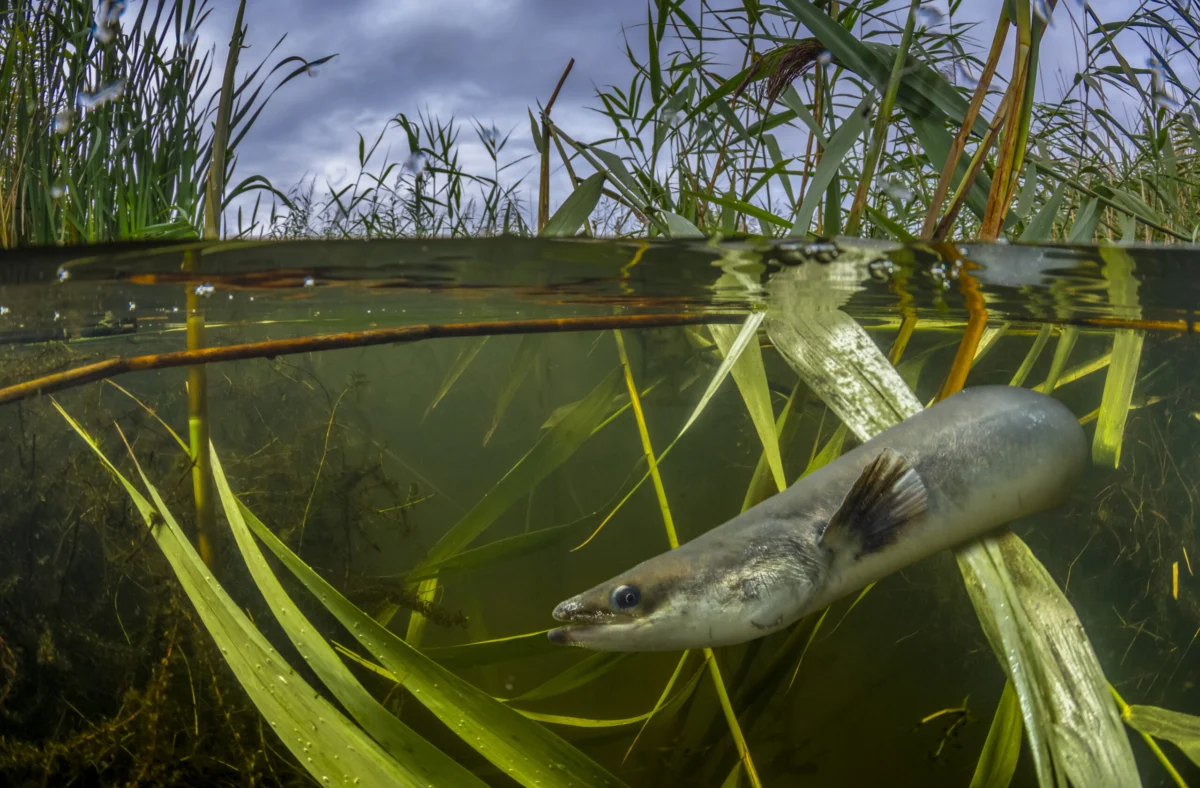
The most comprehensive assessment of Europe’s freshwater fish populations in 15 years has delivered a stark warning: the continent’s aquatic biodiversity is in a state of profound crisis, with little evidence of species recovery and an urgent call for decisive conservation action. The updated European Red List of Freshwater Fishes, released on April 13, 2026, reveals that nearly six in ten native European freshwater fish species are now of elevated conservation concern. This alarming trend means that 42% of these vital species are classified as threatened with extinction, while an additional 18% are categorized as Near Threatened, teetering on the brink.
This groundbreaking assessment, compiled by over 135 experts from more than 30 countries, meticulously evaluated all 558 native freshwater fish species across Europe. The findings represent a significant deterioration since the last assessment in 2011, with the proportion of threatened species having risen by a concerning 5%. This underscores a persistent and escalating crisis for these crucial aquatic ecosystems.
"These statistics provide a sobering remainder that all is not well with Europe’s freshwater fishes – and its wetlands," stated Kathy Hughes, Biodiversity Lead at Wetlands International and co-chair of the IUCN Freshwater Fish Specialist Group. "The assessment found that Europe’s freshwater fishes are significantly more threatened than those in other regions – with 42% at risk of extinction. If Europe’s freshwater wetlands are not healthy enough for fishes, they are not healthy enough for our societies and economies to flourish."
Freshwater fishes, a group representing remarkable diversity and serving as sensitive barometers of ecosystem health, are now signaling a broader environmental decline. The report unequivocally states that without immediate and coordinated efforts to combat habitat degradation, pollution, the spread of invasive species, and the accelerating impacts of climate change, Europe faces the grim prospect of losing a substantial portion of its unique aquatic biodiversity within a single generation.
Key Findings of the European Red List: A Grim Picture of Aquatic Health
The comprehensive European Red List of Freshwater Fishes offers a scientifically rigorous, evidence-based evaluation of extinction risks. Its detailed findings paint a dire picture of the continent’s aquatic vitality:
- Widespread Threats: A staggering 42% of native freshwater fish species are now threatened with extinction, a figure that has seen a significant increase.
- Near Misses: An additional 18% are classified as Near Threatened, indicating they are close to qualifying for a threatened status and require proactive management.
- Little Evidence of Recovery: The assessment highlights a concerning lack of recovery across the region for many species that were already identified as being in decline in previous evaluations.
- Migratory Species Under Siege: Migratory freshwater fish populations are facing particularly acute pressures. Approximately 39% of these species are currently in decline, a stark contrast to the roughly 14% of non-migratory species experiencing similar trends. This disparity strongly implicates the pervasive impact of barriers to fish movement, such as dams and weirs.
- Pervasive Drivers of Decline: The report identifies several key drivers contributing to the crisis, often acting in combination:
- Habitat Modification: Identified as the most pervasive threat, affecting 69% of assessed species. This includes the construction of dams, alteration of river flows, and wetland drainage.
- Pollution: A significant threat impacting over 65% of species, stemming from agricultural runoff, industrial discharge, and urban wastewater.
- Invasive Species: The introduction and spread of non-native species are negatively affecting 56% of freshwater fish populations, outcompeting native species for resources and altering ecosystem dynamics.
- Climate Change: While currently impacting 35% of species, climate change is projected to become an increasingly dominant driver of decline in the coming decades, particularly in southern Europe, exacerbating existing stressors through altered water temperatures and flow regimes.
Matthew Ford, lead author of the report and a member of the IUCN Freshwater Fish Specialist Group, emphasized the gravity of the situation. "Europe’s rivers and lakes are sending a clear warning: nearly two thirds of freshwater fishes are at risk, and many show no recovery over the past 15 years," he stated. "Strengthening data collection, research and evidence-based management is essential to safeguard these species and the freshwater ecosystems we all rely on."
A Timeline of Escalating Concern
The release of the 2026 European Red List marks a critical juncture in the ongoing narrative of freshwater fish conservation in Europe. The history of concern for these species can be traced back through several decades, with scientific assessments growing increasingly dire:
- Early 2000s: Initial surveys and reports began to highlight localized declines in specific fish populations, often linked to specific river systems or industrial pollution events.
- 2011: The first comprehensive European Red List of Freshwater Fishes was published, identifying a significant number of species as threatened. This assessment served as a wake-up call, initiating more focused research and some early conservation initiatives. However, the scale of the problem was perhaps underestimated by policymakers at the time.
- 2011-2026: During this period, numerous conservation projects were implemented across Europe, focusing on habitat restoration, dam removal, and pollution control. While some local successes were achieved, the overarching trend indicated that these efforts were insufficient to stem the tide of decline across the continent. Factors such as increasing agricultural intensification, the continued proliferation of invasive species, and the burgeoning impacts of climate change began to outweigh localized gains.
- April 13, 2026: The release of the updated European Red List of Freshwater Fishes provides the most robust and comprehensive evidence to date of the escalating crisis, revealing that the situation has worsened considerably since the 2011 assessment.
This timeline underscores a persistent failure to adequately address the root causes of freshwater fish decline, despite growing scientific evidence and public awareness. The 2026 report serves as a definitive marker, indicating that the window for effective action is rapidly closing.
Supporting Data: The Scale of the Problem
The implications of the Red List findings extend far beyond the ecological realm. Freshwater ecosystems provide invaluable services, including clean water, flood regulation, and nutrient cycling. The decline of freshwater fish populations has direct economic and social consequences. For instance, healthy fish populations support recreational angling, commercial fisheries, and the burgeoning ecotourism industry.
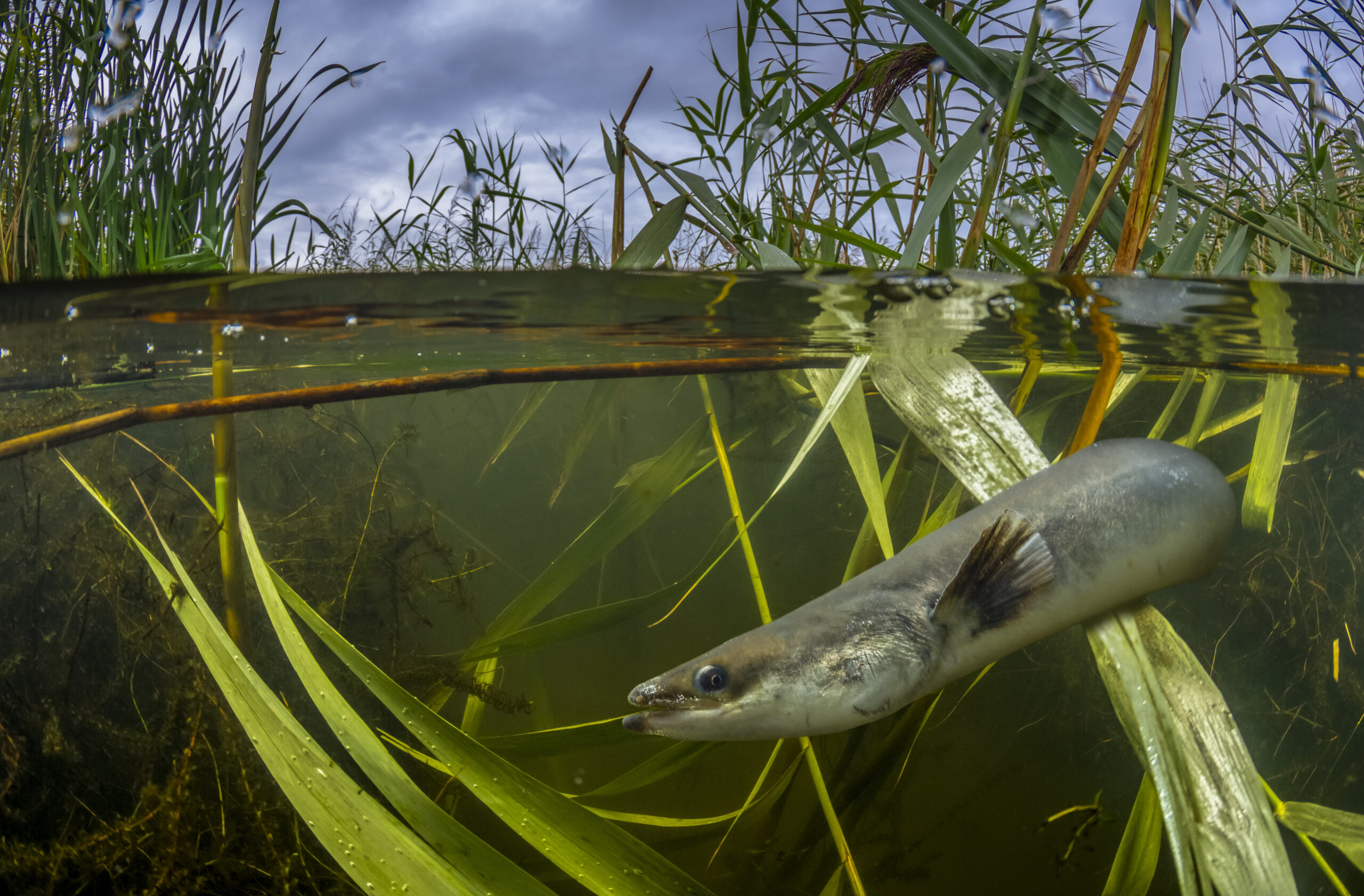
- Economic Impact: While precise figures are difficult to quantify across the entire continent, the decline of migratory species like the European Eel, which is also listed as Critically Endangered, has had a profound impact on traditional fishing communities and the associated supply chains. The eel’s life cycle, which relies on vast, unimpeded migratory routes, has been severely disrupted by dams and barriers.
- Ecosystem Services: The loss of fish diversity can destabilize food webs. For example, larger predatory fish play a role in controlling populations of smaller fish and invertebrates, helping to maintain ecological balance. Their decline can lead to cascading effects throughout the ecosystem.
- Water Quality Indicators: The presence of a healthy and diverse fish community is often an indicator of good water quality. As fish populations decline, it signals a deterioration of the overall health of rivers, lakes, and wetlands, potentially impacting human water supplies and recreational use.
Official Responses and Calls to Action
The release of the European Red List has prompted strong reactions from environmental organizations and conservationists, who are urging policymakers to translate the scientific findings into concrete action.
Chris Baker, Director of Wetlands International Europe, issued a pointed statement: "The rapidly deteriorating conservation status of the EU’s freshwater fish is a stark warning to the European Commission, the European Parliament and Member States that now it is not the right time to weaken Europe’s environmental legislation, most notably the Water Framework and the Habitats Directives." He further added, "Furthermore, surveys show that vast majority of European citizens expect more effective actions from their elected representatives to safeguard Europe’s rivers, wetlands and biodiversity."

This sentiment is echoed by other stakeholders who see the report as a critical tool for informing upcoming policy decisions. The findings are particularly timely given the recent publication of the European Water Resilience Strategy and the ongoing implementation of the EU Biodiversity Strategy for 2030, the Nature Restoration Regulation, and the Kunming-Montreal Global Biodiversity Framework.
The report’s authors and supporting organizations are advocating for a multi-pronged approach:
- Strengthening Legislation: Ensuring that existing environmental laws, such as the Water Framework Directive and the Habitats Directive, are not only maintained but strengthened and rigorously enforced.
- Increased Funding: Allocating significantly more financial resources to freshwater ecosystem restoration and species conservation projects across Europe.
- Habitat Restoration: Prioritizing the removal of barriers to fish migration, such as dams and weirs, and restoring natural river flows and wetland connectivity.
- Pollution Control: Implementing stricter regulations and enforcement mechanisms to reduce all forms of pollution entering freshwater systems.
- Invasive Species Management: Developing and implementing effective strategies to prevent the introduction of new invasive species and control existing populations.
- Climate Change Adaptation: Integrating climate change considerations into all water management and conservation plans, anticipating future impacts and building resilience.
- Enhanced Monitoring and Research: Investing in improved data collection, long-term monitoring programs, and scientific research to better understand species needs and track the effectiveness of conservation interventions.
Broader Impact and Implications: A Call for Holistic Water Management
The European Red List of Freshwater Fishes is more than just a list of endangered species; it is a critical indicator of the health of Europe’s freshwater ecosystems, which are intrinsically linked to human well-being. The report’s implications are far-reaching, impacting not only biodiversity conservation but also water security, climate resilience, and economic stability.
The report serves as a vital resource for policymakers, providing the robust scientific evidence needed to guide the development and implementation of effective conservation strategies. It highlights the interconnectedness of biodiversity and human societies, underscoring that the health of freshwater ecosystems is essential for the flourishing of both.
The findings also emphasize the need for a paradigm shift in how Europe manages its inland waters. A holistic approach that integrates biodiversity considerations into all aspects of water management, from agriculture and energy production to urban development and transportation, is no longer optional but essential for securing a sustainable future.
As the continent grapples with the escalating climate crisis and increasing demands on water resources, the message from Europe’s freshwater fishes is clear: inaction is no longer an option. The comprehensive data presented in the European Red List of Freshwater Fishes demands immediate, ambitious, and sustained action to protect these vital species and the invaluable ecosystems they inhabit. The future of Europe’s aquatic biodiversity, and indeed the health of its societies and economies, depends on it.
