

Wetlands International expresses deep solidarity with the millions of Filipino families currently bearing the brunt of the escalating energy crisis, a situation exacerbated by the geopolitical tensions of the US-Iran war. The organization recognizes the profound hardship this crisis has inflicted upon communities and stands with them in advocating for urgent, long-term, and sustainable solutions. A central tenet of this advocacy is a robust investment in renewable energy sources, which Wetlands International asserts can guarantee energy security without jeopardizing the Philippines’ invaluable natural heritage.
In response to the declaration of a State of National Energy Emergency under Executive Order 110, Wetlands International urges the Philippine government to accelerate and prioritize a decisive shift towards renewable energy. This call to action is underscored by a deep concern regarding renewed efforts to pursue oil and gas exploration within the Liguasan Marsh. This expansive wetland system, situated in south-central Mindanao, is not only the largest swamp and marsh area in the Philippines but also a globally significant and exceptionally biodiverse ecosystem. While acknowledging the critical imperative to address the current energy emergency, Wetlands International stresses that the ecological fragility of the Liguasan Marsh necessitates the utmost level of environmental scrutiny before any resource exploration or exploitation is considered.
The Liguasan Marsh: A Vital Ecosystem Under Threat
Dr. Annadel Cabanban, Country Director of Wetlands International Philippines, articulated the profound significance of the Liguasan Marsh in a strong statement: "The Liguasan Marsh is not just a wetland—it is a lifeline for communities, wildlife, and our climate resilience. We cannot afford to damage an ecosystem that safeguards us from floods, supports fisheries, and stores vast amounts of carbon. A truly secure energy future is one that strengthens, not sacrifices, the natural systems that protect Filipino lives."
The Liguasan Marsh is an irreplaceable ecological system, and any form of unregulated extraction poses a significant risk of irreversible damage. This damage could manifest in multiple critical areas: contamination of vital water sources, leading to a decline in water quality for both human consumption and agriculture; an increase in the frequency and severity of flooding events, impacting communities and infrastructure; a drastic loss of biodiversity, threatening numerous endemic and migratory species; substantial carbon emissions resulting from the disturbance of carbon-rich wetland soils; and severe threats to the traditional livelihoods and rich cultural heritage of the indigenous communities that call the marsh home.
Broader Implications of Resource Extraction
The ramifications of unregulated natural resource extraction extend far beyond the immediate vicinity of any single exploration site. Such activities threaten the integrity of the entire spectrum of the Philippines’ wetland and forest ecosystems. The degradation of these natural systems directly erodes the essential ecological services they provide to Filipino communities. These services are fundamental to national well-being and include the reliable supply of clean water, the sustenance of food security through fisheries and agriculture, the provision of crucial coastal protection against storm surges and erosion, and the vital support of a rich and diverse array of plant and animal life.
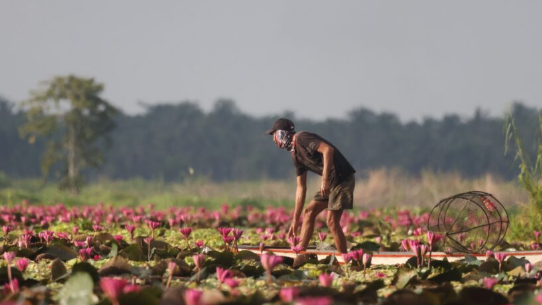
Furthermore, the climate dimension of this issue is equally urgent. The destruction of these natural ecosystems results in the release of vast quantities of stored carbon into the atmosphere, thereby intensifying the impacts of climate change and undermining the Philippines’ own commitments to global emissions reduction targets. These are not abstract or distant concerns; they translate directly into tangible threats to the lives, livelihoods, and long-term safety of the Filipino people.
The Energy Crisis: Context and Chronology
The current energy crisis gripping the Philippines has roots in a confluence of factors, with the geopolitical conflict between the US and Iran serving as a significant recent catalyst. The hostilities have disrupted global oil supply chains, leading to a sharp increase in international crude oil prices. The Philippines, as a net importer of oil, is particularly vulnerable to these fluctuations.
Timeline of Key Developments:
- Pre-Crisis: The Philippines has historically relied on imported fossil fuels for a significant portion of its energy needs. While there have been efforts to diversify the energy mix, progress has been gradual.
- Escalation of US-Iran Tensions (Early 2026): Increased geopolitical instability in the Middle East directly impacts global oil markets, driving up prices and creating supply uncertainties.
- Declaration of State of National Energy Emergency (April 2026): In response to soaring energy costs and potential supply disruptions, the Philippine government officially declared a State of National Energy Emergency under Executive Order 110. This declaration aims to empower the government with more flexible measures to address the crisis, including potentially facilitating emergency procurement and exploring all available energy options.
- Wetlands International’s Statement (April 14, 2026): Wetlands International releases its statement, expressing solidarity with affected families, advocating for renewable energy, and raising specific concerns about potential oil and gas exploration in the Liguasan Marsh.
- Renewed Interest in Fossil Fuel Exploration: In the wake of the energy emergency, there are reports of renewed efforts to explore and potentially exploit domestic oil and gas reserves, including in ecologically sensitive areas like the Liguasan Marsh.
Supporting Data and Expert Analysis
The Philippines’ energy landscape is characterized by a heavy reliance on imported fossil fuels. According to the Department of Energy (DOE), in recent years, coal has been the dominant source of electricity generation, followed by natural gas and oil. This dependence makes the nation susceptible to global price volatility and supply chain disruptions.
Relevant Data Points:
- Energy Import Dependence: The Philippines imports a substantial percentage of its energy needs, making it vulnerable to international market fluctuations. This dependence has been a long-standing concern for energy security.
- Renewable Energy Potential: Despite its fossil fuel reliance, the Philippines possesses significant untapped renewable energy potential, particularly in solar, wind, geothermal, and hydropower. Studies indicate that a substantial portion of the country’s energy needs could be met through these sources. For instance, the potential for solar energy is vast, given the country’s tropical climate.
- Climate Vulnerability: The Philippines is consistently ranked among the countries most vulnerable to the impacts of climate change. Wetlands play a crucial role in climate resilience by providing natural buffers against extreme weather events like typhoons and floods, and by sequestering significant amounts of carbon. The destruction of these ecosystems would exacerbate the country’s vulnerability.
- Economic Impact of Energy Crisis: Rising energy costs directly impact households, businesses, and the overall economy, leading to inflation, reduced purchasing power, and potentially slower economic growth.
Official Responses and Related Parties
While the specific official response to Wetlands International’s statement has not been detailed in the provided text, the declaration of a State of National Energy Emergency under Executive Order 110 by the Philippine government signals a proactive stance in addressing the crisis. This executive order likely grants the government broader powers to expedite energy-related initiatives, which could include both the exploration of domestic resources and the acceleration of renewable energy projects.

Various stakeholders, including the Department of Energy (DOE), environmental groups, local communities, and international organizations, are all engaged in discussions and actions related to the energy crisis and its implications. Environmental organizations, like Wetlands International, are advocating for a balanced approach that prioritizes long-term sustainability. Local communities in areas like Liguasan Marsh are vocal about protecting their natural resources and ensuring their livelihoods are not compromised. Scientific and environmental experts are crucial in providing data and analysis to inform decision-making processes regarding resource exploration and environmental impact assessments.
A Call for a Just and Rapid Energy Transition
Wetlands International is not alone in advocating for a pivot towards renewable energy. The organization points to successful models in neighboring Southeast Asian countries as evidence that energy security and environmental protection can indeed advance in tandem.
Examples from Southeast Asia:
- Vietnam: Has witnessed rapid solar energy expansion, demonstrating the potential for swift adoption of renewables.
- Indonesia: Has been developing renewable microgrids, particularly in its vast archipelago, to improve energy access and reliability.
- Thailand: Has implemented community-based biomass systems, integrating renewable energy generation with local resource management.
- Malaysia: Has conducted competitive solar auctions, a mechanism to drive down costs and accelerate the deployment of solar power.
These examples highlight diverse strategies that the Philippines can draw inspiration from. Wetlands International emphasizes that moving away from fossil fuels is not merely an energy policy decision; it is fundamentally a decision about wetland preservation and climate action. "Every wetland we protect strengthens our resilience against floods, droughts, and climate impacts that fossil fuels continue to worsen," Dr. Cabanban reiterated. "By reducing our reliance on oil and investing in renewable energy, we allow vital wetlands like the Liguasan Marsh to keep doing what they do best: protect communities, sustain biodiversity, and stabilize our climate."
A Future Rooted in Science and Community Welfare
Wetlands International Philippines is committed to a long-term, future-oriented energy strategy. This strategy prioritizes the safeguarding of the nation’s wetlands, upholds the principles of scientific and community consultation, and aligns with the Philippines’ climate commitments. The organization stands ready to collaborate with government agencies, civil society partners, and scientific institutions. Their aim is to contribute to the shaping of a resilient and sustainable energy transition that is firmly rooted in sound scientific principles and the welfare of the Filipino people.
This critical juncture presents an opportunity for the Philippines to forge a future where energy security is not achieved at the expense of environmental integrity. It is a chance to embrace a development path that safeguards precious ecosystems, honors international climate obligations, and ensures the dignity and well-being of present and future generations. The pursuit of energy independence must be intrinsically linked with the preservation of natural heritage, recognizing that a truly secure nation is one that lives in harmony with its environment.
