
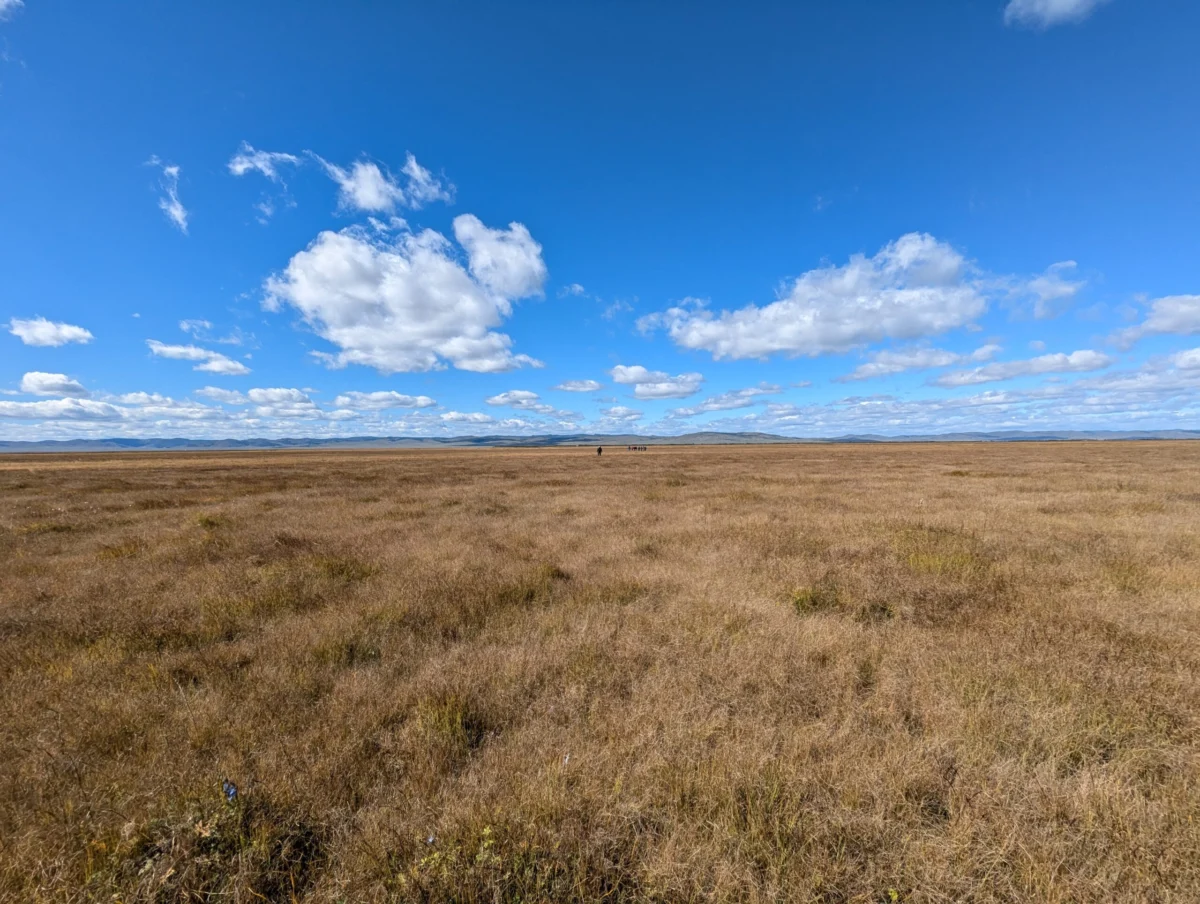
Peatlands, often overlooked yet incredibly vital ecosystems, are now at the forefront of global climate action through the newly launched Peatland Breakthrough initiative. These unique and rare environments, covering a mere 3-4% of the Earth’s land surface, hold an astonishing one-third of the world’s soil carbon. This vast carbon reservoir is double the amount stored in all the planet’s forest biomass combined, underscoring their critical role in regulating the global climate. However, the alarming rate at which peatlands are being drained and degraded poses a significant threat, contributing an estimated 4-5% of annual global human-induced emissions. This figure is comparable to the combined emissions from the aviation and shipping industries, highlighting the urgent need for intervention. Safeguarding these carbon stores is paramount to achieving the ambitious targets set forth in the Paris Agreement.
The Peatland Breakthrough represents a coordinated, global effort to halt the destruction of these invaluable landscapes and to actively restore those already damaged. The initiative is driven by the recognition that peatlands are not only crucial for climate mitigation but also for sustaining biodiversity, regulating water cycles and nutrient flows, and supporting sustainable livelihoods for communities worldwide. The overarching goal is to ensure that by 2050, the global peatland area achieves net-zero emissions, and ideally, becomes a net greenhouse gas sink, thereby fostering resilient ecosystems and communities capable of adapting to a changing climate.
The Genesis and Scope of the Peatland Breakthrough
The Peatland Breakthrough is a pivotal component of the broader 2030 Breakthrough Agenda, a global framework designed to accelerate action across key sectors to deliver on climate goals. This initiative specifically aims to catalyze the necessary finance, knowledge sharing, and collaborative partnerships to enable large-scale peatland conservation and restoration efforts across the globe. It serves as an urgent call to action, urging concerted efforts to meet shared, science-based global targets.
The development of the Peatland Breakthrough has been a multi-stakeholder process, reflecting the complexity and interconnectedness of peatland management. It recognizes that effective peatland stewardship transcends mere technical solutions. It demands a fundamental shift in values, the cultivation of robust partnerships, and an unwavering commitment to long-term sustainability. The Breakthrough initiative provides a crucial common platform for aligning investments, refining strategies, expediting progress, and ultimately, creating enduring positive impacts on these vital ecosystems.
The initiative is grounded in three core, interconnected targets designed to guide collective ambition and action:
- Safeguarding and Restoring Peatlands: This target emphasizes the immediate need to protect existing intact peatlands from further degradation and to implement ambitious restoration programs for drained and damaged areas. This includes rewetting peatlands to restore their natural hydrological functions, which is essential for carbon sequestration and preventing further emissions.
- Sustainable Use of Peatlands: Recognizing that peatlands can also support human livelihoods, this target promotes practices that allow for the wise and sustainable use of peatland resources. This might include the sustainable harvesting of certain non-timber forest products, or the development of new bio-based industries that utilize peatland resources without compromising their ecological integrity.
- Ensuring Finance and Partnerships: This target addresses the critical need for increased and accessible finance for peatland action. It also calls for the establishment and strengthening of partnerships among governments, civil society, the private sector, and local communities to ensure coordinated and effective implementation of peatland strategies.
To effectively drive these transformative changes, the Peatland Breakthrough advocates for a holistic approach. Actions must prioritize the safeguarding of both peatlands and the rich biodiversity they support. Interventions should be firmly rooted in scientific evidence and driven by practical, innovative solutions emerging from on-the-ground experience. Fostering a sense of shared responsibility and effective governance structures is crucial, as is adopting a landscape-level approach that considers the broader environmental and social context of peatlands. A steadfast commitment to long-term sustainability, ensuring that the benefits of peatland conservation and restoration endure for future generations, is also a cornerstone of the Breakthrough. Furthermore, all actions must proactively advance equity and inclusion, with a particular focus on empowering and supporting Indigenous Peoples, local communities, farmers, women, youth, and other vulnerable groups who are often most directly impacted by peatland health and degradation.
A Coalition of Key Players
The Peatland Breakthrough is being spearheaded by a formidable coalition of international organizations, each bringing unique expertise and mandates to the table. Wetlands International, a leading global organization dedicated to the conservation and restoration of wetlands, plays a central role in leading this initiative. They are joined by the UN Environment Programme (UNEP), which provides a global platform for environmental policy and action, and the Food and Agriculture Organization of the UN (FAO), which contributes expertise in sustainable land management and agricultural practices. The Greifswald Mire Centre, a renowned scientific institution focused on peatland research and conservation, offers invaluable scientific backing and practical knowledge.
The initiative has been developed in close alignment with the Global Peatlands Initiative (GPI), a collaborative network of organizations working to raise awareness and promote action on peatlands. Further support and strategic direction come from the High-Level Climate Champions Team, which works to drive climate ambition and action in the lead-up to and beyond COP climate summits. The Convention on Wetlands (Ramsar Convention) also plays a vital role, providing an international framework for national action and international cooperation for the conservation and wise use of wetlands and their resources.
The growing network of partners extends to organizations such as the Landscape Finance Lab, which focuses on innovative financing mechanisms for nature-based solutions; the Global Environment Centre (GEC), with its expertise in environmental conservation and sustainable development; RE-PEAT, an organization dedicated to promoting peatland restoration; and The Nature Conservancy (TNC), a global environmental organization working to conserve the lands and waters on which all life depends. This broad and diverse partnership underscores the multifaceted nature of the challenge and the commitment required for its successful resolution.

The Urgent Call for Finance and Action
To achieve the ambitious Global Peatland Targets, a significant mobilization of financial resources is imperative. The Peatland Breakthrough is calling for at least 100 billion USD to be mobilized by 2030. This funding must be just, transparent, and readily accessible to support a wide range of peatland-related activities, from research and monitoring to restoration and sustainable management.
Moreover, the initiative stresses the critical need for immediate action from every peatland-rich country. This includes prioritizing the mapping and monitoring of their peatland resources. Understanding the extent, condition, and carbon stocks of these valuable ecosystems is the foundational step towards effective management. Without this baseline data, it is challenging to develop targeted conservation strategies or to accurately measure the impact of restoration efforts. The urgency is amplified by the risk of irreversible damage to these ecosystems, which can release their stored carbon rapidly and permanently.
The Peatland Breakthrough is more than just a conservation program; it is a call to action for nations, organizations, and individuals to recognize peatlands as nature’s climate champions. By investing in and protecting these often-unseen landscapes, we are making a direct and powerful contribution to mitigating climate change, safeguarding biodiversity, and ensuring a more sustainable future for all.
Background and Context: The Growing Recognition of Peatland Importance
The scientific understanding of peatland significance has evolved dramatically over the past few decades. Historically, peatlands were often viewed as wastelands, impediments to agriculture and development, and thus were extensively drained. This drainage, however, disrupts the anaerobic conditions that allow peat to form and accumulate carbon over millennia. Once drained, peat begins to oxidize, releasing stored carbon dioxide and methane – potent greenhouse gases – into the atmosphere.
The realization that these degraded peatlands were significant sources of emissions, rather than inert landscapes, began to gain traction in climate science circles in the early 2000s. The Intergovernmental Panel on Climate Change (IPCC) reports have increasingly highlighted the role of land use, land-use change, and forestry (LULUCF) in greenhouse gas emissions, with peatland degradation emerging as a major component within this sector.

The launch of the Global Peatlands Initiative (GPI) in 2016 marked a significant step in consolidating global efforts to address peatland issues. The GPI brought together a diverse group of researchers, policymakers, and conservation organizations to raise awareness and advocate for peatland conservation and restoration. The Peatland Breakthrough, building on this momentum and integrated within the broader 2030 Breakthrough Agenda, signifies a maturation of these efforts, moving from awareness-raising to a more action-oriented, finance-driven, and target-specific approach.
Supporting Data and Scientific Evidence
The statistics underpinning the Peatland Breakthrough are stark and compelling:
- Carbon Storage: Peatlands store an estimated 500 billion tonnes of carbon globally, representing approximately two-thirds of the total carbon stored in terrestrial ecosystems. This dwarfs the carbon held in global forest biomass.
- Emission Rates: When drained, peatlands can emit significant amounts of CO2 and methane. Studies have indicated that peatland degradation accounts for approximately 4-5% of global anthropogenic greenhouse gas emissions. This is a substantial contribution, comparable to the annual emissions of major industrial sectors.
- Area vs. Impact: Despite their relatively small global land coverage (around 3-4%), their impact on the global carbon cycle is disproportionately large due to their immense carbon storage capacity and the high emissions released when degraded.
- Restoration Potential: Rewetting and restoring peatlands can halt these emissions and, in many cases, allow them to become carbon sinks once again, actively drawing down atmospheric CO2. The potential for carbon sequestration through peatland restoration is a significant, yet often underutilized, climate mitigation strategy.
The scientific consensus is clear: the continued degradation of peatlands represents a significant obstacle to achieving global climate goals. Conversely, their conservation and restoration offer a powerful, nature-based solution.
Broader Impact and Implications
The success of the Peatland Breakthrough has far-reaching implications beyond climate mitigation:
- Biodiversity Conservation: Peatlands are unique habitats that support a specialized array of flora and fauna, including rare and endangered species. Their restoration directly contributes to conserving this biodiversity.
- Water Security: Peatlands act as natural sponges, regulating water flow, filtering water, and recharging groundwater sources. Their degradation can lead to increased flood risk in some areas and water scarcity in others. Restoring them enhances water security and quality.
- Resilience Building: Healthy peatland ecosystems contribute to the resilience of both natural systems and human communities against the impacts of climate change, such as extreme weather events and water stress.
- Sustainable Livelihoods: For communities living in and around peatlands, these ecosystems provide essential resources and opportunities for sustainable livelihoods. The Breakthrough’s emphasis on wise use aims to ensure these benefits can be realized without compromising ecological integrity.
- Economic Opportunities: The growing demand for nature-based solutions and the burgeoning bioeconomy present opportunities for economic development linked to peatland restoration and sustainable management.
The Peatland Breakthrough, therefore, represents a critical juncture in our approach to environmental stewardship. By recognizing the immense value of these often-underappreciated ecosystems and by fostering global collaboration, finance, and action, this initiative offers a tangible pathway towards a more sustainable and climate-resilient future. The call to action is clear: to invest in peatlands, to restore them, and to champion them as indispensable allies in the fight against climate change.
