
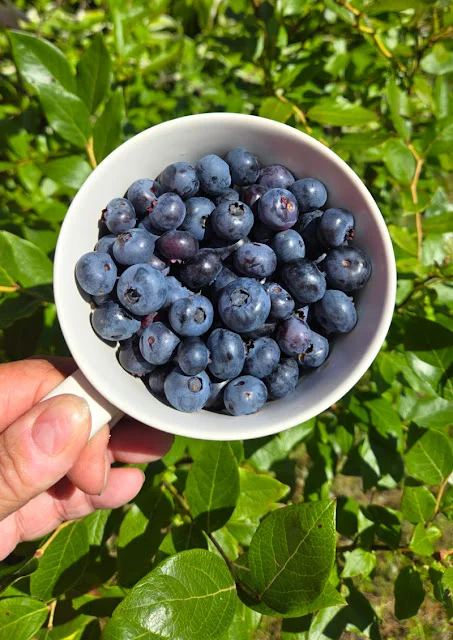
The integration of antioxidant-rich fruits into the dietary regimens of domestic poultry has become a focal point of modern avian nutrition, with blueberries emerging as a premier supplemental "superfood" for backyard flocks. While the primary diet of Gallus gallus domesticus traditionally consists of balanced commercial grains, the strategic inclusion of berries offers a complex array of vitamins, minerals, and phytonutrients that support long-term health, cognitive function, and immune resilience. As the backyard poultry movement continues to expand globally, understanding the biochemical impact of such treats is essential for maintaining flock longevity and egg production efficiency.
Nutritional Profile and Biochemical Advantages of Blueberry Consumption
Blueberries are characterized by a dense concentration of essential nutrients that are often found in lower quantities in standard commercial feeds. Primarily, these berries serve as a potent source of Vitamin C and Vitamin K. In poultry, Vitamin C plays a critical role in stress management, particularly during periods of extreme heat or environmental change. Although chickens can synthesize their own Vitamin C, supplemental intake during physiological stress has been shown to improve shell quality and immune response. Vitamin K, conversely, is indispensable for the synthesis of proteins required for blood coagulation and bone metabolism, ensuring that birds maintain skeletal integrity throughout their laying cycles.

Beyond basic vitamins, blueberries are renowned for their high antioxidant capacity, largely attributed to the presence of anthocyanins. These are water-soluble vacuolar pigments that belong to the flavonoid group. In avian physiology, anthocyanins serve as a defense mechanism against oxidative stress, which occurs when there is an imbalance between free radicals and antioxidants in the body. By neutralizing free radicals, blueberries assist in mitigating cellular damage, potentially reducing the incidence of certain avian cancers and age-related decline. Furthermore, these compounds have been linked to improved cardiovascular health in birds by supporting blood pressure regulation and reducing systemic inflammation.
Digestive Health and the Role of Prebiotics
One of the most significant yet overlooked benefits of blueberries in a chicken’s diet is their contribution to gut health. The berries contain dietary fiber and specific prebiotics. Prebiotics act as a non-digestible food source for probiotics—the beneficial bacteria, such as Lactobacillus, that reside in the chicken’s gastrointestinal tract. A robust microbiome is the first line of defense against pathogens like Salmonella and E. coli.
When chickens ingest blueberries, the prebiotic fibers facilitate a fermentation process in the ceca, promoting a stable and acidic environment that inhibits the growth of harmful bacteria. This optimization of the digestive system not only leads to better nutrient absorption from their primary feed but also results in improved fecal consistency and overall metabolic efficiency.

Cognitive Function and Sensory Health
Recent studies in avian behavior and physiology suggest that the cognitive benefits of blueberries observed in mammals may extend to poultry. The compounds in blueberries are known to support cognitive abilities, which in the context of a flock, translates to better environmental awareness and social interaction. Furthermore, the high levels of Vitamin A precursors and specific antioxidants in blueberries contribute to eye health. For a prey species like the chicken, maintaining sharp visual acuity is vital for foraging and predator detection. The protection against macular degeneration and oxidative damage to the retina ensures that older hens remain active and integrated within the flock hierarchy.
Safety Protocols and Physical Administration
Despite the overwhelming benefits, the administration of blueberries must be handled with care to avoid physical hazards. The size of a cultivated highbush blueberry can occasionally pose a choking risk, particularly for smaller breeds such as bantams or young pullets. Avian experts and experienced keepers, such as Lisa Steele of Fresh Eggs Daily, recommend slicing or mashing berries for smaller birds to ensure safe ingestion.
There is a distinction in the types of berries available: native lowbush berries (Vaccinium angustifolium) and cultivated highbush berries (Vaccinium corymbosum). Both varieties are safe and nutritious for chickens and ducks, though the wild varieties often possess a higher concentration of antioxidants per gram due to their smaller size and higher skin-to-pulp ratio.

The 10 Percent Rule: Maintaining Nutritional Balance
A critical component of poultry management is the "10 Percent Rule." This rule dictates that treats, including high-quality fruits like blueberries, should never constitute more than 10% of a bird’s total daily caloric intake. For the average laying hen, this equates to approximately one to two tablespoons of supplemental food per day.
The rationale behind this limitation is grounded in nutritional science. Commercial poultry feeds are precision-engineered to provide a specific balance of proteins, calcium, and amino acids required for egg production and feather growth. Over-supplementing with fruit, which is naturally high in fructose (sugar), can dilute the intake of these essential nutrients. Excessive sugar consumption in poultry can lead to obesity, "fatty liver hemorrhagic syndrome," and a decrease in egg production. Therefore, blueberries should be viewed as a functional supplement rather than a meal replacement.
Historical Context and the Evolution of Poultry Supplementation
The practice of feeding fruit to chickens is rooted in the evolutionary history of the species. The wild red junglefowl, the ancestor of the modern chicken, subsisted on a varied diet found on the forest floors of Southeast Asia, which included fallen fruits, seeds, and insects. As chickens were domesticated and moved into industrial production during the mid-20th century, their diets became increasingly homogenized and grain-heavy.

However, the resurgence of backyard farming over the last two decades has prompted a return to more diverse, "ancestral" feeding habits. This shift is supported by a growing body of veterinary research suggesting that dietary variety, when managed correctly, improves the welfare and physiological health of domestic birds. The inclusion of blueberries represents a modern, data-driven approach to this ancient practice, combining traditional foraging instincts with contemporary nutritional science.
Comparative Analysis: Blueberries Versus Other Supplements
When compared to other common poultry treats, blueberries rank significantly higher in terms of "nutrient density per calorie." While watermelon is excellent for hydration, it lacks the concentrated antioxidant profile of berries. Similarly, while cracked corn is a popular energy source in winter, it provides little in the way of vitamins or digestive enzymes. Blueberries occupy a unique niche as they provide both immediate micronutrient benefits and long-term preventative health advantages, such as the aforementioned anti-inflammatory and anti-carcinogenic properties.
Expert Observations and Flock Reactions
Observations from poultry experts indicate that blueberries are among the most highly palatable treats for chickens and ducks. The "high-value" nature of the treat makes it an excellent tool for flock management, such as luring birds back into a secure coop or taming flighty individuals. From a behavioral standpoint, the act of pecking at and consuming colorful fruits provides mental stimulation, reducing boredom-induced behaviors like feather picking or egg eating.

On farms where both native and cultivated berries are grown, such as those in the northeastern United States, keepers have noted that flocks often prioritize blueberries over other available forage. This preference highlights the natural instinct of poultry to seek out nutrient-dense food sources.
Broader Implications for the Backyard Poultry Industry
The trend toward supplementing poultry diets with "superfoods" like blueberries reflects a broader shift in how society views livestock. Backyard chickens are increasingly treated as "productive pets," leading to a higher demand for information regarding their long-term health and wellness. This shift has implications for the agricultural industry, as feed manufacturers begin to incorporate berry pomace and other fruit-derived antioxidants into commercial pellet formulations.
Furthermore, the practice encourages sustainable "closed-loop" gardening. Many poultry keepers grow their own blueberries, using composted chicken manure to fertilize the bushes, which in turn produce fruit for the flock. This symbiotic relationship enhances the sustainability of small-scale food systems and ensures that the treats provided to the birds are free from synthetic pesticides, which can be harmful to avian respiratory and reproductive systems.

Final Assessment of Dietary Integration
In conclusion, blueberries serve as an exceptional nutritional supplement for chickens and ducks, providing a suite of benefits that range from improved gut biomes to enhanced cognitive function. When integrated within the parameters of the 10% dietary rule and prepared with an eye toward preventing choking hazards, these berries can significantly contribute to the vitality of a backyard flock. As research continues to validate the role of phytonutrients in avian health, the blueberry remains a gold standard for keepers seeking to optimize the welfare and productivity of their birds through natural, nutrient-dense supplementation.
