
Sixteen years after the Deepwater Horizon oil rig exploded, unleashing an unprecedented environmental catastrophe into the Gulf of Mexico, extensive restoration efforts are making significant strides in addressing damage to threatened and endangered species. However, experts and environmental advocates warn that a sustained, unwavering commitment remains absolutely critical to safeguard these hard-won gains against ongoing and emerging threats. The long shadow of the 2010 disaster continues to shape the ecological landscape of the Gulf, highlighting the fragility of ecosystems and the immense, decades-long undertaking required for true recovery.
The Catastrophe Unfolds: A Chronology of Disaster
The genesis of this protracted recovery effort lies in a single, catastrophic event on April 20, 2010. The Deepwater Horizon, an ultra-deepwater offshore drilling rig owned by Transocean and leased by BP, experienced a massive explosion approximately 41 miles off the coast of Louisiana. Eleven workers tragically lost their lives, and the rig subsequently sank two days later. What followed was an environmental disaster of epic proportions: for 87 days, the ruptured Macondo wellhead on the seabed gushed an estimated 134 million gallons (or 4.9 million barrels) of crude oil into the Gulf, making it the largest marine oil spill in history.
Initial attempts to cap the well were unsuccessful, and the sheer volume of oil released created a massive slick that eventually covered over 68,000 square miles of ocean surface, impacting coastlines from Texas to Florida. The immediate response involved an enormous effort to contain the spill, deploy boom barriers, conduct controlled burns, and apply chemical dispersants, particularly Corexit 9500, which itself became a point of contention due to its potential environmental impacts. The well was finally capped on July 15, 2010, but by then, the damage had been done, setting in motion a chain of ecological and economic devastation that would require an unprecedented response.
A Devastating Toll on Avian Life
The impact on avian populations was immediate and profound. Government agencies estimated bird mortality numbers ranging from 50,000 to 100,000 lost birds, a figure that only accounts for visible mortalities and is likely a conservative estimate of the true toll. These numbers are not mere statistics; they represent a significant shock to species already under stress from habitat loss, climate change, and human encroachment.
The oil’s toxic effects were multi-faceted. Birds exposed to oil suffered from hypothermia due to matted feathers, making flight and foraging impossible. Ingested oil caused organ damage, reproductive failure, and increased susceptibility to disease. Species particularly vulnerable included federally threatened and endangered species, such as the Piping Plover, a small shorebird that relies on Gulf beaches for wintering habitat. Other species of conservation concern that were severely impacted included the American Oystercatcher, Black Tern, Magnificent Frigatebird, Wilson’s Plover, Dunlin, Reddish Egret, and Sandwich, Common, and Gull-billed Terns.
These impacts were spread over a wide variety of critical bird habitats, including fragile wetlands, pristine beaches, vital barrier islands, and productive marshes, all essential for nesting, foraging, and migrating. Beyond direct oiling, the contamination of food sources, destruction of nesting sites, and long-term ecosystem disruption posed existential threats. Moreover, many other threatened or endangered bird species in the Gulf region, though perhaps escaping direct oiling, still faced significant challenges exacerbated by the spill’s overall ecological stress, including the Whooping Crane, Black Rail, Red Knot, and Roseate Tern. The spill highlighted the interconnectedness of the Gulf ecosystem and the cascading effects of such a large-scale disturbance.
The Road to Recovery: The NRDA Process and Funding
Acknowledging the catastrophe and moving on was, and is, not an option. The magnitude of the damage necessitated a comprehensive and coordinated restoration effort. This led to the Natural Resource Damage Assessment (NRDA) process, a legal framework under the Oil Pollution Act of 1990 designed to assess and recover damages for injuries to natural resources resulting from oil spills.
The culmination of extensive litigation and scientific assessment was a landmark settlement reached with BP in 2016. This agreement allocated a staggering $8.8 billion specifically for natural resource damages, part of a larger $20 billion settlement that also included civil penalties and economic claims. These NRDA funds were channeled into large-scale restoration work across all five Gulf states—Texas, Louisiana, Mississippi, Alabama, and Florida—with the explicit goal of restoring injured natural resources and their services.
The NRDA process, overseen by a Trustee Council comprising federal and state agencies, focuses on a range of restoration types, including restoring wetlands and coastal habitats, replenishing living coastal and marine resources, providing and enhancing recreational opportunities, and implementing monitoring and adaptive management strategies. Many of these projects deliver significant benefits directly to injured bird species by rebuilding critical habitats, improving water quality, and increasing food availability. This structured approach ensures that restoration funds are used strategically and scientifically to achieve measurable ecological recovery.
Beacons of Hope: Success Stories in Restoration
Amidst the long and arduous journey of recovery, there are numerous bright spots for birds, demonstrating the tangible impact of dedicated restoration efforts. Queen Bess Island in Louisiana’s Barataria Bay stands as a powerful example of what successful, large-scale restoration for birds looks like. This historically significant bird nesting colony, which had eroded to fewer than five acres of suitable nesting habitat even before the spill, suffered further degradation from oiling and subsequent erosion.
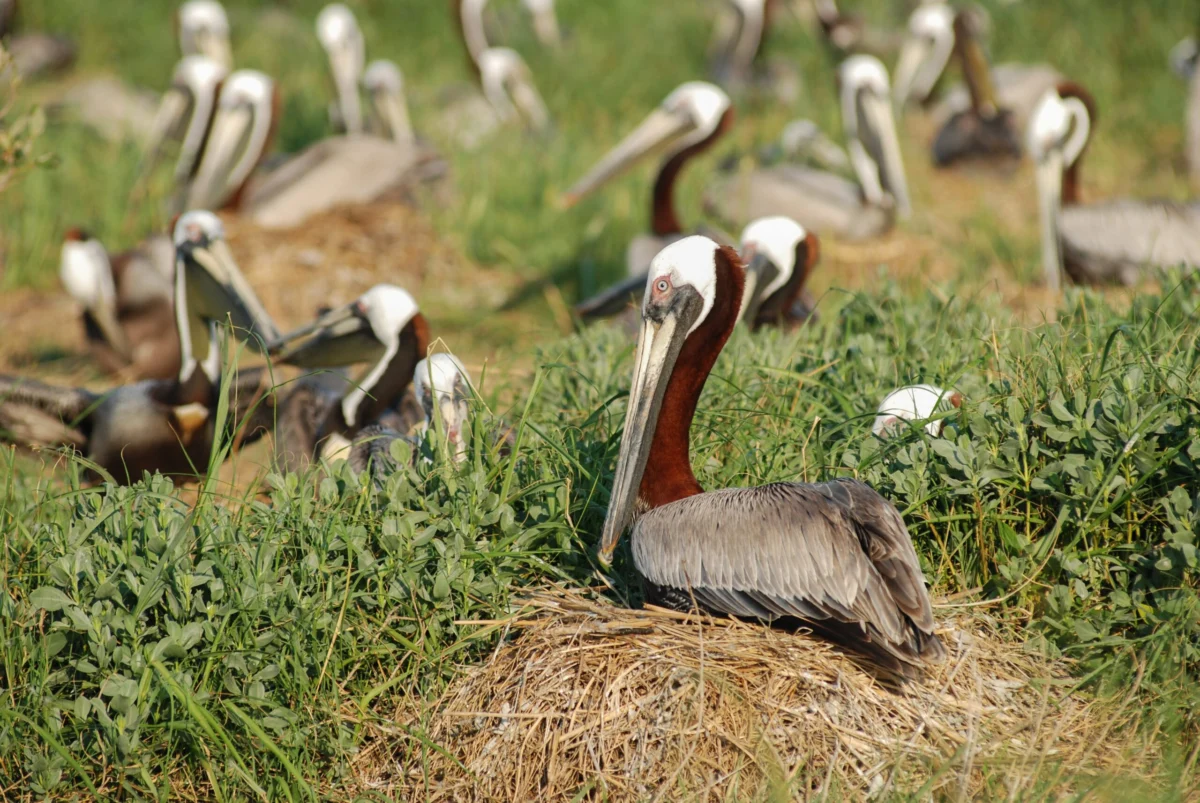
With substantial oil spill funding allocated through the NRDA process, Queen Bess Island underwent a transformative restoration. The project involved dredging sediment to expand the island, creating 37 acres of prime nesting ground. This carefully engineered habitat provides ideal conditions for colonial nesting birds such as Brown Pelicans, Royal Terns, and Sandwich Terns. The results have been nothing short of remarkable. By 2023, nearly 30,000 birds were counted on the island, with an impressive 6,000 Brown Pelican nests recorded—a doubling of the numbers observed in 2010. This success story not only signifies a return of critical habitat but also a resurgence of populations for species that faced immense challenges.
Other restoration projects across the Gulf also contribute to avian recovery. These include the creation and enhancement of barrier islands that protect inland marshes, the restoration of coastal wetlands that serve as vital nurseries and foraging grounds, and efforts to reduce disturbance at nesting sites. Every injury counts, and every lost breeding season erases ground that may take years—if not decades—to regain. For species facing significant population loss, the stakes couldn’t be higher, making these restoration triumphs all the more compelling and critical.
Enduring Vulnerabilities and Future Challenges
Despite these promising results, the path to full recovery is fraught with enduring vulnerabilities and future challenges. The story of the Brown Pelican serves as a stark reminder of this precarious balance. Once critically endangered due to DDT pesticide use, the species made a remarkable comeback, leading to its delisting from the Endangered Species Act (ESA) in 2009. Just five months later, the Deepwater Horizon disaster set their recovery back significantly, with thousands of pelicans oiled and their nesting colonies disrupted. This "near-miss" underscores a critical lesson for Gulf restoration: species that have climbed back from the brink are not immune to ongoing threats.
The Gulf Coast ecosystem, even without the immediate shadow of an oil spill, faces a myriad of threats. Habitat loss due to coastal development, erosion, and subsidence continues to diminish critical bird territories. Extractive activities, including ongoing oil and gas exploration and drilling, always carry the risk of future incidents. Furthermore, the adverse effects of changing environmental conditions, primarily climate change, present an overarching and accelerating challenge. Rising sea levels threaten to inundate low-lying coastal habitats, increased storm intensity can devastate nesting colonies, and altered weather patterns impact food availability and migratory routes.
Scientists and conservationists emphasize that restoration efforts cannot let up. A continued commitment to recovery—and to the habitats birds rely on—remains one of the defining conservation challenges of our lifetime. The initial recovery funding from the BP settlement is finite, necessitating long-term strategies for maintenance and ongoing protection. Environmental organizations like Audubon, which has extensively documented the spill’s impact and advocated for robust restoration, continuously highlight the need for sustained vigilance and proactive conservation measures.
Broader Ecological and Economic Implications
While birds are a primary focus, the Deepwater Horizon spill had broader ecological and economic implications that continue to resonate. Marine mammals, sea turtles, fish, and countless invertebrate species suffered direct mortality, physiological damage, and habitat degradation. The delicate food web of the Gulf was disrupted, with long-term consequences for biodiversity and ecosystem function.
Economically, the spill devastated the Gulf’s lucrative fishing and tourism industries. Commercial fisheries faced closures, and seafood harvests were significantly impacted, leading to billions of dollars in losses and widespread unemployment in coastal communities. The tourism sector, reliant on pristine beaches and healthy marine environments, also experienced a severe downturn. While these sectors have largely recovered, the memory of the crisis serves as a powerful reminder of the profound interconnectedness between environmental health and economic prosperity in the region. The spill also prompted a reassessment of offshore drilling regulations, leading to some reforms aimed at improving safety and environmental protection, though critics argue more is needed.
The Long Horizon of Restoration
Sixteen years may seem like a long time to still be shaped by a single event, but it is not long at all when considering the scale of restoring complex habitats and the myriad species that depend on them. Ecological recovery often operates on timescales far exceeding human lifespans. The sheer resilience of nature is evident in successes like Queen Bess Island, but this resilience is often stretched to its limits by human-induced disasters.
The Deepwater Horizon spill taught invaluable lessons about the vulnerability of our natural resources, the devastating consequences of industrial accidents, and the immense commitment required for environmental stewardship. Diligence in the Gulf remains essential to protecting wildlife species in the decades to come, ensuring that future generations can inherit a healthy and thriving ecosystem, one where the hard-won gains against catastrophe are not only preserved but allowed to flourish. The journey of restoration is not merely about reversing damage; it is about building a more resilient future for one of the world’s most vital and diverse marine environments.
