
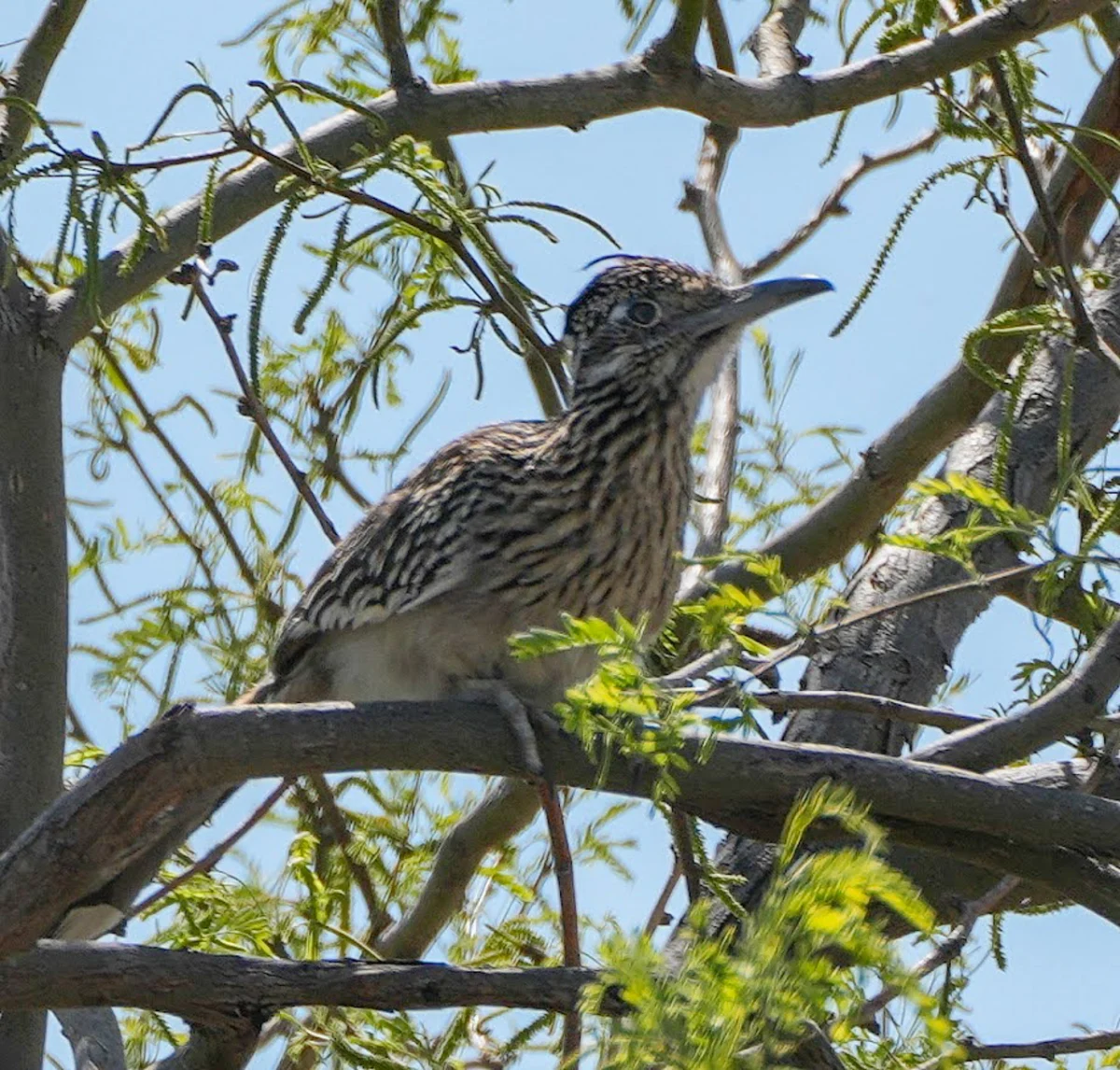
Southeastern Arizona has long been recognized as a premier destination for ornithologists and nature enthusiasts due to its unique "Sky Island" geography, and the 2026 "Arizona in Winter" expedition has further solidified this reputation by documenting an unusually high total of 174 distinct avian species. The seven-day tour, which concluded in late March, traversed a diverse array of ecotones ranging from the low-lying Sonoran and Chihuahuan Deserts to the high-altitude coniferous forests of the Chiricahua Mountains. This convergence of habitats allowed the expedition team to witness a remarkable cross-section of North American biodiversity, including several regional specialties and rare hybrids that highlight the ecological importance of the American Southwest.
The Ecological Significance of the Sky Islands
The term "Sky Island" refers to isolated mountain ranges rising out of a "sea" of desert and grassland. In southeastern Arizona, these mountains create dramatic elevational gradients that support multiple distinct biological communities within a small geographic area. The 2026 expedition meticulously explored these gradients, beginning in the Tucson lowlands, migrating south to the Santa Rita Mountains, exploring the Patagonia region, and finally ascending the Chiricahua Mountains.
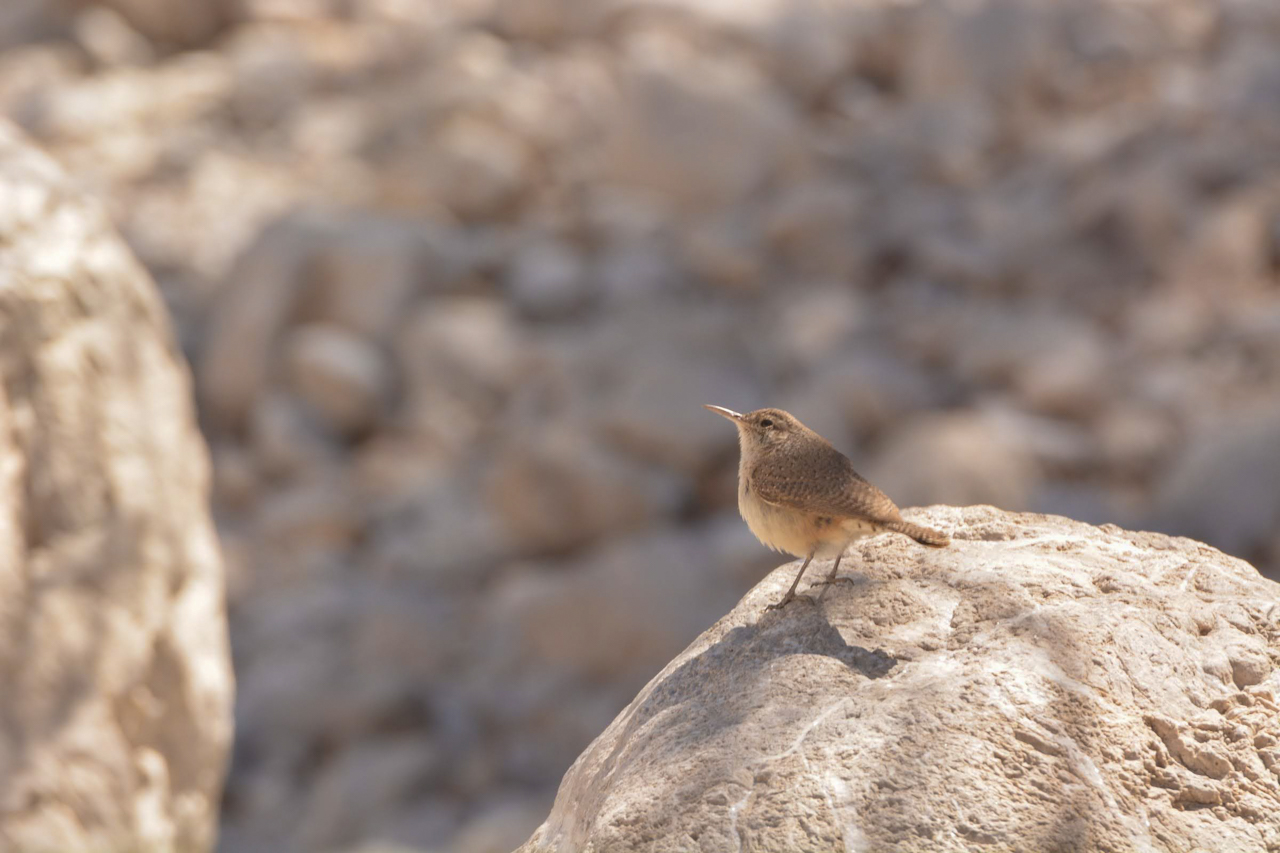
The expedition’s findings illustrate the complexity of these ecosystems. In the lowlands, the team documented species inhabiting cottonwood riparian zones, mesquite bosques, and artificial wetlands. As they moved to mid-elevations (approximately 5,000 feet), the habitat transitioned into sycamore-juniper-oak woodlands. At the highest points of the tour, exceeding 8,500 feet, the environment shifted to cool forests dominated by Ponderosa Pine and Douglas-Fir. This variety of habitats is the primary driver behind the record-setting species count of 174, which included 20 species of sparrows, 14 species of ducks, and nine different hummingbirds.
Chronology of the Expedition: From Desert Floor to Alpine Peaks
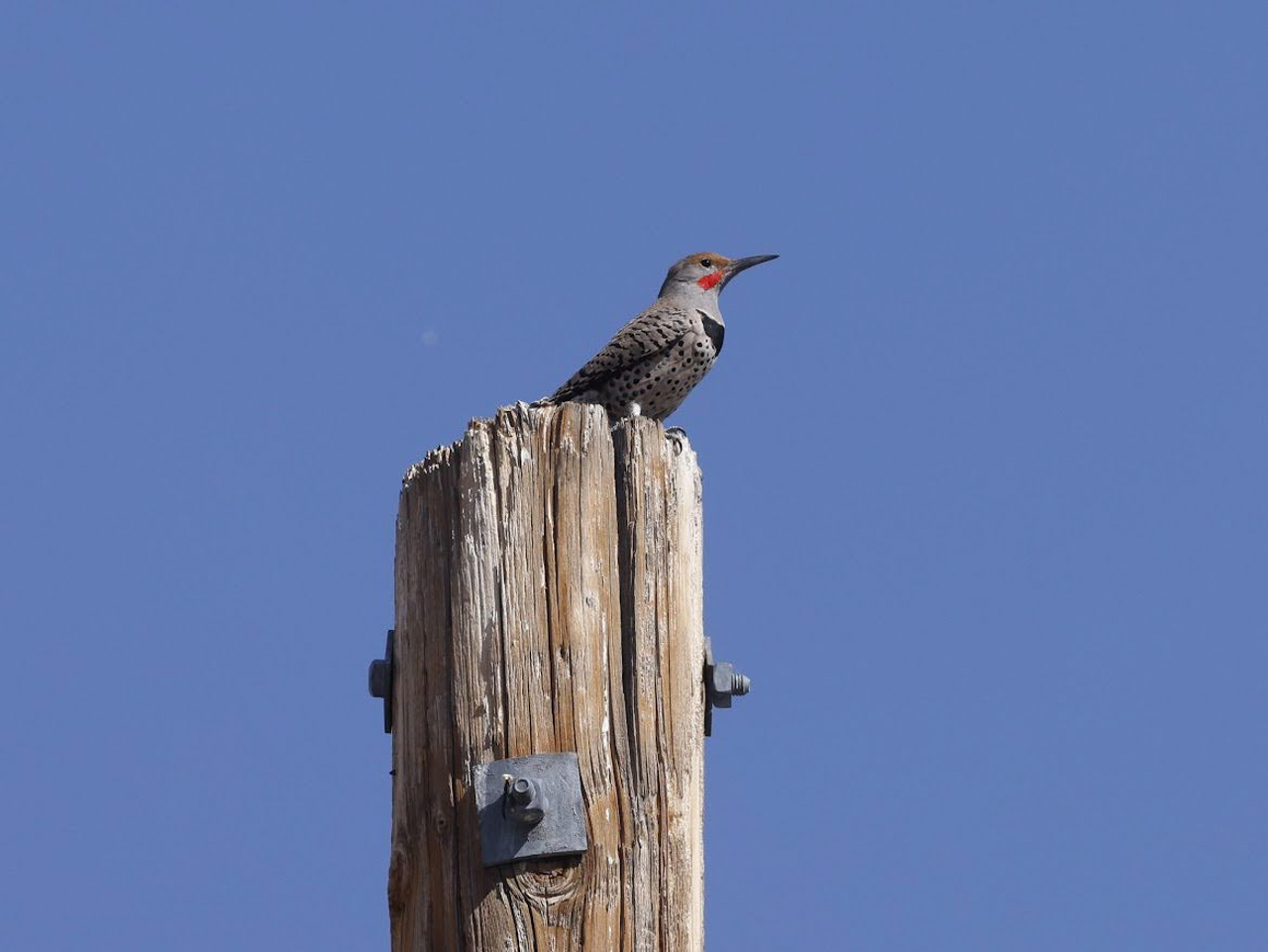
The expedition officially commenced in Tucson, where the team focused on the Tucson Mountain Park and the Sweetwater Wetlands. At Gates Pass, the morning light illuminated the Saguaros and Teddy-bear Chollas, providing a backdrop for observing classic desert residents such as the Ash-throated Flycatcher and the Gilded Flicker. The Sweetwater Wetlands, a site originally designed for aquifer recharge in 1996, served as a critical hub for waterbirds. Despite the facility no longer being in active use for water treatment since 2013, it remains a vital man-made marsh. The team observed courting Cinnamon Teal and American Wigeon, as well as the vibrant Vermilion Flycatcher, which became a recurring highlight throughout the tour due to its brilliant plumage and puffed-out breeding displays.

On the second day, the group moved toward the Santa Rita Mountains, stopping at Desert Meadows Park in Green Valley. This location provided close-range views of the Rufous-winged Sparrow and the jet-black Phainopepla. A significant portion of the day was dedicated to the Tubac Hawk Watch, a site renowned as the premier location in the United States for monitoring the migration of the Common Black Hawk. The team tallied 11 individuals during a single hour of observation, alongside a Gray Hawk. This area is currently the subject of conservation efforts, with local activists advocating for the creation of a National Wildlife Refuge to protect the crucial cottonwood riparian habitat along the Santa Cruz River.
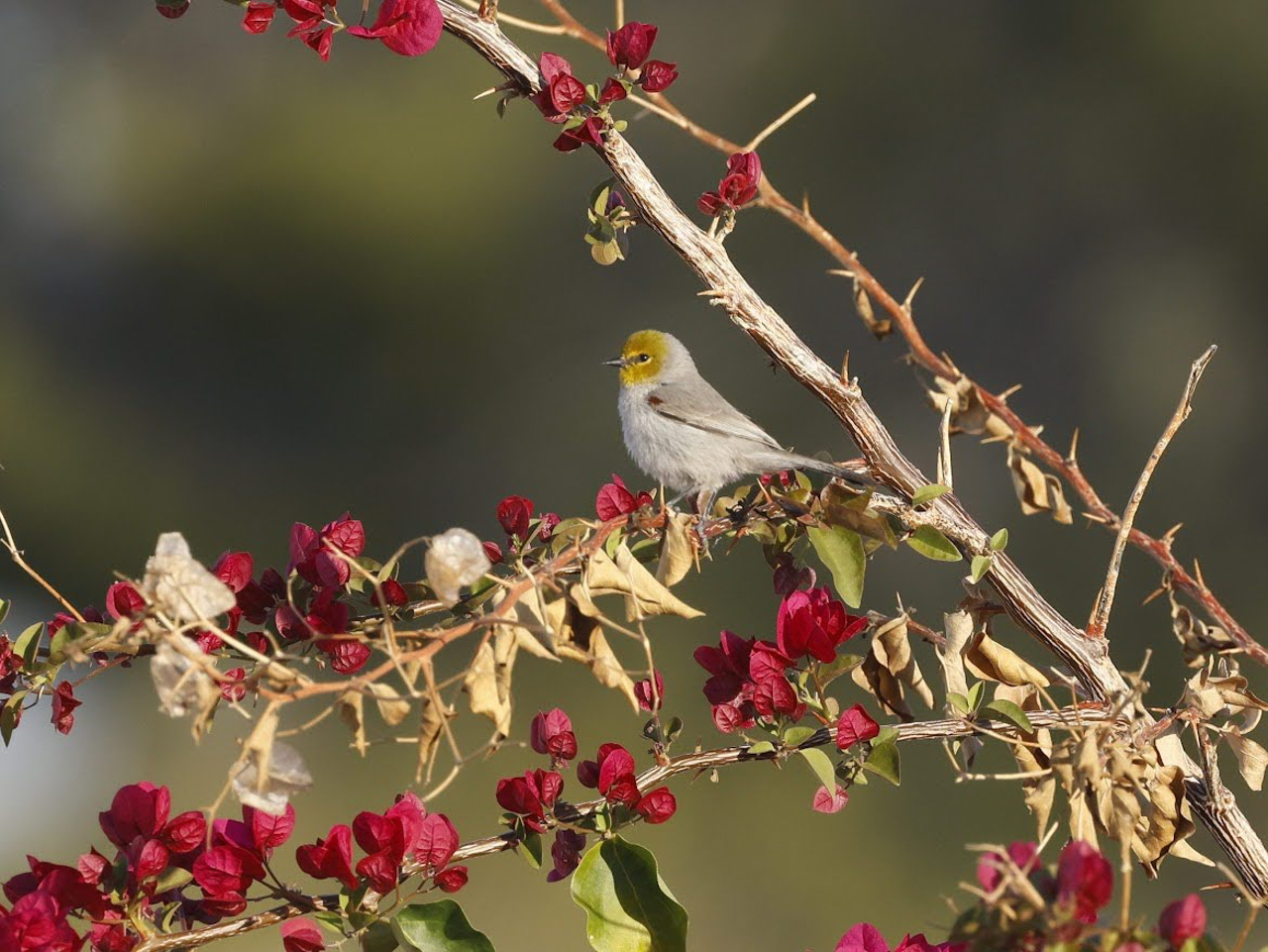
The transition to the Patagonia region on days three and four introduced the team to the scarcity and importance of desert water sources. At the Green Valley Water Retention Facility, 12 species of ducks were recorded, including the regionally rare Greater Scaup. Patagonia Lake State Park yielded the tour’s most diverse single-site checklist, with 49 species identified in a single afternoon. The highlight of the Patagonia leg was the visit to the Paton Center for Hummingbirds, a historic site operational since 1973. Here, the team documented the Violet-crowned Hummingbird and a rare Broad-billed x Berylline Hummingbird hybrid.
The expedition’s final stages focused on the high-altitude environments of the Chiricahua Mountains, the largest of Arizona’s Sky Islands. Ascending from 4,700 feet to 8,500 feet at Rustler Park, the team encountered specialists such as the Mexican Chickadee, for which the Chiricahuas serve as the primary U.S. stronghold. The tour concluded with a return toward Tucson, with a final stop at Lake Cochise in Willcox, where the group observed a dwindling but still impressive flock of 600 Sandhill Cranes preparing for their northward migration.

Supporting Data and Species Diversity
The 2026 expedition was characterized by its breadth of species across multiple families. The following data highlights the most notable groupings documented by the team:

- Waterfowl: 14 species, including Cinnamon Teal, Northern Shoveler, and Ring-necked Duck.
- Hummingbirds: 9 species, featuring the Blue-throated Mountain-gem (North America’s largest hummingbird) and the Violet-crowned Hummingbird.
- Raptors: 11 species, highlighted by the Common Black Hawk and Gray Hawk.
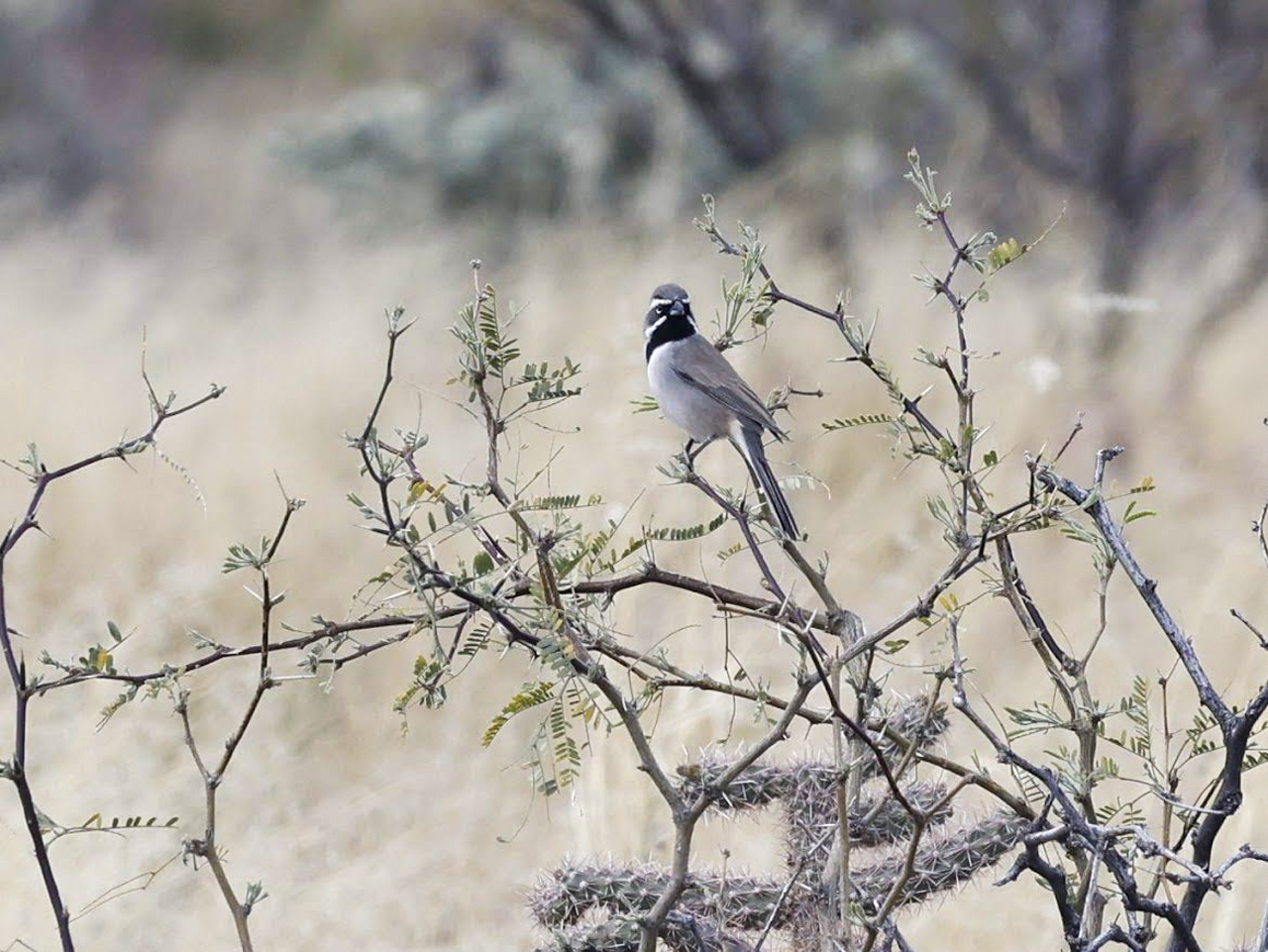
- Sparrows: 20 species, reflecting the high diversity of wintering and resident emberizids in the region, including the Black-throated and Rufous-winged Sparrows.
- Mammals: 13 species were documented, including the Harris’s Antelope Squirrel, Pronghorn, White-collared Peccary (Javelina), and the Mexican Fox Squirrel.
One of the most significant sightings was the Bendire’s Thrasher at the Twin Lakes Golf Course. As a globally threatened species that is often difficult to locate due to its secretive nature, the presence of a pair of these thrashers added substantial value to the expedition’s scientific record.

Conservation Context and Environmental Implications
The high species count recorded during this tour provides a snapshot of the current state of Arizona’s avian populations, but it also underscores the fragility of these habitats. The expedition noted the rapid drying of water sources; for instance, the puddle at Whitewater Draw that supported 80 Least Sandpipers and a White-faced Ibis during the tour was reported to have completely dried up just two days after the group’s visit.

Furthermore, the team highlighted the precarious state of North American grasslands. Birds inhabiting these regions are declining faster than any other terrestrial bird group on the continent. The sighting of Chestnut-collared Longspurs at the Las Cienegas National Conservation Area served as a reminder of the importance of preserving large, contiguous tracts of shortgrass prairie.
The observation of the Common Black Hawk migration at Tubac also brings attention to the ongoing debate regarding habitat protection along the Santa Cruz River. Proponents of the proposed National Wildlife Refuge argue that the corridor is essential not only for raptors but for a suite of species including the Mexican Duck and the Black Phoebe.

Analysis of Phenological Shifts
The timing of the expedition in late March allowed the team to observe the intersection of wintering residents and early spring migrants. The dwindling numbers of Sandhill Cranes—down to 600 from several thousand just a month prior—aligns with the species’ known phenology as an early migrant. However, the presence of species like the Summer Tanager and Scott’s Oriole so early in the season suggests potential shifts in migration patterns, possibly influenced by the region’s warming climate.

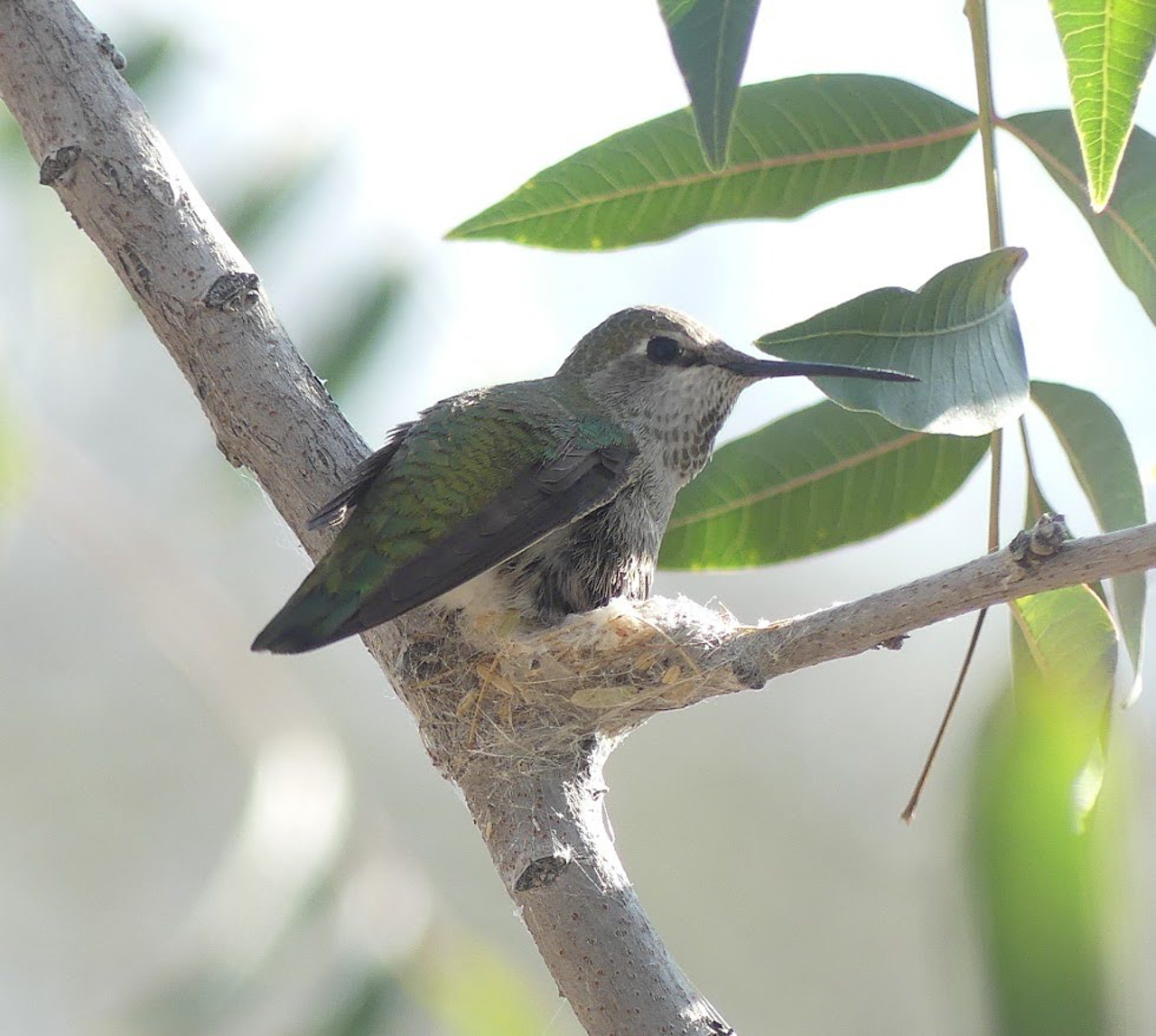
The behavior of resident birds also provided insight into the onset of the breeding season. The team documented nest-building activities by Anna’s Hummingbirds, Curve-billed Thrashers, Verdins, and Canyon Towhees. The "Full Towhee Sweep" recorded in Portal—observing Abert’s, Canyon, Green-tailed, and Spotted Towhees in a single location—is a rare occurrence that speaks to the high concentration of resources in birder-friendly communities like Portal and Patagonia.
Conclusion and Economic Impact
The success of the 2026 Arizona Winter expedition reflects the robust nature of the state’s ecotourism industry. Birding remains a significant economic driver for rural Arizona communities, with towns like Patagonia and Portal benefiting directly from the influx of visiting naturalists. The cooperation of local "bird-feeding hosts" who open their private properties to tour groups is a unique aspect of Arizona’s birding culture that facilitates high-quality data collection and species monitoring.

As the expedition concluded, the team’s documentation of 174 species stands as a testament to the biological richness of the Sky Islands. While the high species count is a cause for celebration among the birding community, it also serves as a call to action for continued conservation of the riparian zones, grasslands, and high-altitude forests that make such diversity possible. The data collected during this seven-day period will contribute to broader citizen-science initiatives, such as eBird, helping researchers track long-term trends in avian distribution and habitat health in the American Southwest.
